
Polyrhachis ochracea
- Sci. Name
- Polyrhachis ochracea
- Subgenus
- Myrmhopla
- Tribe
- Camponotini
- Subfamily
- Formicinae
- Author
- Karavaiev, 1927
- Distribution
- Found in 1 countries
Introduction
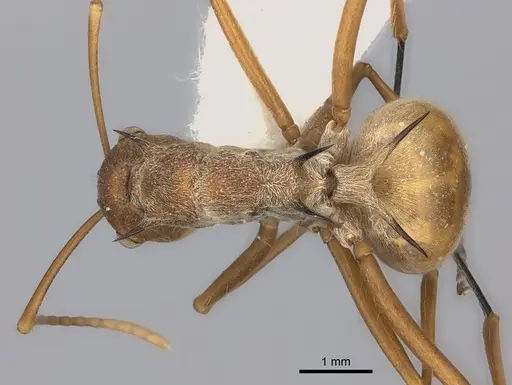
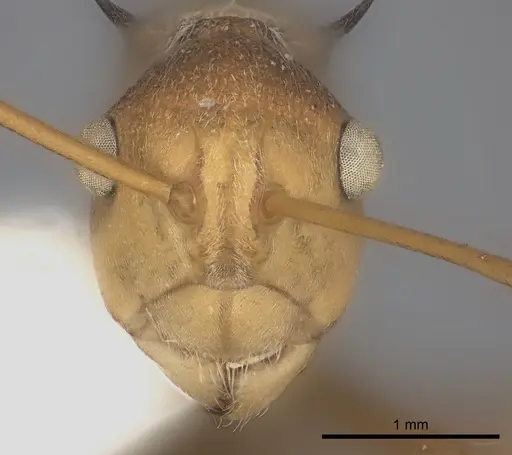
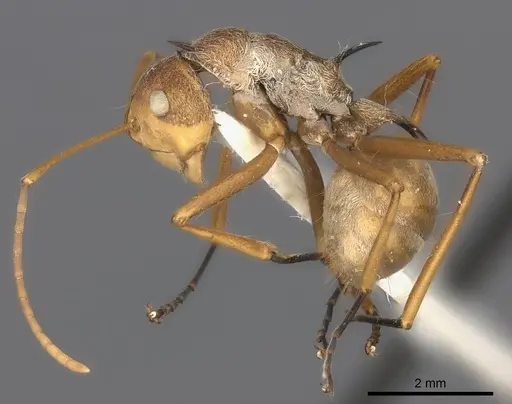
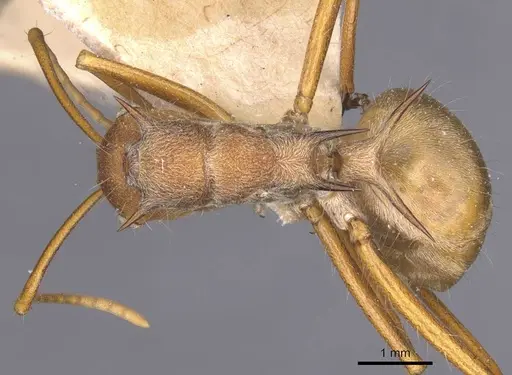
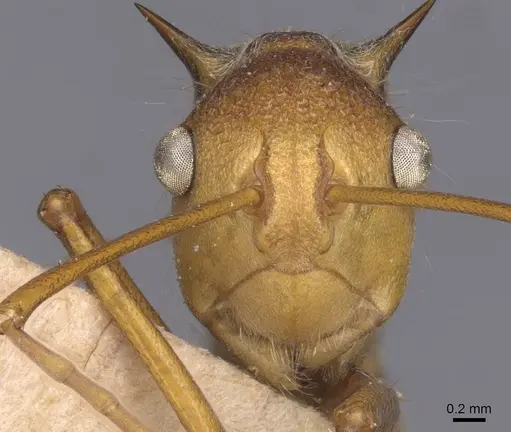
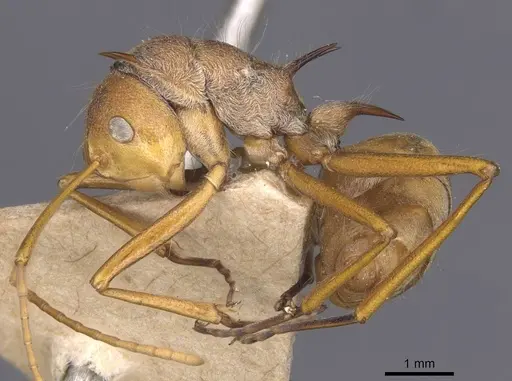
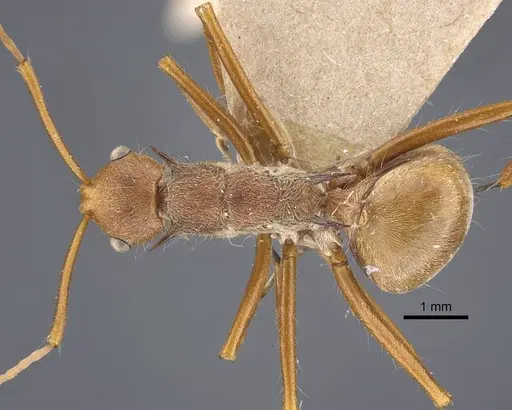
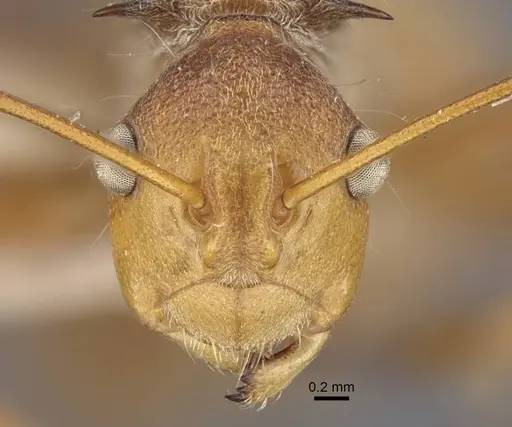
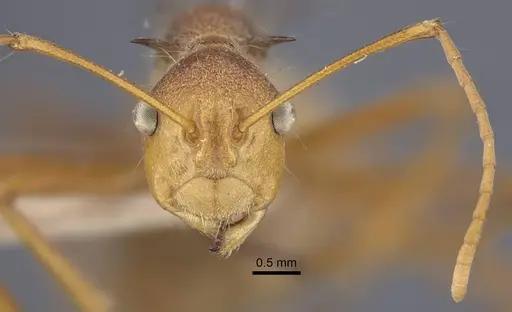
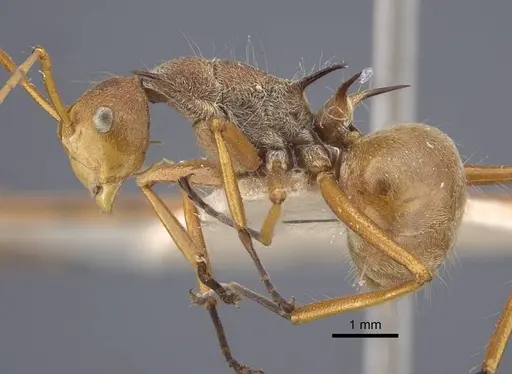
Polyrhachis ochracea is a tropical arboreal ant belonging to the subgenus Myrmhopla, part of the ochracea-group. Workers have a rounded mesosoma and often show metallic or iridescent coloration. This species is native to the Indomalaya region, specifically found in Borneo, Java, and Malaysia . They build arboreal nests using silk to bind materials like leaves , and their pupae are encased in cocoons, which is unusual for Formicinae .
Quick Summary
- Difficulty: Medium
- Origin & Habitat: Tropical forests of Borneo, Java, and Malaysia. They are arboreal nesters, building colonies in trees using silk [2][1].
- Colony Type: Based on typical Polyrhachis patterns, likely monogyne (single queen), but this specific species has not been extensively studied.
- Size & Growth:
- Queen: Size data unavailable for this species, but inferred from Polyrhachis genus as ~8-10 mm
- Worker: Size data unavailable for this species, but inferred from Polyrhachis genus as ~5-8 mm
- Colony: Colonies can reach several hundred workers, inferred from Polyrhachis genus patterns
- Growth: Moderate, tropical species with year-round activity when warm
- Development: Estimated 6-8 weeks at tropical temperatures, inferred from related species [2] (Development timeline is inferred from tropical Polyrhachis patterns, direct data not available for P. ochracea)
- Antkeeping:
- Temperature: Keep warm, roughly 24-28°C, based on tropical species patterns [2]
- Humidity: Keep the nest substrate consistently moist but not waterlogged, based on arboreal nesting habits [2]
- Diapause: No, as a tropical species, they do not require hibernation [2]
- Nesting: Arboreal specialists, they need vertical space and climbing opportunities, using silk to bind materials [2][3]
- Behavior: Generally peaceful and not aggressive toward keepers. Workers are active foragers. Escape prevention is moderate due to their size and climbing ability, watch for escape attempts, especially in small colonies.
- Common Issues: tropical species die if temperatures drop below 20°C, keep them warm year-round, arboreal nature means they need vertical space, horizontal-only nests cause stress, cocooned pupae need humidity but not saturation, too wet causes fungal problems, wild-caught colonies may have parasites, quarantine and observe new colonies, silk-weaving behavior requires appropriate materials, provide leaves or flexible nesting media
Housing and Nest Setup
Polyrhachis ochracea requires an arboreal-style setup with vertical space and climbing structures. Use a naturalistic terrarium with live or artificial plants, branches, and cork bark. They weave silk to bind materials, so provide flexible items like fresh leaves or moss. Avoid flat, horizontal-only nests [2][3].
Temperature and Heating
Keep temperatures warm, around 24-28°C, as they are tropical species. Use a heating cable or mat to create a gradient. Avoid temperatures below 20°C to prevent colony weakness [2].
Feeding and Diet
Offer sugar sources like honey or diluted syrup constantly, and protein from small insects like fruit flies 2-3 times per week. Place food on elevated surfaces since they are arboreal foragers. Remove uneaten prey after 24 hours [4].
Humidity and Moisture
Maintain moist substrate without waterlogging. Mist the outworld occasionally to keep humidity consistent, as they prefer humid forest canopy conditions [2].
Unique Silk-Weaving Behavior
Workers produce silk from labial glands to bind leaves or debris into nests. Provide flexible materials like fresh leaves or paper strips to encourage this natural behavior [2].
Colony Development
Colonies grow moderately at warm temperatures. The queen is likely claustral, raising the first brood alone. Development from egg to worker takes approximately 6-8 weeks at 25-28°C. Pupae are cocooned, unlike most Formicinae [2].
Frequently Asked Questions
Can I keep Polyrhachis ochracea in a test tube?
Test tubes are not ideal due to lack of vertical space. Use a terrarium or formicarium with climbing structures [2].
Do Polyrhachis ochracea ants need hibernation?
No, they are tropical and do not require diapause. Keep them warm year-round [2].
How long does it take for Polyrhachis ochracea to produce first workers?
At 25-28°C, expect first workers in approximately 6-8 weeks, inferred from related species [2].
What do Polyrhachis ochracea ants eat?
They are omnivorous, offer sugar sources constantly and protein from small insects 2-3 times per week [4].
Are Polyrhachis ochracea good for beginners?
They are medium difficulty due to specific temperature and humidity needs. Beginners may find challenges maintaining consistent warmth [2].
When should I move Polyrhachis ochracea to a formicarium?
Move when the colony is cramped, choosing a formicarium with vertical space and humidity control [2].
How big do Polyrhachis ochracea colonies get?
Colonies can reach several hundred workers with proper care, inferred from Polyrhachis genus patterns [2].
Why are my Polyrhachis ochracea dying?
Common causes include low temperatures, low humidity, or improper setup lacking vertical space. Check conditions and for parasites in wild-caught colonies [2].
Can I keep multiple Polyrhachis ochracea queens together?
Not recommended, as Polyrhachis species are typically monogyne. House queens alone to avoid aggression [2].
Report an Issue
The current care sheet is based fully on literature. See inconsistencies, or something that's incorrect? Please , it will be resolved after review from an admin. Contributing to the blogs tab also helps providing information, to make us be able to further improve the caresheets. Thank you for your support!
References

This caresheet is licensed under CC BY-SA 4.0 .
Community Blogs
Literature
Loading distribution map...Loading products...