
Polyrhachis obtusa
- Sci. Name
- Polyrhachis obtusa
- Subgenus
- Chariomyrma
- Tribe
- Camponotini
- Subfamily
- Formicinae
- Author
- Emery, 1897
- Distribution
- Found in 2 countries
Introduction
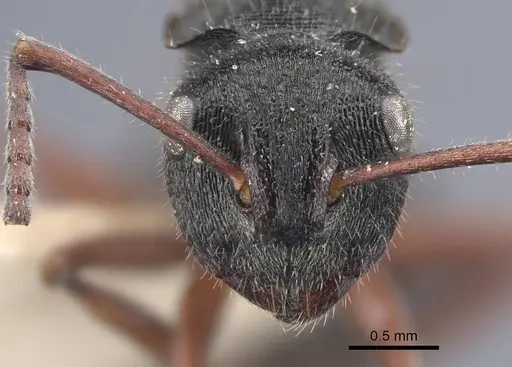
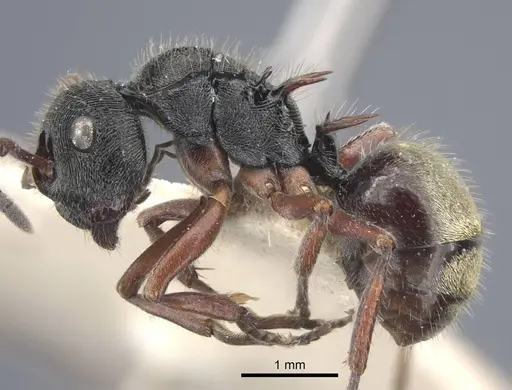
Polyrhachis obtusa is a species documented in New Britain and Papua . Specific size and appearance data are unavailable for this species. It is from a tropical region, suggesting a humid forest habitat. As a member of the Formicinae subfamily, this species uses formic acid spray for defense, a common trait in the group.
Quick Summary
- Difficulty: Unknown
- Origin & Habitat: New Britain and Papua (Papua New Guinea region), tropical humid forest environment [1]
- Colony Type: Colony structure is unconfirmed for this species.
- Size & Growth:
- Queen: Size data unavailable, inferred from Polyrhachis genus (~10-18 mm)
- Worker: Size data unavailable, inferred from Polyrhachis genus (~6-14 mm)
- Colony: Unknown, estimated up to several hundred workers based on typical Polyrhachis colonies
- Growth: Unknown, estimated moderate based on tropical species patterns
- Development: Unknown, estimated 6-8 weeks based on genus patterns at tropical temperatures (Development is temperature-dependent, warmer temperatures may speed up development.)
- Antkeeping:
- Temperature: Based on tropical distribution, keep temperatures between 24-28°C with a gentle gradient.
- Humidity: Keep humidity high, around 70-85%, by maintaining moist substrate and occasional misting.
- Diapause: No, tropical species do not require diapause.
- Nesting: Likely arboreal, use Y-tong or plaster nests with humid conditions and climbing structures.
- Behavior: Based on genus patterns, Polyrhachis are moderate in temperament and active foragers. Defense mechanism: As a Formicinae, they lack a sting and use formic acid spray. Escape prevention is important due to climbing ability.
- Common Issues: Humidity control is critical, too dry can be fatal for tropical species., Temperature drops below 22°C can harm the colony., Inadequate protein feeding can slow growth., Escape risk due to climbing ability, ensure secure outworld., Limited species-specific data requires careful observation and adjustment.
Origin and Natural Habitat
Polyrhachis obtusa originates from the Papua New Guinea region, specifically documented in New Britain and Papua [1]. This area features a humid tropical climate with year-round warmth. The specific microhabitat is not well documented, but Polyrhachis species often nest in elevated locations such as trees or under bark.
Care Recommendations
Based on the tropical distribution and genus patterns, Polyrhachis obtusa likely requires warm temperatures (24-28°C), high humidity (70-85%), and arboreal nesting setups. Provide a humidity gradient with moist substrate, and use Y-tong or plaster nests. Feed a mix of sugar sources and protein insects. Development from egg to worker is estimated at 6-8 weeks under optimal conditions.
Frequently Asked Questions
How long does it take for Polyrhachis obtusa to produce first workers?
Based on genus patterns, expect approximately 6-8 weeks from egg to first worker at optimal temperatures around 26°C.
What temperature do Polyrhachis obtusa ants need?
Estimated 24-28°C based on their tropical distribution. Avoid temperatures below 22°C.
Do Polyrhachis obtusa ants need hibernation?
No, as a tropical species, they do not require hibernation or diapause.
What do Polyrhachis obtusa ants eat?
Based on genus patterns, they are likely omnivorous. Offer sugar sources constantly and protein insects 2-3 times per week.
Are Polyrhachis obtusa ants good for beginners?
Difficulty is unknown due to limited data. Not recommended as a first species due to lack of documented care.
What size colony does Polyrhachis obtusa reach?
Maximum colony size is unknown, but estimated up to several hundred workers based on genus patterns.
Can I keep multiple Polyrhachis obtusa queens together?
Colony structure is unconfirmed. Most Polyrhachis are monogyne, but do not combine queens without evidence.
What type of nest is best for Polyrhachis obtusa?
Based on likely arboreal nature, use Y-tong or plaster nests with humid conditions and climbing structures.
Why is my Polyrhachis obtusa colony not growing?
Growth rate is estimated moderate. Ensure optimal temperature, humidity, and protein feeding. Slow growth may occur during colony establishment.
Report an Issue
The current care sheet is based fully on literature. See inconsistencies, or something that's incorrect? Please , it will be resolved after review from an admin. Contributing to the blogs tab also helps providing information, to make us be able to further improve the caresheets. Thank you for your support!
References

This caresheet is licensed under CC BY-SA 4.0 .
Community Blogs
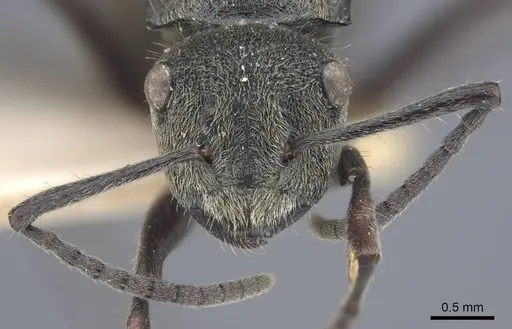
CASENT0217785
View on AntWeb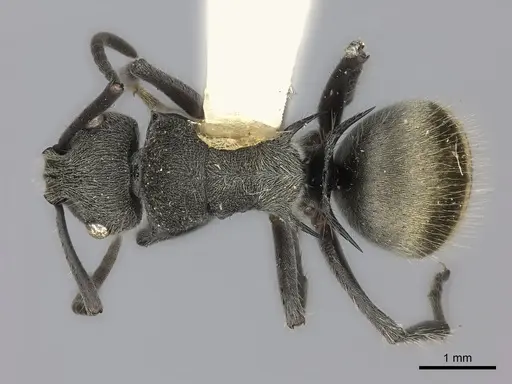
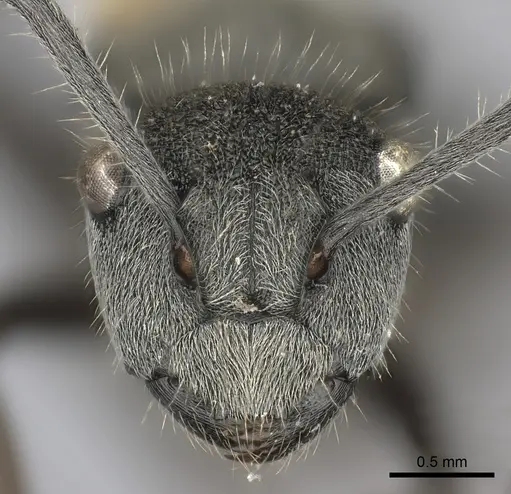
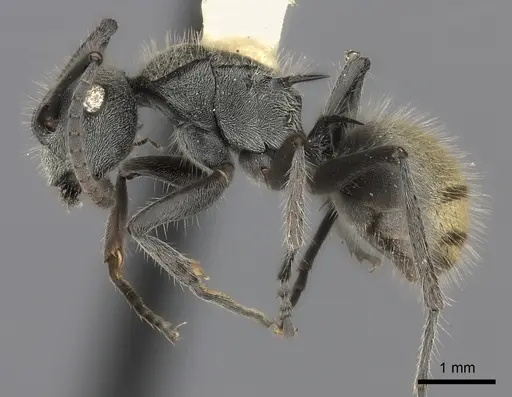
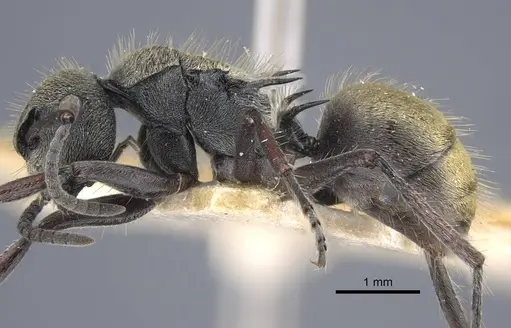
CASENT0905579
View on AntWeb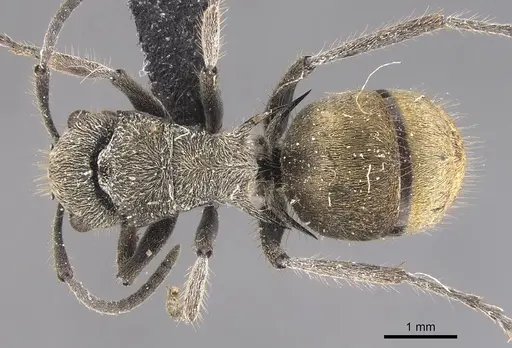
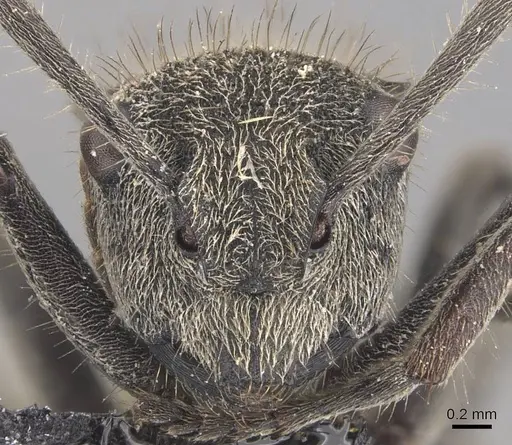
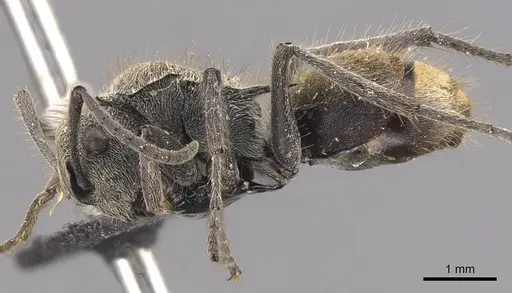
CASENT0917181
View on AntWeb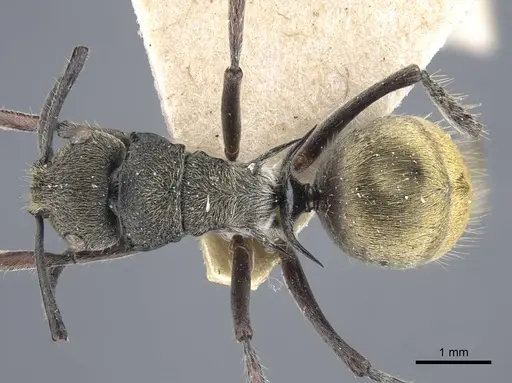
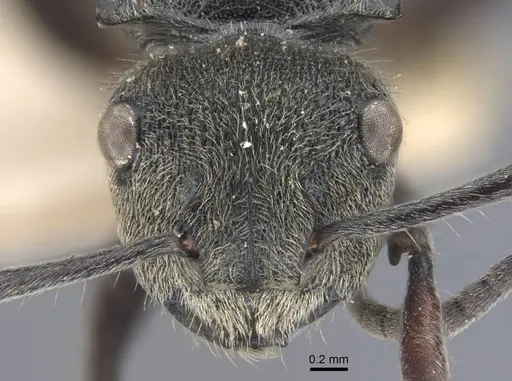
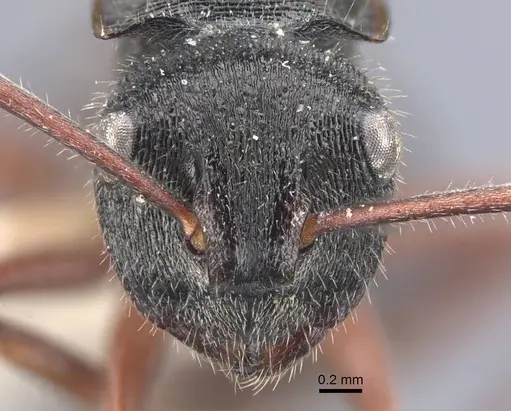
CASENT0917183
View on AntWeb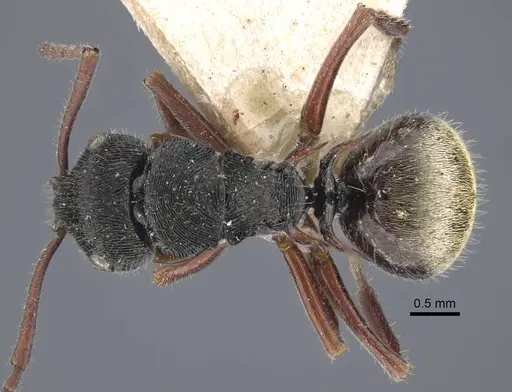
Literature
Loading distribution map...Loading products...