
Polyrhachis obliqua
- Sci. Name
- Polyrhachis obliqua
- Subgenus
- Myrma
- Tribe
- Camponotini
- Subfamily
- Formicinae
- Author
- Stitz, 1911
- Distribution
- Found in 0 countries
Introduction
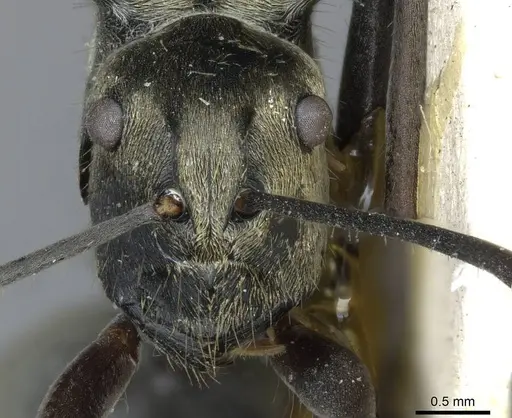
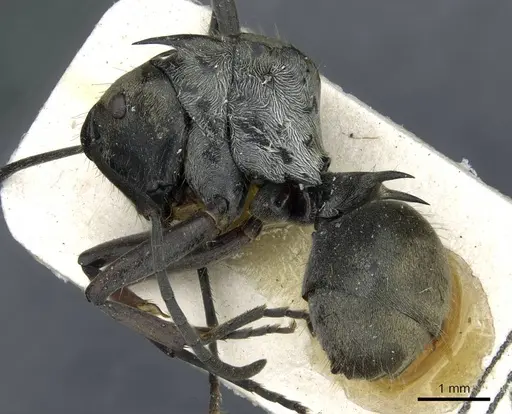
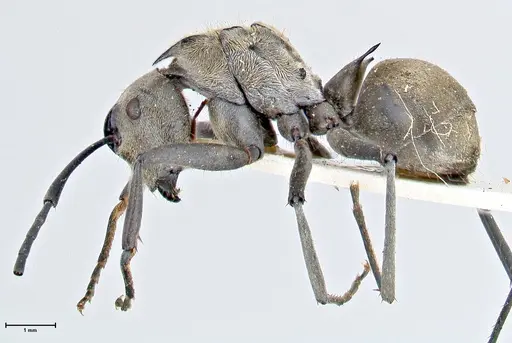
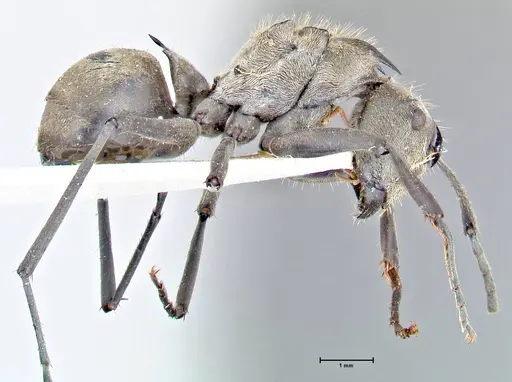
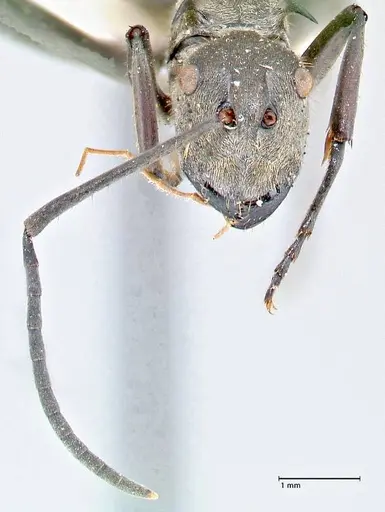
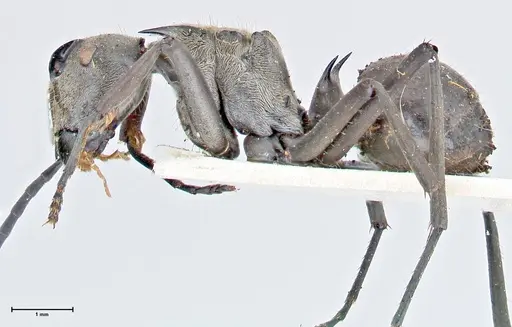
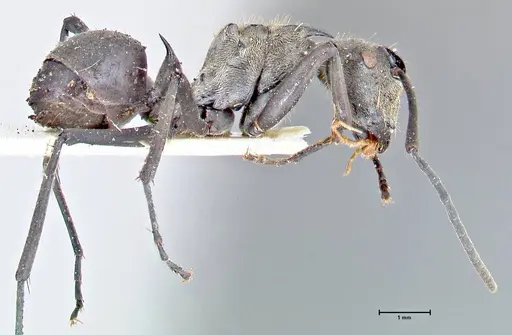
Polyrhachis obliqua is a tropical ant species native to the Solomon Islands, specifically documented on Bougainville . Workers belong to the subgenus Myrma (relucens-group) and are lignicolous, meaning they nest in rotting wood . As a Formicinae species, they lack a functional stinger and defend themselves by spraying formic acid. This species produces pupal cocoons, which is common for Polyrhachis ants . They thrive in warm, humid tropical conditions year-round.
Quick Summary
- Difficulty: Medium
- Origin & Habitat: Solomon Islands (Bougainville) in the Oceania region [1]. They live in rotting wood in tropical forest environments [2].
- Colony Type: Based on Polyrhachis patterns, likely monogyne (single-queen colonies).
- Size & Growth:
- Queen: Inferred from Polyrhachis genus: ~8-10 mm
- Worker: Inferred from Polyrhachis genus: ~5-7 mm
- Colony: Up to several hundred workers, estimated
- Growth: Moderate
- Development: Estimated 6-8 weeks at optimal temperatures (Tropical species develop faster when kept warm year-round)
- Antkeeping:
- Temperature: Keep at 24-28°C [4].
- Humidity: Keep the nest substrate consistently moist but not waterlogged [4].
- Diapause: No, this is a tropical species that does not hibernate [4].
- Nesting: Lignicolous (wood-nesting) species. They do best in wood-based nests like Y-tong (AAC) or naturalistic setups with rotting wood pieces [2][3].
- Behavior: Generally peaceful and non-aggressive. Workers are active foragers. As Formicinae, they can spray formic acid when threatened but are not dangerous to humans. Their small size means escape prevention is important, use tight-fitting lids and fine mesh barriers [4].
- Common Issues: tropical species dies if temperatures drop below 20°C for extended periods, wood-nesting means they need appropriate substrate, test tubes alone may not be ideal long-term, high humidity requirements can lead to mold if ventilation is poor, cocoons need time to develop, don't disturb the nest during pupal stages, wild-caught colonies may carry parasites or diseases
Housing and Nest Preferences
Polyrhachis obliqua is a lignicolous species, meaning they naturally nest in rotting wood [2][3]. In captivity, they do best in Y-tong (AAC) nests or naturalistic setups that include wood pieces or bark. These ants need more humidity than desert-dwelling species, so the nest material should retain moisture well. Avoid completely dry environments or sandy substrates that don't hold humidity. A test tube setup can work for founding colonies, but plan to move them to a more suitable wood-based nest as the colony grows. The presence of cocoons means you'll need enough space for pupal development without disturbance [2].
Temperature and Heating
Being from the Solomon Islands, this is a strictly tropical species that needs warm temperatures year-round. Keep the nest area at 24-28°C for optimal brood development [4]. A small heating cable placed on one side of the nest creates a temperature gradient that lets ants choose their comfort zone. This is especially important since tropical ants don't enter dormancy and need consistent warmth to develop brood. Room temperature may be too cool for healthy development, consider using a heat mat or cable if your room is cooler. Avoid temperatures below 20°C for extended periods, as this can weaken or kill the colony.
Feeding and Diet
Like most Polyrhachis species, P. obliqua likely feeds on honeydew from aphids and scale insects, plus small insects and nectar. In captivity, offer sugar water or honey water as a constant energy source. For protein, provide small insects like fruit flies, small crickets, or mealworms. Feed protein prey 2-3 times per week, removing any uneaten prey after 24 hours. Fresh fruit can also be offered occasionally. Since they're forest-floor ants, they likely forage actively through the outworld searching for food. Make sure food is accessible but not overwhelming, small portions reduce mold issues in humid setups. [4]
Humidity and Water
High humidity is critical for this species, think damp tropical forest floor, not dry conditions. Keep the nest substrate consistently moist but not waterlogged. The substrate should feel damp to the touch with visible condensation occasionally forming on the nest walls. In a Y-tong or test tube setup, use a water reservoir that provides humidity without flooding. Mist the nest occasionally if the substrate dries out, but avoid creating standing water. Good ventilation helps prevent mold while maintaining humidity, too little airflow causes mold, too much dries them out. Watch for condensation as a sign humidity is adequate. [4]
Behavior and Colony Dynamics
Polyrhachis ants are generally calm and less aggressive than many other ants. Workers are active foragers that will search the outworld for food. As Formicinae, they lack a stinger but can spray formic acid as a defense, this is harmless to humans but can be irritating. The colony will likely grow to several hundred workers over time. Since they produce cocoons [2], the pupal stage takes longer than species with naked pupae, but the protected cocoon helps prevent damage. Colonies are typically single-queen (monogyne), so you won't need to manage multiple egg-layers.
Frequently Asked Questions
How long does it take for Polyrhachis obliqua to produce first workers?
Based on related Polyrhachis species, expect first workers (nanitics) around 6-8 weeks after the queen lays eggs, when kept at optimal tropical temperatures of 25-28°C. Development is faster than temperate species because they don't have a winter dormancy period.
Can I keep Polyrhachis obliqua in a test tube?
Test tubes work for founding colonies, but this lignicolous (wood-nesting) species does better long-term in Y-tong (AAC) nests or naturalistic setups with wood pieces. They need higher humidity than test tubes typically provide.
Do Polyrhachis obliqua need hibernation?
No. Being a tropical species from the Solomon Islands, they do not hibernate or enter diapause. Keep them warm year-round at 24-28°C.
How big do Polyrhachis obliqua colonies get?
Based on typical Polyrhachis colony sizes, expect up to several hundred workers at maturity. This species has not been extensively studied, so exact maximums are unknown.
What temperature is best for Polyrhachis obliqua?
Keep them at 24-28°C (warm tropical conditions). This is warmer than most room temperatures, so you'll likely need a heating cable or heat mat on one side of the nest.
Are Polyrhachis obliqua good for beginners?
This is a medium-difficulty species. They require warm temperatures and high humidity year-round, plus a wood-based nesting setup. Not the easiest choice for beginners, but manageable if you're committed to maintaining tropical conditions.
What do Polyrhachis obliqua eat?
They accept sugar sources (honey water, sugar water) and protein prey (small insects like fruit flies, crickets, mealworms). Feed protein 2-3 times per week and keep sugar water available constantly.
Why are my Polyrhachis obliqua dying?
The most common causes are: temperatures below 20°C (tropical species are sensitive to cold), low humidity causing desiccation, or poor ventilation leading to mold. Check these parameters first.
Report an Issue
The current care sheet is based fully on literature. See inconsistencies, or something that's incorrect? Please , it will be resolved after review from an admin. Contributing to the blogs tab also helps providing information, to make us be able to further improve the caresheets. Thank you for your support!
References

This caresheet is licensed under CC BY-SA 4.0 .
Community Blogs
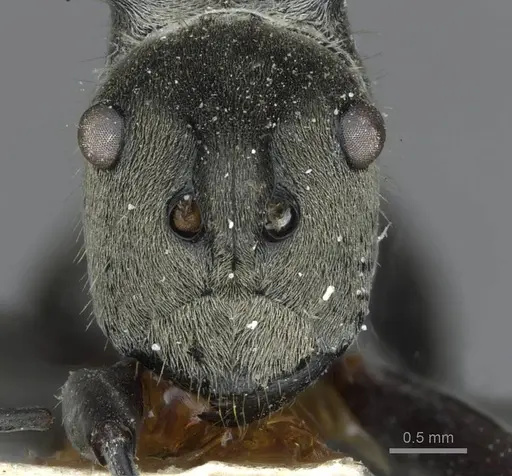
CASENT0910919
View on AntWeb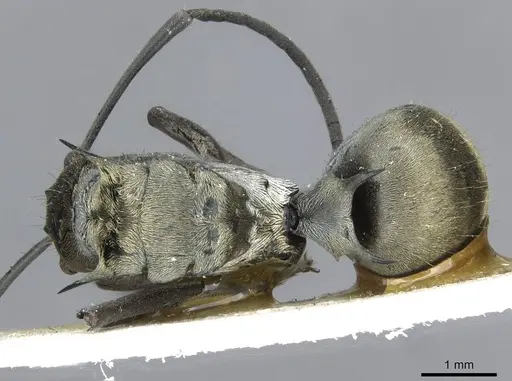
CASENT0910924
View on AntWeb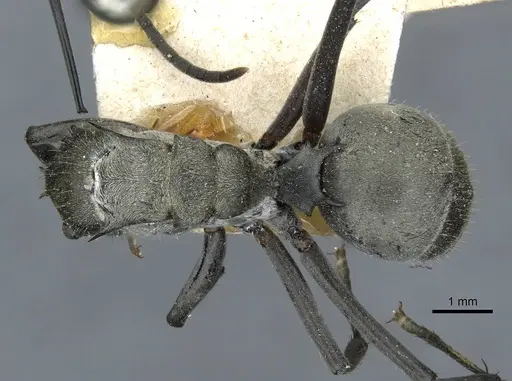
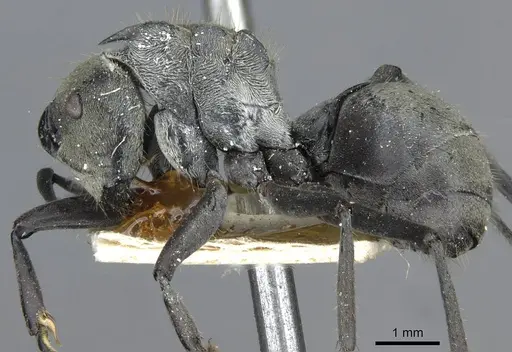
FOCOL2629
View on AntWeb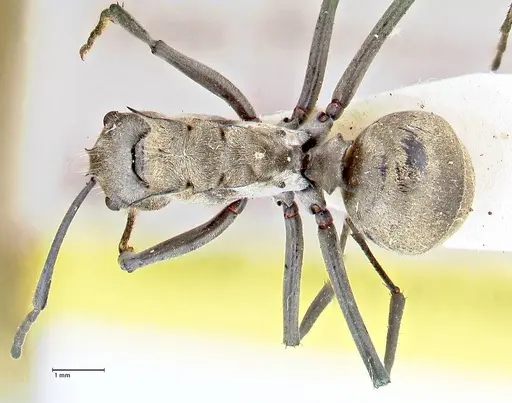
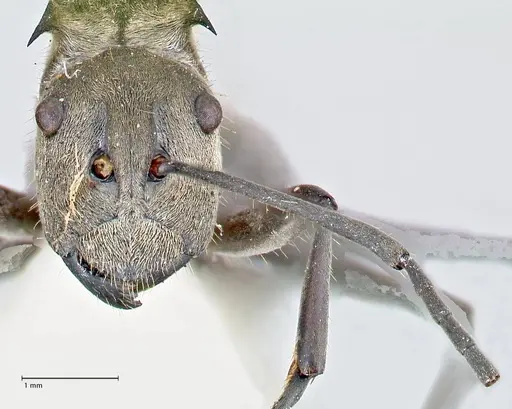
FOCOL2630
View on AntWeb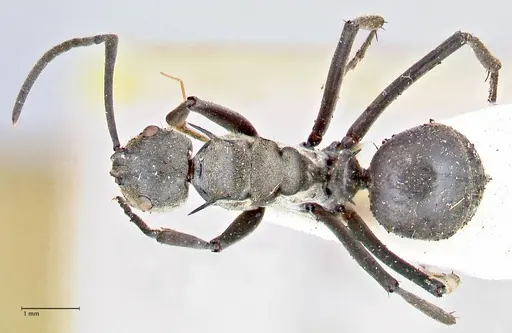
Literature
Loading distribution map...Loading products...