
Polyrhachis noesaensis
- Sci. Name
- Polyrhachis noesaensis
- Subgenus
- Myrma
- Tribe
- Camponotini
- Subfamily
- Formicinae
- Author
- Forel, 1915
- Distribution
- Found in 1 countries
Introduction
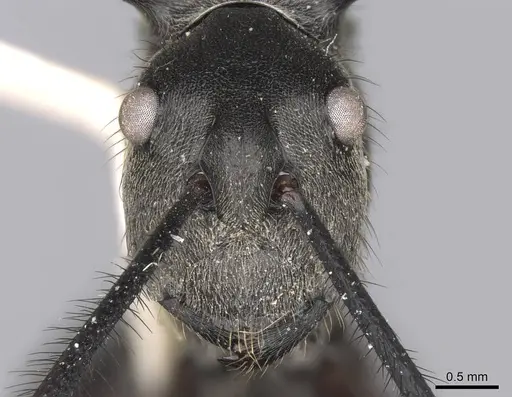
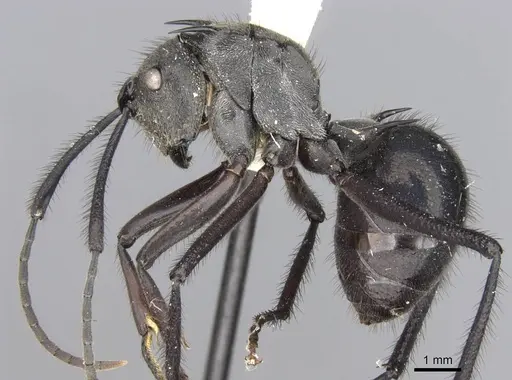
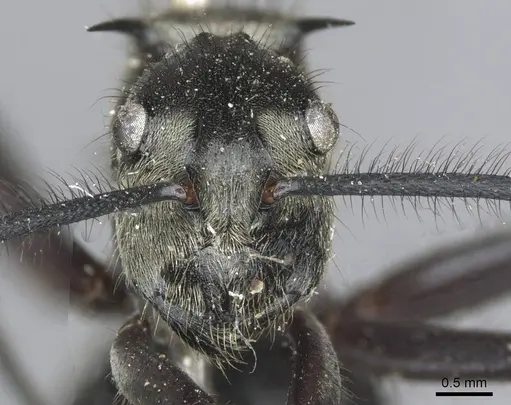
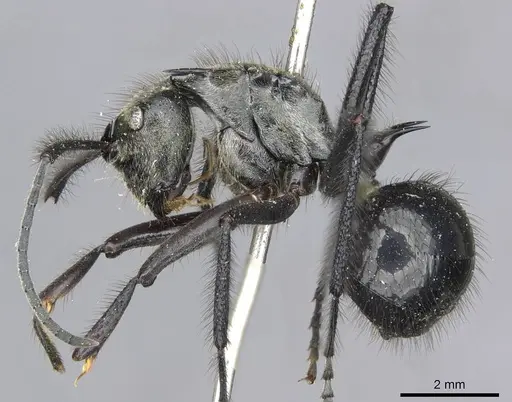
Polyrhachis noesaensis is a medium-sized ant in the subgenus Myrma, known for spines on the thorax. Workers are approximately 6-8mm, inferred from Polyrhachis genus patterns . It is native to the Indomalaya region, found in Borneo, Indonesia, Malaysia, and the Philippines, inhabiting tropical rainforest environments . The species was described by Forel in 1915 and elevated to species status by Kohout in 1998. Colonies in the wild average around 155 workers, with a maximum of 391 observed .
Quick Summary
- Difficulty: Medium
- Origin & Habitat: Tropical rainforest regions of Borneo, Indonesia, Malaysia, and the Philippines, recorded at Ginseng Camp, Agathis Camp, and Maliau Falls in the Maliau Basin Conservation Area [2][3].
- Colony Type: Unconfirmed, no specific data on queen number or social structure.
- Size & Growth:
- Queen: Size data unavailable, no total length measurements in research.
- Worker: Inferred from Polyrhachis genus (~6-8mm) [1].
- Colony: Up to 391 workers [4].
- Growth: Moderate, inferred from genus patterns.
- Development: Estimated 8-12 weeks [1]. (Development time is estimated from related species, specific timing for Polyrhachis noesaensis is unknown.)
- Antkeeping:
- Temperature: Keep warm, roughly 24-28°C, inferred from tropical origin [1].
- Humidity: Keep nest substrate consistently moist but not waterlogged, inferred from rainforest habitat [1].
- Diapause: No, tropical species do not require hibernation.
- Nesting: Prefer tight chambers, Y-tong (AAC) nests or naturalistic setups work well [1].
- Behavior: Workers are generally calm but will defend the nest if threatened. They can spray formic acid as a defense mechanism, typical of Formicinae. Escape prevention is important due to their moderate size, ensure secure lids and barriers.
- Common Issues: tropical humidity requirements mean mold can develop if ventilation is poor, balance airflow carefully., colonies may stress if temperatures drop below 22°C, keep them warm., wild-caught colonies may carry parasites, quarantine and observe new colonies., smaller colonies are vulnerable to stress during relocation, minimize disturbances.
Housing and Nest Setup
Polyrhachis noesaensis does well in a Y-tong (AAC) nest or a naturalistic setup. Since they come from tropical rainforest environments, they need consistent warmth and humidity. A test tube setup can work for founding colonies, but transfer to a proper nest once the colony reaches 20-30 workers. The nest should have chambers sized appropriately for their worker size of 6-8mm. Provide a water reservoir to maintain humidity, and consider adding a small outworld area where foragers can search for food. Some keepers use a combination of test tube for the nest chamber connected to a foraging area [1].
Feeding and Diet
Polyrhachis noesaensis is omnivorous. Offer sugar sources like sugar water or honey constantly for energy. Provide protein sources such as small insects (e.g., fruit flies, mealworms) 2-3 times per week. In the wild, they forage for honeydew and small arthropods [1].
Temperature and Humidity Management
As a tropical species, keep the nest area warm, roughly 24-28°C, with a slight gradient for self-regulation. Humidity should be maintained by keeping the nest substrate consistently moist but not waterlogged, using a water reservoir or light misting [1].
Behavior and Foraging
Workers are active foragers that search for food on the ground and vegetation. They are generally non-aggressive toward keepers but will defend the nest if threatened. Like other Formicinae, they can spray formic acid as a defense mechanism. Escape prevention is important due to their moderate size, ensure secure connections between nest and outworld [1].
Colony Growth and Development
Colonies in the wild have an average of 155 workers, with a maximum of 391 observed [4]. The founding queen likely seals herself in a claustral chamber, but this is unconfirmed. Development from egg to worker is estimated at 8-12 weeks based on related species [1]. Growth is moderate, colonies may take several months to reach 50 workers.
Seasonal Care
As a tropical species, Polyrhachis noesaensis does not require hibernation. Maintain consistent warm temperatures and humidity year-round. Avoid cooling periods that might simulate winter, as this can stress the colony [1].
Frequently Asked Questions
How long does it take for Polyrhachis noesaensis to produce first workers?
Based on related Polyrhachis species, expect 8-12 weeks from egg to first worker, estimated from genus patterns [1]. The queen likely raises the first brood alone, but specific founding behavior is unconfirmed.
What do Polyrhachis noesaensis ants eat?
They are omnivorous. Offer sugar water or honey constantly, and feed protein sources like small insects 2-3 times per week [1].
Are Polyrhachis noesaensis good for beginners?
They are rated as medium difficulty. They require tropical conditions (warmth and humidity) which may need additional equipment. If you can maintain 24-28°C with moist substrate, they are manageable for intermediate antkeepers.
How big do Polyrhachis noesaensis colonies get?
Based on field data, colonies can reach up to 391 workers [4]. This is moderate compared to some other ant species.
Do Polyrhachis noesaensis need hibernation?
No. As a tropical species from Borneo and the Philippines, they do not require hibernation. Keep them warm year-round.
Can I keep multiple queens together?
This species is likely monogyne, but no specific data exists. Combining unrelated queens is not recommended as they may fight.
What is the best nest type for Polyrhachis noesaensis?
A Y-tong (AAC) nest or a naturalistic setup works well. They prefer tight chambers scaled to their worker size. Ensure the nest can maintain humidity.
Why is my colony declining?
Common causes include temperatures below 22°C, humidity too low, mold from poor ventilation, or stress from excessive disturbance. Check that conditions match their tropical requirements.
Where is Polyrhachis noesaensis found in the wild?
They are native to the Indomalaya region, specifically Borneo, Indonesia, Malaysia, and the Philippines. They inhabit tropical rainforest environments and have been recorded in the Maliau Basin Conservation Area in Sabah, Borneo [2][3].
Report an Issue
The current care sheet is based fully on literature. See inconsistencies, or something that's incorrect? Please , it will be resolved after review from an admin. Contributing to the blogs tab also helps providing information, to make us be able to further improve the caresheets. Thank you for your support!
References

This caresheet is licensed under CC BY-SA 4.0 .
Community Blogs
CASENT0906818
View on AntWeb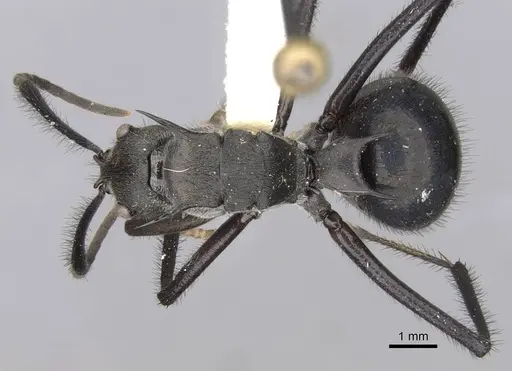
CASENT0910932
View on AntWeb
Literature
Loading distribution map...Loading products...