
Polyrhachis nigropilosa
- Sci. Name
- Polyrhachis nigropilosa
- Subgenus
- Myrma
- Tribe
- Camponotini
- Subfamily
- Formicinae
- Author
- Mayr, 1872
- Distribution
- Found in 3 countries
Introduction
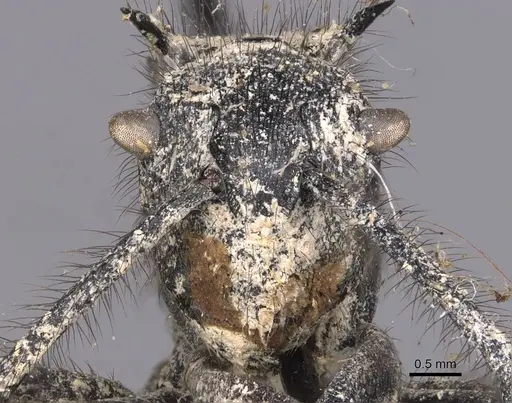
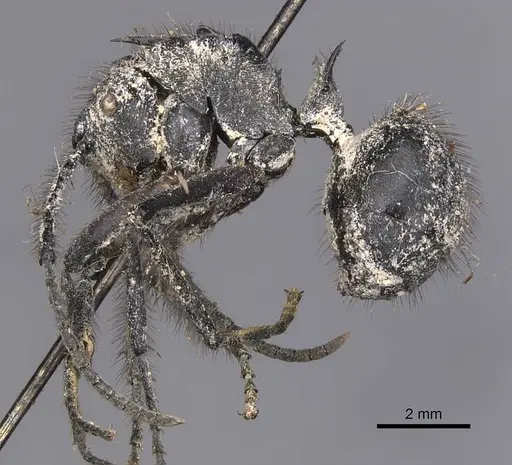
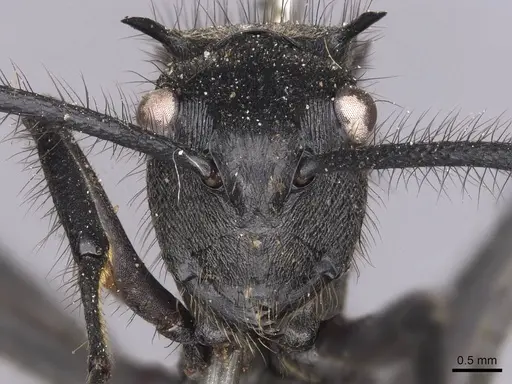
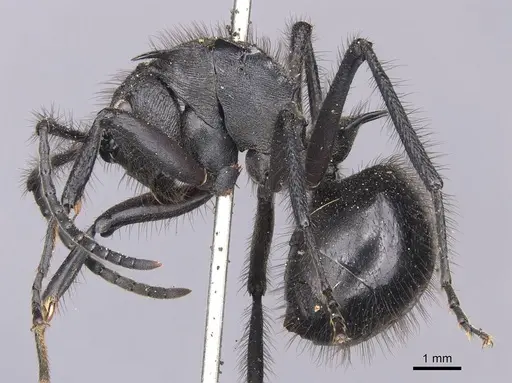
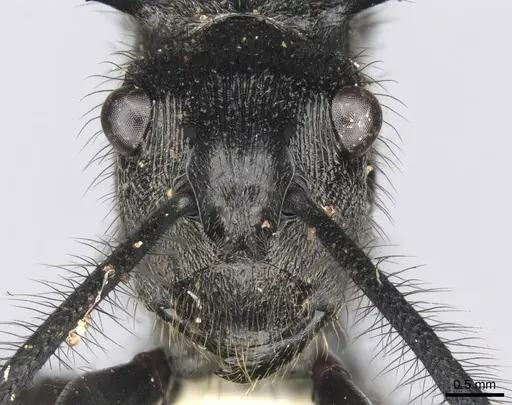
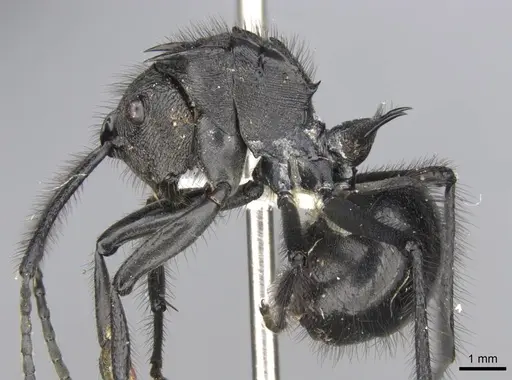
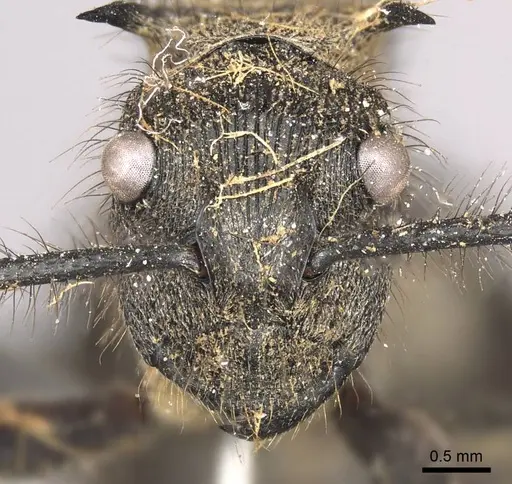
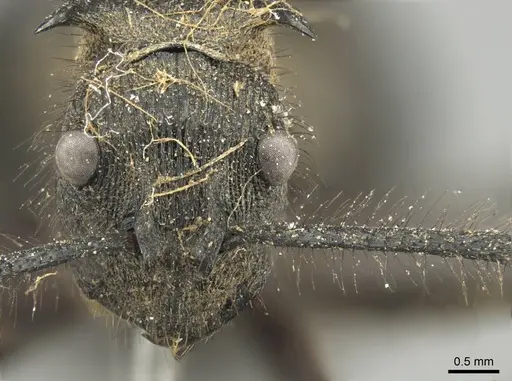
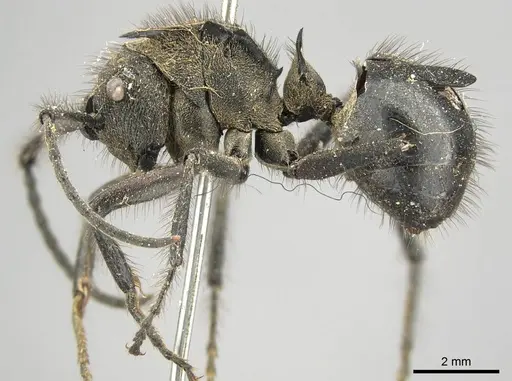
Polyrhachis nigropilosa is a medium-sized ant in the subgenus Myrma. Workers have hooked spines on the thorax, a dark body, and fine hairs. This species is native to Southeast Asia, found in Borneo, Peninsular Malaysia, Sulawesi, the Philippines, and Singapore . In the wild, they nest in rotting wood and terrestrial locations in tropical rainforests . This species is polydomous, meaning colonies maintain multiple connected nests within their territory . They forage using group recruitment and collect sugary sap and dead insects .
Quick Summary
- Difficulty: Medium
- Origin & Habitat: Tropical rainforests of Borneo, Peninsular Malaysia, Sulawesi, and the Philippines [1][2][3]. They are ground-dwelling ants that nest in rotting wood and terrestrial locations [5][6].
- Colony Type: Single-queen colonies (monogyne) that maintain multiple nests within their territory (polydomous) [5][6]. This means your colony may expand into additional nesting sites as it grows.
- Size & Growth:
- Queen: size data unavailable
- Worker: size data unavailable
- Colony: Colonies can reach several hundred workers
- Growth: Moderate
- Development: Estimated 6-8 weeks at optimal tropical temperatures (Development is likely similar to other tropical ant species, warm temperatures accelerate development)
- Antkeeping:
- Temperature: Keep warm, roughly 24-28°C, based on their tropical habitat [5]. Provide a gentle gradient if possible.
- Humidity: Keep the nest substrate consistently moist but not waterlogged, as they come from humid rainforests [5][6].
- Diapause: No, as a tropical species, they do not require hibernation [5].
- Nesting: Provide Y-tong, plaster, or soil nests with moisture retention. They prefer wood-based substrates and multiple chambers for polydomous behavior [5][6].
- Behavior: Workers are active foragers that use group recruitment to find food [7]. They are nocturnal on tree trunks [8]. They are not aggressive and lack a functional stinger, making them safe to handle. Escape risk is moderate due to their climbing ability.
- Common Issues: high humidity requirements can lead to mold if ventilation is poor., temperatures below 20°C can stress the colony., polydomous colonies may expand into multiple areas, requiring space., wild-caught colonies may carry parasites., foraging workers may escape if connections are not secure.
Nest Preferences and Housing
Polyrhachis nigropilosa naturally nests in rotting wood and terrestrial locations in humid forest environments [5][6]. For captive care, use a Y-tong, plaster, or soil nest with good moisture retention. The nest should have multiple chambers connected by tunnels to accommodate their polydomous behavior [5][6]. Keep the nest substrate consistently moist but not waterlogged. Since they are moderate climbers, ensure all connections are secure to prevent escapes.
Feeding and Diet
In the wild, these ants collect sugary sap from plants and dead insects [7]. For captive colonies, offer a varied diet including sugar water or honey as a constant energy source, and protein-rich foods like mealworms or crickets 2-3 times per week. They are opportunistic scavengers and will accept most protein sources. Remove uneaten prey after 24-48 hours to prevent mold.
Temperature and Seasonal Care
As a tropical species, Polyrhachis nigropilosa requires warm temperatures year-round. Maintain nest temperatures around 24-28°C for optimal brood development [5]. Room temperature may be sufficient if your home stays in this range, otherwise use a heating cable to create a gentle gradient. They do not require hibernation, keep them warm year-round. Avoid temperatures below 20°C as this can stress the colony.
Colony Structure and Growth
This species forms single-queen colonies (monogyne) but maintains multiple nests within their territory, this is called polydomous nesting [5][6]. In captivity, this means your colony may naturally want to expand into additional spaces as it grows. A queen can live for many years, and colonies can eventually reach several hundred workers. Growth is moderate, expect several months to a year before seeing significant worker numbers from a newly founded colony.
Behavior and Foraging
Workers forage both during the day and at night, with field observations showing particular activity on tree trunks after dark [8]. They use group recruitment to organize foraging efforts, when a worker finds food, she returns to the nest and leads other workers to the source [7]. They are not aggressive toward keepers and lack a painful sting, though they may bite if provoked. Their moderate size and active foraging make them engaging pets.
Frequently Asked Questions
Can I keep Polyrhachis nigropilosa in a test tube?
Test tubes can work for founding colonies but these ants will eventually need more space. Since they are polydomous, consider transitioning them to a nest with multiple chambers as the colony grows [5][6].
How long does it take for the first workers to appear?
Based on typical tropical ant patterns, expect 6-8 weeks from egg to first worker at optimal temperatures. The queen will remain sealed in her founding chamber while raising the first brood.
What temperature do they need?
Keep them warm at roughly 24-28°C. This is a tropical species that does not tolerate cool temperatures, avoid anything below 20°C [5].
Are Polyrhachis nigropilosa good for beginners?
They are intermediate-level ants due to their humidity and temperature requirements. If you have experience keeping tropical ants, you should do well with these.
Can I keep multiple queens together?
No. This species is monogyne, colonies have only one queen. Introducing multiple unrelated queens will result in fighting. Only keep one queen per colony [5].
How big do colonies get?
Colonies can reach several hundred workers. Their polydomous nature means they may use multiple nesting areas as they grow [5][6].
Do they need hibernation?
No. As a tropical species from Southeast Asia, they do not require hibernation. Keep them warm year-round [5].
What do they eat?
They are opportunistic omnivores. Offer sugar water or honey constantly, and protein sources like mealworms or crickets 2-3 times per week [7].
Why are my ants dying?
The most common causes are temperatures below 20°C, humidity that is too dry, or poor ventilation causing mold. Check that your setup maintains proper warmth and humidity levels [5].
Report an Issue
The current care sheet is based fully on literature. See inconsistencies, or something that's incorrect? Please , it will be resolved after review from an admin. Contributing to the blogs tab also helps providing information, to make us be able to further improve the caresheets. Thank you for your support!
References

This caresheet is licensed under CC BY-SA 4.0 .
Community Blogs
CASENT0905630
View on AntWeb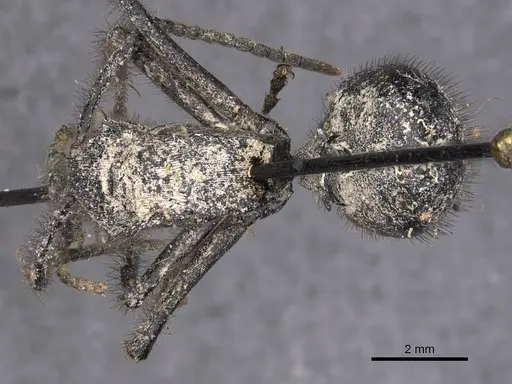
CASENT0905819
View on AntWeb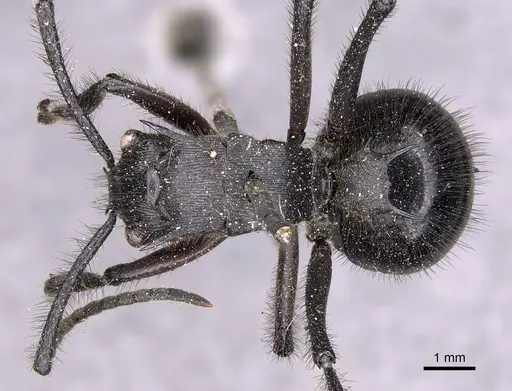
CASENT0906816
View on AntWeb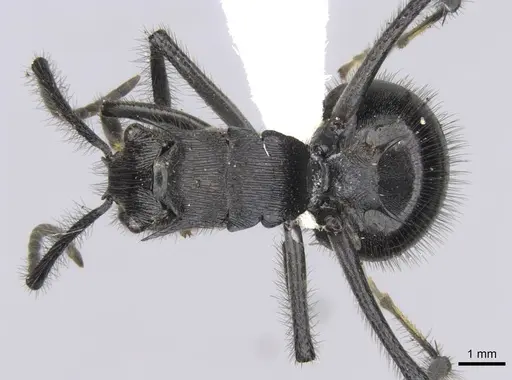
CASENT0915822
View on AntWeb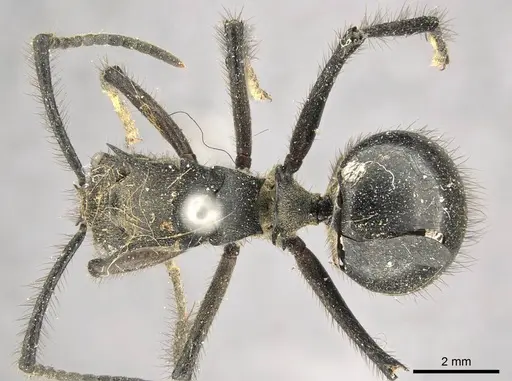
Literature
Loading distribution map...Loading products...