Polyrhachis mucronata shows a January to December activity window. Peak activity occurs in October, with queen sightings distributed across 8 months. This extended season suggests multiple flight events or varying conditions across its range.

Polyrhachis mucronata
- Sci. Name
- Polyrhachis mucronata
- Subgenus
- Myrmhopla
- Tribe
- Camponotini
- Subfamily
- Formicinae
- Author
- Smith, 1859
- Distribution
- Found in 9 countries
- Queen Activity
- From January to December
- Peak Time
- 23:00
AI Identifiable
try →
Introduction
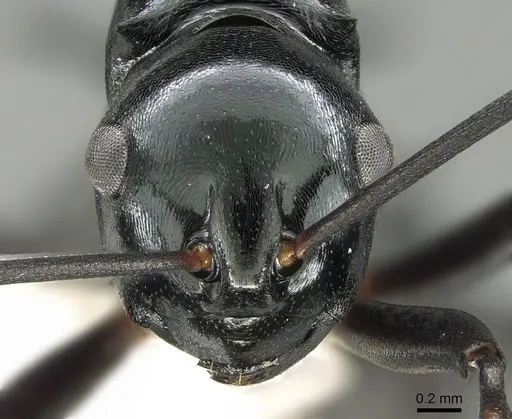
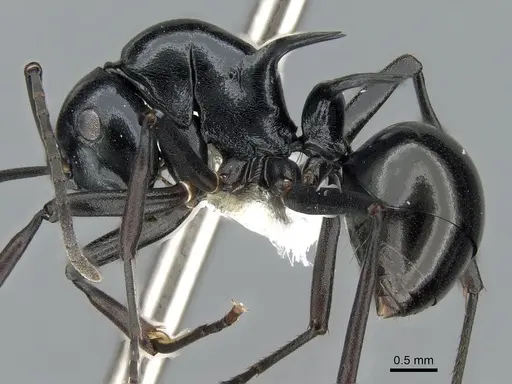
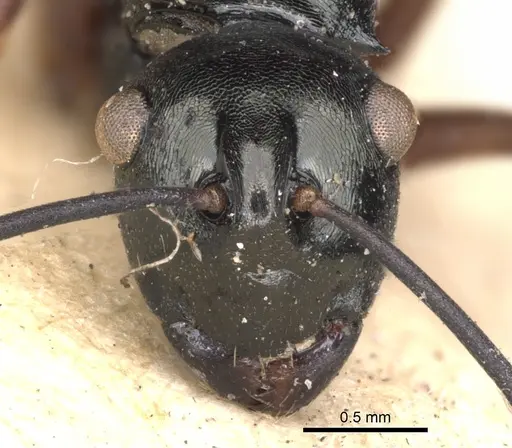
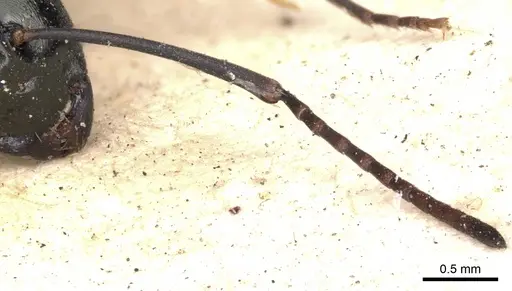
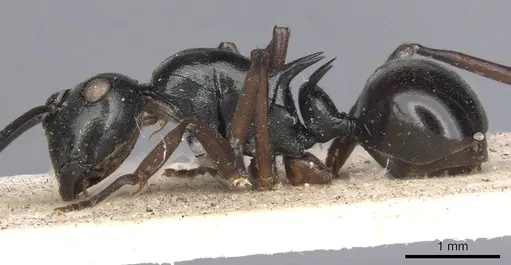
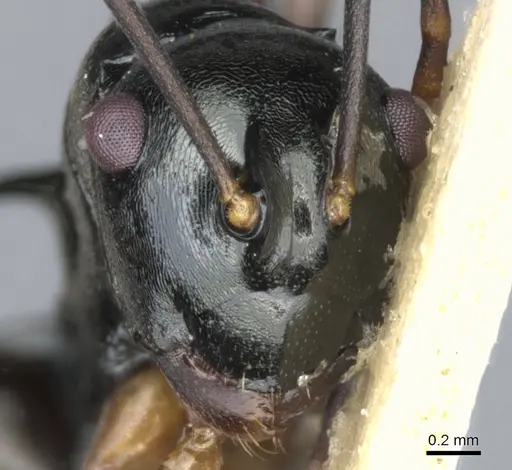
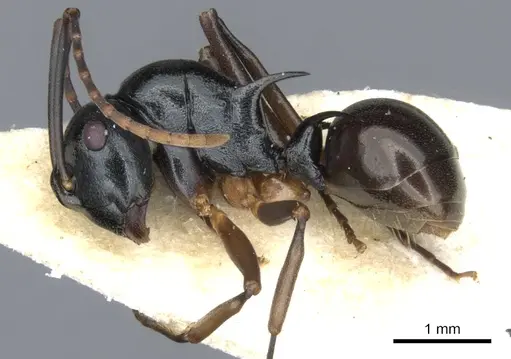
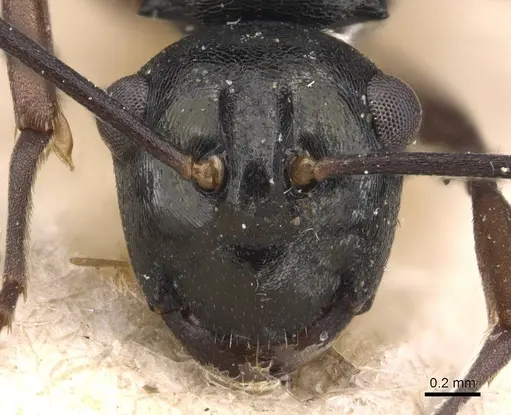
Polyrhachis mucronata is a medium-sized arboreal ant found in Southeast Asia and northern Australia. Workers measure 5.34-6.50 mm and queens 6.95-7.81 mm, with a polished black body and reddish-brown legs . They inhabit monsoon and lowland rainforests, ranging from eastern Indonesia and New Guinea to northern Queensland . This species is notable for its silk-weaving behavior, where workers use larval silk to attach leaves and create protective nests on tree foliage .
Quick Summary
- Difficulty: Medium
- Origin & Habitat: Native to Southeast Asia and northern Australia, including eastern Indonesia, New Guinea, and northern Queensland. Found in monsoon rainforests of Cape York Peninsula and lowland rainforests of the Wet Tropics [1].
- Colony Type: Monogyne, colonies have a single queen and do not have multiple nests per colony [2].
- Size & Growth:
- Queen: 6.95-7.81 mm [1]
- Worker: 5.34-6.50 mm [1]
- Colony: Unknown, no specific data available
- Growth: Moderate, inferred from related Polyrhachis species
- Development: Estimated 6-10 weeks at optimal temperature based on genus patterns (Pupae are enclosed in cocoons [2]. Direct development data is unavailable for this species.)
- Antkeeping:
- Temperature: Keep warm, roughly 24-28°C, based on tropical rainforest habitat. Provide a gentle gradient with a heat source on one side.
- Humidity: Keep nest substrate consistently moist but not waterlogged, with good ventilation to prevent mold.
- Diapause: No, tropical species do not require hibernation.
- Nesting: Arboreal specialists, provide vertical space and surfaces for silk attachment, such as Y-tong nests or naturalistic setups with plant material [1][2][3].
- Behavior: Generally calm and non-aggressive. Workers are active climbers and foragers, spending time on vegetation. Escape risk is moderate due to their medium size and agility. They may be more active at night in captivity.
- Common Issues: high humidity requirements can lead to mold if ventilation is poor, balance humidity with airflow, arboreal nature means they may not use horizontal test tube setups, provide climbing structures, tropical species will decline if temperatures drop below 22°C for extended periods, silk-weaving behavior requires rough surfaces or plant material to attach nests, smooth surfaces alone may not be ideal, wild-caught colonies may be stressed from arboreal collection and require careful acclimation
Queen Ant Activity Analysis 123 observations
Queen Activity by Hour 123 observations
Polyrhachis mucronata queen activity peaks around 23:00 during the night. Activity is spread across a 24-hour window (00:00–23:00). A secondary activity peak occurs around 20:00. Times may be influenced by human observation patterns.
Nest Preferences and Housing
Polyrhachis mucronata is an arboreal species that builds silk-woven nests on leaves in the wild [1][2][3]. In captivity, provide vertical space and rough surfaces for silk attachment, such as Y-tong nests or naturalistic setups with plant material. Avoid smooth horizontal test tubes, as these ants prefer to climb and weave structures.
Feeding and Diet
These ants are omnivorous, feeding on sweet liquids and protein. Offer sugar water or honey constantly, and protein sources like small insects every few days. Remove uneaten prey to prevent mold.
Temperature and Humidity Requirements
Maintain warm conditions around 24-28°C year-round, with a gentle heat gradient. Humidity should be kept high but with good ventilation to avoid mold, keep nest substrate moist but not waterlogged.
Colony Structure and Development
Colonies are monogyne with a single queen [2]. Pupae are enclosed in cocoons [2]. Colony growth is moderate, with first workers appearing after several months under optimal conditions.
Behavior and Temperament
Workers are calm and active climbers, not aggressive. They exhibit silk-weaving behavior for nest construction, which is a key adaptation for arboreal living [1][3].
Frequently Asked Questions
Can I keep Polyrhachis mucronata in a test tube?
Standard test tubes are not ideal. They are arboreal ants that prefer vertical setups with climbing surfaces. Provide a Y-tong nest or similar with rough materials for silk attachment [1][2].
How long does it take for first workers to appear?
Based on related species, estimated 6-10 weeks at optimal temperature, but this is inferred and not specific to P. mucronata.
Do Polyrhachis mucronata ants need hibernation?
No, as tropical ants, they do not require hibernation and should be kept warm year-round.
Are Polyrhachis mucronata good for beginners?
They are intermediate-level due to specific arboreal and humidity requirements. Experience with tropical species is recommended.
What do Polyrhachis mucronata eat?
They are omnivorous, accepting sugar water, honey, and small insects like fruit flies or crickets.
How big do Polyrhachis mucronata colonies get?
Colony size is unknown, as no specific data is available.
Can I keep multiple queens together?
No, this species is monogyne with a single queen per colony [2].
When should I move them to a formicarium?
Move once the colony has around 20-30 workers and the queen is laying consistently, using a setup that allows vertical climbing.
Why is my Polyrhachis mucronata not weaving silk?
Silk weaving typically occurs when workers are present and the colony feels settled. Provide appropriate materials like rough surfaces or plant material.
When do Polyrhachis mucronata queens forage?
Queen activity of Polyrhachis mucronata typically occurs From January to December. Times may be influenced by human observation patterns.
What time of day are Polyrhachis mucronata queens most active?
Queen activity of Polyrhachis mucronata peaks around 23:00 during the night, with most activity between 00:00 and 23:00. Times may be influenced by human observation patterns.
Report an Issue
The current care sheet is based fully on literature. See inconsistencies, or something that's incorrect? Please , it will be resolved after review from an admin. Contributing to the blogs tab also helps providing information, to make us be able to further improve the caresheets. Thank you for your support!
References

This caresheet is licensed under CC BY-SA 4.0 .
Community Blogs
CASENT0281403
View on AntWeb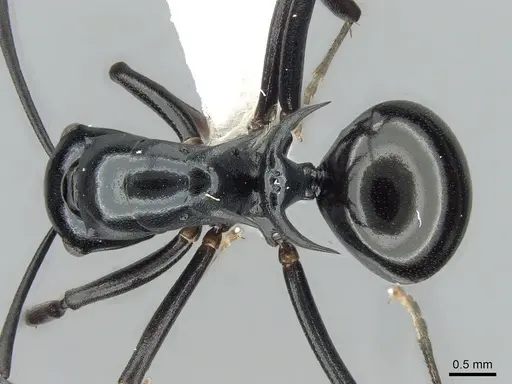
CASENT0901806
View on AntWeb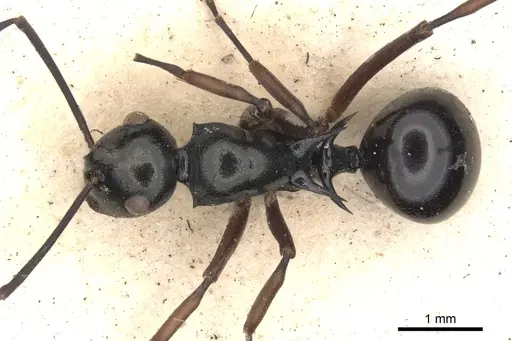
CASENT0903379
View on AntWeb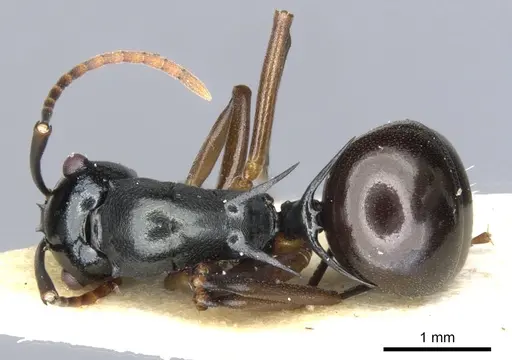
CASENT0905638
View on AntWeb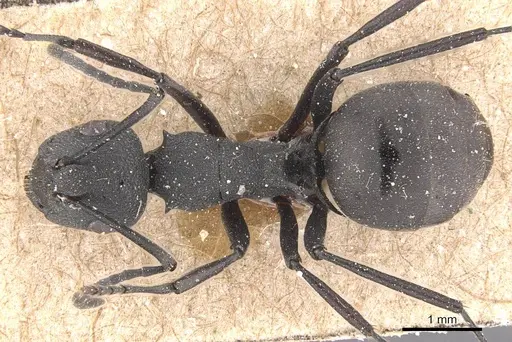
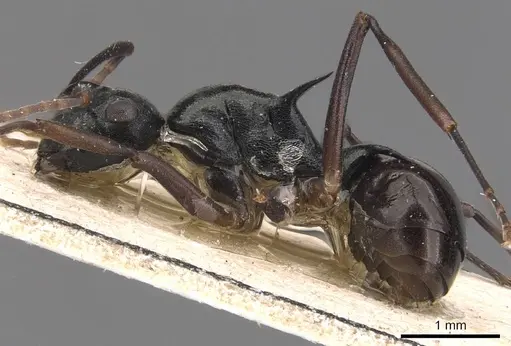
CASENT0906770
View on AntWeb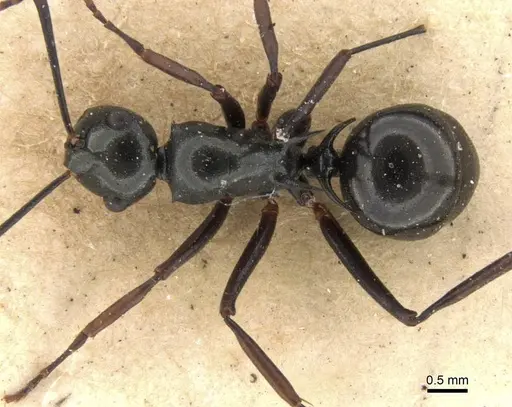
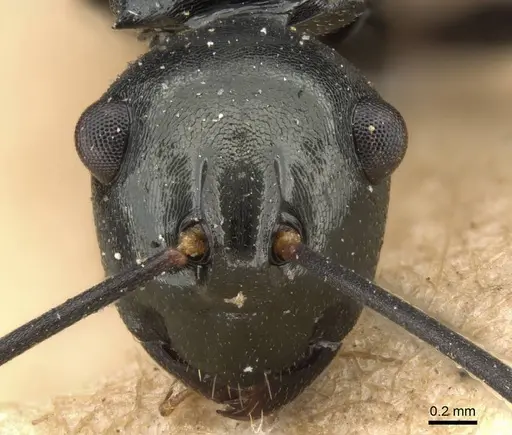
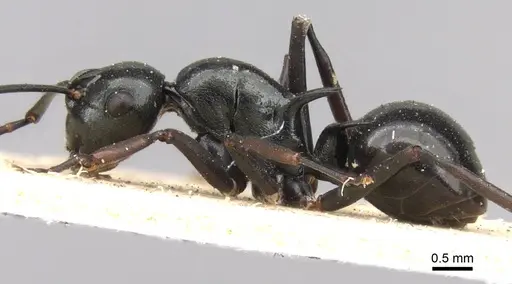
CASTYPE06934
View on AntWeb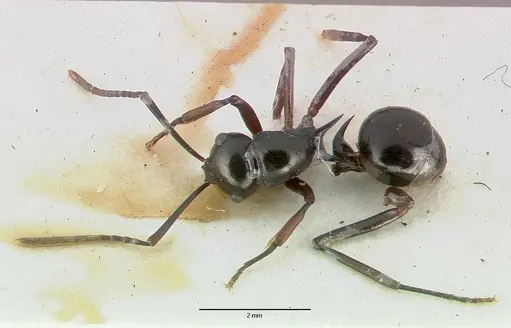
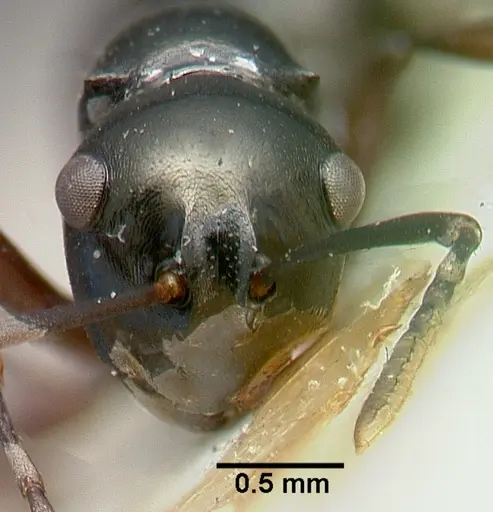
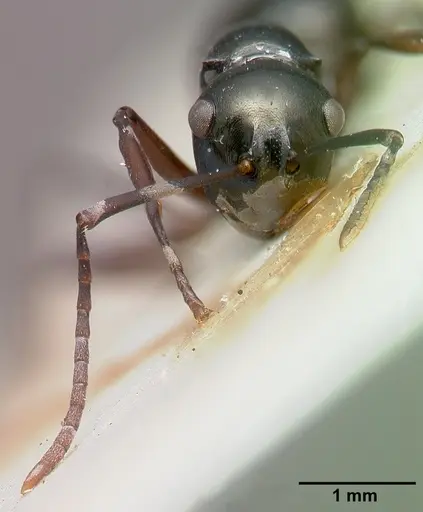
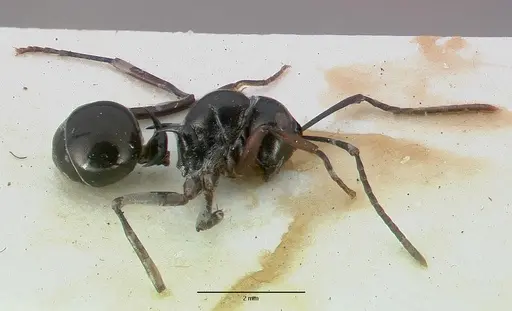
Literature
Loading distribution map...Loading products...