
Polyrhachis mindanaensis
- Sci. Name
- Polyrhachis mindanaensis
- Tribe
- Camponotini
- Subfamily
- Formicinae
- Author
- Emery, 1923
- Distribution
- Found in 1 countries
Introduction
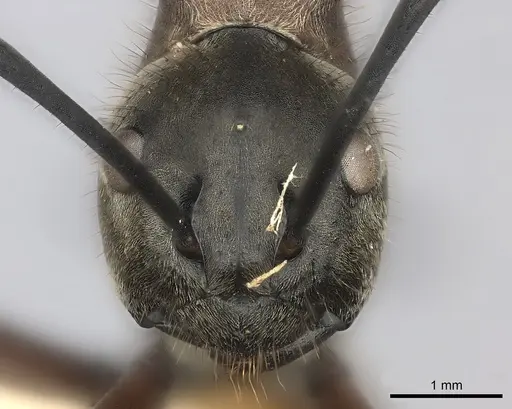
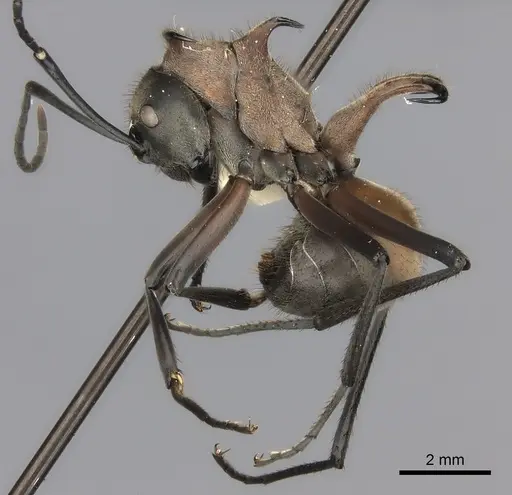
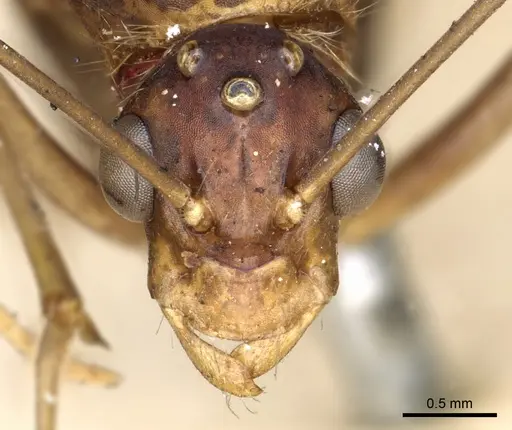
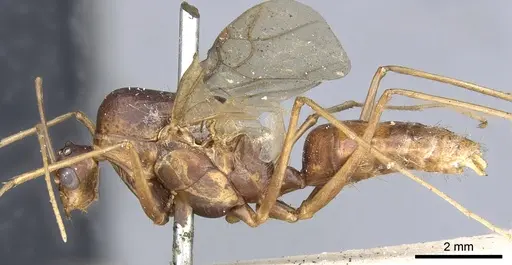
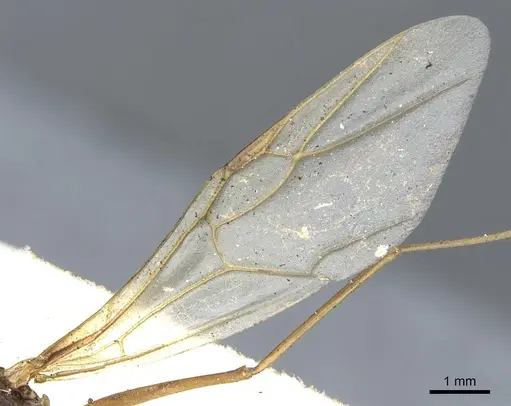
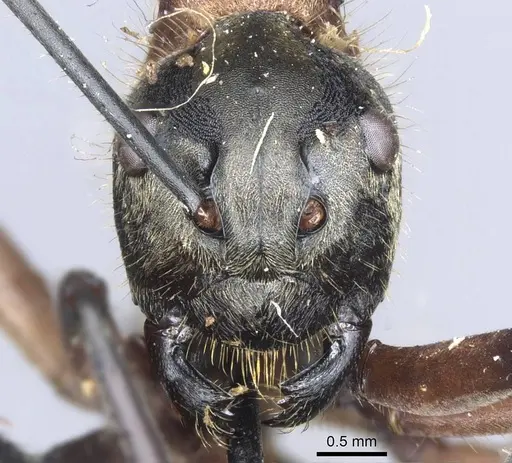
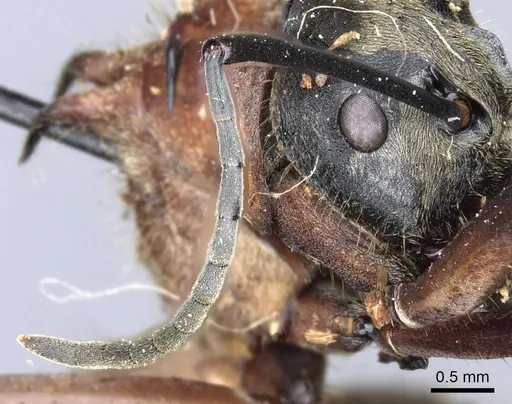
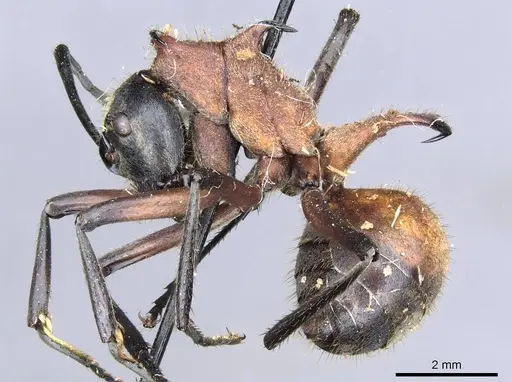
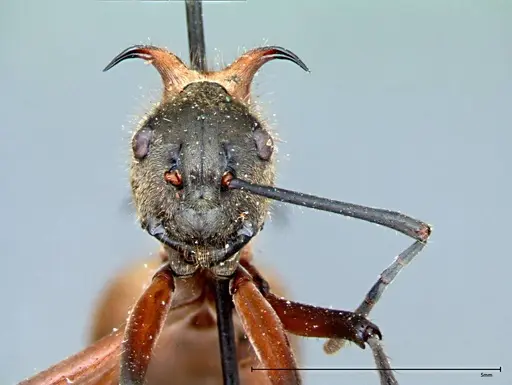
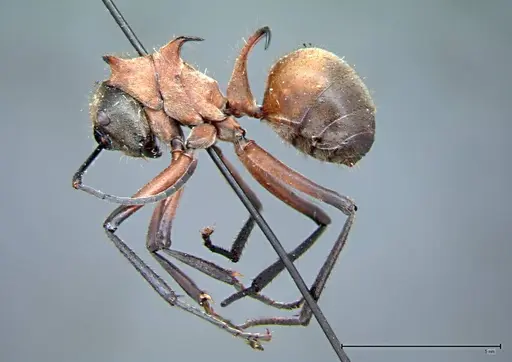
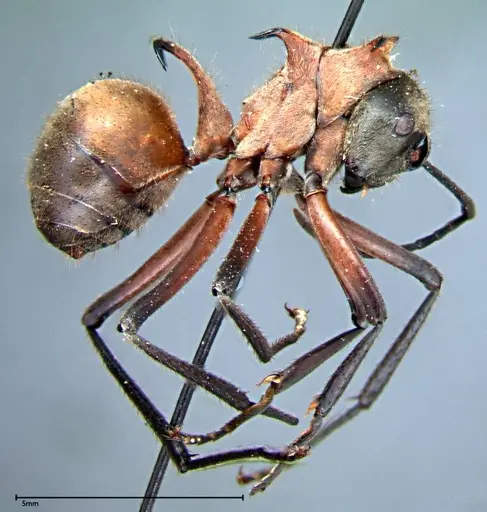
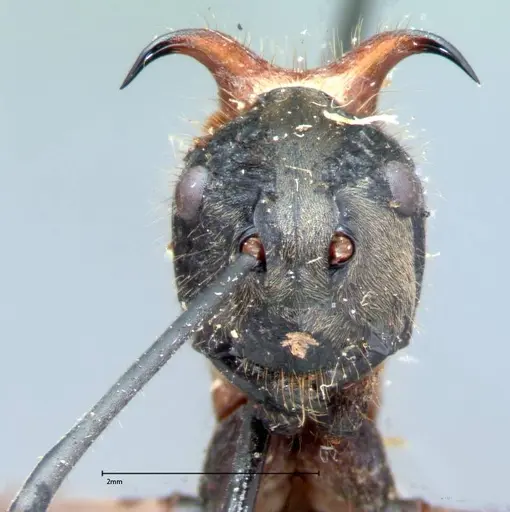
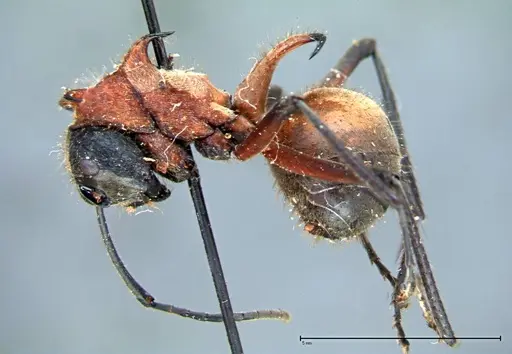
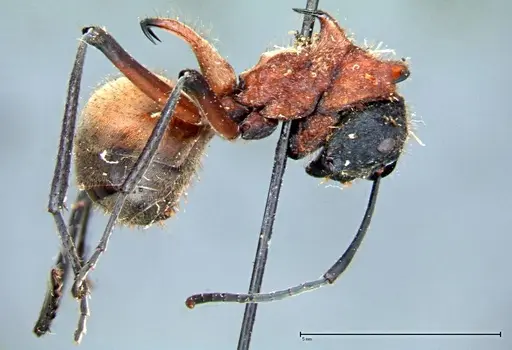
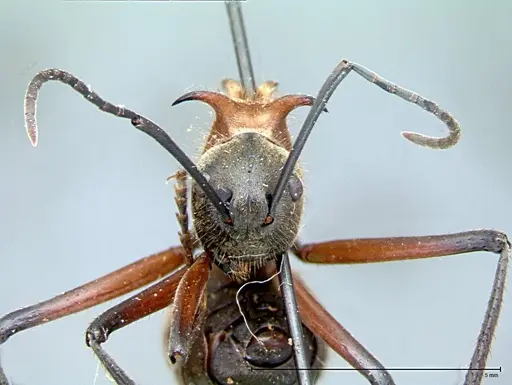
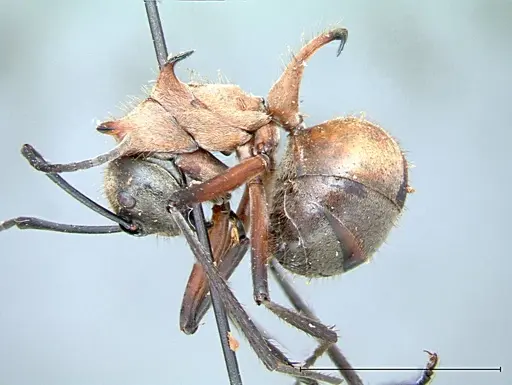
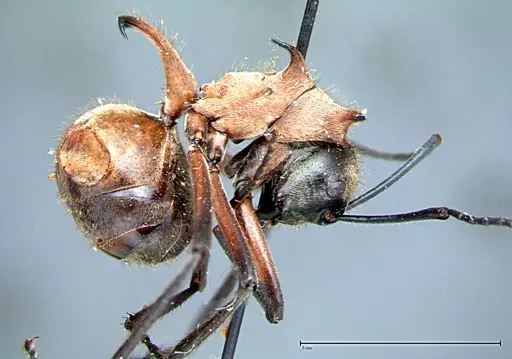
Polyrhachis mindanaensis is a large ant endemic to the Philippines, found across nine islands including Luzon, Mindanao, and Palawan . Workers measure 10.94-12.10 mm in total length, with a dull black body, widely divergent petiolar spines, and abundant golden hairs on the upper side . Queens are slightly larger at about 13.91 mm . The species was originally described as a variety of Polyrhachis ypsilon and later raised to species level - it’s considered a morphological intermediate between Polyrhachis bihamata and Polyrhachis ypsilon, with most features closer to the former . As a Formicinae ant, it defends itself by spraying formic acid (not stinging), making it safe to handle with care. Males and immature stages have not been described .
Quick Summary
- Difficulty: Medium
- Origin & Habitat: Endemic to the Philippines: Batan, Leyte, Luzon, Mindoro, Mindanao, Negros, Palawan, Panay, Samar [1]. Natural habitat not documented, but Polyrhachis species often nest in rotting wood or under bark in forested areas.
- Colony Type: Unknown, no published data on colony structure. Most Polyrhachis are monogyne, but this has not been confirmed for this species.
- Size & Growth:
- Antkeeping:
- Temperature: Likely 24-28 °C, based on tropical origin. Keep stable and avoid drops below 22 °C for extended periods.
- Humidity: Keep the nest substrate consistently moist but not waterlogged. Provide a water source (test tube or water tube) for drinking. Good ventilation is important to prevent mold.
- Diapause: No, tropical species from the Philippines do not require hibernation. Maintain warm conditions year-round.
- Nesting: Y‑tong (AAC) nests are suitable for their size. Naturalistic setups with rotting wood or cork bark may also work. Avoid dry nests.
- Behavior: Generally calm and non‑aggressive. Defends by spraying formic acid when threatened. Escape risk is moderate due to size, standard barriers (fluon or oil) work well.
- Common Issues: tropical species may decline in cool rooms, consistent warmth is critical, formic acid spray can irritate skin, handle gently and wash if exposed, high humidity needs can lead to mold problems if ventilation is inadequate, limited availability, wild queens are rarely exported, and captive breeding is not established
Housing and Nest Setup
Use a Y‑tong (AAC) nest or a naturalistic setup with rotting wood or cork bark. Because we don’t have data on natural nesting, the best approach is to offer a moist nest with several chambers. A water tube attached to the nest provides drinking water and helps maintain humidity. Keep the outworld dry. Escape prevention is needed, though not tiny, they can squeeze through small gaps. Avoid acrylic nests, Y‑tong, plaster, or 3D‑printed nests are better suited to their humidity needs.
Temperature and Heating
These ants come from the tropical Philippines, so they need warmth. Aim for 24-28 °C, with a gentle gradient created by a heating cable on one side of the nest. Avoid temperatures below 22 °C for long periods. Stability is important, sudden drops can stress the colony. No winter cooling is needed. [1]
Feeding and Diet
Offer protein sources (small crickets, mealworms, roaches) 2-3 times per week. Constant access to sugar water or honey water is recommended. Remove uneaten protein after 24-48 hours to prevent mold. Fresh fruit is occasionally taken. Polyphagous, like most Polyrhachis. [2]
Humidity Requirements
Keep the nest substrate consistently moist but not waterlogged. Provide a water source such as a test tube or water tube. Good ventilation prevents mold. If the nest surface dries out, rehydrate gently. Avoid creating standing water. [1]
Defense and Handling
As a Formicinae ant, Polyrhachis mindanaensis defends by spraying formic acid from the tip of the gaster. It cannot sting. The acid can irritate skin and eyes, so handle gently and wash any affected areas with soap and water. These ants are not especially aggressive but will spray if the nest is disturbed. Work slowly to avoid triggering a mass response. [2]
Colony Development
No published data exists on colony founding or development for this species. Queens are about 13.91 mm, workers 10.94-12.10 mm [1]. Males and immature stages are undescribed [2]. Keepers must rely on general Polyrhachis care and observe carefully. Expect slow initial growth if founding, but exact timelines are unknown.
Frequently Asked Questions
Can I keep Polyrhachis mindanaensis in a test tube?
You can try for founding, but because humidity needs are high, a test tube may dry out quickly. If using a test tube, wrap it in damp paper towels and check moisture often. Once you have workers, move to a proper nest (Y‑tong or naturalistic).
How long does it take for the first workers to emerge?
This is not documented for this species. Based on related Polyrhachis and warm conditions, development from egg to worker might take 6-10 weeks, but this is a rough estimate. Be patient.
What temperature do they need?
Keep them at 24-28 °C. These are tropical ants from the Philippines, so consistent warmth is essential. Use a heating cable but avoid overheating above 30 °C.
Are Polyrhachis mindanaensis good for beginners?
They are rated medium difficulty. The main challenge is maintaining high humidity and warmth without causing mold. If you can provide stable tropical conditions, they are rewarding, but not the easiest first species.
Do they need hibernation?
No, they come from the tropics and do not require a winter diapause. Keep warm year‑round.
How big do colonies get?
Colony size is unknown. Related Polyrhachis can reach hundreds to a few thousand workers, but there is no data for this species.
Can I keep multiple queens together?
There is no information on polygyny in this species. Most Polyrhachis are monogyne, so it is safest to house queens separately unless you observe otherwise.
What do they eat?
Offer small insects (crickets, mealworms) for protein 2-3 times per week, and constant access to sugar water or honey water. Remove uneaten protein after 24 hours.
Where are they found in the wild?
Endemic to the Philippines on nine islands: Batan, Leyte, Luzon, Mindoro, Mindanao, Negros, Palawan, Panay, Samar [1]. They are not found elsewhere.
Why are my ants dying?
Most likely causes: temperatures too low (below 22 °C), low humidity, or mold from poor ventilation. Check conditions and ensure a clean water source. Also verify they are getting enough protein.
When should I move them to a formicarium?
Move from a test tube to a formicarium once you have 10-20 workers. Use a Y‑tong or naturalistic nest. Make sure the new nest has high humidity at first to ease the transition.
Report an Issue
The current care sheet is based fully on literature. See inconsistencies, or something that's incorrect? Please , it will be resolved after review from an admin. Contributing to the blogs tab also helps providing information, to make us be able to further improve the caresheets. Thank you for your support!
References

This caresheet is licensed under CC BY-SA 4.0 .
Community Blogs
CASENT0217783
View on AntWeb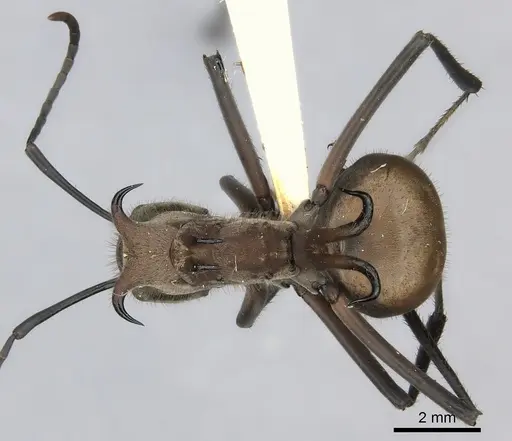
CASENT0903294
View on AntWeb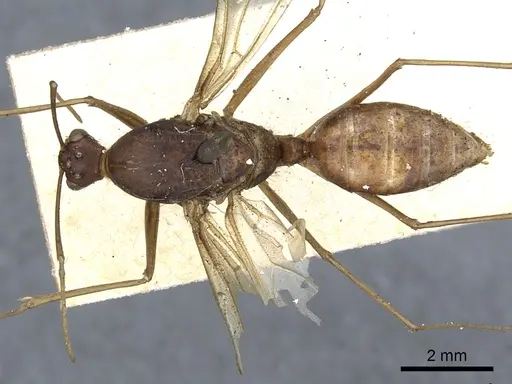
CASENT0905549
View on AntWeb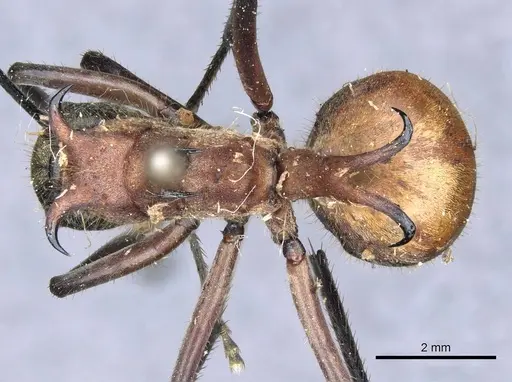
FOCOL0079
View on AntWeb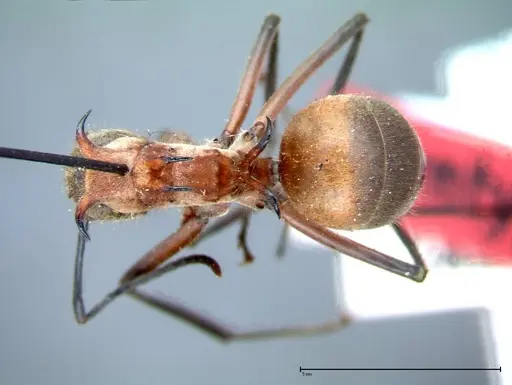
FOCOL0080
View on AntWeb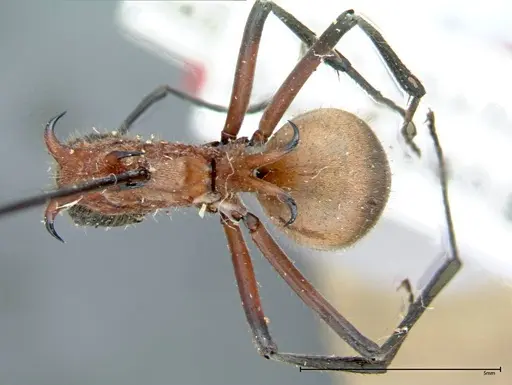
FOCOL0081
View on AntWeb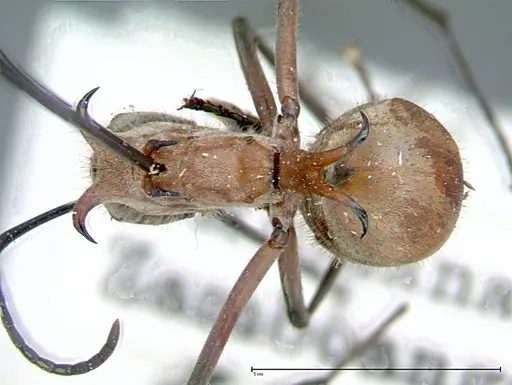
Literature
Loading distribution map...Loading products...