
Polyrhachis marginata
- Sci. Name
- Polyrhachis marginata
- Subgenus
- Chariomyrma
- Tribe
- Camponotini
- Subfamily
- Formicinae
- Author
- Smith, 1859
- Distribution
- Found in 1 countries
Introduction
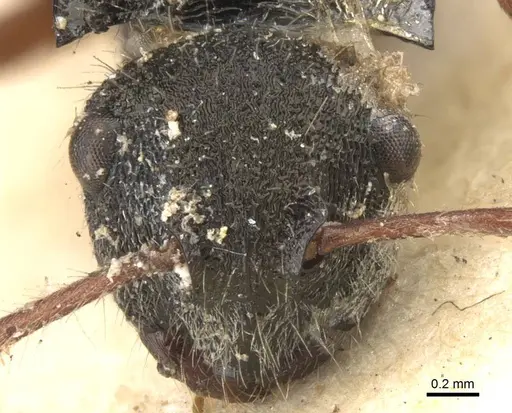
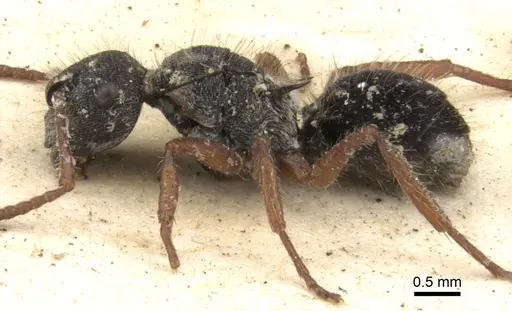
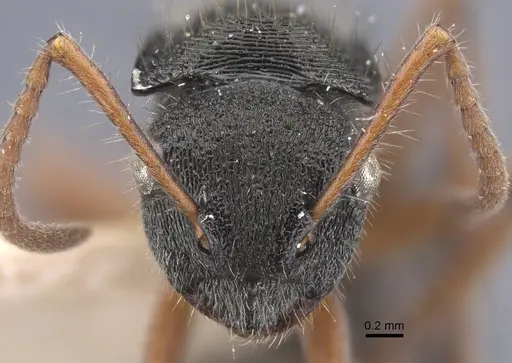
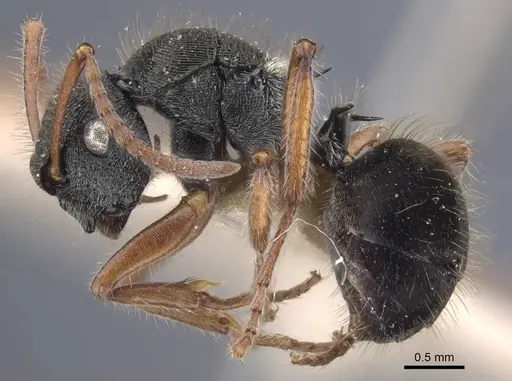
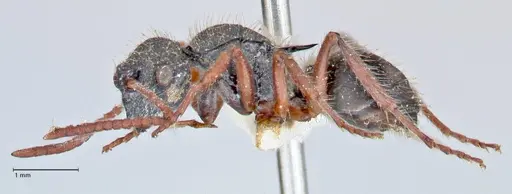
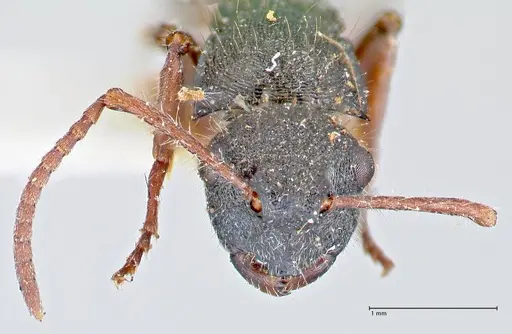
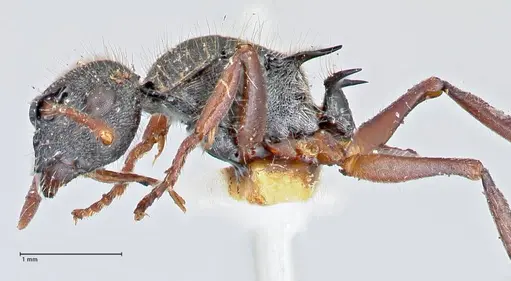
Polyrhachis marginata is a medium-sized ant native to New Guinea, Indonesia, and the Philippines . Workers are dark in color with spiny projections on the thorax, a characteristic of the Polyrhachis genus . This species was described in 1859 and is part of a genus with over 500 species, many of which are arboreal or nest in elevated locations .
Quick Summary
- Difficulty: Medium
- Origin & Habitat: Native to New Guinea, Indonesia (including Aru Islands, Bachian, Halmahera, Batjan, Wigeo), and the Philippines [1][2][3]. Likely found in forested tropical lowland areas.
- Colony Type: Colony structure is unconfirmed. Polyrhachis species are typically monogyne (single queen per colony), but no specific data exists for this species.
- Size & Growth:
- Queen: Size data unavailable, no total length measurements provided. Inferred from Polyrhachis genus, queens are around 10-14 mm [3].
- Worker: Size data unavailable, no total length measurements provided. Inferred from Polyrhachis genus, workers are around 6-9 mm [3].
- Colony: Estimated up to several hundred workers, inferred from typical Polyrhachis colony sizes [3].
- Growth: Moderate, inferred from tropical Formicinae patterns.
- Development: Estimated 6-8 weeks at 25-28°C, inferred from related Formicinae species [3]. (Development timeline is estimated, specific data for P. marginata is not available.)
- Antkeeping:
- Temperature: Keep warm, roughly 24-28°C, as a tropical species. Avoid temperatures below 20°C.
- Humidity: Keep nest substrate consistently moist but not waterlogged.
- Diapause: No, tropical species do not require hibernation.
- Nesting: Use nests that retain humidity, such as Y-tong (AAC), plaster, or soil nests [3]. Polyrhachis often prefer elevated or enclosed spaces.
- Behavior: Workers are generally docile and not aggressive toward keepers. They are moderate foragers and climb smooth surfaces reasonably well. Standard escape prevention is needed due to their size. As Formicine ants, they lack a sting and use formic acid spray for defense.
- Common Issues: cold temperatures below 20°C can slow or stop brood development, humidity loss can be fatal, especially during founding, limited availability in the antkeeping hobby may make established colonies hard to find, specific dietary preferences are unknown, start with standard ant foods and observe, wild-caught colonies may carry parasites or diseases
Housing and Nest Setup
Polyrhachis marginata does well in nests that hold humidity while providing ventilation. Use a Y-tong (AAC) nest, plaster nest, or a moist naturalistic setup [3]. Since this is a tropical species, keep the nest away from cold drafts. Provide a water tube for humidity and drinking. The outworld can be a simple plastic container with smooth walls. Use Fluon on rim edges for escape prevention.
Feeding and Diet
Polyrhachis species are generalist foragers, collecting honeydew and hunting small invertebrates [3]. For captive colonies, offer sugar water or honey water constantly, and protein sources like small insects every 2-3 days. Remove uneaten prey after 24-48 hours to prevent mold.
Temperature and Seasonal Care
As a tropical species, Polyrhachis marginata requires warm temperatures year-round. Keep the nest area at 24-28°C for optimal brood development. Temperatures below 20°C can slow development significantly. No winter diapause is needed.
Colony Founding and Growth
Queen founding behavior is unconfirmed for this species. Based on typical Formicinae patterns, queens may seal themselves in a chamber to raise the first brood alone. The first workers (nanitics) emerge in about 6-8 weeks under warm conditions. Growth is moderate, with colonies reaching several hundred workers over time.
Behavior and Temperament
Workers are docile and calm, not posing significant danger to keepers. They are moderately active and establish foraging trails. The genus name Polyrhachis means 'many-spined' due to thoracic spines [3]. They are primarily diurnal and use formic acid spray for defense.
Frequently Asked Questions
How long does it take for Polyrhachis marginata to produce first workers?
Estimated 6-8 weeks at 25-28°C, based on inferred development from related Formicinae species [3].
What temperature do Polyrhachis marginata ants need?
Keep them at 24-28°C, as a tropical species from New Guinea and Indonesia.
Can I keep Polyrhachis marginata in a test tube?
Test tubes can work for founding, but move to a proper nest once the colony grows, as they need more space and humidity control.
What do Polyrhachis marginata ants eat?
They are generalists, offer sugar water constantly and protein like small insects every 2-3 days [3].
Do Polyrhachis marginata ants need hibernation?
No, as a tropical species, they do not require hibernation.
How big do Polyrhachis marginata colonies get?
Estimated up to several hundred workers, inferred from typical Polyrhachis colonies [3].
Is Polyrhachis marginata good for beginners?
Rated Medium difficulty due to warmth and humidity needs, and limited availability in the hobby.
When should I move Polyrhachis marginata to a formicarium?
Move from test tube once the colony reaches 20-30 workers or when cramped, using a Y-tong or plaster nest.
How do I set up humidity for Polyrhachis marginata?
Keep nest substrate moist but not waterlogged, with a water tube for constant access [3].
Report an Issue
The current care sheet is based fully on literature. See inconsistencies, or something that's incorrect? Please , it will be resolved after review from an admin. Contributing to the blogs tab also helps providing information, to make us be able to further improve the caresheets. Thank you for your support!
References

This caresheet is licensed under CC BY-SA 4.0 .
Community Blogs
CASENT0901802
View on AntWeb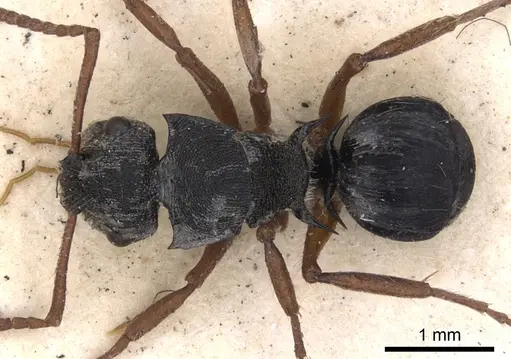
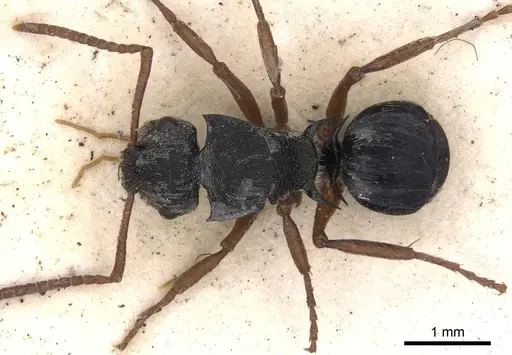
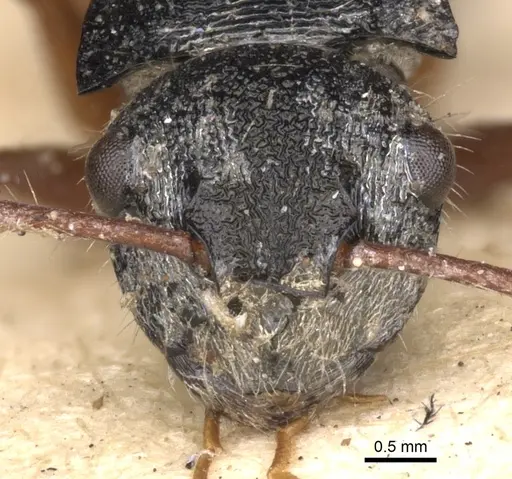
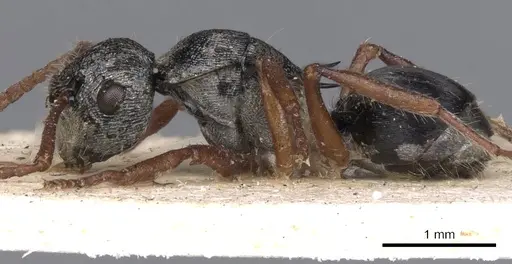
CASENT0906742
View on AntWeb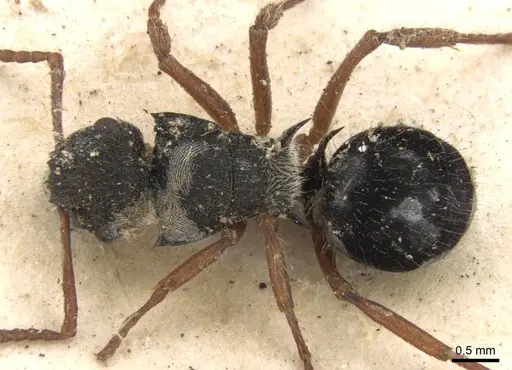
CASENT0912097
View on AntWeb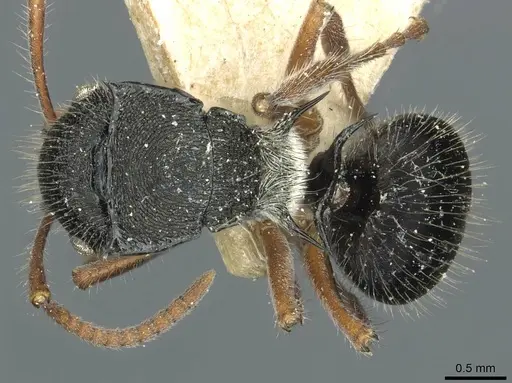
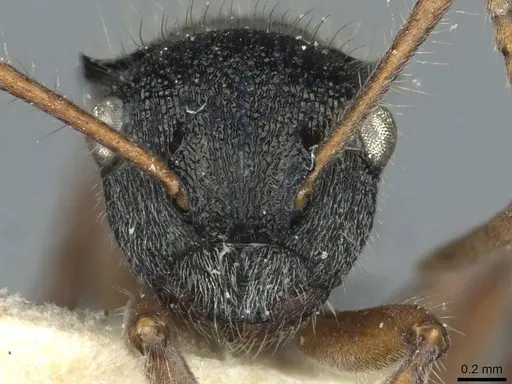
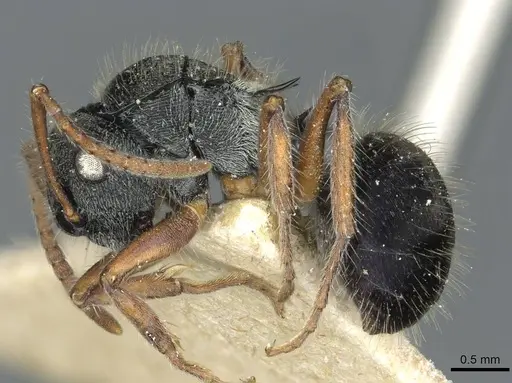
CASENT0917185
View on AntWeb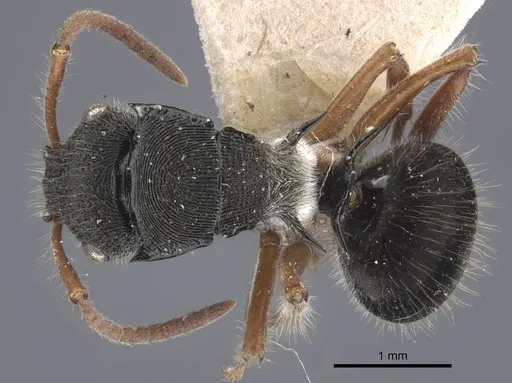
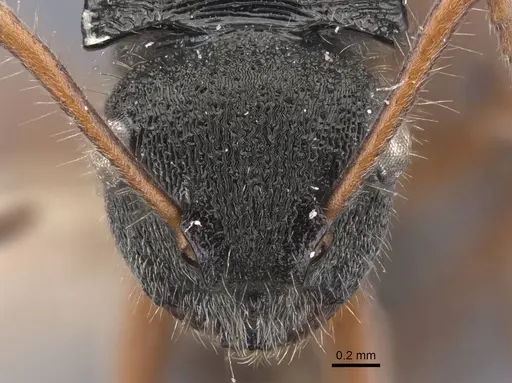
FOCOL2607
View on AntWeb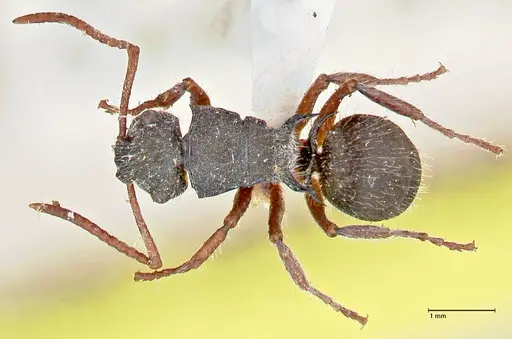
FOCOL2608
View on AntWeb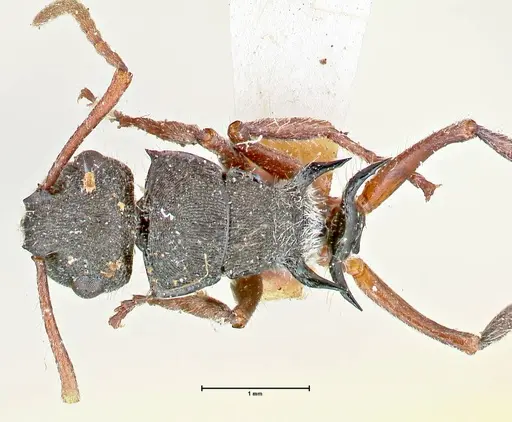
Literature
Loading distribution map...Loading products...