
Polyrhachis lombokensis
- Sci. Name
- Polyrhachis lombokensis
- Subgenus
- Myrmatopa
- Tribe
- Camponotini
- Subfamily
- Formicinae
- Author
- Emery, 1898
- Distribution
- Found in 2 countries
Introduction
Polyrhachis lombokensis is a tropical arboreal ant from the subgenus Myrmatopa. Workers are modest in size with the typical Polyrhachis build. This species is found in New Guinea and Indonesia (Lombok Island). They are arboreal nesters, building silk-bound nests in trees - a behavior common to the Myrmatopa subgenus. Unlike many ants, they do not spin cocoons around their pupae . These ants are part of a diverse genus with complex nesting habits. P. lombokensis is a relatively understudied species in the hobby, making it an interesting choice for keepers who want to work with a less common tropical arboreal ant. Their lifestyle requires different housing than typical ground-nesting species.
Quick Summary
- Difficulty: Medium
- Origin & Habitat: New Guinea and Indonesia (Lombok Island). Tropical rainforest environment, they live in trees and construct silk-bound nests among foliage [1][2].
- Colony Type: Likely single-queen (monogyne) based on typical Polyrhachis patterns, but unconfirmed for this species. They build multiple nests within their territory, which is common for arboreal species in this genus [1][2].
- Size & Growth:
- Queen: Size data unavailable, estimated ~8-10 mm based on related Myrmatopa species.
- Worker: Size data unavailable, estimated ~5-7 mm based on related species.
- Colony: Likely up to several hundred workers, estimated from related Polyrhachis species.
- Growth: Moderate, tropical species with year-round activity.
- Development: Estimated 6-8 weeks at tropical temperatures (24-28°C), based on typical Formicinae development. (Development is expected to be faster than temperate species due to tropical origin.)
- Antkeeping:
- Temperature: Keep at 24-28°C. This is inferred from their tropical origin. A heating cable on one side of the nest creates a gentle gradient.
- Humidity: High humidity is essential, keep the nest substrate consistently moist but not waterlogged. Mist the outworld regularly. This is inferred from their rainforest habitat.
- Diapause: No, tropical ants do not require hibernation. They remain active year-round if kept warm.
- Nesting: Arboreal specialists, they need vertical space and climbing structures. A naturalistic setup with live plants, branches, or cork bark works well. They will construct silk nests between surfaces. A Y-tong (AAC) nest with vertical chambers can work, but it is not ideal. 3D-printed nests with multiple levels are another option [1][2].
- Behavior: Generally peaceful and non-aggressive, based on related Polyrhachis species. They are arboreal and spend most of their time climbing. Workers forage actively on vertical surfaces. They lack a sting and instead spray formic acid when threatened (typical of Camponotini). Their small size and climbing ability mean escape prevention is critical, they can scale smooth surfaces. They use silk to bind nest materials together, a unique behavior worth observing [1][2].
- Common Issues: tropical temperature requirements mean colonies can slow down or die if kept too cool, arboreal nature means they need vertical space, standard horizontal nests may not suit them, high humidity needs can lead to mold problems if ventilation is poor, silk-nesting behavior requires appropriate materials, they need surfaces to bind together, small size and climbing ability make escape prevention critical
Housing and Nest Setup
Polyrhachis lombokensis needs housing that respects their arboreal lifestyle. A naturalistic setup works best, include live plants, branches, cork bark pieces, or artificial leaves that they can connect with silk. The outworld should have multiple climbing surfaces and vertical structures.
Y-tong (AAC) nests with vertical chambers can be used, but they are not ideal. A custom 3D-printed nest with multiple levels is a better option. Whatever setup you choose, ensure there are plenty of surfaces close together that the ants can bind with silk, this is essential for their natural nesting behavior. The nest area should be humid while the outworld can be drier with regular misting [1][2].
Feeding and Diet
Based on typical Polyrhachis dietary habits, they are generalist feeders. Offer a varied diet including sugar sources (honey water, sugar water) and protein (small insects like fruit flies, small crickets, mealworms). In the wild, arboreal Polyrhachis often forage in trees and may tend aphids or collect honeydew.
Feed sugar water or honey once or twice weekly as a constant energy source. Offer protein prey 2-3 times per week, adjusting based on colony size. Remove uneaten prey after 24-48 hours to prevent mold. Since they are arboreal foragers, place food on elevated surfaces or platforms in the outworld rather than on the ground.
Temperature and Humidity Management
As a tropical species, P. lombokensis needs warm and humid conditions. Maintain temperatures between 24-28°C year-round. A heating cable on one side of the nest creates a temperature gradient. Avoid temperatures below 22°C as this can slow colony development.
Humidity should be high, keep the nest substrate consistently moist but not waterlogged. Mist the outworld regularly. Balance humidity with good ventilation to prevent mold. These ants are adapted to rainforest conditions and will not thrive in dry environments.
Colony Development and Growth
If founding is claustral (as inferred from genus patterns), a newly mated queen will seal herself in a chamber and lay eggs after establishing her founding cell. The first workers (nanitics) will be smaller than mature workers and emerge after approximately 6-8 weeks at optimal temperatures. After the first workers arrive, the colony enters a growth phase.
Growth rate is moderate, faster than temperate species but not as rapid as some tropical specialists. A healthy colony may reach several hundred workers over 1-2 years. Unlike species with cocoons, the pupae are naked, which means you may see the developing brood more clearly. Provide consistent warmth and nutrition to support steady growth. Colonies likely build multiple connected shelters within their territory [1][2].
Unique Behaviors and Observations
The most distinctive behavior of P. lombokensis is their use of silk to construct nests. Workers bind leaves, debris, or other materials together using silk produced by their larvae, a behavior shared with other Myrmatopa species. In captivity, you can observe this by providing materials like cotton, small leaves, or paper strips that the ants will bind together.
They are arboreal by nature, spending most of their time climbing rather than walking on flat surfaces. This makes them fascinating to watch as they explore vertical spaces. They are not aggressive and do not pose sting risk to keepers. Their multiple-nest colony structure means they may use several different areas within their enclosure for different purposes, some for brood rearing, others for food storage or resting [1][2].
Frequently Asked Questions
Can I keep Polyrhachis lombokensis in a test tube?
A test tube alone is not ideal for this species. They are arboreal ants that need vertical space and climbing structures. While you can use a test tube as a temporary founding chamber, you will need to move them to a more spacious setup with climbing enrichment shortly after workers emerge.
What do Polyrhachis lombokensis eat?
They are generalist feeders. Offer sugar water or honey as a regular energy source, and protein in the form of small insects like fruit flies, small crickets, or mealworms. Feed sugar once or twice weekly and protein 2-3 times per week. Place food on elevated platforms since they are arboreal foragers.
How long does it take for first workers to emerge?
At optimal temperatures of 24-28°C, expect first workers (nanitics) to emerge in approximately 6-8 weeks after the queen lays her first eggs. This is estimated based on typical Formicinae development, no species-specific data is available.
Do Polyrhachis lombokensis need hibernation?
No, they do not require hibernation. As tropical ants, they need year-round warmth (24-28°C). They remain active throughout the year.
What is the best nest type for Polyrhachis lombokensis?
They need arboreal-style housing with vertical climbing space. A naturalistic setup with live plants, branches, and cork bark works excellently. They will bind materials together with silk. A 3D-printed nest with multiple levels is an alternative. Avoid standard horizontal nests.
Are Polyrhachis lombokensis good for beginners?
They are rated as medium difficulty. They require more specific arboreal housing and high humidity compared to beginner-friendly species, but their peaceful nature and lack of stinging make them manageable. They are better suited for keepers with some experience.
How big do Polyrhachis lombokensis colonies get?
Based on related species, colonies likely reach up to several hundred workers over 1-2 years. They build multiple nests within their territory, so they may use several areas within a larger enclosure.
Why is my Polyrhachis lombokensis colony dying?
The most common causes are temperature too low (below 22°C), humidity too low or inconsistent, or inadequate climbing space. These arboreal tropical ants are sensitive to conditions that would suit temperate species. Check that temperatures are stable at 24-28°C and humidity is high. Also ensure they have proper vertical structures.
Can I keep multiple queens together?
This has not been documented for this species. Based on typical Polyrhachis behavior, single-queen colonies are most likely. It is not recommended to combine unrelated foundress queens as this often leads to fighting. Start with one queen.
Report an Issue
The current care sheet is based fully on literature. See inconsistencies, or something that's incorrect? Please , it will be resolved after review from an admin. Contributing to the blogs tab also helps providing information, to make us be able to further improve the caresheets. Thank you for your support!
References

This caresheet is licensed under CC BY-SA 4.0 .
Community Blogs
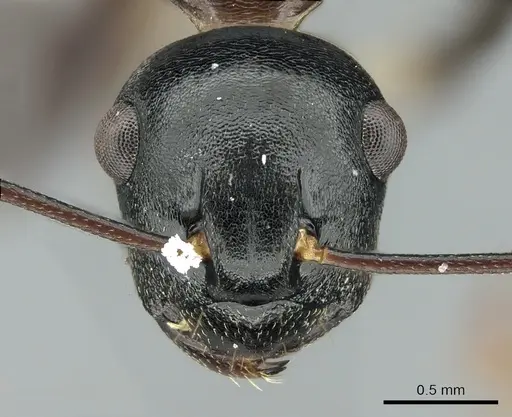
CASENT0905568
View on AntWeb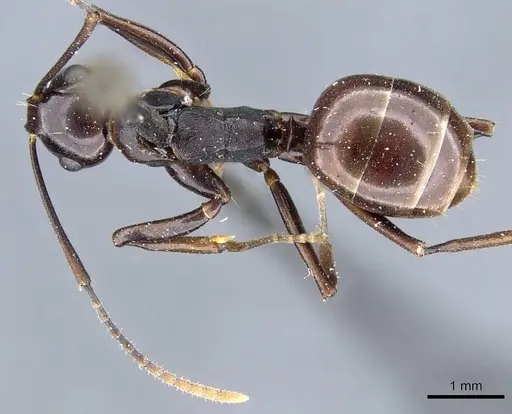
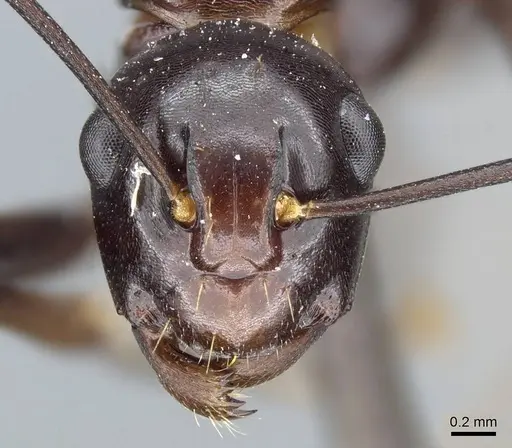
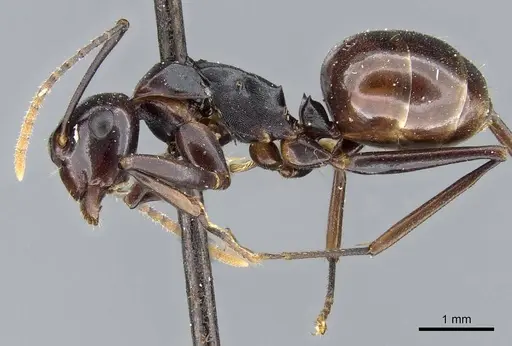
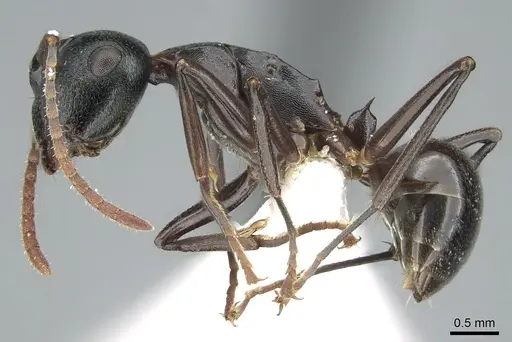
CASENT0906577
View on AntWeb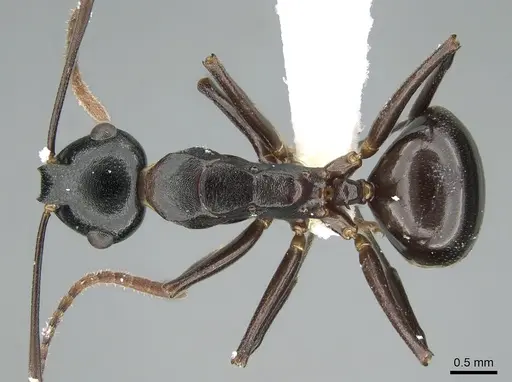
Literature
Loading distribution map...Loading products...