
Polyrhachis limbata
- Sci. Name
- Polyrhachis limbata
- Subgenus
- Chariomyrma
- Tribe
- Camponotini
- Subfamily
- Formicinae
- Author
- Emery, 1897
- Distribution
- Found in 1 countries
Introduction
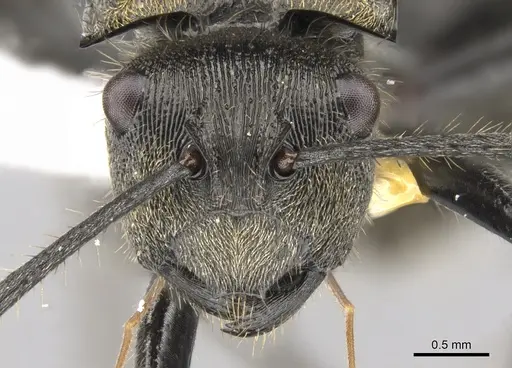
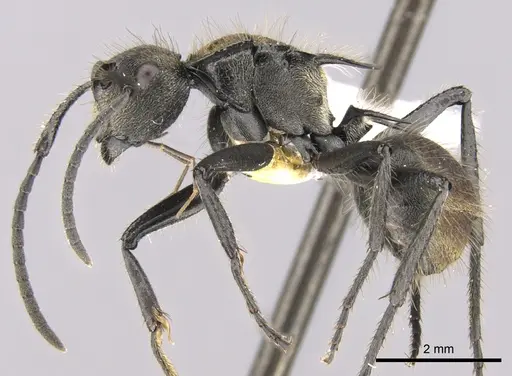
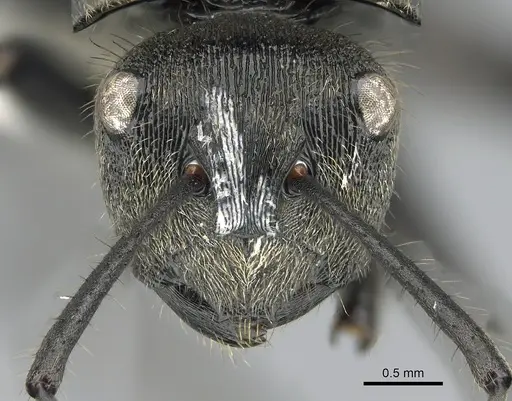
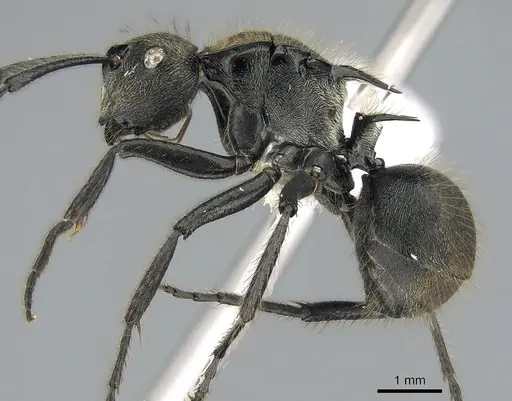
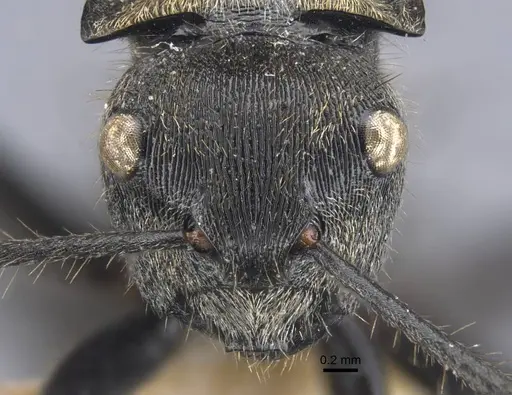
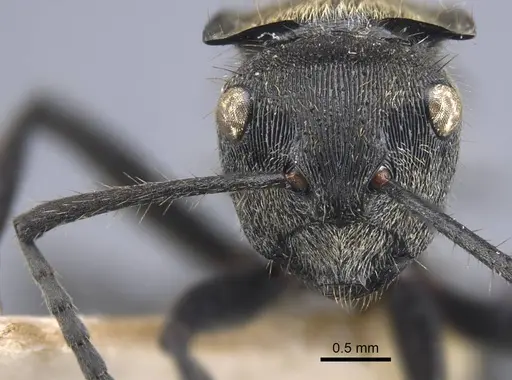
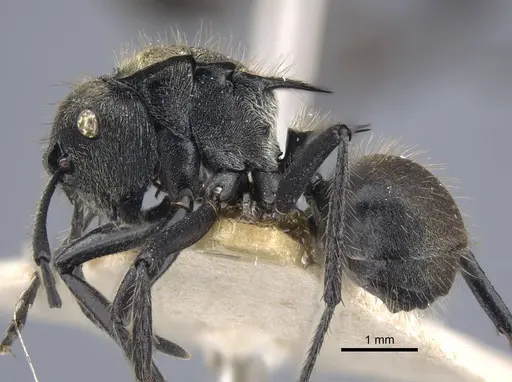
Polyrhachis limbata is a medium-sized ant species native to the Australasian region, specifically found throughout New Guinea, New Britain, and the Aru Islands . Workers have a dark brown to black coloration with lighter appendages and feature spines along the thorax and gaster, typical of the Polyrhachis genus. Size data unavailable for this species. This species belongs to the subgenus Chariomyrma and constructs nests in both subterranean locations and rotting wood . Like all Formicinae ants, they lack a functional stinger and defend themselves by spraying formic acid.
Quick Summary
- Difficulty: Medium
- Origin & Habitat: New Guinea region including Papua New Guinea, New Britain, and Aru Islands, tropical rainforest environment [1]
- Colony Type: Unconfirmed, based on typical Polyrhachis patterns, likely monogyne (single queen colonies)
- Size & Growth:
- Queen: Size data unavailable
- Worker: Size data unavailable
- Colony: Unknown for this species, genus-level estimates suggest colonies may reach several hundred workers
- Growth: Moderate
- Development: Estimated 6-8 weeks at optimal temperatures, based on typical Polyrhachis development patterns (Development time inferred from genus-level data, specific timeline for P. limbata not documented)
- Antkeeping:
- Temperature: Keep warm, roughly 24-28°C, tropical species requiring stable conditions. Use a heating cable to create a gentle gradient.
- Humidity: Keep nest substrate consistently moist but not waterlogged, provide a moisture source and mist occasionally.
- Diapause: No, tropical species from New Guinea do not require hibernation. Maintain warm temperatures year-round.
- Nesting: Accepts multiple nest types. In nature, they nest subterranean and in rotting wood [2][3]. Y-tong, plaster, or soil nests work well with moisture control.
- Behavior: Generally calm and non-aggressive. Workers forage actively and spray formic acid when threatened. Escape risk is moderate, use standard barriers. Activity patterns are primarily nocturnal or crepuscular.
- Common Issues: high humidity requirements can lead to mold if ventilation is poor, warm temperatures must be maintained year-round, cold snaps can stress colonies, limited availability in the antkeeping hobby may make established colonies hard to find, cocoon-spinning requires appropriate nesting material for pupal development, wild-caught colonies may carry parasites that cause problems in captivity
Housing and Nest Setup
Polyrhachis limbata accepts various nest types due to their flexible natural nesting preferences. They naturally nest both underground and in rotting wood [2][3], so you can use Y-tong (AAC) nests, plaster nests, or soil-based setups. Provide a foraging area with a water tube and feeding dishes. Keep the setup away from drafts and cold sources. Escape prevention should be moderate, these ants are not tiny, so standard barriers like fluon work adequately.
Feeding and Diet
In the wild, workers hunt small insects and tend aphids for honeydew. In captivity, offer protein sources like small crickets, mealworms, or fruit flies twice weekly, and provide sugar sources like honey water constantly. Remove uneaten prey after 24-48 hours to prevent mold. [4]
Temperature and Humidity
As a tropical species, keep temperatures between 24-28°C. Use a heating cable on one side of the nest to create a gradient, but provide unheated areas for self-regulation. Humidity should be maintained by keeping the nest substrate moist but not soggy, overwatering leads to mold. [4]
Colony Development and Growth
Polyrhachis limbata produces cocoons during pupation [2]. The queen likely seals herself in a claustral chamber to raise the first brood, but founding behavior is unconfirmed. Development from egg to worker is estimated at 6-8 weeks at optimal temperatures. Colonies grow moderately, reaching several hundred workers in maturity.
Behavior and Temperament
Workers are generally calm and methodical foragers. They defend by spraying formic acid, which can irritate skin and eyes. Activity is often crepuscular or nocturnal. Escape risk is moderate, so use standard barriers. [4]
Frequently Asked Questions
How long does it take for Polyrhachis limbata to raise first workers?
From egg to first worker, expect approximately 6-8 weeks at optimal temperatures (25-28°C), based on typical Polyrhachis development patterns [4]. The queen is likely claustrally sealed during founding.
Can I keep Polyrhachis limbata in a test tube?
Test tubes can work for founding colonies, but move to a more substantial nest like Y-tong or plaster as the colony grows due to their size and humidity needs [4].
What temperature do Polyrhachis limbata ants need?
Keep them warm at 24-28°C. This tropical species does not tolerate cool temperatures well [4]. Use a heating cable if room temperature is below this range.
Do Polyrhachis limbata need hibernation?
No, being a tropical species from New Guinea, they do not require diapause. Maintain warm temperatures year-round [4].
How big do Polyrhachis limbata colonies get?
Based on genus patterns, colonies likely reach several hundred workers. Exact maximum size is not documented for this species [4].
What do Polyrhachis limbata ants eat?
They are generalist feeders. Offer protein like small insects twice weekly and sugar sources constantly [4].
Are Polyrhachis limbata good for beginners?
They are rated as medium difficulty due to their need for consistent warmth and humidity [4]. If you can maintain these conditions, they can be rewarding.
Why is my Polyrhachis limbata colony dying?
Common causes include temperatures below 22°C, humidity too low or high, poor ventilation leading to mold, or stress from disturbance [4]. Check your setup and consider parasites if wild-caught.
When should I move my Polyrhachis limbata to a formicarium?
Move them when the founding setup becomes crowded, typically with 20+ workers and active brood production [4]. Ensure the new nest has proper humidity control.
Report an Issue
The current care sheet is based fully on literature. See inconsistencies, or something that's incorrect? Please , it will be resolved after review from an admin. Contributing to the blogs tab also helps providing information, to make us be able to further improve the caresheets. Thank you for your support!
References

This caresheet is licensed under CC BY-SA 4.0 .
Community Blogs
CASENT0281357
View on AntWeb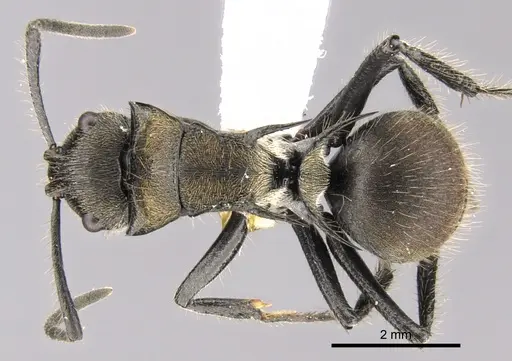
CASENT0281372
View on AntWeb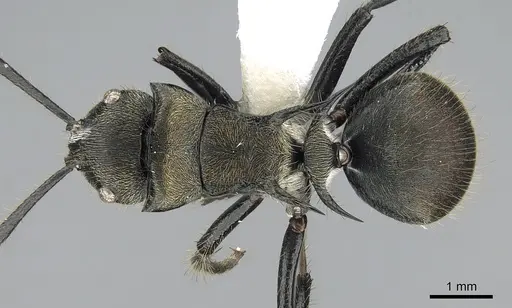
CASENT0905822
View on AntWeb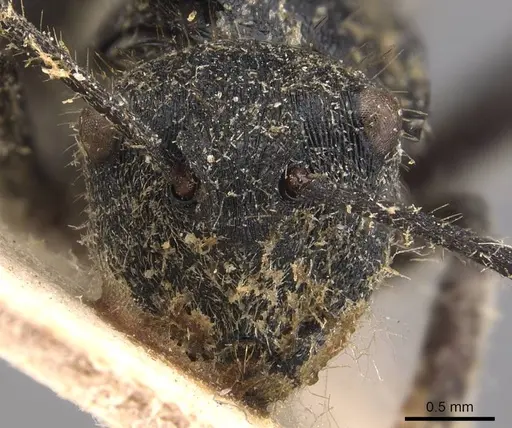
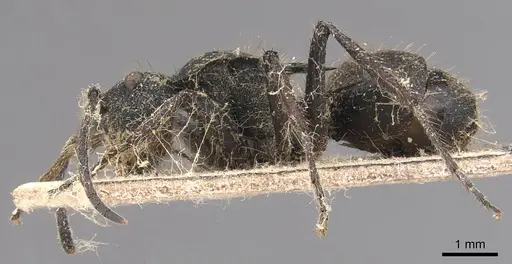
CASENT0917182
View on AntWeb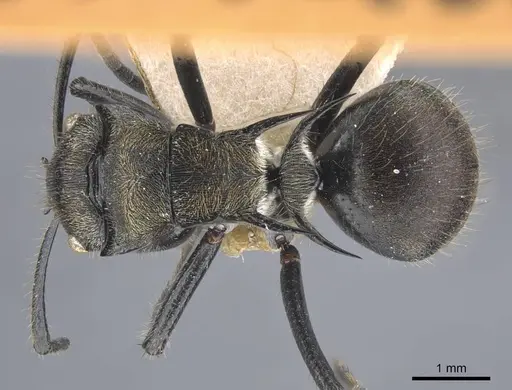
Literature
Loading distribution map...Loading products...