
Polyrhachis lestoni
- Sci. Name
- Polyrhachis lestoni
- Subgenus
- Myrma
- Tribe
- Camponotini
- Subfamily
- Formicinae
- Author
- Bolton, 1973
- Distribution
- Found in 2 countries
Introduction
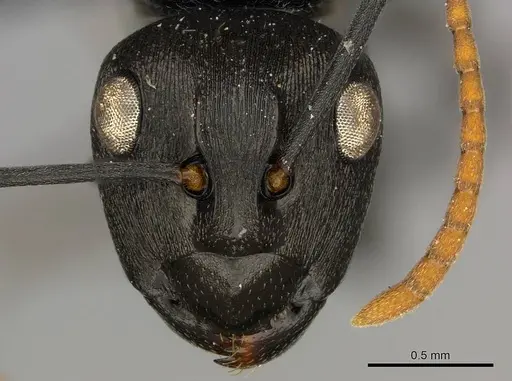
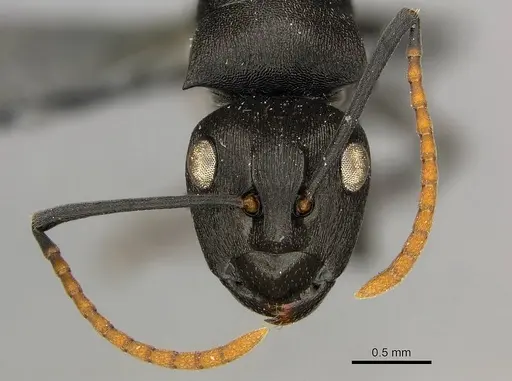
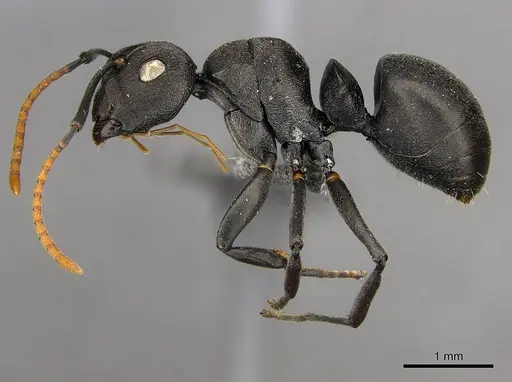
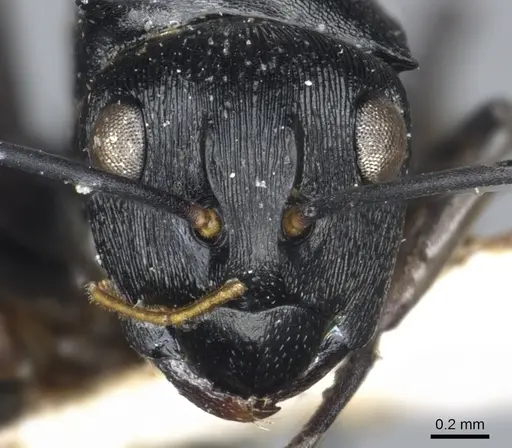
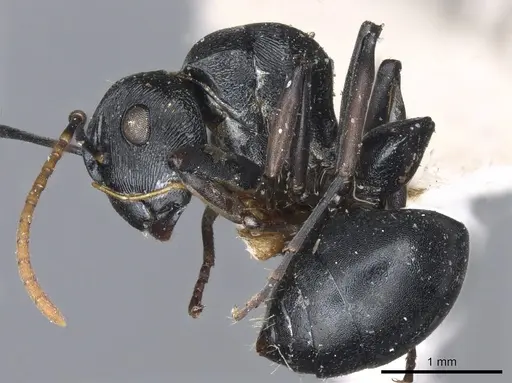
Polyrhachis lestoni is a medium-sized African ant in the Formicinae subfamily, part of the alexisi species group. Workers measure approximately 5.5-5.7 mm in total length . The species is found in Ghana, Central African Republic, Republic of Congo, and Kenya's Kakamega Forest . It inhabits primary tropical forests and is often collected from canopy levels at elevations around 375 meters . This species is easily recognized within its group due to the simplified petiole armature, having only a pair of lateral teeth rather than more elaborate spines .
Quick Summary
- Difficulty: Medium
- Origin & Habitat: Central Africa, including Ghana, Central African Republic, Republic of Congo, and Kenya's Kakamega Forest. Inhabits primary tropical forests, typically at elevations around 375 meters [3][2].
- Colony Type: Colony structure is not directly documented. Based on typical Polyrhachis patterns, likely single-queen colonies.
- Size & Growth:
- Queen: Size data unavailable, no total length measurements for queens in available literature.
- Worker: ~5.5-5.7 mm [1]
- Colony: Unknown from available data, no specific colony size information.
- Growth: Moderate, inferred from related species.
- Development: Estimated 6-10 weeks at optimal temperature, based on typical Formicinae development. (Development time is estimated, no species-specific data available.)
- Antkeeping:
- Temperature: Keep at 24-28°C, as inferred from tropical forest habitat.
- Humidity: Maintain moderate to high humidity, keep nest substrate consistently moist but not waterlogged.
- Diapause: No diapause required, as a tropical species, they remain active year-round.
- Nesting: Use Y-tong, plaster, or naturalistic nests with multiple chambers.
- Behavior: Workers are generally calm and not aggressive. They are active foragers but moderate escape artists, use standard escape prevention.
- Common Issues: temperature stress if kept too cool, monitor for sluggish behavior indicating temperature stress., humidity fluctuations can cause stress, avoid placing nest near heating elements or in dry rooms., escape prevention should still be practiced despite moderate size, active foragers will explore any gaps.
Housing and Nest Setup
Polyrhachis lestoni adapts well to various captive setups. Y-tong (AAC) nests work excellently for observation and humidity retention. Plaster nests are also suitable. For a naturalistic approach, use a terrarium with soil substrate and provide multiple hiding spots. Ensure enough vertical space for colony expansion. A small outworld connected to the nest allows foraging away from the brood area. Provide multiple connected chambers so the colony can regulate temperature and humidity. Escape prevention should include Fluon on rim edges and barriers around the outworld.
Feeding and Diet
In the wild, Polyrhachis species are omnivorous, feeding on honeydew, small insects, and nectar. In captivity, offer sugar water or honey water constantly, protein sources like small crickets or fruit flies 2-3 times per week, and occasional fruit pieces. Remove uneaten prey after 24-48 hours to prevent mold. Fresh water should always be available.
Temperature and Seasonal Care
As a tropical species, P. lestoni requires warm conditions. Maintain temperatures between 24-28°C for optimal health. A heating cable on one side of the nest creates a gradient for self-regulation. Avoid temperatures below 20°C for extended periods. Room temperature in heated homes may be adequate, but monitor colony behavior.
Humidity Management
Maintain moderate to high humidity to mimic primary forest habitat. The nest substrate should remain consistently damp but never waterlogged. A water tube attached to the nest provides drinking access and helps maintain humidity. Mist the outworld occasionally but avoid direct misting of the nest.
Colony Development and Growth
Polyrhachis lestoni colonies grow at a moderate pace. A newly mated queen may seal herself in a chamber and lay eggs after 1-2 weeks. The first workers typically emerge 6-10 weeks later, depending on temperature. Initial colony size is small, and growth accelerates once workers begin foraging. Mature colonies may take several years to develop under optimal conditions.
Behavior and Observation
Polyrhachis lestoni workers are active and curious, foraging individually rather than in large groups. They communicate through chemical trails and are generally docile. Their moderate size makes them easy to observe. Workers may tend to small insects or collect honeydew, which is natural foraging behavior.
Frequently Asked Questions
How long does it take for Polyrhachis lestoni to produce first workers?
Expect first workers to emerge 6-10 weeks after the queen lays eggs, assuming optimal temperature of 24-28°C. Cooler temperatures will slow development.
What do Polyrhachis lestoni ants eat?
They are omnivorous. Offer sugar water constantly, protein sources like small crickets 2-3 times weekly, and occasional fruit. Remove uneaten prey after 24-48 hours.
What temperature do Polyrhachis lestoni colonies need?
Keep them warm at 24-28°C. They are tropical ants and do not tolerate cool temperatures well.
Are Polyrhachis lestoni good for beginners?
They are rated as medium difficulty. They require warm, stable conditions, but their docile temperament makes them manageable.
How big do Polyrhachis lestoni colonies get?
Colony size is unknown from available data. No specific information on mature colony size.
Do Polyrhachis lestoni need hibernation?
No, as a tropical species, they likely remain active year-round with no true diapause required.
What type of nest is best for Polyrhachis lestoni?
Y-tong, plaster, or naturalistic nests with multiple chambers work well. Provide vertical spaces and appropriate humidity retention.
Can I keep multiple Polyrhachis lestoni queens together?
This is not recommended, as Polyrhachis species are typically single-queen colonies. Combining queens risks fighting and colony failure.
Why is my Polyrhachis lestoni colony declining?
Common causes include temperature stress, humidity problems, parasites, or insufficient nutrition. Review care conditions and monitor for issues.
Report an Issue
The current care sheet is based fully on literature. See inconsistencies, or something that's incorrect? Please , it will be resolved after review from an admin. Contributing to the blogs tab also helps providing information, to make us be able to further improve the caresheets. Thank you for your support!
References

This caresheet is licensed under CC BY-SA 4.0 .
Community Blogs
CASENT0088927
View on AntWeb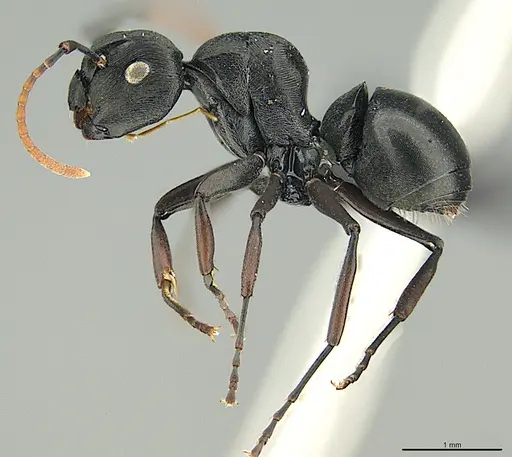
CASENT0178252
View on AntWeb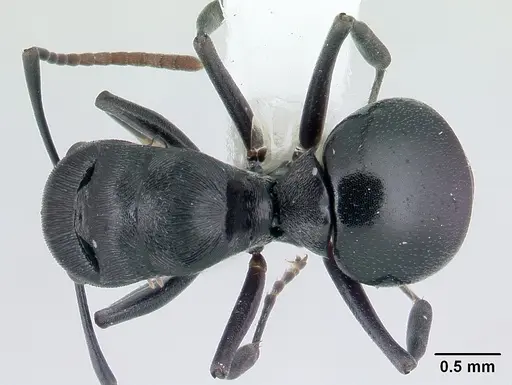
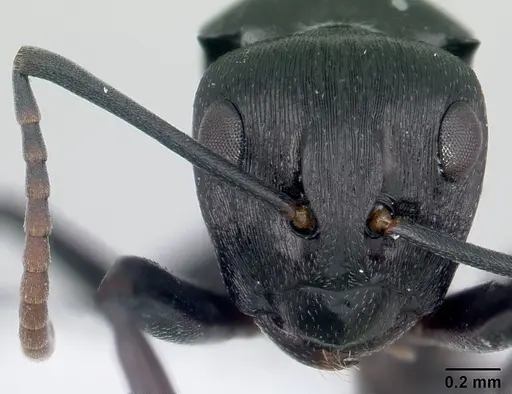
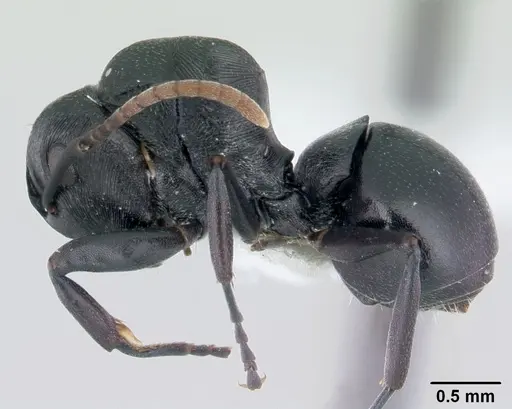
CASENT0227539
View on AntWeb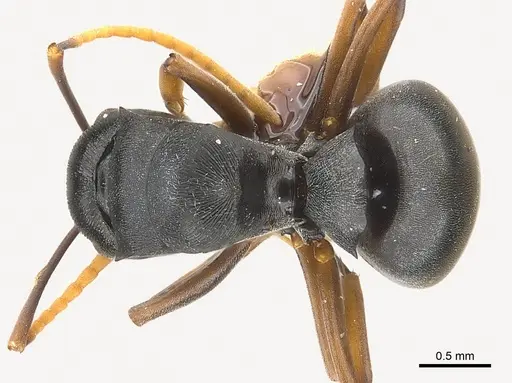
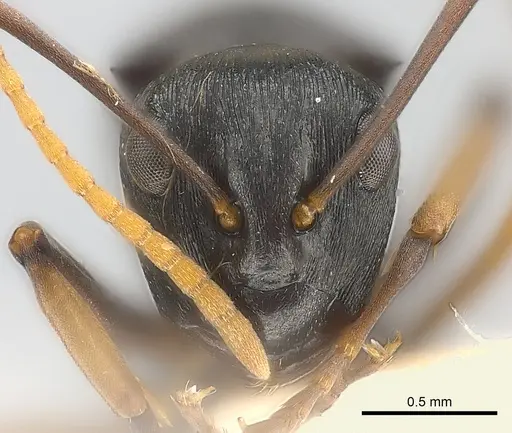
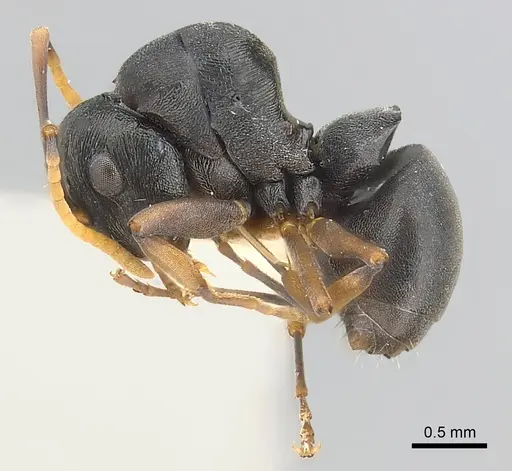
CASENT0250030
View on AntWeb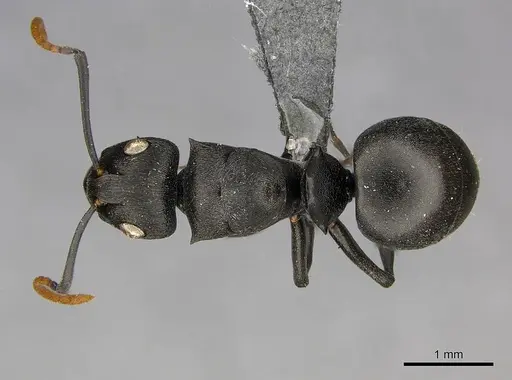
CASENT0903459
View on AntWeb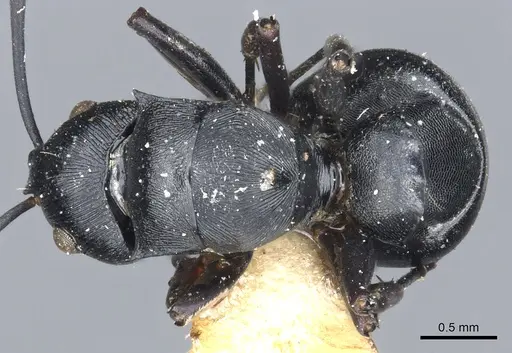
Literature
Loading distribution map...Loading products...