
Polyrhachis leae
- Sci. Name
- Polyrhachis leae
- Subgenus
- Campomyrma
- Tribe
- Camponotini
- Subfamily
- Formicinae
- Author
- Forel, 1913
- Distribution
- Found in 1 countries
Introduction
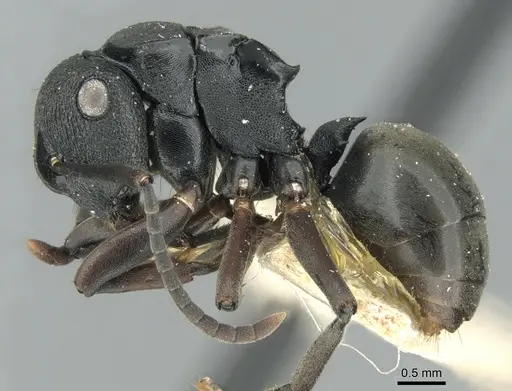
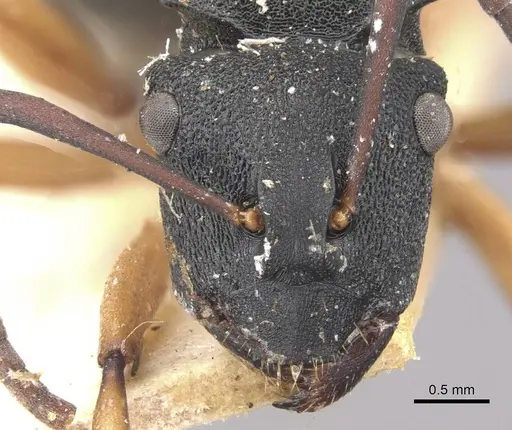
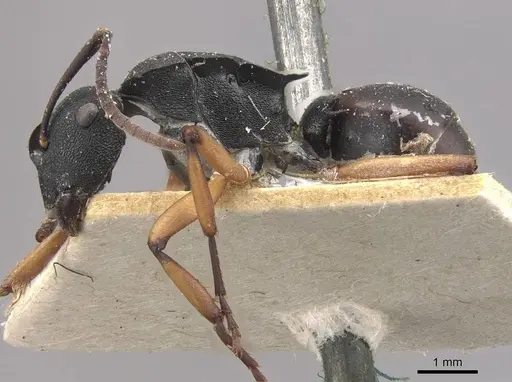
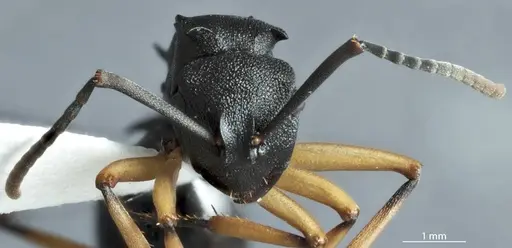
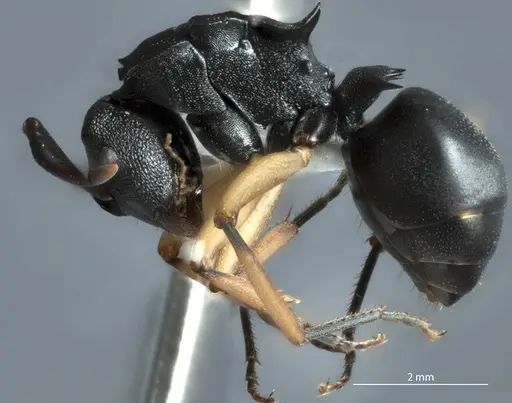
Polyrhachis leae is a medium-sized ant species native to Australia, found in Tasmania and southwestern Western Australia . Workers have a distinctive spiny thorax, a common trait of the Polyrhachis genus, and the species was first described by Forel in 1913 . It belongs to the subgenus Campomyrma and is typically found in wetter coastal areas, nesting in tree bark such as on Wandoo and Powderbark Wandoo trunks . Unlike some Polyrhachis species that build woven leaf nests, P. leae is a bark-nesting species .
Quick Summary
- Difficulty: Medium
- Origin & Habitat: Native to Australia, specifically Tasmania and southwestern Western Australia. Found in wetter coastal regions and eucalyptus forests, nesting in tree bark [1].
- Colony Type: Colony structure is unconfirmed. No specific data on queen number or social structure for this species.
- Size & Growth:
- Queen: Size data unavailable, no body length measurements in research context
- Worker: Size data unavailable, no body length measurements in research context
- Colony: Colony size is not documented for this species, but Polyrhachis colonies typically form moderate-sized groups [2]
- Growth: Moderate, inferred from genus patterns
- Development: Estimated 6-10 weeks based on related Formicinae species at optimal temperatures [2] (Development time is inferred from genus-level data since specific studies are unavailable)
- Antkeeping:
- Temperature: Keep warm, roughly 22-26°C, based on genus patterns for Australian Polyrhachis species [2]
- Humidity: Keep nest substrate moderately moist but not waterlogged, as they occur in wetter coastal areas [1]
- Diapause: Likely required based on geographic range from temperate Tasmania, but no specific data, reduce temperatures to 10-15°C for 2-3 months during winter [2]
- Nesting: Bark-nesting species. Use setups with vertical surfaces, cork bark, or wood pieces [1]. Y-tong nests with roughened surfaces work well.
- Behavior: Generally docile and non-aggressive, based on subfamily patterns. Workers are active foragers but not particularly aggressive toward keepers. Escape risk is moderate due to arboreal nature, standard containment measures work well for their size.
- Common Issues: lack of specific care data, this species is poorly studied and most recommendations are based on genus-level patterns, humidity balance, too dry causes desiccation, too wet causes mold issues, escape prevention, being arboreal, they will climb readily and may escape if not properly contained, slow establishment, newly caught colonies may take time to acclimate to captive conditions
Housing and Nest Setup
You should set up a bark-nesting environment for Polyrhachis leae. Use naturalistic setups with vertical surfaces, cork bark, or wood pieces where they can nest between layers [1]. Y-tong nests with roughened chambers work well since they can grip surfaces. Avoid fully enclosed test tube setups, they prefer open spaces with climbing opportunities. Include small branches or leaves for foraging. The outworld should have vertical elements since these ants forage upward. Apply fluon or similar barriers to prevent escapes [2].
Feeding and Diet
You can feed P. leae a variety of foods. Offer sugar water or honey constantly for energy. Provide protein sources like fruit flies, small crickets, or mealworms 2-3 times per week [2]. Remove uneaten prey after 24-48 hours to prevent mold. Observe your colony's preferences, as some Polyrhachis species show food preferences.
Temperature and Seasonal Care
Maintain temperatures around 22-26°C for optimal health. As a species from temperate regions, they can tolerate cooler temperatures but prefer warmth. During winter, provide a diapause period by reducing temperatures to 10-15°C for 2-3 months [2]. Do not feed during diapause but keep a small water source available. Avoid sudden temperature changes.
Humidity and Water
Keep the nest substrate consistently moist but not waterlogged, as they occur in wetter coastal areas [1]. For naturalistic setups, mist regularly and allow some areas to dry slightly. For Y-tong nests, ensure the water reservoir is appropriately sized. Always provide a dedicated water source like a cotton ball in a tube. Monitor for mold and improve ventilation if needed.
Behavior and Observation
You will find P. leae to be a docile species. Workers are active and explore vertical surfaces in search of food. They are not aggressive and rarely bite, making them safe for gentle handling. The species is not known for stinging, so there is no danger to keepers. Colonies are moderately active throughout the day. [2]
Frequently Asked Questions
How long does it take for Polyrhachis leae to produce first workers?
Based on typical Polyrhachis development patterns, expect first workers approximately 6-10 weeks after the queen lays eggs, assuming optimal temperatures around 24-26°C [2]. Development may be slower if temperatures are lower.
What temperature do Polyrhachis leae need?
Keep them at 22-26°C. They can tolerate a range from roughly 18°C to around 28°C, but consistency is key. Avoid temperatures above 30°C or below 15°C for extended periods [2].
Do Polyrhachis leae need hibernation?
Yes, as a species from temperate Tasmania, they likely require a winter diapause period. Reduce temperatures to 10-15°C for 2-3 months during winter [2]. This rest period is important for colony health.
What do Polyrhachis leae eat?
They are omnivorous. Offer sugar water or honey constantly for energy, and provide protein sources like small insects 2-3 times per week [2].
Can I keep Polyrhachis leae in a test tube?
Test tubes are not ideal for this species. They are arboreal bark-nesters that prefer vertical spaces and climbing opportunities. A naturalistic setup with cork bark or a Y-tong nest works much better [1].
How big do Polyrhachis leae colonies get?
Colony size is not documented specifically for this species, but Polyrhachis colonies typically form moderate-sized groups [2]. Growth is moderate, expect a few years to reach moderate sizes.
Is Polyrhachis leae good for beginners?
This species is rated as medium difficulty. While docile, they have specific humidity and temperature requirements that make them better suited for keepers with some experience. Their arboreal nature requires a more thoughtful setup.
Where is Polyrhachis leae found?
Polyrhachis leae is native to Australia, specifically Tasmania and southwestern Western Australia, in wetter coastal regions [1].
When should I move my colony to a formicarium?
Move them when the colony reaches around 30-50 workers and outgrows their initial setup. Choose a setup with vertical elements for this species [2].
Report an Issue
The current care sheet is based fully on literature. See inconsistencies, or something that's incorrect? Please , it will be resolved after review from an admin. Contributing to the blogs tab also helps providing information, to make us be able to further improve the caresheets. Thank you for your support!
References

This caresheet is licensed under CC BY-SA 4.0 .
Community Blogs
ANTWEB1008265
View on AntWeb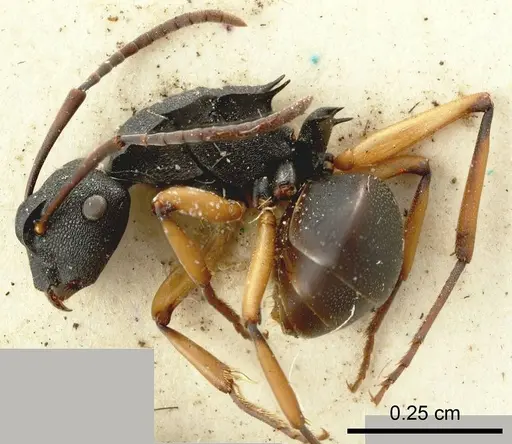
CASENT0906562
View on AntWeb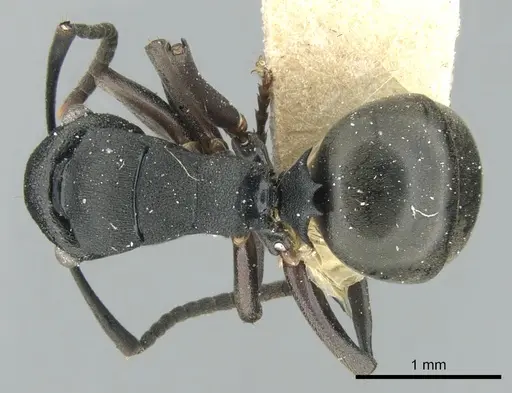
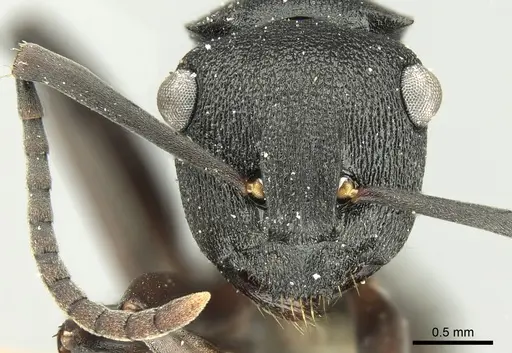
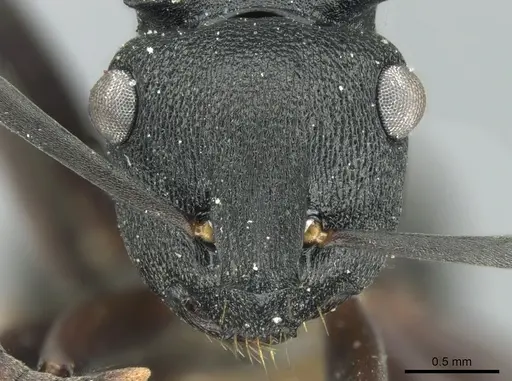
CASENT0910773
View on AntWeb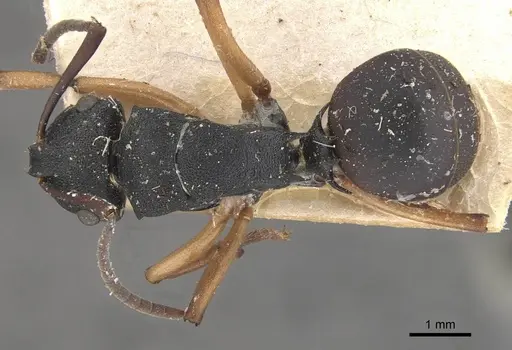
JDM32-002162
View on AntWeb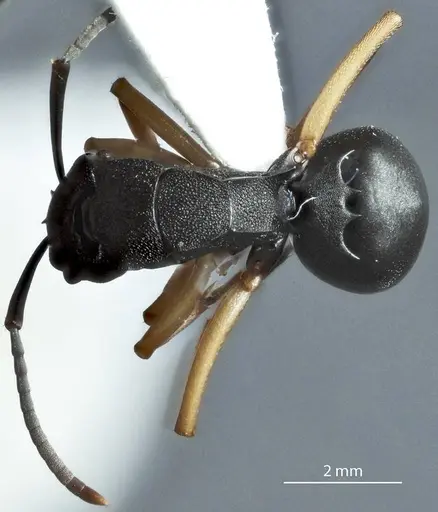
Literature
Loading distribution map...Loading products...