
Polyrhachis latona
- Sci. Name
- Polyrhachis latona
- Subgenus
- Myrma
- Tribe
- Camponotini
- Subfamily
- Formicinae
- Author
- Wheeler, 1909
- Distribution
- Found in 2 countries
Introduction
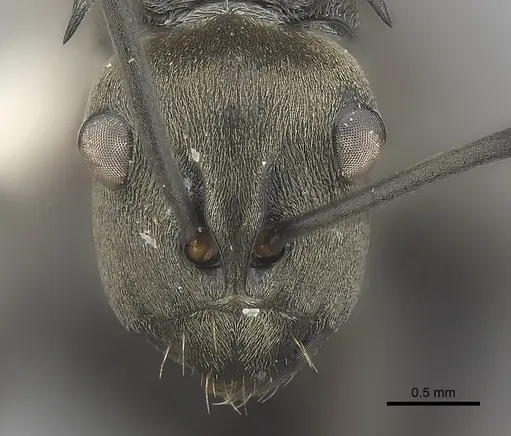
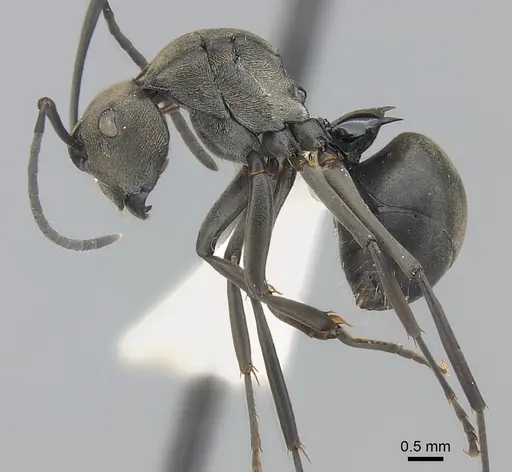
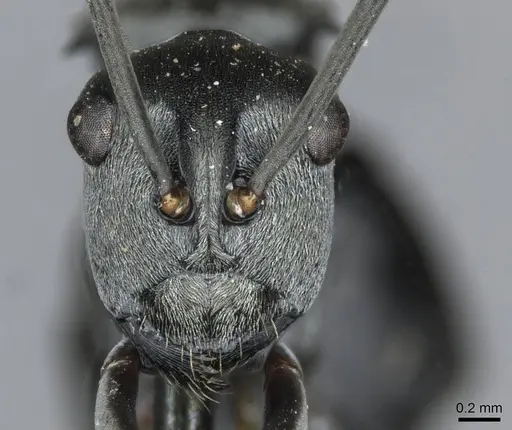
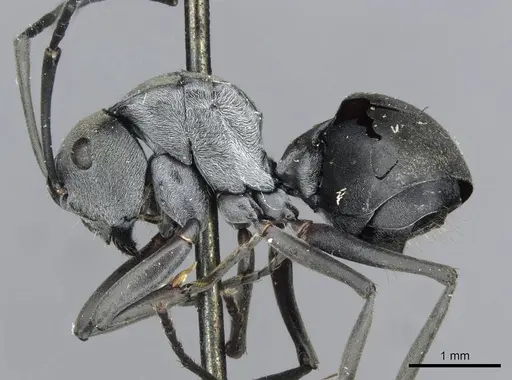
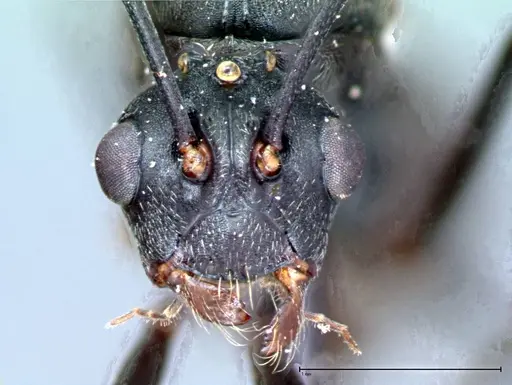
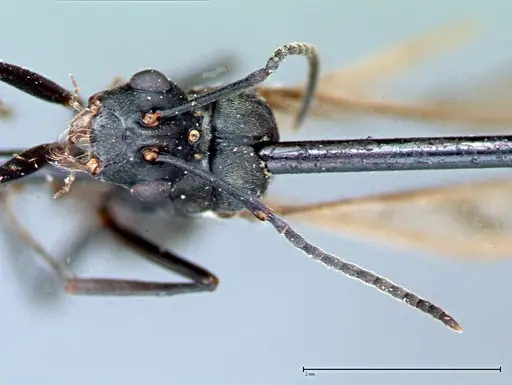
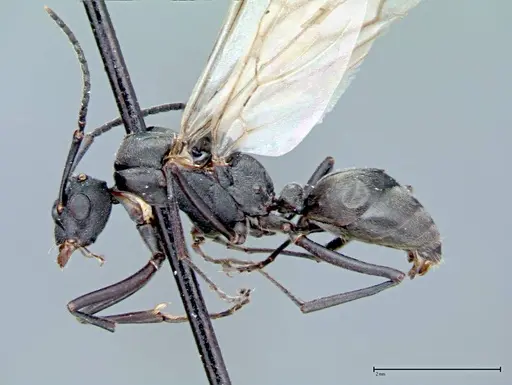
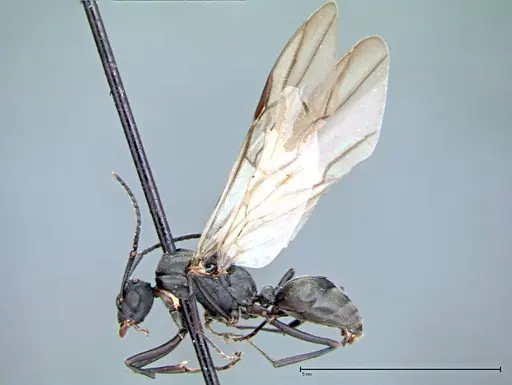
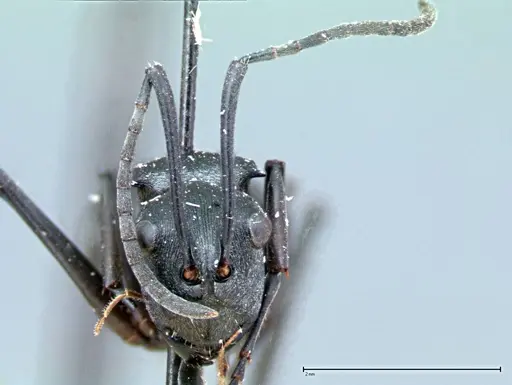
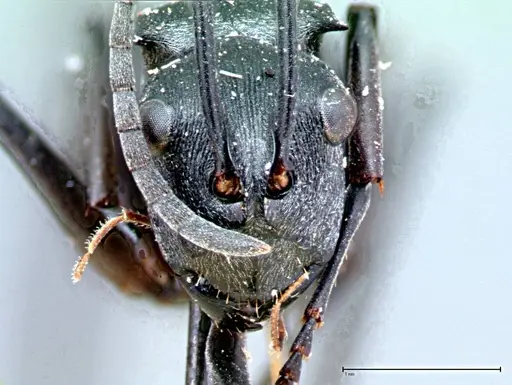
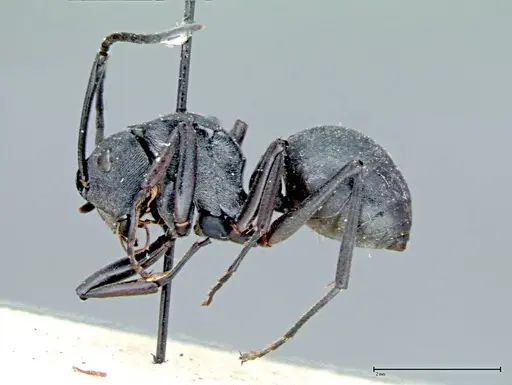
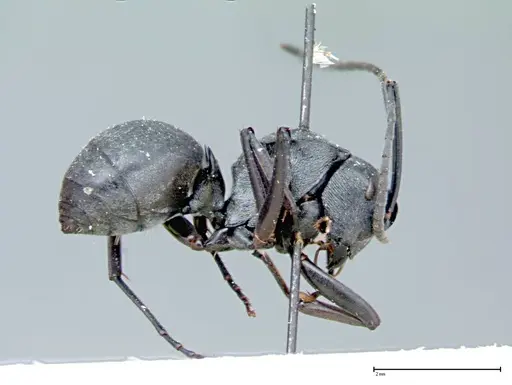
Polyrhachis latona is a medium-sized soil-nesting ant found across East and Southeast Asia. Workers have a total length up to 7.2 mm and are jet black with dense silvery-gray pubescence . The pronotum has a pair of forward-pointing spines, and the petiole carries two pairs of spines . Queens are larger, with a total length of about 8.6 mm . This species is a known host of the zombie ant fungus Ophiocordyceps unilateralis, which infects ants and manipulates their behavior .
Quick Summary
- Difficulty: Medium
- Origin & Habitat: Native to Taiwan, southern China (including Hainan Island), the Ryukyu Islands of Japan, Thailand, Vietnam, Hong Kong, and Macao [4][7][8][9]. In Japan, it is common in the Sakishima group of the Nansei Islands [10]. It nests in soil in subtropical to tropical forest environments [2].
- Colony Type: Based on typical Polyrhachis patterns, likely single-queen colonies, but unconfirmed in scientific literature.
- Size & Growth:
- Queen: Approximately 8.6 mm [1]
- Worker: Up to 7.2 mm [1]
- Colony: Unknown, no colony size data available in research literature
- Growth: Moderate, inferred from genus patterns
- Development: Estimated 6-10 weeks at optimal temperature based on genus-level patterns for Polyrhachis species (No direct development timing data exists for this species, estimates based on related species in the genus)
- Antkeeping:
- Temperature: Keep at 22-28°C based on subtropical distribution [4][2]. A heating cable on one side of the nest creates a suitable temperature gradient.
- Humidity: Keep the nest substrate consistently moist but not waterlogged, as this species nests in soil [2]. Provide some drier areas for ants to self-regulate.
- Diapause: Unknown, no data on diapause requirements for this species.
- Nesting: Soil-nesting species. Recommend Y-tong nests with moist soil or naturalistic setups [2][10]. Chambers should be scaled to medium-sized ants.
- Behavior: Polyrhachis latona workers are generally calm and not aggressive. They are moderately active foragers on the ground. As medium-sized ants, escape prevention is important but less critical than for tiny species. The species is susceptible to Ophiocordyceps fungal infection in the wild, watch for unusual behavior [5][6].
- Common Issues: colonies may fail if kept too dry, soil-nesting species needs consistent moisture [2], susceptibility to Ophiocordyceps fungal infection in humid conditions, ensure good ventilation to prevent fungal growth [5][6], founding queens may require adequate space due to size, provide suitable claustral chambers
Nest Preferences and Housing
Polyrhachis latona is a soil-nesting species, which means it naturally excavates chambers in moist soil or nests under stones and debris on the forest floor [2]. In captivity, you can use a naturalistic setup with a soil-filled container or a Y-tong nest with dirt-filled chambers. The nest material must hold moisture without becoming waterlogged. Provide a water tube or moisture reservoir to maintain humidity. Because this is a medium-sized ant, chambers should be appropriately scaled, not too cramped but not excessively large.
Feeding and Diet
Like most Polyrhachis species, P. latona is likely an omnivore that accepts both sugar sources and protein. In captivity, offer sugar water or honey as a constant energy source. For protein, provide small insects like fruit flies or crickets roughly twice per week. Remove uneaten prey after 24-48 hours to prevent mold. Dietary preferences are inferred from genus patterns, as no specific studies exist for this species.
Temperature and Seasonal Care
Given its distribution across subtropical regions, keep the nest area at 22-28°C with a slight gradient. A heating cable on one side of the nest can create this gradient. During winter, if activity reduces, you may lower temperatures slightly to around 18-20°C and reduce feeding. Diapause requirements are unknown, so monitor colony behavior. [4][2]
Health Concerns and Common Problems
Polyrhachis latona is susceptible to the Ophiocordyceps unilateralis fungus, which causes altered behavior in wild colonies [5][6]. Maintain good ventilation and avoid stagnant, humid conditions to prevent fungal issues. Since this species nests in soil, keep the substrate moist but not waterlogged to avoid mold and drowning brood.
Behavior and Colony Dynamics
Polyrhachis latona workers are moderately active foragers that search for food on the ground. They are not particularly aggressive and lack a painful sting, making them manageable for antkeepers. The species has distinctive morphological features including pronotal spines and two pairs of petiolar spines [3][4]. Colonies likely grow to moderate size over several years, but specific data is lacking.
Frequently Asked Questions
How long does it take for Polyrhachis latona to produce first workers?
The exact egg-to-worker timeline has not been documented. Based on typical Polyrhachis genus patterns, expect approximately 6-10 weeks from egg to first workers at optimal temperature.
What size colony does Polyrhachis latona reach?
The maximum colony size is unknown, no scientific data exists on colony size for this species.
Can I keep Polyrhachis latona in a test tube setup?
Test tubes can work for founding colonies, but you will eventually need to move them to a soil-based setup. A test tube with a cotton barrier works for the founding stage.
What temperature is best for Polyrhachis latona?
Keep them at 22-28°C based on their subtropical distribution [4][2]. A heating cable can create a gradient.
Is Polyrhachis latona a good species for beginners?
This is a medium-difficulty species. It requires attention to humidity and temperature but is not overly challenging.
What do Polyrhachis latona ants eat?
They are omnivores. Offer sugar water or honey constantly, and protein like small insects twice weekly. Remove uneaten food promptly.
Do Polyrhachis latona queens fight? Can I keep multiple queens together?
Colony structure is unconfirmed. Combining unrelated queens is not recommended due to lack of data on pleometrosis. Start with a single queen.
Does Polyrhachis latona need hibernation?
Diapause requirements are unknown for this subtropical species. You may observe reduced activity in winter, at which point you can lower temperatures slightly.
Why are my Polyrhachis latona workers dying?
Potential causes include: too-dry conditions [2], fungal infection from poor ventilation [5][6], or improper feeding. Ensure good humidity and diet.
Report an Issue
The current care sheet is based fully on literature. See inconsistencies, or something that's incorrect? Please , it will be resolved after review from an admin. Contributing to the blogs tab also helps providing information, to make us be able to further improve the caresheets. Thank you for your support!
References

This caresheet is licensed under CC BY-SA 4.0 .
Community Blogs
CASENT0227538
View on AntWeb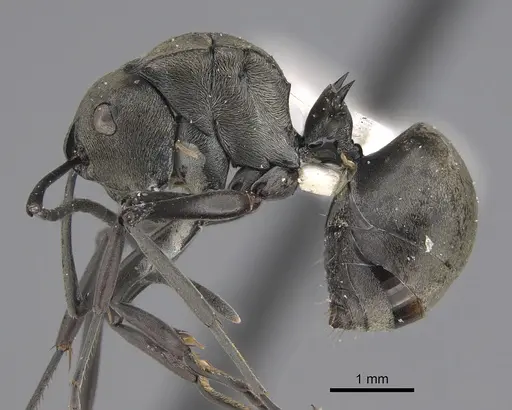
CASENT0227579
View on AntWeb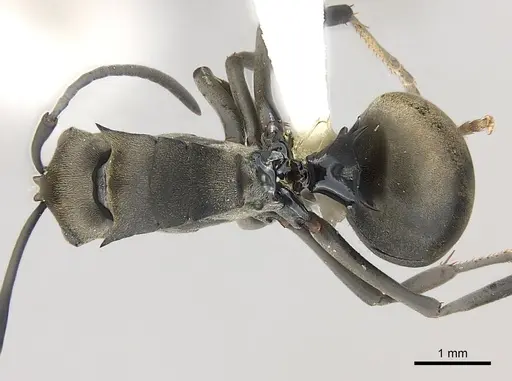
CASENT0910920
View on AntWeb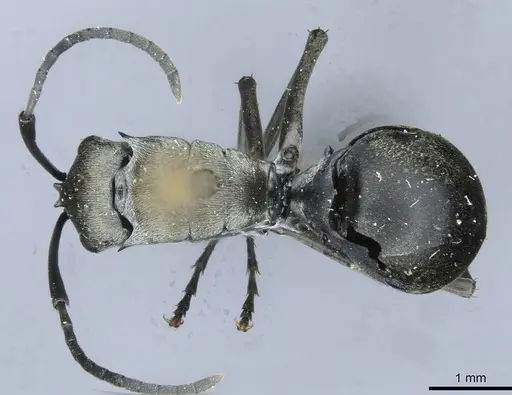
FOCOL0093
View on AntWeb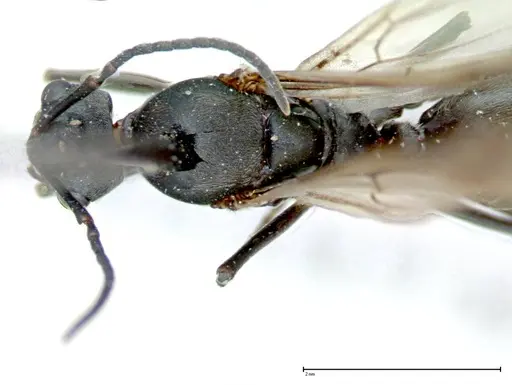
FOCOL0094
View on AntWeb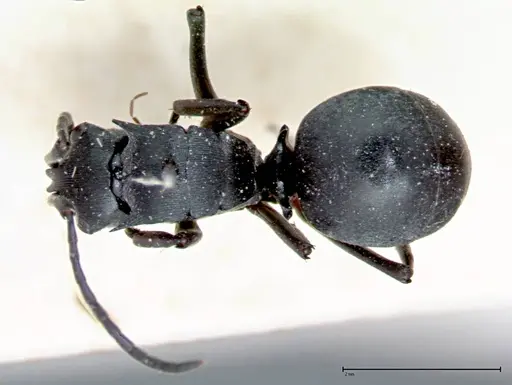
Literature
Loading distribution map...Loading products...