
Polyrhachis lata
- Sci. Name
- Polyrhachis lata
- Subgenus
- Chariomyrma
- Tribe
- Camponotini
- Subfamily
- Formicinae
- Author
- Emery, 1895
- Distribution
- Found in 2 countries
Introduction
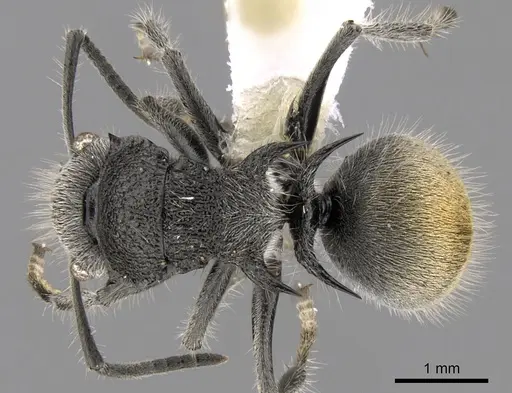
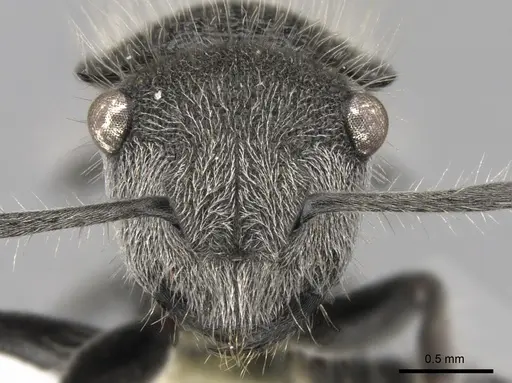
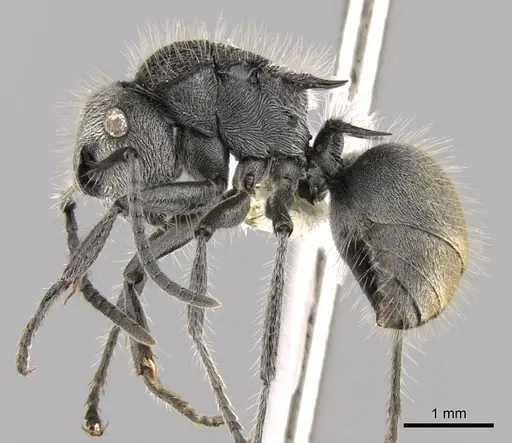
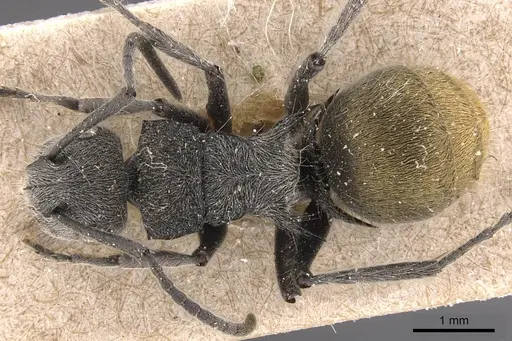
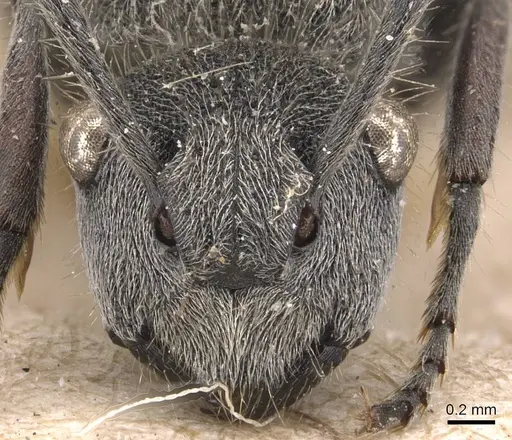
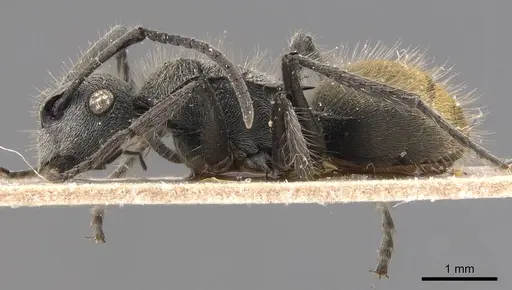
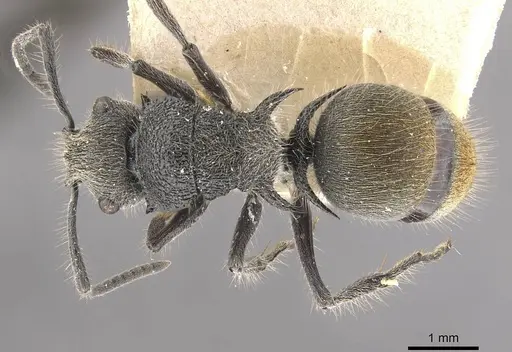
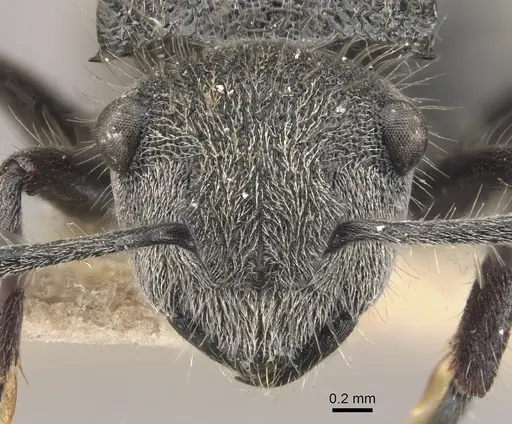
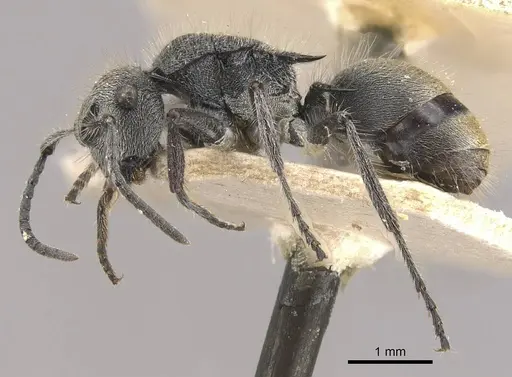
Polyrhachis lata is an Australian ant species in the subgenus Chariomyrma . Workers are monomorphic, meaning all workers look similar . You'll find them nesting underground or in wood across Australia . Their pupae are wrapped in silk cocoons . Unlike some relatives, they do not build silk nests . This species shows notable defensive spines, which contribute to its success in the wild .
Quick Summary
- Difficulty: Medium
- Origin & Habitat: Australia, in various habitats including ground-nesting sites [3][1][5].
- Colony Type: Colony structure is unconfirmed, but based on Polyrhachis genus patterns, likely monogyne (single queen colonies).
- Size & Growth:
- Queen: ~10-14 mm, inferred from Polyrhachis genus
- Worker: ~6-9 mm, inferred from Polyrhachis genus
- Colony: Size data unavailable
- Growth: Moderate, inferred from genus patterns
- Development: Estimated 8-12 weeks at optimal temperature, inferred from Polyrhachis genus (Development time may vary with temperature and colony conditions.)
- Antkeeping:
- Temperature: Keep at 24-28°C, inferred from Australian species preferences
- Humidity: Keep nest substrate moderately moist, ground-nesting species prefer damp but not waterlogged soil
- Diapause: Yes, provide a mild winter rest of 8-12 weeks at 15-18°C, inferred from Australian temperate species
- Nesting: Use Y-tong or plaster nests with tight chambers scaled to their size, based on nest preferences [1][5]
- Behavior: Workers are moderately aggressive when defending the nest but not overly territorial, inferred from genus patterns. Escape risk is moderate due to size, use tight barriers and fluon on edges.
- Common Issues: colonies may fail if kept too dry, monitor substrate moisture regularly, escape prevention is important, check barriers frequently especially when feeding, slow founding phase can cause beginners to lose patience, queens can take months to raise first workers, cocooned pupae are vulnerable to mold if humidity is too high, balance moisture carefully, wild-caught colonies may have parasites that can devastate captive colonies
Nest Preferences
Polyrhachis lata nests underground or in wood [1][4]. In captivity, use Y-tong or plaster nests with moist substrate [5]. They prefer tight chambers for their pupal cocoons [1]. Avoid overly dry conditions to support colony health.
Feeding and Diet
Polyrhachis species are omnivorous. Feed sugar water or honey constantly, and offer protein like fruit flies or mealworms 2-3 times per week. Remove uneaten prey after 24-48 hours to prevent mold.
Temperature and Seasonal Care
Keep the nest at 24-28°C for optimal brood development. A heating cable on one side creates a gradient. During winter, reduce temperature to 15-18°C for 8-12 weeks diapause, reducing feeding frequency.
Behavior and Colony Dynamics
Workers are active foragers with moderate aggression when defending the nest [2]. They are monomorphic, so no major/minor castes [2]. Colonies grow moderately, with pupal cocoons present [1].
Handling and Escape Prevention
Workers are large enough to handle but can escape through small gaps. Use tight-fitting lids and apply fluon to rim edges. Work calmly to avoid stressing the colony.
Frequently Asked Questions
How long does it take for Polyrhachis lata to raise first workers?
Expect 8-12 weeks from egg to first worker at optimal temperature (24-28°C). Founding queens may take longer as they raise their first brood alone. Be patient during the founding phase.
What do Polyrhachis lata ants eat?
They are omnivorous. Feed sugar water or honey constantly, and offer protein sources like small insects 2-3 times per week. Remove uneaten prey to prevent mold.
Can I keep multiple Polyrhachis lata queens together?
This species is likely monogyne (single queen). Combining unrelated queens is not recommended as they may fight. Only keep one queen per colony unless evidence shows multi-queen tolerance.
What temperature do Polyrhachis lata ants need?
Keep them at 24-28°C for optimal development. A heating cable on one side creates a gradient. They can tolerate slightly cooler temperatures but growth will slow.
Do Polyrhachis lata ants need hibernation?
Yes, as an Australian species, they benefit from a mild winter rest. Reduce temperature to 15-18°C for 8-12 weeks during winter, and reduce feeding frequency.
What size do Polyrhachis lata colonies reach?
Size data is unavailable for this species. Based on related Polyrhachis, colonies may reach several hundred workers over time.
Are Polyrhachis lata good for beginners?
They are rated as Medium difficulty. They require attention to temperature, humidity, and feeding, but are more forgiving than some species. Good for keepers with basic ant experience.
When should I move Polyrhachis lata to a formicarium?
Move them when the test tube setup becomes crowded or the water reservoir is depleted. Ensure the new formicarium has appropriately sized chambers.
Why is my Polyrhachis lata colony dying?
Common causes include: too dry substrate (keep moist but not wet), temperature extremes (keep at 24-28°C), mold from overfeeding, parasites from wild-caught colonies, or disturbance during founding.
Report an Issue
The current care sheet is based fully on literature. See inconsistencies, or something that's incorrect? Please , it will be resolved after review from an admin. Contributing to the blogs tab also helps providing information, to make us be able to further improve the caresheets. Thank you for your support!
References

This caresheet is licensed under CC BY-SA 4.0 .
Community Blogs
Literature
Loading distribution map...Loading products...