
Polyrhachis laevigata
- Sci. Name
- Polyrhachis laevigata
- Subgenus
- Myrmhopla
- Tribe
- Camponotini
- Subfamily
- Formicinae
- Author
- Smith, 1857
- Distribution
- Found in 2 countries
Introduction
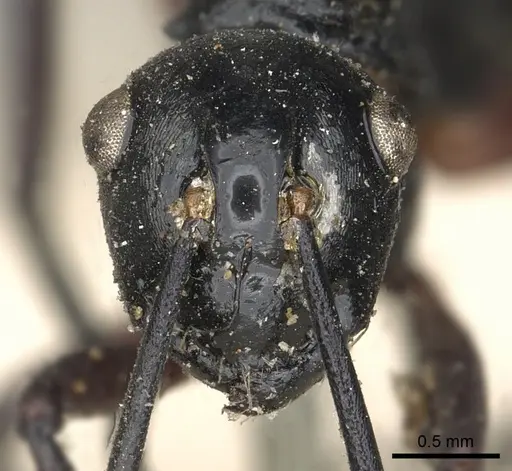
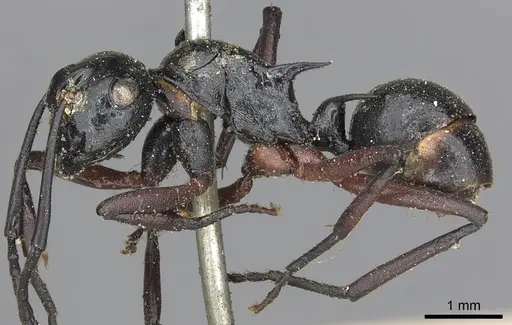
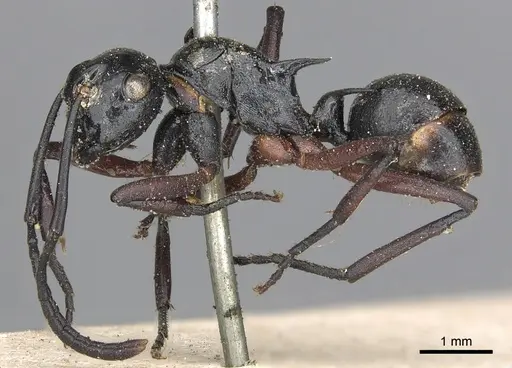
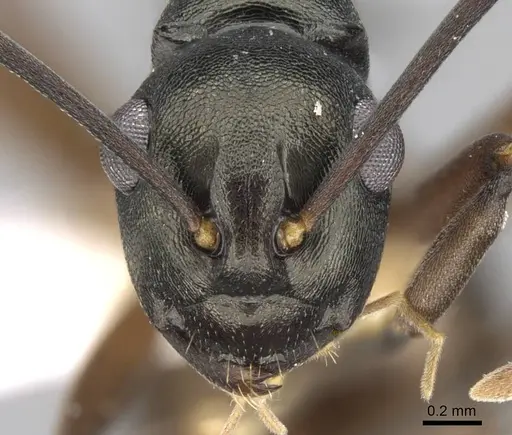
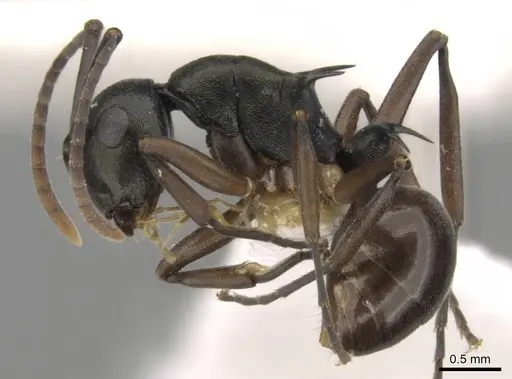
Polyrhachis laevigata is a tropical ant with a smooth, polished appearance and four medium-length spines on its body - two on the propodeum and two on the petiole . Size data is unavailable for this species. It is native to Southeast Asia and southern Asia, found in Borneo, Indonesia, Malaysia, China, Bhutan, and Sri Lanka . Colonies are monogynous (single queen) and monodomous (single nest), with workers that are all the same size . The species is known for its spines, which serve as a defensive adaptation against predators .
Quick Summary
- Difficulty: Medium
- Origin & Habitat: Tropical and subtropical forests of Southeast Asia and southern Asia, including Borneo, Indonesia, Malaysia, China, Bhutan, and Sri Lanka. They are arboreal nesters, typically found in vegetation, under bark, or in hollow twigs [2][1].
- Colony Type: Monogynous, single queen colonies. Colonies are monodomous, meaning they maintain a single nest location [1].
- Size & Growth:
- Queen: Size data unavailable
- Worker: Size data unavailable
- Colony: Up to several hundred workers, estimated based on genus patterns
- Growth: Moderate, estimated based on similar Formicinae
- Development: 6-10 weeks, estimated based on related Formicinae species (Development time is estimated, no specific study exists for this species.)
- Antkeeping:
- Temperature: Keep at 24-28°C. Being a tropical species, they need warm conditions. A heating cable on one side of the nest creates a temperature gradient they can choose between [2].
- Humidity: Moderate to high humidity. These forest-dwelling ants prefer damp conditions but not waterlogged substrate. Mist occasionally and provide a water tube for drinking [2].
- Diapause: No, as a tropical species, they do not require hibernation. Keep temperatures stable year-round [2].
- Nesting: Arboreal setup works best. They prefer nests in wood, cork, or similar materials that mimic their natural habitat of nesting in vegetation and under bark. A Y-tong (AAC) nest or wooden formicarium with climbing structures suits them well. They need vertical space and climbing opportunities [2][1].
- Behavior: Workers are moderately active and alert. They are quick-moving and will investigate disturbances. They are not particularly aggressive toward keepers but will defend their nest vigorously. Their spines provide passive defense, predators struggle to grip them. They are excellent climbers [1]. Escape prevention is important as they are agile.
- Common Issues: tropical temperature requirements mean cold rooms will kill them, never let temperatures drop below 20°C, arboreal nature means they need climbing space, a flat test tube without vertical orientation can stress them, small colony sizes mean losses have bigger impact, start with healthy stock and avoid disturbing founding queens, high humidity needs can lead to mold if ventilation is poor, balance moisture with airflow, they may be sensitive to disturbance during founding, give queens privacy when establishing colonies
Housing and Nest Setup
Polyrhachis laevigata is an arboreal species, meaning they naturally nest in vegetation, under bark, or in hollow twigs rather than underground. In captivity, they do best in nests that mimic this, wooden formicariums, cork nests, or Y-tong (AAC) nests work well. They need vertical space and climbing structures like branches or cork sheets to traverse. A test tube setup can work for founding colonies, but add some vertical elements once workers arrive. The outworld should include climbing surfaces since they are agile climbers who often travel vertically. Escape prevention is important, these ants can climb smooth surfaces, so use a barrier like fluon on container edges. [1][2]
Feeding and Diet
Like most Formicinae, Polyrhachis laevigata is omnivorous. They accept sugar sources readily, honey water, sugar water, or commercial ant sweets are good staples. For protein, offer small insects like fruit flies, small crickets, or mealworms. In the wild, they forage for honeydew from aphids and scale insects, plus small prey. Feed them a few times per week, offer sugar constantly and protein every 2-3 days. Remove uneaten prey after 24 hours to prevent mold. They are moderate feeders, not as voracious as some predatory species, so avoid overfeeding. [2]
Temperature and Humidity
Being a tropical species from Southeast Asia, these ants need warmth. Keep the nest area at 24-28°C. A heating cable on one side of the nest creates a gradient where ants can move between warmer and cooler areas. Never let temperatures drop below 20°C, prolonged cold will weaken and eventually kill the colony. For humidity, aim for moderate to high levels. They prefer damp conditions but not soaking wet substrate. Mist the nest occasionally and provide a water tube for drinking. Good ventilation is important to prevent mold while maintaining humidity. [2]
Behavior and Defense
Workers of Polyrhachis laevigata are quick and alert. When disturbed, they respond rapidly and will defend their nest. Their most distinctive feature is the four spines on their body, two on the propodeum and two on the petiole. These spines are a defensive adaptation that makes them difficult for predators to grip or swallow [1]. They are monomorphic, meaning all workers are the same size rather than having major and minor castes. They are excellent climbers and often travel along branches and vertical surfaces in the wild.
Frequently Asked Questions
How long does it take for Polyrhachis laevigata to produce first workers?
Expect first workers (nanitics) around 6-10 weeks after the queen lays eggs, based on typical Formicinae development. This happens at warm tropical temperatures (around 26°C). The exact timeline varies depending on temperature and feeding.
Can I keep multiple Polyrhachis laevigata queens together?
No. This species is monogynous, meaning colonies have a single queen. Multiple queens will fight. Only keep one queen per colony.
What temperature do Polyrhachis laevigata need?
Keep them warm at 24-28°C. As a tropical species, they need consistent warmth and will not tolerate cool temperatures. Use a heating cable if your room temperature is below 24°C.
Do Polyrhachis laevigata need hibernation?
No. As a tropical species, they do not require hibernation or winter cooling. Keep temperatures stable year-round.
What do Polyrhachis laevigata eat?
They are omnivorous. Offer sugar sources (honey water, sugar water) constantly for energy, plus small insects (fruit flies, small crickets, mealworms) for protein a few times per week.
Are Polyrhachis laevigata good for beginners?
They are rated as medium difficulty. They have specific temperature and humidity needs as a tropical species, which requires more attention than temperate species. They are not the hardest species but do require proper warm, humid conditions.
How big do Polyrhachis laevigata colonies get?
Based on genus patterns, colonies likely reach up to several hundred workers. They are monodomous (single nest) and monogynous (single queen), so colonies grow steadily but not explosively.
What type of nest is best for Polyrhachis laevigata?
Arboreal setups work best, wooden formicariums, cork nests, or Y-tong nests with climbing structures. They naturally nest in vegetation and under bark, so vertical space and climbing opportunities are important.
Where is Polyrhachis laevigata found in the wild?
They live across Southeast Asia and southern Asia, including Borneo, Indonesia, Malaysia, China, Bhutan, and Sri Lanka. They are arboreal forest dwellers, nesting in vegetation and under bark in tropical and subtropical forests.
Report an Issue
The current care sheet is based fully on literature. See inconsistencies, or something that's incorrect? Please , it will be resolved after review from an admin. Contributing to the blogs tab also helps providing information, to make us be able to further improve the caresheets. Thank you for your support!
References

This caresheet is licensed under CC BY-SA 4.0 .
Community Blogs
CASENT0901855
View on AntWeb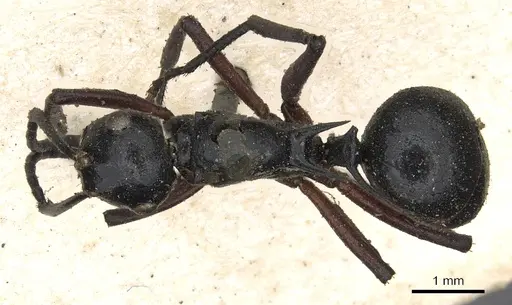
CASENT0906769
View on AntWeb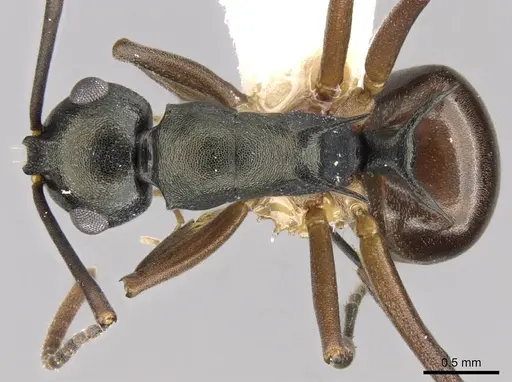
Literature
Loading distribution map...Loading products...