
Polyrhachis kohouti
- Sci. Name
- Polyrhachis kohouti
- Subgenus
- Hagiomyrma
- Tribe
- Camponotini
- Subfamily
- Formicinae
- Author
- Hoffmann, 2015
- Distribution
- Found in 0 countries
Introduction
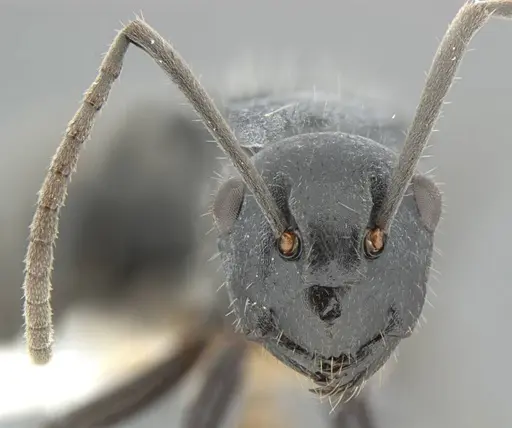
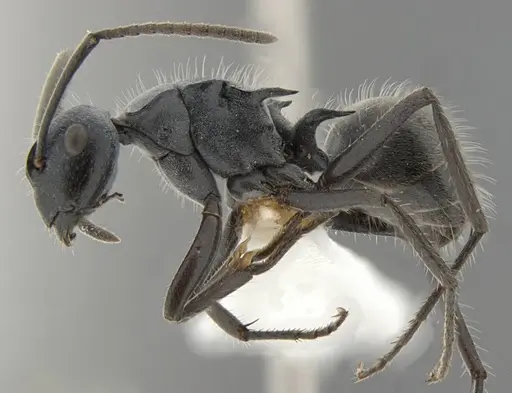
Polyrhachis kohouti is a rare spiny ant from the Northern Territory, Australia, part of the penelope species-group within the subgenus Hagiomyrma. Workers measure 5.8-6.95 mm total length and are entirely black with very dark reddish-brown to black legs. This species is easily identified by its petiole (the narrow waist) which has a deeply concave top and is armed with massive, bull horn-shaped spines - unlike other penelope-group species that have a convex or swollen petiole. The body is covered in numerous silvery and golden hairs, setting it apart from most related species that lack such hairiness . Currently known from only two specimens collected in 2006 near Arnhem Land, this species appears to be genuinely rare even within its native range . No queen or colony structure has been described.
Quick Summary
- Difficulty: Insufficient data for care recommendations
- Origin & Habitat: Northern Territory, Australia (Arnhem Land,60 km SW of Nhulunbuy). Open savanna woodland dominated by Eucalyptus oligantha with dense grass understorey, on gently sloping, seasonally waterlogged loamy soil at 56 m elevation [1].
- Colony Type: Unconfirmed, colony structure has not been documented
- Size & Growth:
- Antkeeping:
- Temperature: Unknown, no specific data. Based on tropical northern Australia location, likely prefers warm conditions (25-30°C). Start around 25°C and observe colony activity.
- Humidity: Unknown, no specific data. The type locality has seasonally waterlogged soils, suggesting tolerance for higher moisture. Keep nest substrate moderately moist but not waterlogged.
- Diapause: Unknown, no data on overwintering. As a tropical Australian species, likely does not require diapause, but this is unconfirmed.
- Nesting: Unknown in captivity. In the wild, specimens were collected when their nest was disturbed under a log [1], suggesting they nest in or under decaying wood on the ground. A naturalistic setup with decaying wood or Y-tong/plaster nest may work.
- Behavior: Very little is documented. Like all Formicinae, this species lacks a functional sting, it bites and sprays formic acid from the acidopore as a defense. Workers are likely defensive due to their spines and acid spray. Escape risk is moderate given worker size (6-7 mm), standard containment with tight sealing should suffice. Foraging style is unknown but likely similar to other Polyrhachis (opportunistic foraging for honeydew and small invertebrates).
- Common Issues: this species is extremely rare in the hobby and may not be available for purchase, no established care protocols exist, keepers would be pioneering captive husbandry, wild-caught colonies may have parasites or diseases since the species appears uncommon in its native range, lack of data on colony development makes it difficult to assess whether the colony is progressing normally, temperature and humidity requirements are unknown, requiring careful observation and adjustment
Species Discovery and Rarity
Polyrhachis kohouti was described in 2015 by Benjamin D. Hoffmann, named in honor of Rudy Kohout for his outstanding contributions to Polyrhachis taxonomy [1][2]. The species is known from only two workers collected in 2006 when their nest was disturbed by overturning a log in Arnhem Land. Despite extensive ant collecting efforts throughout northeastern Arnhem Land since 2003,including return trips to the type locality, no additional specimens have been found [1]. This suggests P. kohouti is either genuinely rare or has very specific habitat requirements. For antkeepers, this rarity means the species is extremely unlikely to be available in the hobby.
Identification and Distinguishing Features
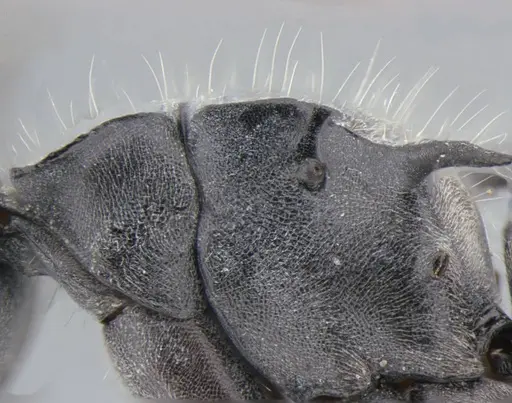
This species can be identified by several unique characteristics within the penelope species-group. The most striking feature is the petiole, which has a deeply concave upper surface armed with massive, bull horn-shaped spines that curve downward and outward. Unlike other penelope-group species, the posterior face of the petiole is slender in lateral view, rather than convex or swollen. The pronotum is strongly transverse with widely rounded shoulders, and the lateral margins converge strongly toward the rear. Most distinctive is the presence of numerous silvery and golden hairs covering most body surfaces, other penelope-group species lack such pilosity, except P. hoffmanni which has longer but sparser hairs [1]. Workers are entirely black with very dark reddish-brown to black legs.
Natural Habitat
P. kohouti is known only from the Arnhem Land region in Australia's Northern Territory, from a location 60 km southwest of Nhulunbuy at about 56 m elevation. The vegetation is open savanna woodland dominated by Eucalyptus oligantha with a dense grass understorey, on gently sloping, seasonally waterlogged loamy soil [1]. The specimens were collected from under a log, indicating ground-nesting behavior. The habitat experiences distinct wet and dry seasons typical of tropical northern Australia.
Keeping Considerations
Because this species has never been kept in captivity and has barely been studied in the wild, there are no established care protocols. Any attempt to keep P. kohouti would be pioneering work that requires careful observation and documentation. Based on the genus Polyrhachis in general, expect a medium-sized ant with likely claustral founding (queen seals herself in to raise the first workers). The natural habitat suggests warm temperatures and tolerance for soil moisture. Start with a naturalistic setup using decaying wood or a Y-tong nest, maintain temperatures around 25°C, and keep the nest substrate moderately moist. Document everything, growth rates, feeding preferences, behavior, as this information would be valuable for the antkeeping community.
Frequently Asked Questions
Can I keep Polyrhachis kohouti in a test tube?
Test tubes can work for founding colonies, but since this is a medium-sized ant (6-7 mm workers) and likely nests in or under decaying wood in the wild, a naturalistic setup or Y-tong nest may be more appropriate once the colony establishes. Use a test tube for the founding queen if you obtain one.
How long until first workers with Polyrhachis kohouti?
Unknown, the development timeline has not been studied. Based on typical Polyrhachis patterns, expect 6-10 weeks from egg to worker at optimal temperature, but this is an estimate only.
What do Polyrhachis kohouti ants eat?
Unconfirmed, no specific diet data exists. Based on general Polyrhachis biology, they likely accept sugar sources (honey water, sugar water) and protein (small insects, mealworms). Offer a varied diet and document acceptance.
Are Polyrhachis kohouti good for beginners?
No, this species is not recommended for beginners. It is extremely rare, has never been kept in captivity, and has no established care protocols. The lack of any documented care information means significant trial and error would be required.
What temperature do Polyrhachis kohouti need?
Unknown, no specific temperature data exists. Based on the tropical location (northern Australia), aim for warm conditions around 25°C. Observe colony behavior and adjust as needed.
Do Polyrhachis kohouti need hibernation?
Unknown, no data on overwintering requirements. As a tropical Australian species, they likely do not require a true diapause, but this is unconfirmed.
How big do Polyrhachis kohouti colonies get?
Unknown, maximum colony size has not been documented. The two known specimens were collected from a single nest, but no colony size data exists.
Can I keep multiple Polyrhachis kohouti queens together?
Not recommended, colony structure (monogyne vs polygyne) has not been documented. Without knowing their natural social structure, combining unrelated queens is risky.
Where can I get Polyrhachis kohouti?
Extremely unlikely to be available. This species is known from only two specimens collected in 2006 and has not been found despite extensive surveys [1]. It is not in the antkeeping trade.
Report an Issue
The current care sheet is based fully on literature. See inconsistencies, or something that's incorrect? Please , it will be resolved after review from an admin. Contributing to the blogs tab also helps providing information, to make us be able to further improve the caresheets. Thank you for your support!
References

This caresheet is licensed under CC BY-SA 4.0 .
Community Blogs
ANTWEB1032706
View on AntWeb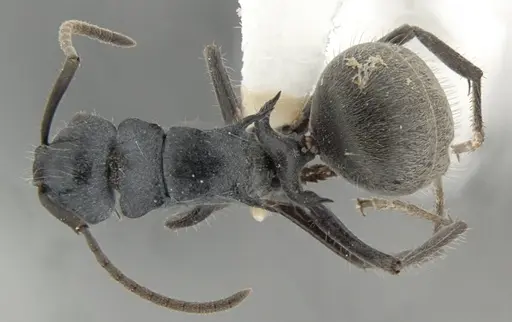
Literature
Loading distribution map...Loading products...