
Polyrhachis jerdonii
- Sci. Name
- Polyrhachis jerdonii
- Subgenus
- Myrmhopla
- Tribe
- Camponotini
- Subfamily
- Formicinae
- Author
- Forel, 1892
- Distribution
- Found in 1 countries
Introduction
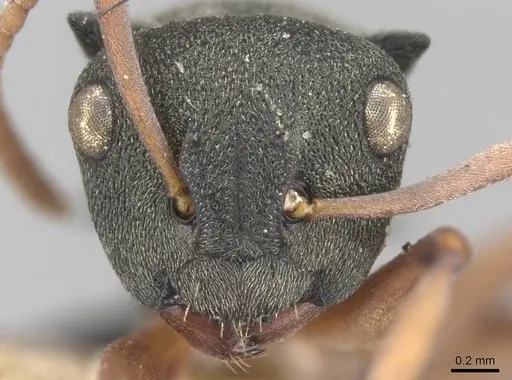
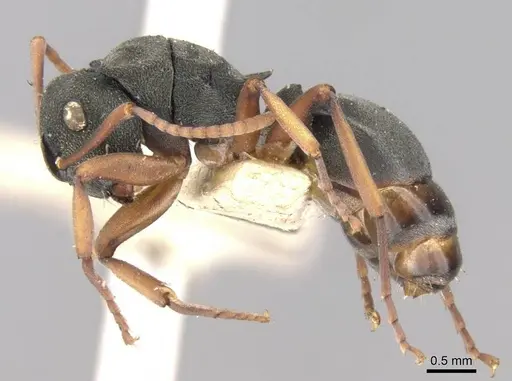
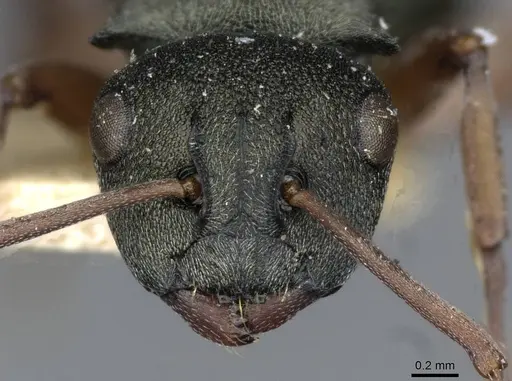
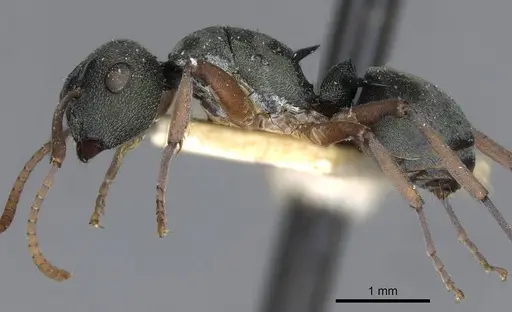
Polyrhachis jerdonii is a small ant species endemic to Sri Lanka. Workers have a total length of approximately 5 mm, with a bicolored body: black mesosoma and gaster, and yellow to light reddish-brown appendages . They belong to the Myrmhopla subgenus and cryptoceroides species-group, known for arboreal nesting . The species is rare, known only from a few isolated collections in Sri Lanka's wet zone . This ant is notable for its silk-nesting behavior, where workers use silk to construct nests in trees and shrubs, a trait common in the Polyrhachis genus .
Quick Summary
- Difficulty: Medium
- Origin & Habitat: Endemic to Sri Lanka, found only in the wet zone [3]. They nest arboreally in trees and shrubs, using silk [2].
- Colony Type: Colony structure is unconfirmed for P. jerdonii.
- Size & Growth:
- Antkeeping:
- Temperature: Keep warm, roughly 24-28°C, based on tropical habitat [3].
- Humidity: Keep nest substrate consistently moist but not waterlogged, based on wet zone distribution [3].
- Diapause: No, as a tropical species from Sri Lanka [3].
- Nesting: Arboreal setup required, using silk for nest construction [2].
- Behavior: Polyrhachis jerdonii is generally peaceful and non-aggressive. They use formic acid spray for defense, as typical for Formicinae ants. Workers are excellent climbers and forage actively. Their small size requires careful escape prevention.
- Common Issues: limited availability, this species is rarely available in the antkeeping hobby due to its restricted range, escape risk, small size requires fine mesh barriers and secure enclosures, arboreal setup complexity, they need vertical space and silk-nesting materials, which is more involved than ground-nesting setups, humidity management, maintaining proper humidity without causing mold requires attention, lack of species-specific care data, most care recommendations are inferred from related species
Housing and Nest Setup
Polyrhachis jerdonii requires an arboreal-style setup since they naturally nest in trees and shrubs. You need vertical space and materials for silk nest construction. Use a naturalistic setup with live or artificial plants, branches, or cork bark. A Y-tong formicarium with added vertical elements works well. Ensure all connections are tight-fitting to prevent escapes due to their small size [1]. Provide a water source and maintain humidity through occasional misting.
Feeding and Diet
Specific diet data is unavailable for P. jerdonii. Based on related Polyrhachis species, they are likely omnivorous. Offer sugar sources like honey water constantly, and protein such as fruit flies or small insects several times a week. Remove uneaten food after 24 hours to maintain hygiene.
Temperature and Humidity
Maintain temperatures around 24-28°C with minimal fluctuations. A heating gradient can be provided using a cable on one side of the nest. For humidity, keep the nest substrate moist but not waterlogged, as they are from Sri Lanka's wet zone [3]. Ensure adequate ventilation to prevent mold.
Behavior and Colony Dynamics
This species is part of the Myrmhopla subgenus, known for silk-nesting behavior [2]. Workers cooperate to spin silk for nest construction. They are diurnal foragers and generally non-aggressive, using formic acid spray for defense. Colonies are likely small, and workers are excellent climbers [1]. Avoid housing with predatory insects due to their small size.
Frequently Asked Questions
How long does it take for Polyrhachis jerdonii to produce first workers?
The exact timeline is unconfirmed, but based on related Polyrhachis species, expect 6-8 weeks from egg to worker at optimal tropical temperatures.
Can I keep Polyrhachis jerdonii in a test tube setup?
Test tubes are not ideal. They are arboreal ants that need vertical setups with plant material or cork bark for silk nests [2].
What do Polyrhachis jerdonii eat?
Specific diet is unknown, but they are likely omnivorous. Offer sugar sources constantly and protein several times a week.
Are Polyrhachis jerdonii good for beginners?
This species is not ideal for beginners due to limited availability, arboreal setup requirements, and lack of species-specific care data.
Do Polyrhachis jerdonii need hibernation?
No, as a tropical species from Sri Lanka, they do not require hibernation [3].
How big do Polyrhachis jerdonii colonies get?
Colony size is unknown, but based on limited field collections, they likely remain small.
Why is Polyrhachis jerdonii so rarely available?
This species is endemic to Sri Lanka and known only from a few isolated collections [1]. It is found only in the wet zone [3], making it uncommon in the antkeeping hobby.
How do I set up an arboreal nest for Polyrhachis jerdonii?
Use a vertical setup with cork bark, plants, or branches. The ants will use silk to bind materials into nests [2]. Ensure good ventilation to prevent mold.
Report an Issue
The current care sheet is based fully on literature. See inconsistencies, or something that's incorrect? Please , it will be resolved after review from an admin. Contributing to the blogs tab also helps providing information, to make us be able to further improve the caresheets. Thank you for your support!
References

This caresheet is licensed under CC BY-SA 4.0 .
Community Blogs
CASENT0906755
View on AntWeb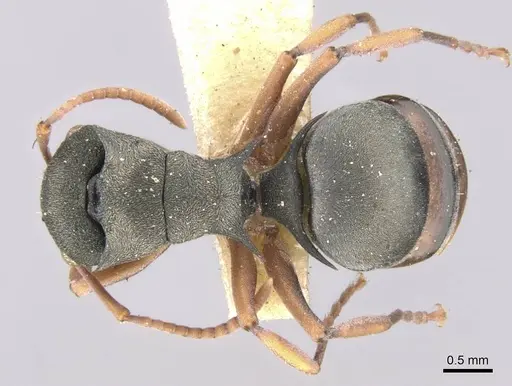
CASENT0910853
View on AntWeb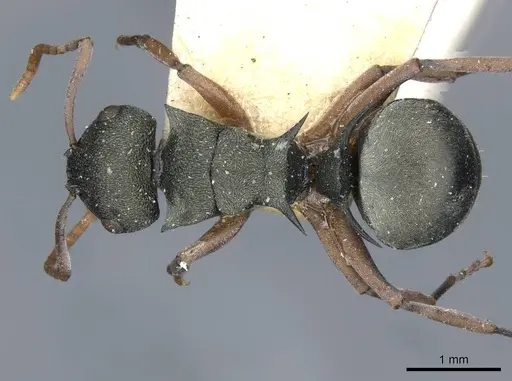
Literature
Loading distribution map...Loading products...