
Polyrhachis hirsuta
- Sci. Name
- Polyrhachis hirsuta
- Subgenus
- Campomyrma
- Tribe
- Camponotini
- Subfamily
- Formicinae
- Author
- Mayr, 1876
- Distribution
- Found in 1 countries
Introduction
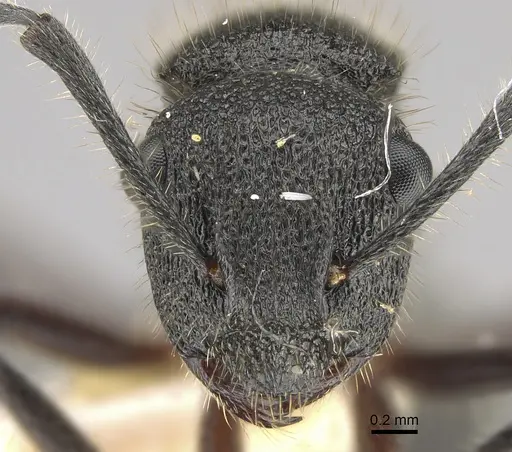
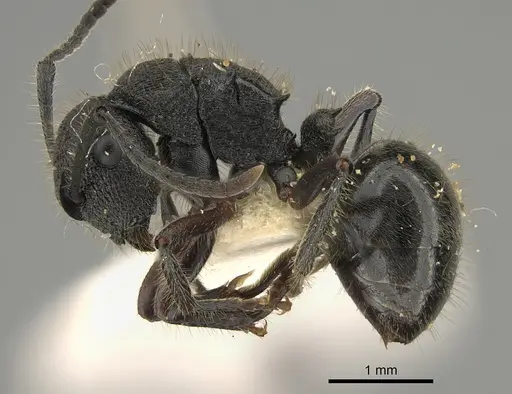
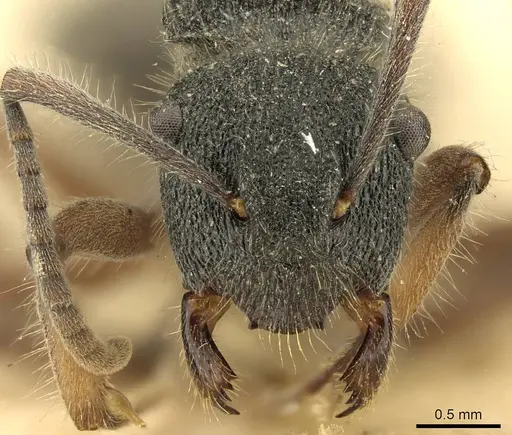
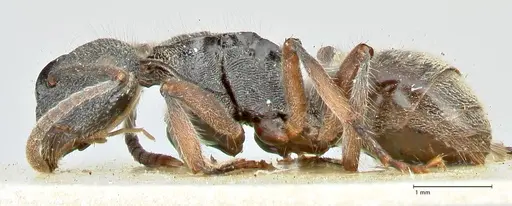
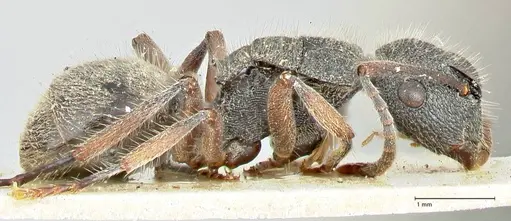
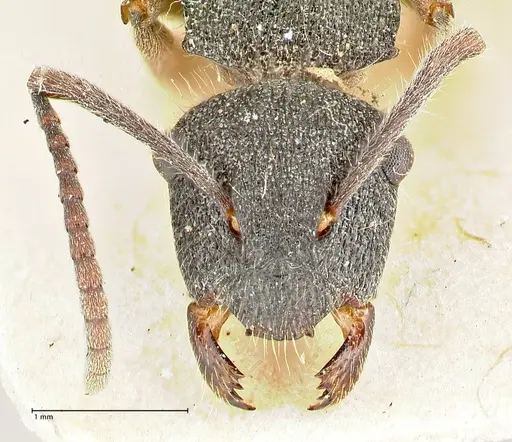
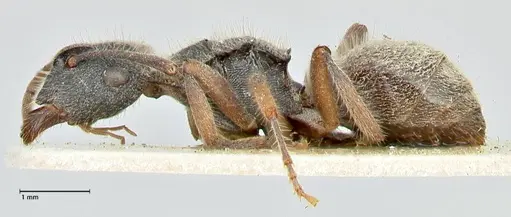
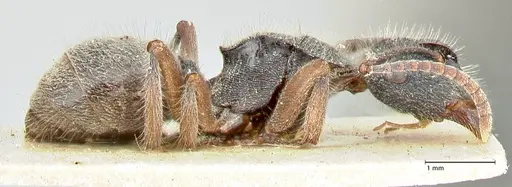
Polyrhachis hirsuta is an Australian ant with extremely hairy workers . It belongs to the subgenus Campomyrma and is found in regions including Western Australia, New South Wales, and Queensland . The species nests subterraneanly in soil . A notable trait is that Polyrhachis hirsuta has pupal cocoons, which is unusual among Formicinae ants that often have naked pupae .
Quick Summary
- Difficulty: Medium
- Origin & Habitat: Australia, found in Jarrah-Marri woodland in southwestern WA, as well as NSW and QLD. Nests in soil in natural habitats [1][3].
- Colony Type: Colony structure is unconfirmed. No specific information on queen number is available from the research.
- Size & Growth:
- Queen: Size data unavailable, no total length measurements provided in research.
- Worker: Size data unavailable, no total length measurements provided in research.
- Colony: Unknown, no specific colony size data for this species.
- Growth: Unknown
- Development: Unknown, no specific study exists. Based on genus patterns, estimated 8-12 weeks at optimal temperature. (Development time is inferred from Polyrhachis genus patterns as no species-specific study exists.)
- Antkeeping:
- Temperature: Temperature needs are unknown. For antkeeping, keep at a stable temperature around 24-28°C, as many Australian ants prefer warmth.
- Humidity: Humidity needs are unknown. For subterranean nesters, keep the nest substrate consistently moist but not waterlogged.
- Diapause: Diapause requirements are unknown. Based on geographic range, a winter rest period may be beneficial.
- Nesting: Subterranean nester, they nest in soil in the wild [1][2]. In captivity, use a naturalistic setup with soil or a Y-tong/plaster nest with moist substrate.
- Behavior: Polyrhachis ants are classified as Subordinate Camponotini, meaning they are less aggressive toward other ant species [4]. Workers have pupal cocoons [2]. Escape risk is moderate, use standard barrier methods.
- Common Issues: limited availability in the antkeeping hobby., proper humidity is important to prevent pupal drying [2]., stable temperature conditions are needed for colony health.
Nest Preferences
Polyrhachis hirsuta is a subterranean nester, meaning they naturally dig and live in soil [1][2]. In the wild, they have been found nesting in soil within Jarrah-Marri woodland in Western Australia [1]. For captive care, a naturalistic setup with a soil-filled container or a Y-tong nest with soil-like substrate works well. These ants prefer tight chambers and narrow passages that match what they would create in natural soil nests. The nest should have some moisture-retaining properties since they are subterranean, but avoid waterlogging.
Feeding and Diet
Polyrhachis ants are omnivorous, similar to other members of the Camponotini tribe. They will accept sugar sources like honey water or sugar water, and protein sources such as small insects [3]. Feed them a varied diet: offer sugar water or honey once or twice a week, and protein insects 2-3 times per week. Remove uneaten prey after 24 hours to prevent mold. Provide a constant source of clean water.
Behavior and Temperament
These ants are classified as Subordinate Camponotini, which means they are relatively peaceful and not aggressive toward humans or other ant species [4]. Workers are active foragers but do not exhibit particularly defensive behavior. One notable trait is that Polyrhachis species have pupal cocoons, which is somewhat unusual among Formicinae ants [2]. This means you may see wrapped pupae rather than white naked pupae in the nest. Workers are extremely hairy, which is a distinctive identification feature [1]. They are not known to be particularly good escape artists, but standard barrier methods like Fluon should still be used.
Frequently Asked Questions
How long does it take for Polyrhachis hirsuta to get their first workers?
From egg to first worker is unknown, no specific study exists. Based on genus patterns, it may take 8-12 weeks at optimal temperature.
What do Polyrhachis hirsuta ants eat?
They are omnivorous. Offer sugar water or honey as a constant carbohydrate source, and small insects like fruit flies or mealworms for protein 2-3 times per week [3].
What temperature do Polyrhachis hirsuta need?
Temperature needs are unknown. For antkeeping, keep them warm at 24-28°C, as many Australian ants prefer warmth.
Do Polyrhachis hirsuta need hibernation?
Diapause requirements are unknown. Based on geographic range, a winter rest period may be beneficial.
Can I keep multiple queens together?
Colony structure is unconfirmed. No specific information on queen number is available, so it is not recommended to keep multiple queens together without evidence.
What type of nest is best for Polyrhachis hirsuta?
They are subterranean nesters, so a naturalistic setup with soil or a Y-tong/plaster nest with moist substrate works well [1][2].
Are Polyrhachis hirsuta good for beginners?
They are rated as Medium difficulty. They are not as beginner-friendly as some species, but their main challenge is limited availability in the antkeeping hobby.
How big do Polyrhachis hirsuta colonies get?
Colony size is unknown, no specific data for this species.
Why are my Polyrhachis hirsuta dying?
Common issues include improper humidity causing pupal drying [2], unstable temperature conditions, or stress from disturbance. Ensure proper escape prevention and stable care.
Report an Issue
The current care sheet is based fully on literature. See inconsistencies, or something that's incorrect? Please , it will be resolved after review from an admin. Contributing to the blogs tab also helps providing information, to make us be able to further improve the caresheets. Thank you for your support!
References

This caresheet is licensed under CC BY-SA 4.0 .
Community Blogs
CASENT0887767
View on AntWeb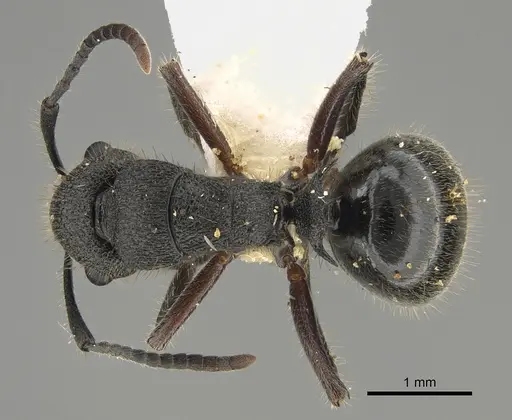
CASENT0915614
View on AntWeb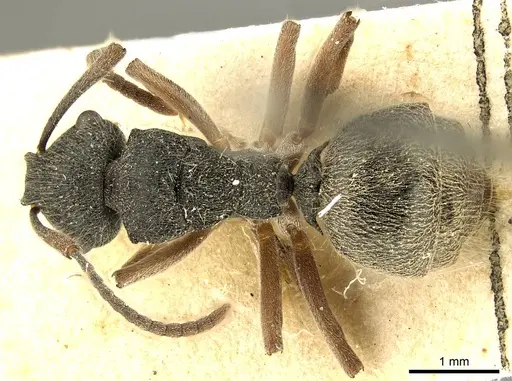
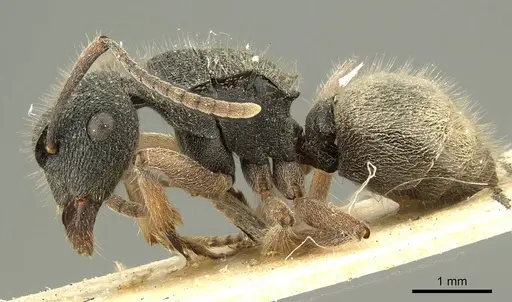
FOCOL2546
View on AntWeb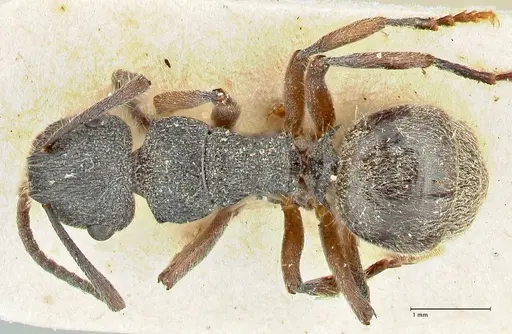
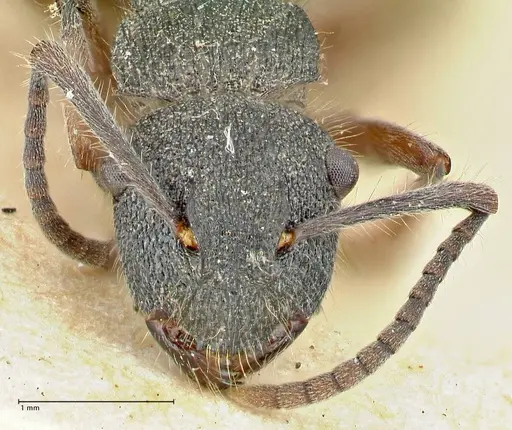
FOCOL2547
View on AntWeb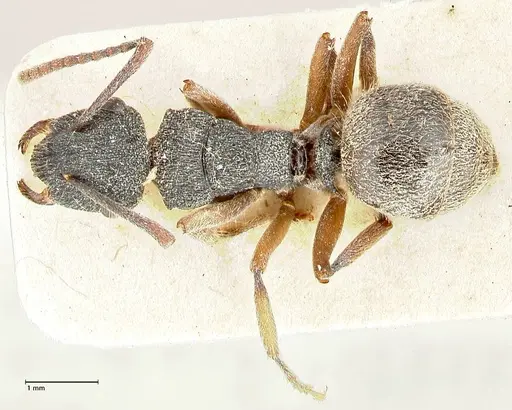
Literature
Loading distribution map...Loading products...