
Polyrhachis hexacantha
- Sci. Name
- Polyrhachis hexacantha
- Subgenus
- Campomyrma
- Tribe
- Camponotini
- Subfamily
- Formicinae
- Author
- Erichson, 1842
- Distribution
- Found in 1 countries
Introduction
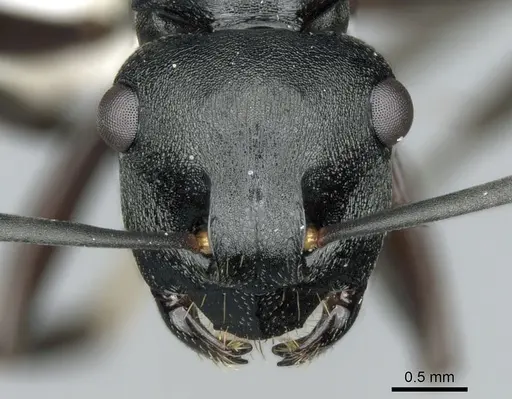
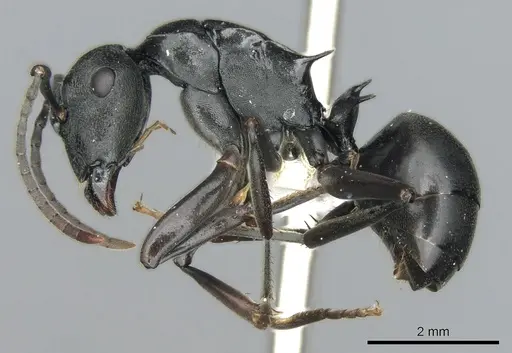
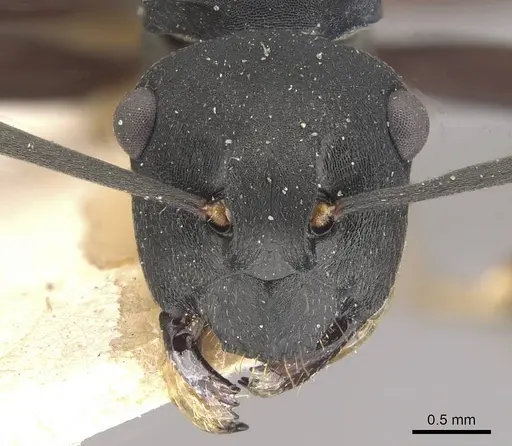
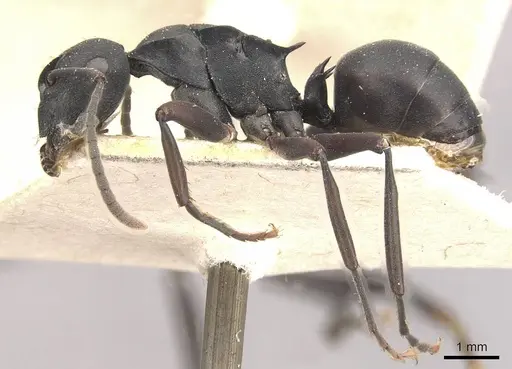
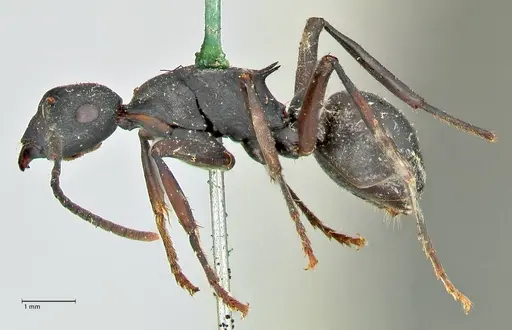
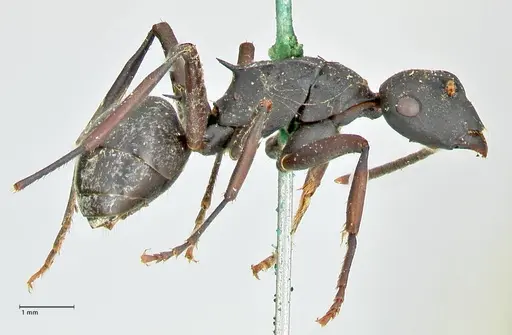
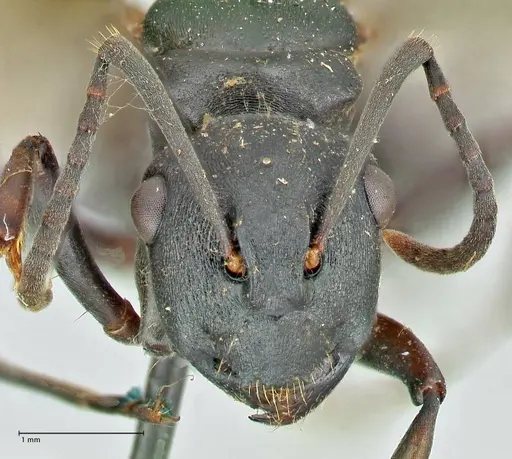
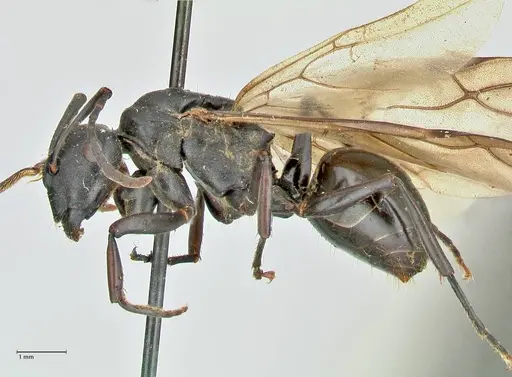
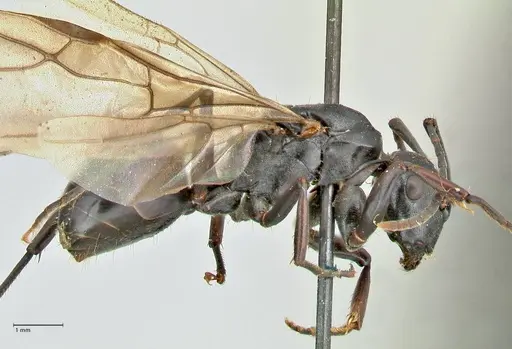
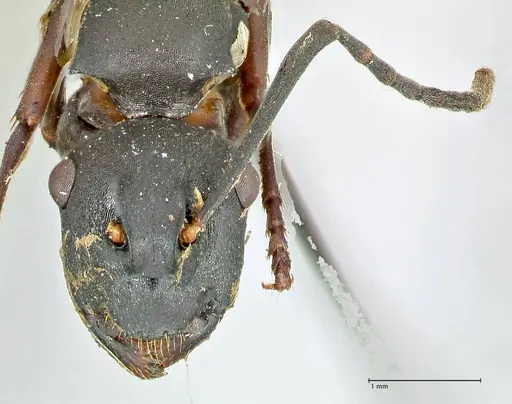
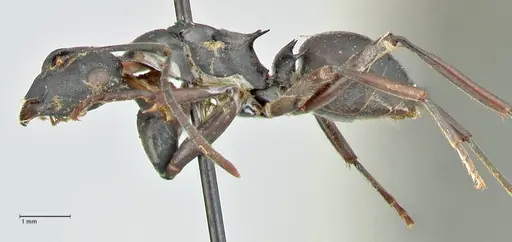
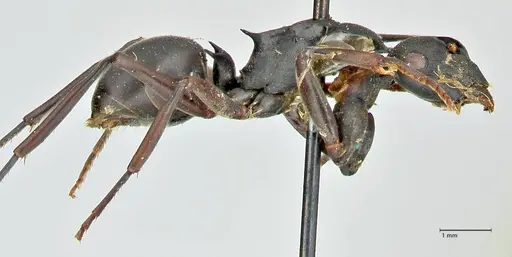
Polyrhachis hexacantha is a medium-sized ant native to southeastern Australia and Tasmania. Workers have a total length of 7.81-9.27 mm and a distinctive dull, opaque appearance due to very closely spaced reticulate punctations on their body . They inhabit mountainous regions from southeastern NSW and ACT, south through the Victorian Alps to Tasmania . These ants nest subterraneously or in rotting wood and line their nests with silk, with pupae developing inside cocoons .
Quick Summary
- Difficulty: Medium
- Origin & Habitat: Mountainous regions of southeastern Australia, including southeastern NSW, ACT, Victorian Alps, and Tasmania [1][2].
- Colony Type: Unconfirmed, no specific data on queen number in literature.
- Size & Growth:
- Queen: Size data unavailable, no total length measurements in context
- Worker: 7.81-9.27 mm total length [1]
- Colony: Unknown, no colony size data in literature
- Growth: Moderate, inferred from temperate origin
- Development: Unknown, no specific data in literature (Pupae develop inside cocoons, which may affect development time)
- Antkeeping:
- Temperature: Keep cool, roughly 18-22°C, based on temperate mountainous origin [3]. Avoid temperatures above 25°C.
- Humidity: Keep nest substrate consistently moist but not waterlogged, as they are subterranean nesters [3].
- Diapause: Unknown, no specific data on diapause requirements in literature.
- Nesting: Subterranean or lignicolous nests lined with silk [3]. Use Y-tong, plaster, or textured nests to encourage natural behavior.
- Behavior: Generally calm and non-aggressive foragers. Defense mechanism: lacks a functional sting, bites and sprays formic acid from an acidopore (subfamily Formicinae, tribe Camponotini). Escape risk is moderate for medium-sized ants, standard barriers are sufficient.
- Common Issues: heat stress risk due to cool-climate adaptation, slow growth compared to tropical species may require patience, silk-nesting behavior may not suit bare smooth nests
Housing and Nest Setup
Polyrhachis hexacantha nests subterraneously or in rotting wood in the wild [3]. In captivity, use Y-tong (AAC) or plaster nests that maintain humidity. These ants line their nests with silk, so provide textured surfaces to encourage this behavior [3]. Chambers should suit workers of 7-9 mm total length. A water reservoir helps maintain moisture without constant rehydration.
Temperature Requirements
Keep the nest area cool, around 18-22°C, as they originate from temperate mountainous regions [3]. Avoid temperatures above 25°C, as they may struggle in heat. Room temperature is often suitable, but place the colony away from direct sunlight or heat sources.
Feeding and Diet
These ants are omnivorous. Offer protein sources like small insects and sweet liquids such as honey water. Provide varied diet with protein 2-3 times per week and constant sugar access. Remove uneaten prey after 24-48 hours to prevent mold.
Winter Dormancy and Diapause
Diapause requirements are unknown, no specific data in literature. If keeping in temperate climates, observe colony behavior and adjust temperature seasonally based on general antkeeping practices.
Growth and Development
Workers are 7.81-9.27 mm total length [1]. Pupae develop inside cocoons [3], which may extend development time. Growth is moderate, expect patience with colony expansion.
Frequently Asked Questions
Can I keep Polyrhachis hexacantha in a test tube?
Test tubes can work for founding colonies, but transfer to a proper nest once the colony grows. Their silk-nesting behavior means textured surfaces are beneficial [3].
What temperature is too hot for Polyrhachis hexacantha?
Avoid temperatures above 25°C. Keep them at 18-22°C for optimal health, as they are adapted to cool climates [3].
How long does it take for first workers to emerge?
No specific data on development timeline in literature. Pupae develop inside cocoons, which may affect timing [3].
Do they need hibernation?
Diapause requirements are unknown, no specific data in literature. Observe colony behavior and adjust seasonally.
Are Polyrhachis hexacantha good for beginners?
They are moderate difficulty due to cool temperature needs and slow growth. Suitable for intermediate antkeepers.
What do Polyrhachis hexacantha eat?
They are omnivorous. Offer small insects for protein and sweet liquids like honey water.
When should I move them to a formicarium?
Move from test tube to a proper nest when the colony grows, using Y-tong or plaster nests [3].
Report an Issue
The current care sheet is based fully on literature. See inconsistencies, or something that's incorrect? Please , it will be resolved after review from an admin. Contributing to the blogs tab also helps providing information, to make us be able to further improve the caresheets. Thank you for your support!
References

This caresheet is licensed under CC BY-SA 4.0 .
Community Blogs
CASENT0249664
View on AntWeb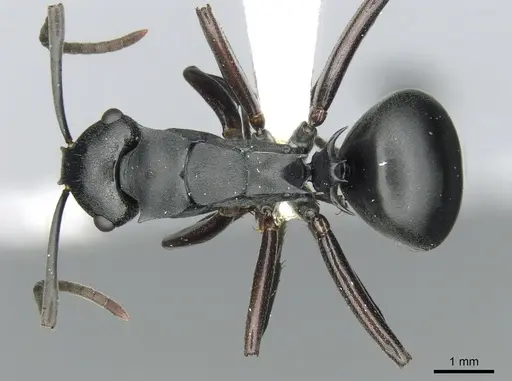
CASENT0910769
View on AntWeb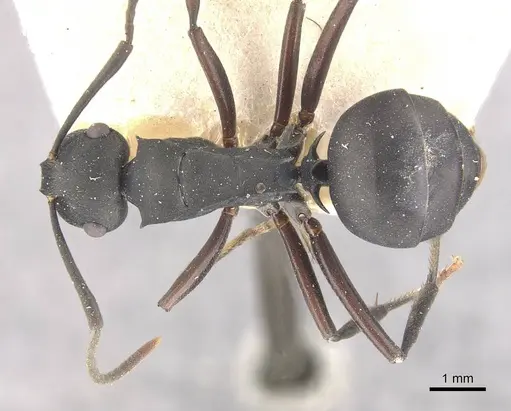
FOCOL2543
View on AntWeb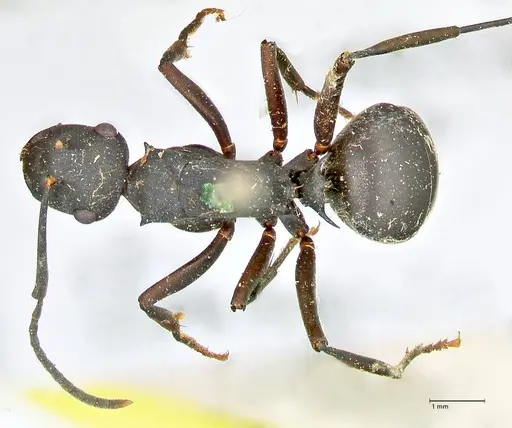
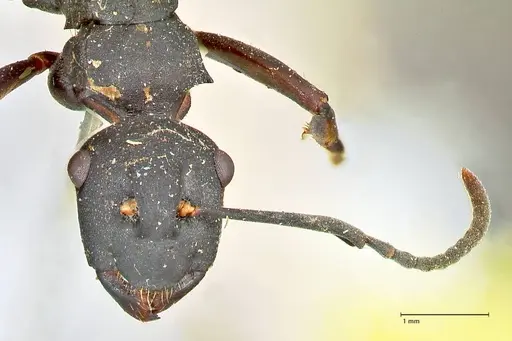
FOCOL2544
View on AntWeb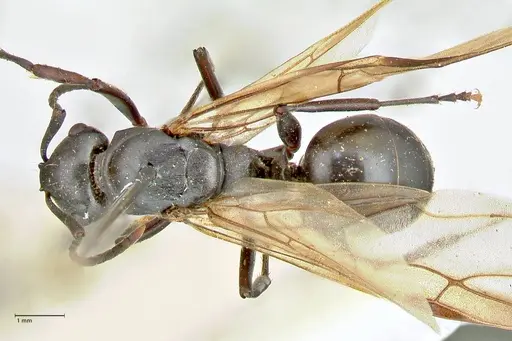
FOCOL2545
View on AntWeb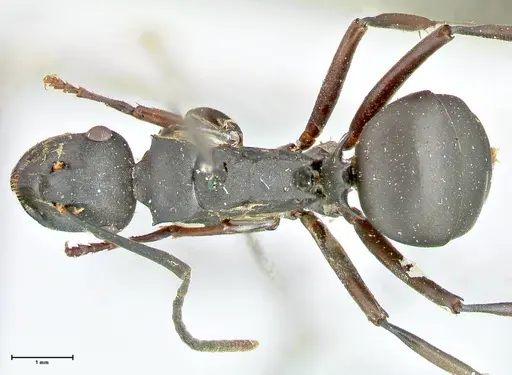
Literature
Loading distribution map...Loading products...