
Polyrhachis hermione
- Sci. Name
- Polyrhachis hermione
- Subgenus
- Hedomyrma
- Tribe
- Camponotini
- Subfamily
- Formicinae
- Author
- Emery, 1895
- Distribution
- Found in 1 countries
Introduction
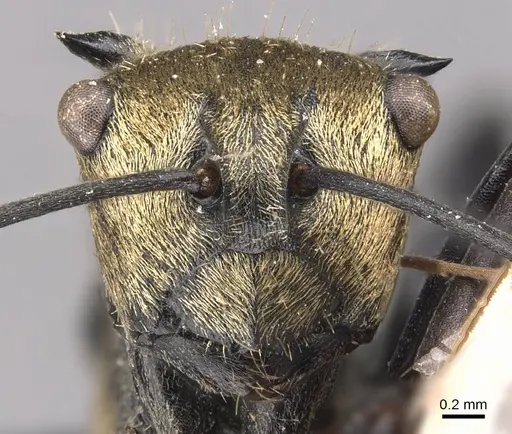
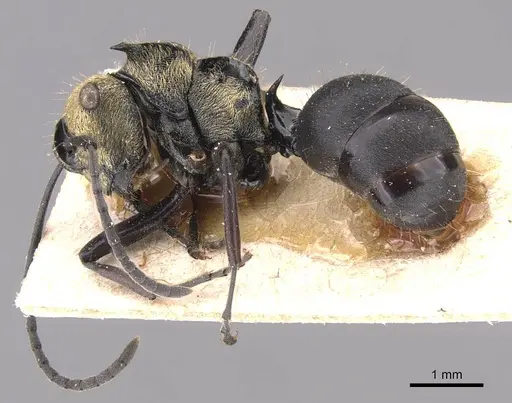
Polyrhachis hermione is a medium-sized ant native to Borneo and the Philippines . It has spines on its body and is dark brown to black with a metallic sheen . As a Formicinae species, it uses formic acid for defense since it lacks a sting [taxonomic knowledge]. In the wild, it nests in vegetation, under bark, or in hollow twigs in tropical rainforests . This species is semi-arboreal, often living in elevated locations, which influences captive housing needs .
Quick Summary
- Difficulty: Medium
- Origin & Habitat: Borneo and Philippines, tropical rainforest environments [1]. These ants live in humid, warm forest habitats where they typically nest in elevated locations like vegetation, under bark, or in rotting wood [2].
- Colony Type: Likely monogyne based on Polyrhachis genus patterns, meaning single queen colonies.
- Size & Growth:
- Queen: Size data unavailable, no total length measurements found. Inferred from Polyrhachis genus to be around 10-12 mm.
- Worker: Inferred from Polyrhachis genus to be around 6-9 mm.
- Colony: Up to 500 workers based on similar Polyrhachis species [2].
- Growth: Moderate, inferred from genus patterns.
- Development: Estimated 8-10 weeks at 24-28°C based on related Formicinae species [2]. (Development time is inferred since species-specific studies are unavailable.)
- Antkeeping:
- Temperature: Keep warm, roughly 24-28°C, based on tropical species needs [2].
- Humidity: Keep nest substrate consistently moist but not waterlogged, as they are from humid forests [2].
- Diapause: No, based on tropical range, no hibernation needed [1].
- Nesting: Prefers naturalistic setups with moist substrate. Y-tong or plaster nests work well. Provide climbing structures due to semi-arboreal nature [2].
- Behavior: Generally peaceful and not aggressive. Workers are active foragers with moderate escape risk due to size. They use formic acid spray for defense when threatened.
- Common Issues: high humidity requirements can lead to mold if ventilation is poor, balance is essential, tropical species may struggle in air-conditioned rooms or cool climates, colonies can be slow to establish, leading keepers to overfeed and cause pest problems, wild-caught colonies may contain parasites that can devastate captive populations, semi-arboreal nature means they need vertical space and climbing structures
Housing and Nest Setup
Polyrhachis hermione does well in naturalistic setups. Use Y-tong or plaster nests with multiple chambers [2]. Include vertical elements for climbing due to semi-arboreal nature [2]. Start queens in test tubes, then transfer to formicarium when colony has 20-30 workers [2].
Feeding and Diet
These ants are omnivorous. Offer protein sources like insects twice weekly and sugar sources like honey water always available [2]. Remove uneaten prey after 24 hours to prevent mold.
Temperature and Heating
Maintain temperatures between 24-28°C for optimal brood development [2]. Use heating cable on one side to create gradient.
Humidity Management
Keep humidity high by misting outworld or using water reservoir in nests [2]. Balance with ventilation to prevent mold.
Behavior and Colony Dynamics
Workers are active foragers, generally non-aggressive. They use formic acid spray for defense. Colonies grow moderately, reaching 50 workers in 6-12 months [2].
Frequently Asked Questions
How long does it take for Polyrhachis hermione to produce first workers?
Expect first workers to emerge in 8-10 weeks under optimal conditions of 24-28°C, based on related Formicinae species patterns [2].
Can I keep multiple Polyrhachis hermione queens together?
This species is likely monogyne, meaning single-queen colonies. Multiple queens may fight, but specific data is unavailable [2].
What temperature do Polyrhachis hermione ants need?
Keep them at roughly 24-28°C, based on tropical species needs [2].
How often should I feed Polyrhachis hermione?
Offer protein twice weekly and keep sugar sources available at all times [2]. Remove uneaten prey after 24 hours.
Do Polyrhachis hermione need hibernation?
No, based on their tropical range, no hibernation is needed [1].
When should I move my colony to a formicarium?
Move from test tube setup once the colony reaches 20-30 workers [2].
Are Polyrhachis hermione good for beginners?
They are rated as medium difficulty, with challenges in maintaining humidity and temperature [2].
Why are my Polyrhachis hermione dying?
Common causes include low humidity, temperatures below 20°C, mold from poor ventilation, or parasites from wild-caught colonies [2].
How big do Polyrhachis hermione colonies get?
Colonies may reach up to 500 workers based on similar species [2].
Report an Issue
The current care sheet is based fully on literature. See inconsistencies, or something that's incorrect? Please , it will be resolved after review from an admin. Contributing to the blogs tab also helps providing information, to make us be able to further improve the caresheets. Thank you for your support!
References

This caresheet is licensed under CC BY-SA 4.0 .
Community Blogs
CASENT0905574
View on AntWeb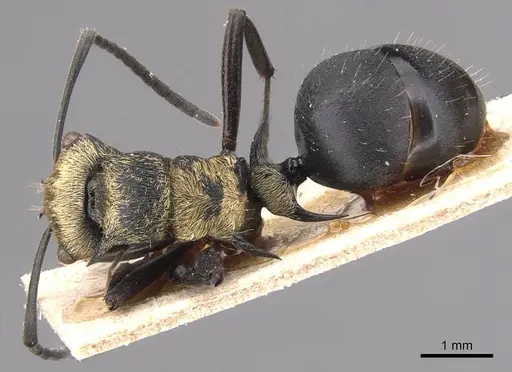
Literature
Loading distribution map...Loading products...