
Polyrhachis heinlethii
- Sci. Name
- Polyrhachis heinlethii
- Subgenus
- Chariomyrma
- Tribe
- Camponotini
- Subfamily
- Formicinae
- Author
- Forel, 1895
- Distribution
- Found in 1 countries
Introduction
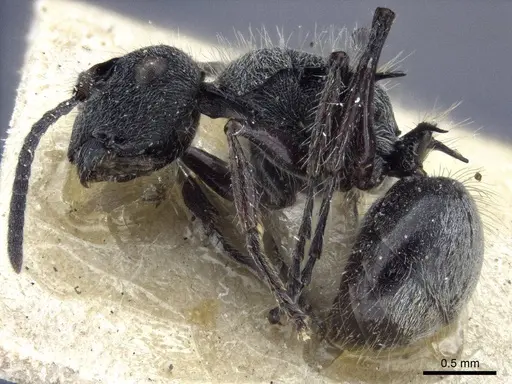
Polyrhachis heinlethii is a medium-sized ant species from the subgenus Chariomyrma. Workers are around 6-10 mm long, with the characteristic spiny thorax that gives Polyrhachis their 'spiny ant' name. They are dark reddish-brown to black. Unlike many Polyrhachis that nest above ground, this species is subterranean - they dig and live in soil . They spin cocoons around their pupae, a typical feature of the genus . These ants have no sting; instead, they bite and spray formic acid into the wound (subfamily Formicinae). They are generally docile and not aggressive toward keepers.
Quick Summary
- Difficulty: Medium
- Origin & Habitat: Asia-Pacific region. This species nests underground in soil, avoiding the above-ground nesting common in many related Polyrhachis [1][2].
- Colony Type: Colony structure is unconfirmed. Most Polyrhachis species are monogyne (single queen), but this has not been specifically documented for Polyrhachis heinlethii.
- Size & Growth:
- Queen: Size data unavailable, inferred from Polyrhachis genus likely around 10-12 mm.
- Worker: Size data unavailable, typical Polyrhachis workers are 6-10 mm.
- Colony: Unknown for this species, Polyrhachis colonies typically reach up to several hundred workers.
- Growth: Moderate, based on genus patterns.
- Development: Estimated 6-8 weeks at optimal temperature (inferred from related species). (Specific measurements are unavailable, development time depends on stable warmth.)
- Antkeeping:
- Temperature: Keep around 24-28 °C. A heating cable on one side of the nest creates a gradient that lets ants choose their preferred zone.
- Humidity: Moderate to high humidity, subterranean nesting suggests moist soil. Keep the nest substrate consistently damp but not waterlogged.
- Diapause: Likely no true diapause. As a tropical/subtropical species, they may slow in cooler months but probably do not need hibernation.
- Nesting: Subterranean, they need soil or a moist substrate nest (Y‑tong, plaster, or naturalistic soil chambers). Avoid dry setups.
- Behavior: Generally docile and non-aggressive. They lack a sting, their defense is to bite and spray formic acid. Escape risk is moderate, they are medium‑sized and active foragers. Standard barriers (e.g., fluon, oil) work well.
- Common Issues: colonies may fail if kept too dry, subterranean species need moisture., slow founding period if queen is claustral and sealing herself in, be patient., limited specific care information means keepers must adapt from genus knowledge., wild-caught colonies may have parasites, quarantine and observe new colonies.
Nest Preferences and Housing
Polyrhachis heinlethii is a subterranean nester, they dig and live in soil rather than in plants or above‑ground structures [1][2]. This makes them different from many Polyrhachis species that nest in trees. In captivity, a naturalistic setup with moist soil chambers or a Y‑tong/plaster nest works well. The nest should have chambers that let the colony dig their own galleries. Keep the substrate consistently moist, these ants are used to underground conditions with stable humidity. A water tube attached to the nest helps maintain moisture over time.
Feeding and Diet
Polyrhachis heinlethii is omnivorous like most ants in the genus. They accept protein (small insects like fruit flies, small crickets, mealworms) and sugary foods (honey, sugar water). In the wild, they likely forage for nectar and small invertebrates. Offer protein 2-3 times per week and keep a constant sugar source available. Remove uneaten food after 24-48 hours to prevent mold.
Temperature and Seasonal Care
As a species from the Asia‑Pacific region, Polyrhachis heinlethii prefers warm conditions. Keep the nest area around 24-28 °C. A small heating cable placed on one side of the nest creates a temperature gradient so ants can choose their preferred zone. They are likely accustomed to year‑round warmth and may not need a true hibernation period. In temperate climates, room temperature in the mid‑20s °C is sufficient. Avoid extended periods below 20 °C. [1]
Behavior and Handling
These ants are generally docile and calm compared to many ant species. They are not particularly aggressive and rarely use their main defense: biting and spraying formic acid (subfamily Formicinae). Workers are active foragers and will explore their outworld regularly. They are not strong climbers on smooth surfaces, so standard barrier methods (fluon, oil) work well for containment. Their moderate size makes them easy to observe and handle.
Frequently Asked Questions
How long does it take for Polyrhachis heinlethii to produce first workers?
Based on related Polyrhachis species, expect first workers (nanitics) in approximately 6-8 weeks after the queen lays eggs, assuming optimal temperature around 26 °C. This is an estimate, specific data for this species is unavailable.
Can I keep Polyrhachis heinlethii in a test tube?
Test tubes can work for founding colonies, but once the colony grows they need a more spacious nest. Since this is a subterranean species, they do better in setups with soil or moist substrate long‑term.
What temperature do Polyrhachis heinlethii need?
Keep them warm at 24-28 °C. A heating cable on part of the nest creates a gradient. They are tropical/subtropical and need consistent warmth.
How big do Polyrhachis heinlethii colonies get?
Colony size is not specifically documented, but Polyrhachis colonies typically reach up to several hundred workers. Growth is moderate, expect several months to a year to reach 50+ workers.
Do Polyrhachis heinlethii need hibernation?
Probably not. As a tropical/subtropical species from the Asia‑Pacific region, they likely do not require true hibernation. They may slow down slightly in cooler months but should be kept warm year‑round.
What do Polyrhachis heinlethii eat?
They are omnivorous. Offer protein (small insects like fruit flies, pinhead crickets) 2-3 times per week and keep a constant sugar source (honey or sugar water) available.
Are Polyrhachis heinlethii good for beginners?
They are rated as medium difficulty. They have specific humidity needs (subterranean, so they need moisture) and warmth requirements. Some experience with ant keeping is helpful, but they are not among the most difficult species.
Report an Issue
The current care sheet is based fully on literature. See inconsistencies, or something that's incorrect? Please , it will be resolved after review from an admin. Contributing to the blogs tab also helps providing information, to make us be able to further improve the caresheets. Thank you for your support!
References

This caresheet is licensed under CC BY-SA 4.0 .
Community Blogs
CASENT0903347
View on AntWeb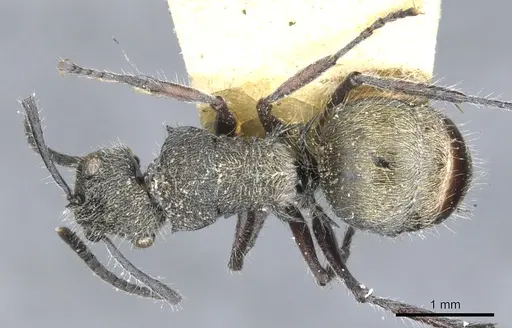
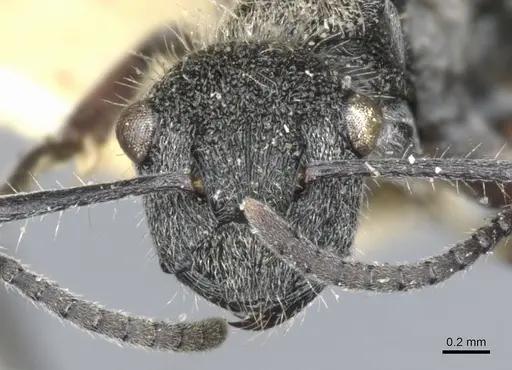
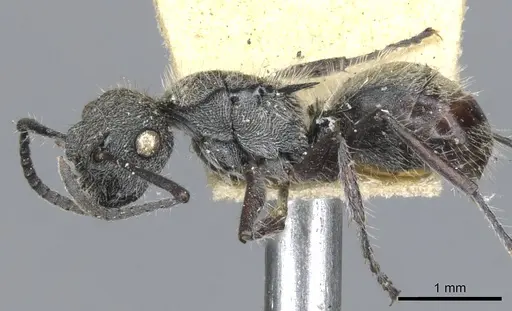
CASENT0905585
View on AntWeb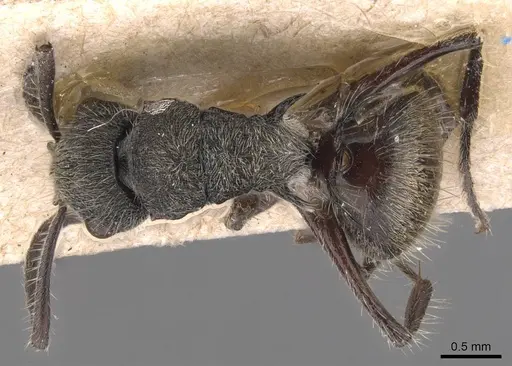
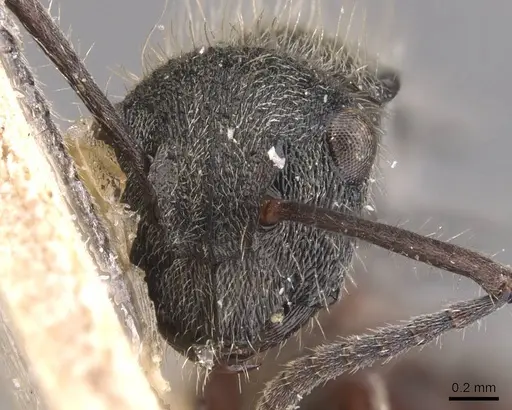
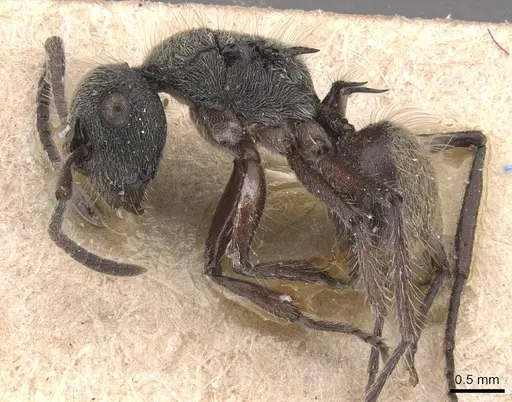
CASENT0910826
View on AntWeb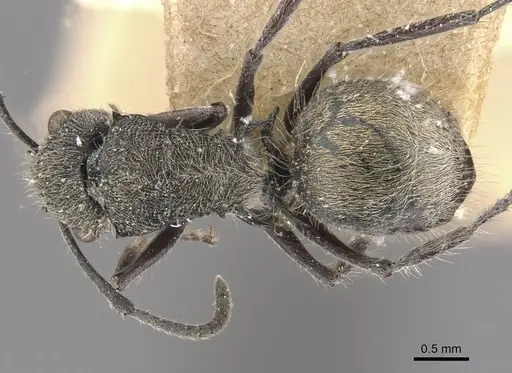
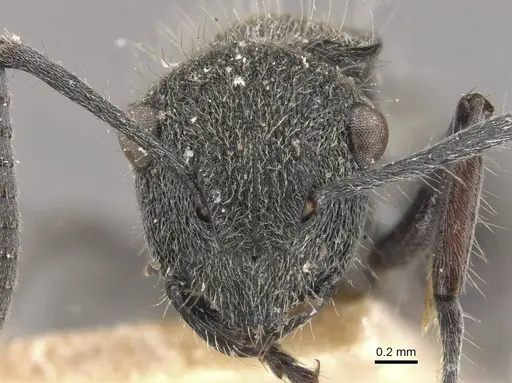
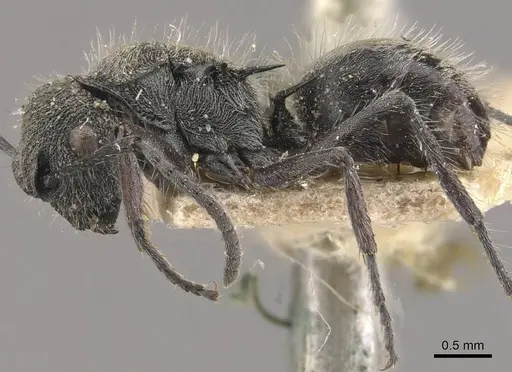
CASENT0910827
View on AntWeb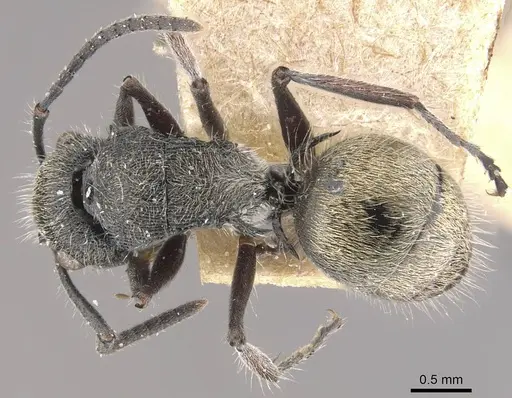
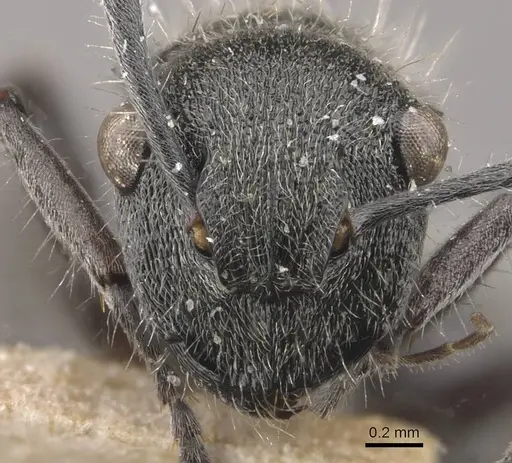
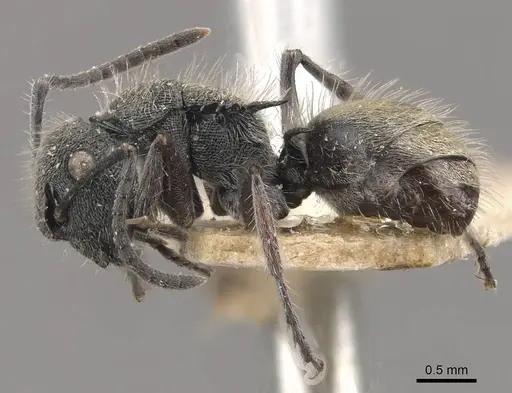
CASENT0916642
View on AntWeb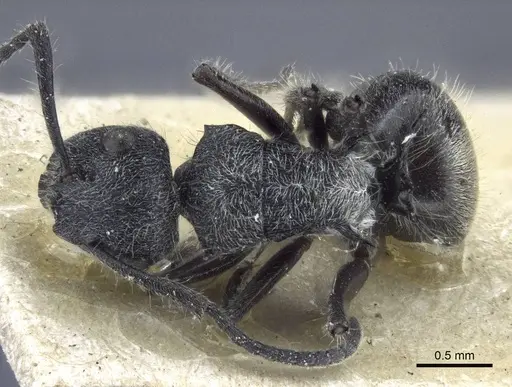
Literature
Loading distribution map...Loading products...