
Polyrhachis gestroi
- Sci. Name
- Polyrhachis gestroi
- Subgenus
- Myrmhopla
- Tribe
- Camponotini
- Subfamily
- Formicinae
- Author
- Emery, 1900
- Distribution
- Found in 0 countries
Introduction
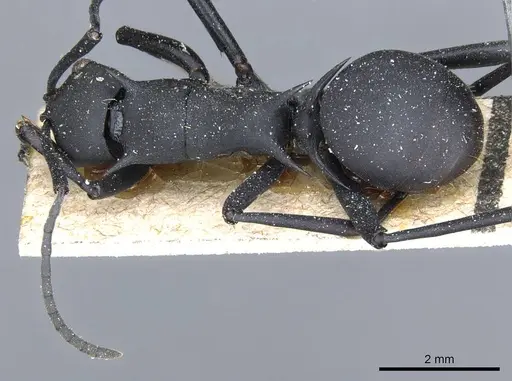
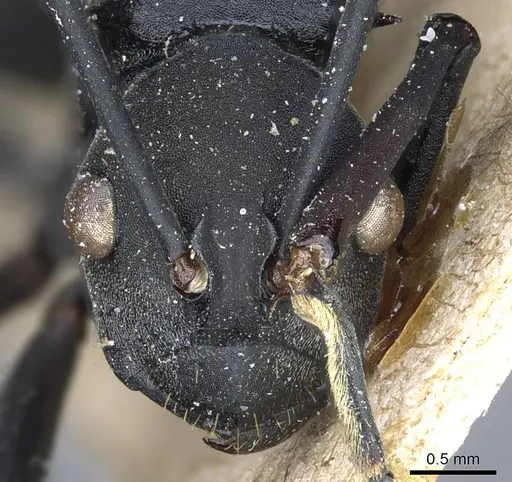
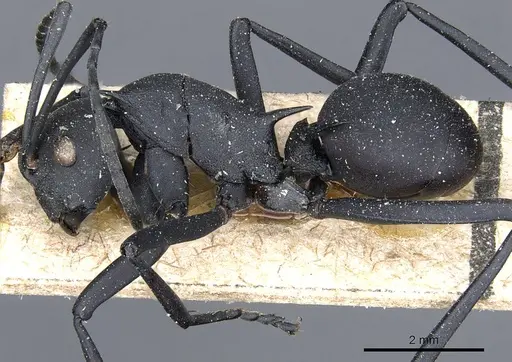
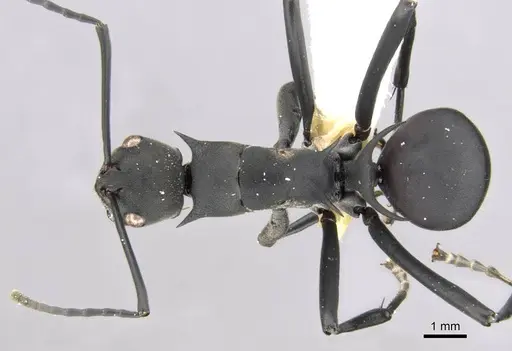
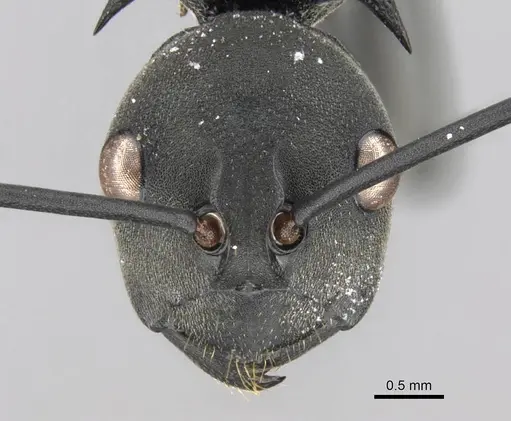
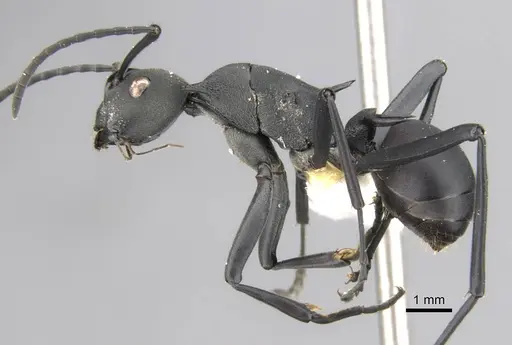
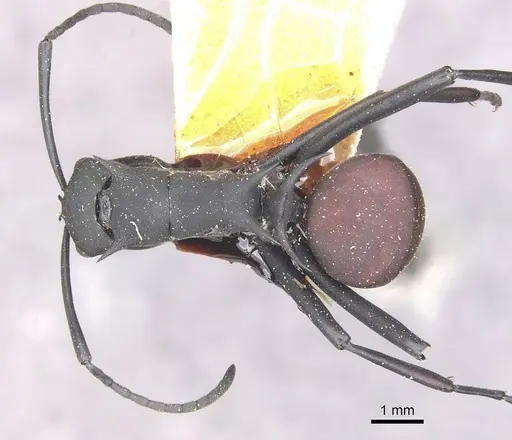
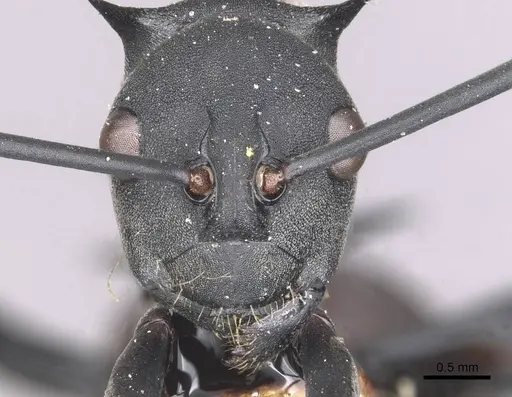
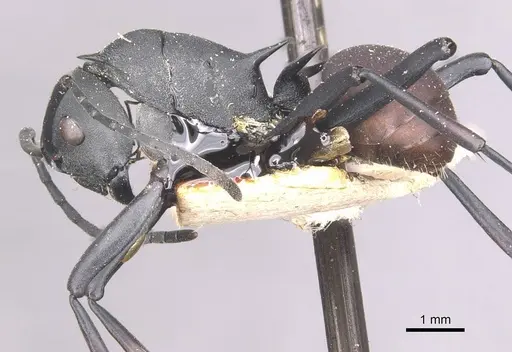
Polyrhachis gestroi is a medium-sized ant of the subgenus Myrmhopla, found in the Indomalaya region: Borneo, Indonesia, and Malaysia . It was first described by Emery in 1900 from the Mentawei Islands, Indonesia . Like other Polyrhachis, workers have spines on the thorax - the genus name means 'many spines'. They inhabit tropical rainforests. Very little is known about their specific biology, so most care advice is based on patterns seen in related Polyrhachis species.
Quick Summary
- Difficulty: Medium
- Origin & Habitat: Tropical rainforests of Borneo, Indonesia, and Malaysia [1][2]. Specific habitat preferences within the forest are unconfirmed, but they likely occur in shaded, humid environments at low to mid elevations.
- Colony Type: Unconfirmed. Based on general Polyrhachis patterns, most species are monogyne (single queen), but colony structure for this species has not been studied.
- Size & Growth:
- Queen: Size data unavailable
- Worker: Size data unavailable
- Colony: Unknown, typical Polyrhachis colonies can reach several hundred workers, but no specific data for this species
- Growth: Moderate, estimated based on tropical ant development patterns
- Development: Unknown, no specific data available. Based on related tropical Polyrhachis, estimate 6-10 weeks at 25-28°C (Direct development data is missing. Keepers should observe and note timings themselves.)
- Antkeeping:
- Temperature: Maintain a warm, stable tropical temperature, aim for 24-28°C. Avoid drops below 22°C.
- Humidity: High humidity is essential. Keep nest substrate consistently moist but not waterlogged. Aim for condensation on nest walls. Target around 75-85% relative humidity.
- Diapause: No, as a tropical species, they do not require hibernation. Keep warm year-round.
- Nesting: Preferred nesting sites are unknown. Many Polyrhachis nest in dead wood or build silk nests between leaves. Provide a formicarium with high humidity (Y-tong or plaster) and include vertical structures or live plants if you want to test weaving. A test tube setup works for founding.
- Behavior: Based on general Polyrhachis temperament, workers are typically active foragers and defensive only when nest is disturbed. Their defense is spraying formic acid (subfamily Formicinae), they lack a functional sting. Escape prevention is necessary: although size is unknown, they are agile. Provide a secure outworld with no gaps.
- Common Issues: high humidity requirements can lead to mold if ventilation is poor, balance moisture with airflow, lack of documented care data means keepers must rely on trial and error and observations, temperatures below 22°C can stress the colony and slow or stop development, if weaving behavior is attempted, workers may seal nest entrances with silk, check ventilation openings regularly, overfeeding protein in humid conditions can cause spoilage and mites
Housing and Nest Setup
Since natural nesting preferences for Polyrhachis gestroi are unknown, the best approach is to start with a simple test tube setup for the founding queen. Provide a water reservoir with a cotton plug and keep it dark. Once workers arrive, you can offer a small Y-tong (AAC) or plaster nest with a water reservoir for humidity. Include an outworld with vertical twigs or live plants, some Polyrhachis species weave leaf nests, so this encourages natural behavior. Ensure excellent escape prevention: seal all tubing connections and lid gaps. Transfer from test tube to formicarium once the colony outgrows the tube (typically 30-50 workers, but adjust based on observation).
Feeding and Diet
Like most Polyrhachis, these ants are omnivorous. Offer a constant source of sugar (sugar water, honey water, or a commercial ant food). Provide protein 2-3 times per week: small insects like fruit flies, small crickets, or pieces of mealworm. Remove uneaten prey after 24 hours to prevent mold in the humid setup. In nature, they likely tend aphids for honeydew, so you can also offer a honey-water soaked cotton ball.
Temperature and Humidity Management
Maintain a stable temperature between 24-28°C year-round. Use a heating cable on one side of the nest if room temperature drops below 22°C. Place the cable on top of the nest to avoid drying the substrate unevenly. Humidity is critical: keep the nest substrate moist but not waterlogged. You should see condensation on the nest walls. If using a Y-tong nest, soak a corner regularly. In the outworld, mist plants or leaves daily but allow them to dry slightly between mistings. Poor ventilation combined with high humidity can cause mold, ensure air exchange without drafts.
Colony Development and Growth
Exact development data is unavailable. Based on related tropical Polyrhachis, expect the first nanitic workers to appear 6-10 weeks after egg‑laying at optimal temperatures. The queen will likely be claustral (she does not need feeding during founding), but this is unconfirmed, you can offer a tiny drop of sugar water after a few weeks just in case. Once workers arrive, growth should accelerate. Colony size at maturity is unknown, many Polyrhachis species maintain colonies of a few hundred workers. Do not disturb the queen during founding, keep the nest dark and minimize vibrations.
Behavior and Temperament
Polyrhachis gestroi workers are generally docile but will defend the nest if threatened. They cannot sting, instead they spray formic acid from the tip of the abdomen (subfamily Formicinae). Their spines are defensive structures but pose no danger to humans. Workers are active foragers and may explore every corner of the outworld. If provided with leaves, they might attempt to weave silk together, this behavior is common in the subgenus Myrmhopla but not confirmed for this species. Overall, they are a calm, observation‑friendly ant suitable for keepers with some experience.
Frequently Asked Questions
How long does it take for Polyrhachis gestroi to produce first workers?
Specific development data is not available. Based on related tropical Polyrhachis at 25-28°C, first workers (nanitics) might appear in 6-10 weeks. This is a rough estimate, keepers should track their own colony's progress.
What do Polyrhachis gestroi ants eat?
They are omnivorous. Provide a constant sugar source (sugar water or honey water) and offer small insects (fruit flies, small crickets, mealworms) 2-3 times per week as protein.
Do Polyrhachis gestroi ants need hibernation?
No. As a tropical species from Borneo and Malaysia, they do not require hibernation. Keep them warm year-round at 24-28°C.
Are Polyrhachis gestroi good for beginners?
This species is rated Medium difficulty. The need for stable warmth and high humidity makes them more challenging than common temperate species. They suit keepers who have some experience maintaining controlled microclimates.
How big do Polyrhachis gestroi colonies get?
Colony size is unknown. Based on typical Polyrhachis patterns, a mature colony might reach several hundred workers, but no specific data exists for this species.
Can I keep multiple Polyrhachis gestroi queens together?
Colony structure is unconfirmed. Most Polyrhachis species are monogyne (single queen). It is not recommended to combine unrelated foundresses, fighting is likely. Attempt pleometrosis only if you are experienced and prepared for possible failure.
What humidity level do Polyrhachis gestroi ants need?
High humidity is essential, aim for 75-85%. The nest substrate should be consistently moist, with visible condensation. Use a formicarium with a water reservoir (e.g., Y‑tong or plaster) and monitor regularly.
When should I move Polyrhachis gestroi to a formicarium?
Move from test tube to a formicarium when the colony has 30-50 workers and the test tube starts showing signs of drying or becomes too cramped. If the queen starts brood in the tube, leave her undisturbed until workers emerge.
Why are my Polyrhachis gestroi dying?
Common causes: temperatures below 22°C, humidity too low (below 70%), poor ventilation leading to mold, or sudden environmental changes. Check these parameters first. Also ensure fresh water is available and food is not rotting.
Report an Issue
The current care sheet is based fully on literature. See inconsistencies, or something that's incorrect? Please , it will be resolved after review from an admin. Contributing to the blogs tab also helps providing information, to make us be able to further improve the caresheets. Thank you for your support!
References

This caresheet is licensed under CC BY-SA 4.0 .
Community Blogs
Literature
Loading distribution map...Loading products...