
Shiny Spiny Sugar ant
Polyrhachis gagates
- Sci. Name
- Polyrhachis gagates
- Subgenus
- Myrma
- Tribe
- Camponotini
- Subfamily
- Formicinae
- Author
- Smith, 1858
- Common Name
- Shiny Spiny Sugar ant
- Distribution
- Found in 8 countries
Introduction
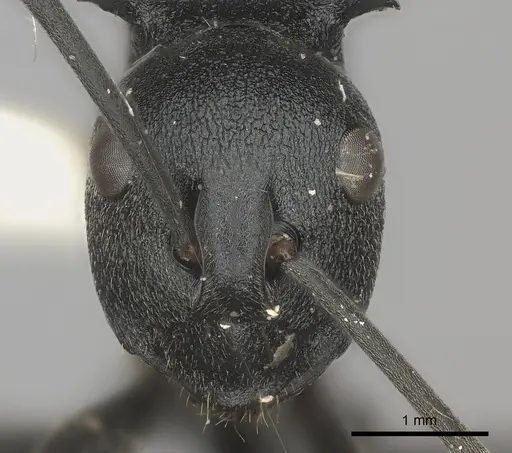
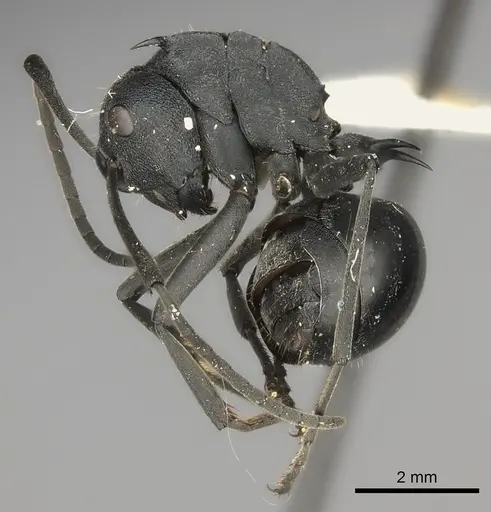
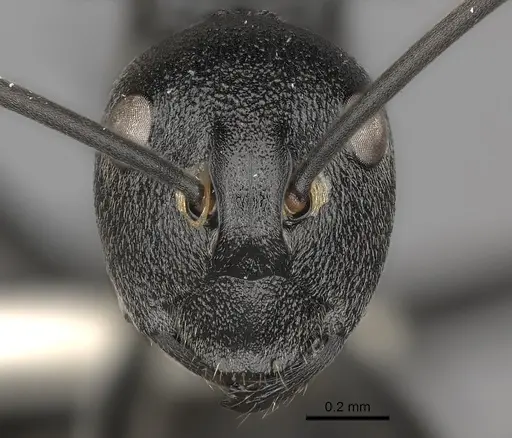
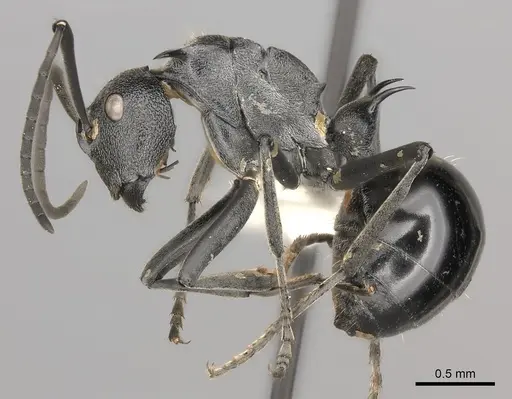
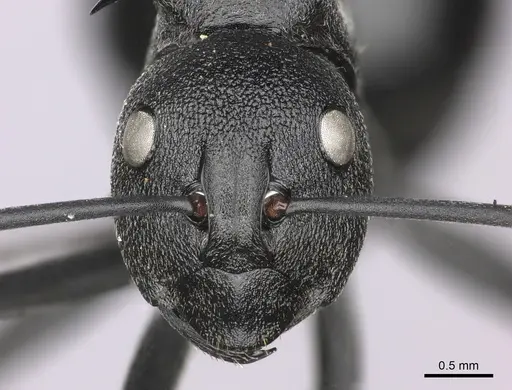
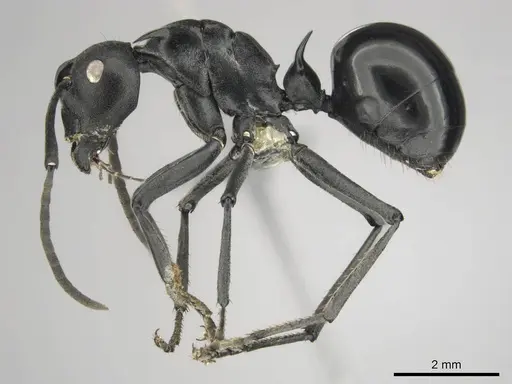
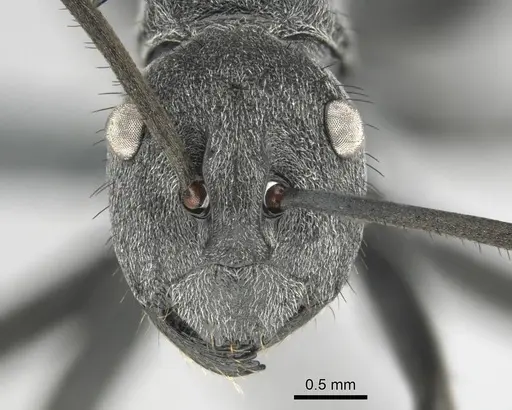
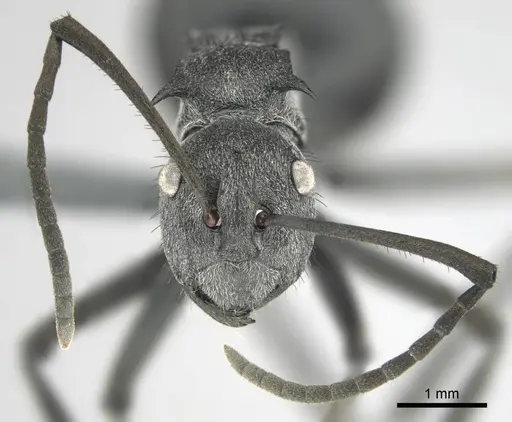
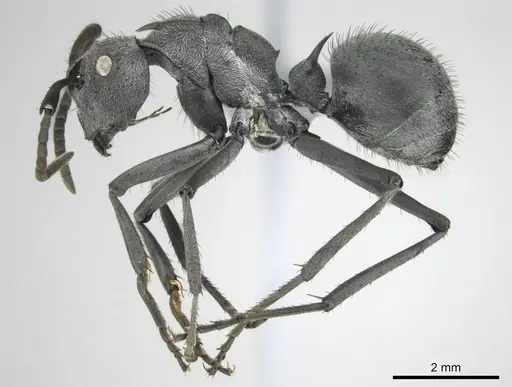
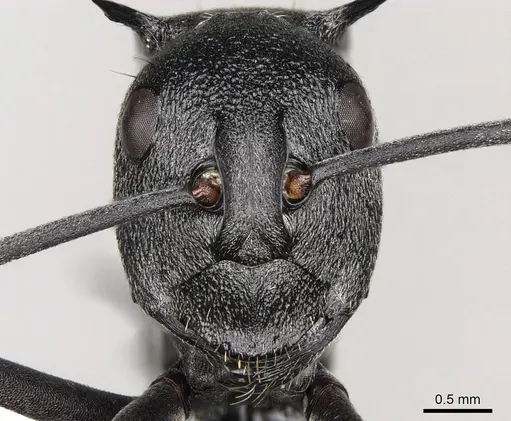
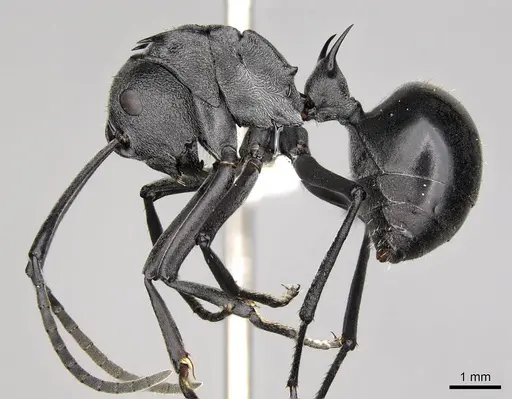
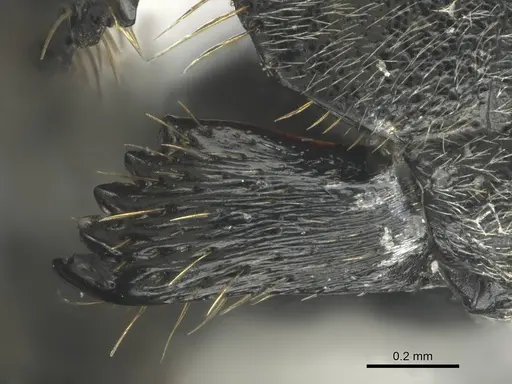
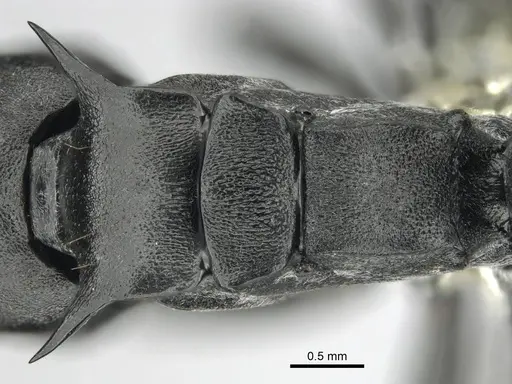
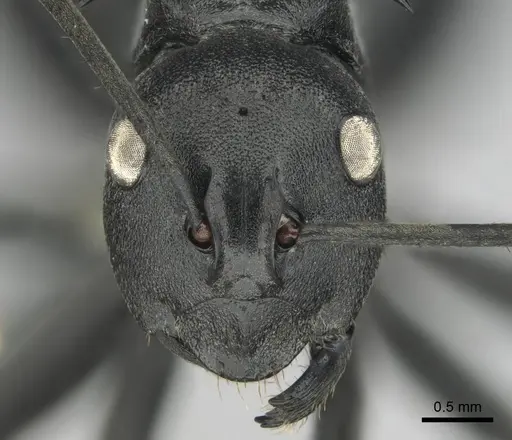
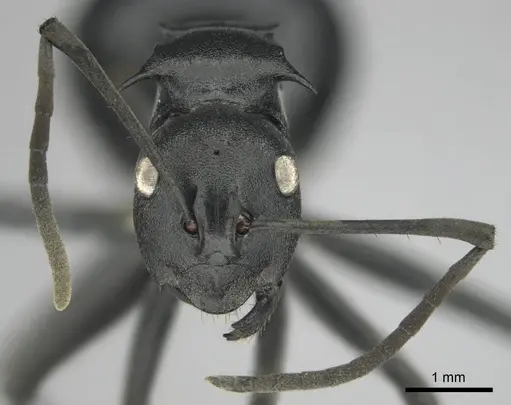
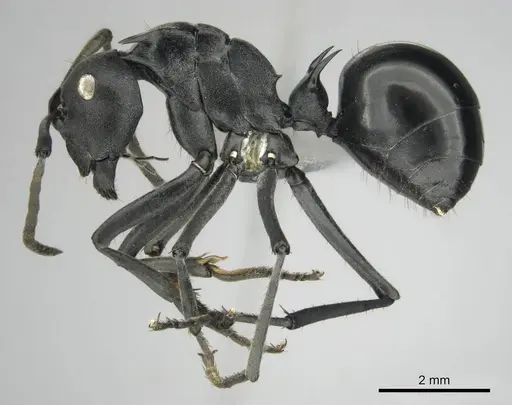
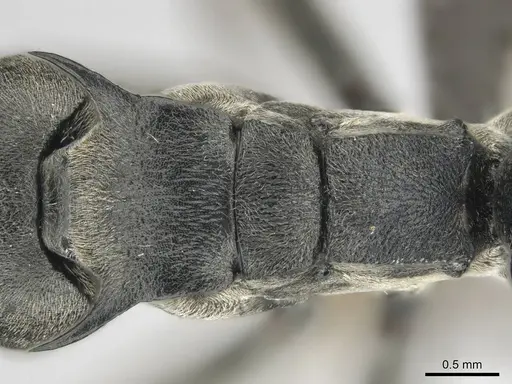
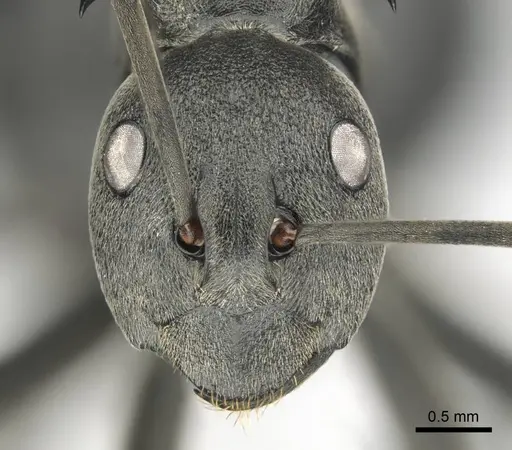
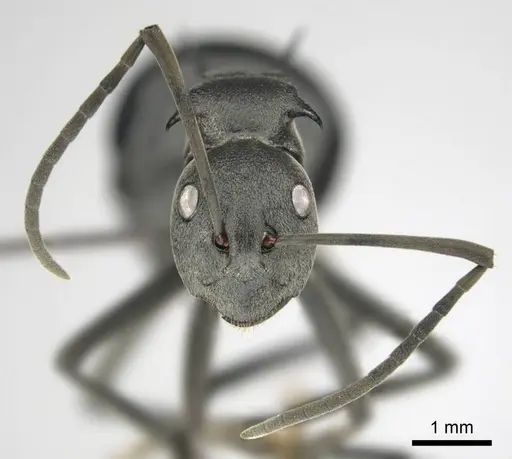
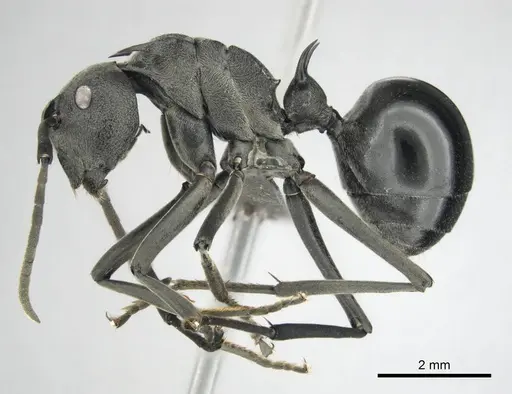
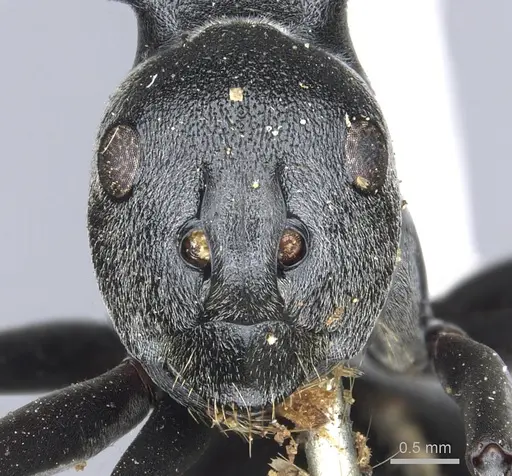
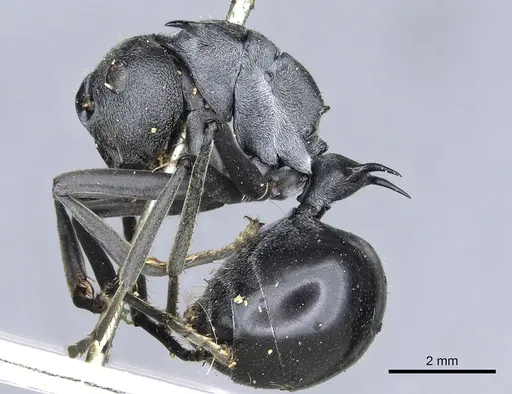
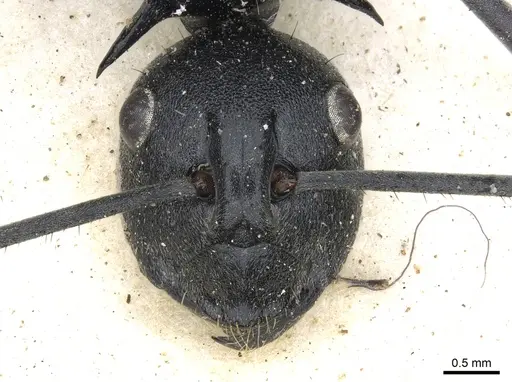
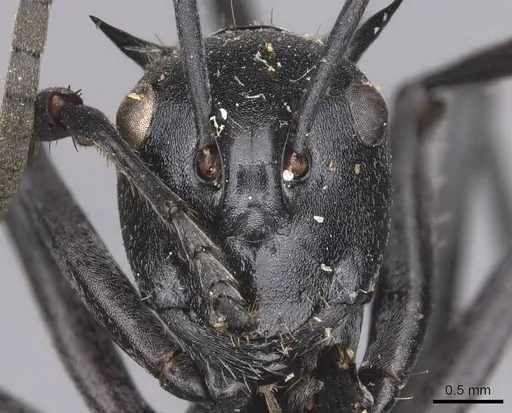
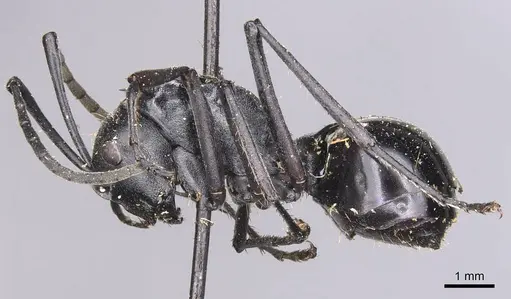
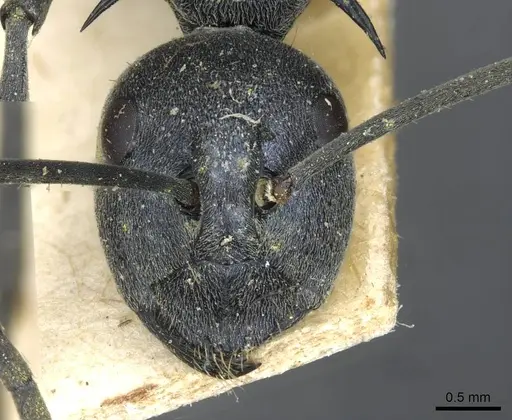
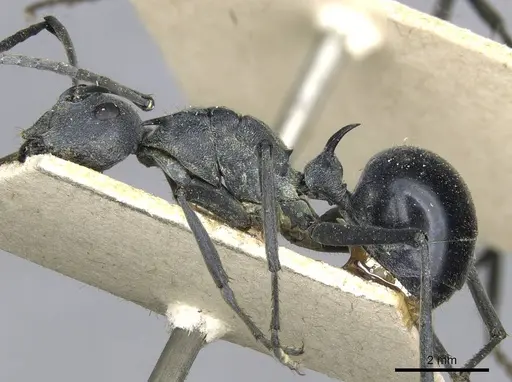
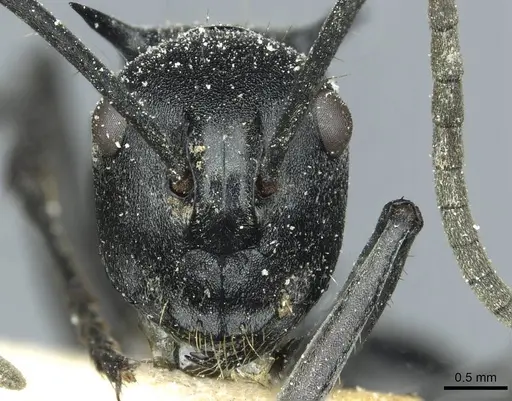
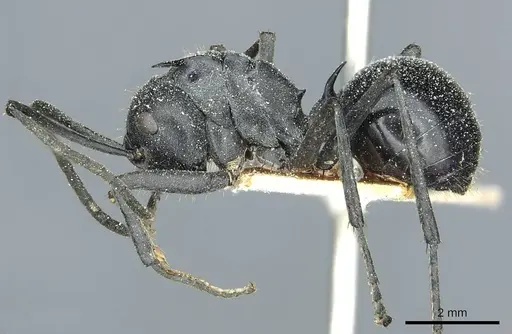
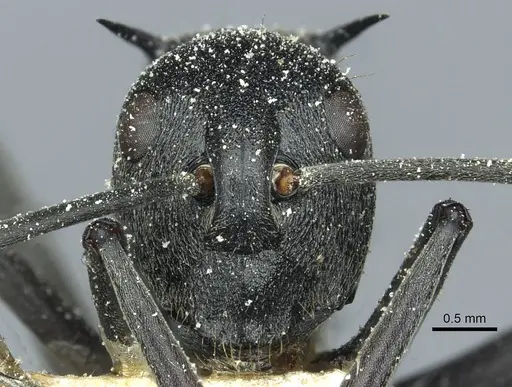
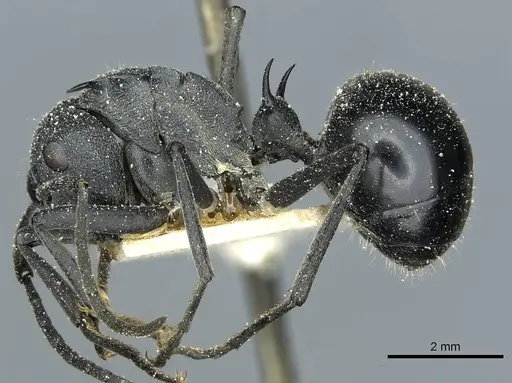
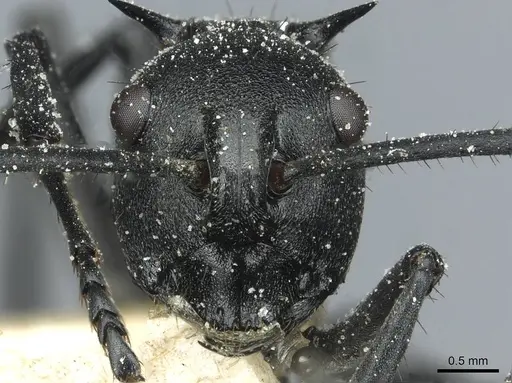
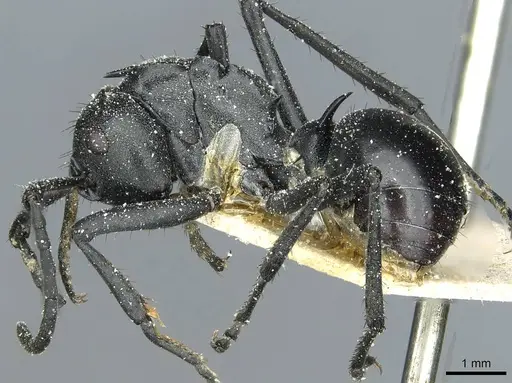
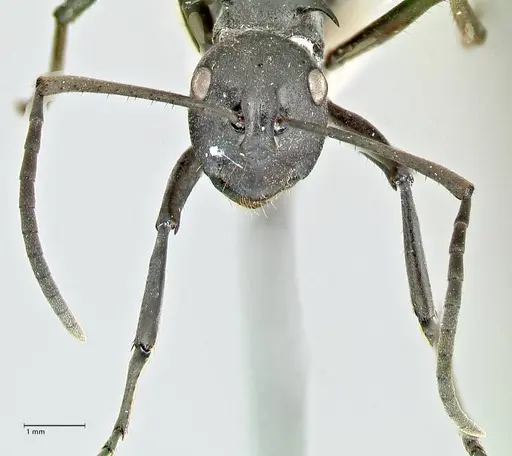
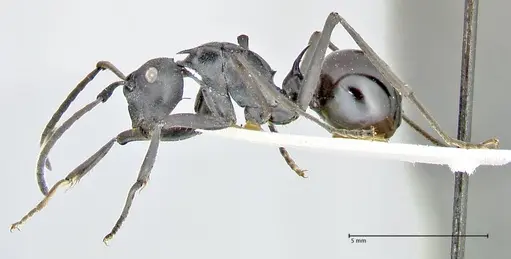
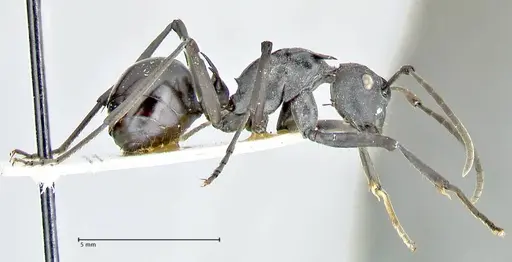
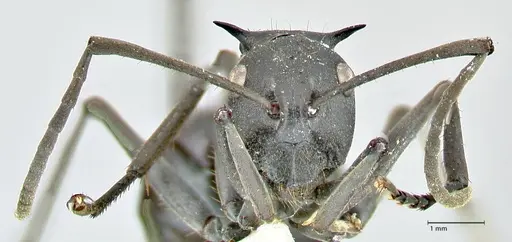
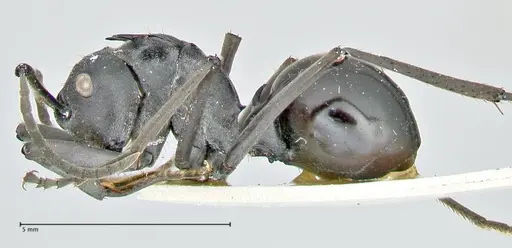
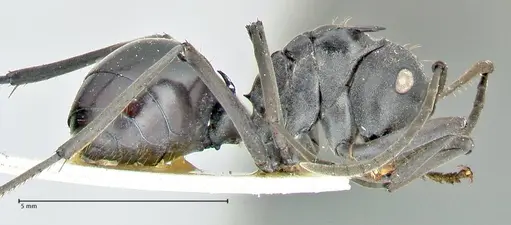
Polyrhachis gagates is a large ant species native to the Afrotropical region, found across southern and eastern Africa including South Africa, Zimbabwe, Mozambique, Tanzania, Kenya, Uganda, Gabon, Congo, DRC, Angola, Zambia, Malawi, and Eswatini . Workers measure 11.3-13.2 mm in total length and are entirely black with a highly polished gaster, featuring distinctive pronotal spines and a four-spined petiole where the dorsal spines are longer than the lateral ones . They inhabit savannah and arid scrubland, nesting in sandy soil at the base of grass tufts or under rocks, often lining their nests with paper-like material . A notable colony excavated in Mozambique contained one queen and at least 5,448 workers, demonstrating their potential for large colony growth .
Quick Summary
- Difficulty: Medium
- Origin & Habitat: Afrotropical region, savannah and arid scrubland across southern and eastern Africa [1]
- Colony Type: Based on an excavated nest with one queen and over 5,000 workers, colonies are likely monogyne (single queen) [1]. Social structure is not extensively studied.
- Size & Growth:
- Queen: Size data unavailable, no specific measurements found in literature
- Worker: 11.3-13.2 mm total length [1]
- Colony: Up to 5,448 workers documented in wild colonies [1]
- Growth: Moderate, inferred from Polyrhachis genus patterns
- Development: Estimated 8-12 weeks based on genus-level data, but actual time may vary with temperature [1] (Development is temperature-dependent, warmer conditions may speed up growth.)
- Antkeeping:
- Temperature: Keep warm, roughly 24-28°C, based on typical Polyrhachis patterns for tropical species [1]
- Humidity: Substrate should be kept slightly moist but not waterlogged, reflecting their natural sandy habitat [2]
- Diapause: No, as a tropical species, they do not require hibernation [1]
- Nesting: Ground-nesting in sandy soil with paper-like material, provide deep substrate or Y-tong/plaster nests with soil chambers [2]
- Behavior: Workers are moderately active foragers that climb vegetation to access food. They are not particularly aggressive but will defend the nest if threatened. Lacks a functional sting, sprays formic acid as a defense mechanism (general Formicinae trait). Escape risk is moderate due to large size (11-13 mm), so standard barriers are sufficient.
- Common Issues: temperature below 20°C can harm colony health and development, substrate that is too wet or too dry may cause mold or desiccation, large colony size requires significant space as they grow, wild-caught colonies may harbor parasites that affect captive health
Nest Preferences and Housing
Polyrhachis gagates is a ground-nesting species that excavates subterranean nests in sandy soil, often at the base of grass tufts or under rocks. In the wild, they line their nests with paper-like material [2]. For captive housing, use a naturalistic setup with deep sandy substrate (at least 5-10 cm) or Y-tong/plaster nests with soil-filled chambers. Maintain moderate humidity by keeping the substrate slightly moist but not waterlogged, and provide a water tube for hydration [2].
Feeding and Diet
These ants are omnivorous and accept sugar sources like honey water or sugar water constantly, along with protein foods such as mealworms or crickets 2-3 times per week. Their large size allows them to handle bigger prey items. Replete workers with swollen abdomens are common, indicating food storage behavior [1].
Temperature and Seasonal Care
As a tropical species, keep the nest area warm at roughly 24-28°C for optimal health. A heating cable on one side can create a gradient. They do not require diapause, but slight temperature reductions in winter are acceptable if room temperature drops [1].
Colony Development and Growth
Colonies can grow to over 5,000 workers, as seen in a wild nest in Mozambique [1]. Founding behavior is unconfirmed, but once workers emerge, growth is moderate. Egg to worker development is estimated at 8-12 weeks based on genus patterns, but this may vary with temperature [1].
Behavior and Defense
Workers are moderately docile and focus on foraging. They climb vegetation to access food and will defend the nest if threatened. As a Formicinae species, they lack a sting and instead spray formic acid for defense. Escape prevention is important but manageable due to their large size [1].
Frequently Asked Questions
How long does it take for Polyrhachis gagates to produce first workers?
Estimated 8-12 weeks from egg to worker at optimal temperatures, based on genus patterns, but actual time may vary [1].
What size colony do Polyrhachis gagates reach?
Wild colonies can reach up to 5,448 workers [1]. In captivity, with proper care, colonies can grow to several thousand workers.
What is the best nest type for Polyrhachis gagates?
They do well in naturalistic setups with deep sandy substrate or Y-tong/plaster nests with soil chambers, as they nest subterranean and use paper-like material [2].
Are Polyrhachis gagates good for beginners?
They are rated medium difficulty due to their need for warm temperatures and specific housing for ground-nesting. They are manageable for intermediate antkeepers.
Do Polyrhachis gagates need hibernation?
No, as a tropical species, they do not require hibernation and prefer consistent warmth year-round [1].
What do Polyrhachis gagates eat?
They are omnivorous: offer sugar water constantly and protein like insects 2-3 times per week [1].
Can I keep multiple Polyrhachis gagates queens together?
This species appears to form single-queen colonies in the wild. Combining unrelated queens is not recommended as it may lead to fighting.
When should I move Polyrhachis gagates to a formicarium?
Wait until the colony has at least 20-30 workers and is actively foraging. For ground-nesting, a soil-based setup is preferable.
Why are my Polyrhachis gagates dying?
Common causes include temperatures below 20°C, improper humidity, insufficient protein, or stress from disturbances. Check temperature and humidity first.
Report an Issue
The current care sheet is based fully on literature. See inconsistencies, or something that's incorrect? Please , it will be resolved after review from an admin. Contributing to the blogs tab also helps providing information, to make us be able to further improve the caresheets. Thank you for your support!
References

This caresheet is licensed under CC BY-SA 4.0 .
Community Blogs
CASENT0217771
View on AntWeb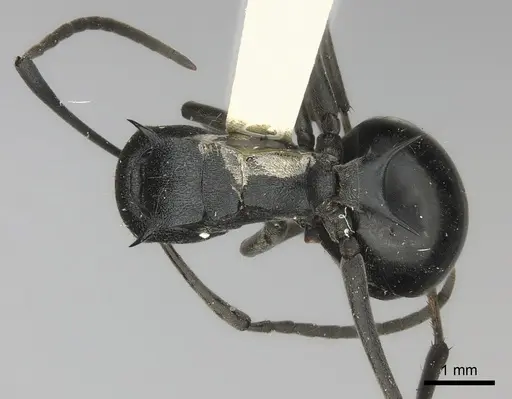
CASENT0227564
View on AntWeb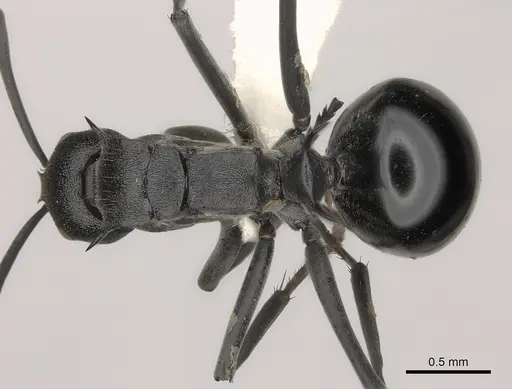
CASENT0235678
View on AntWeb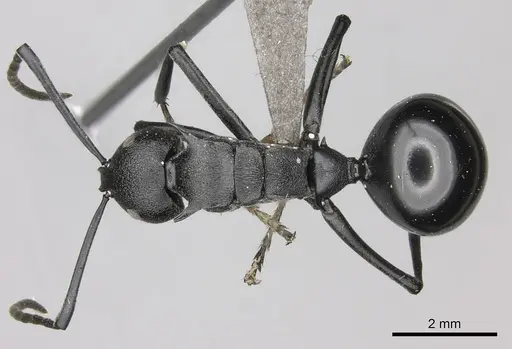
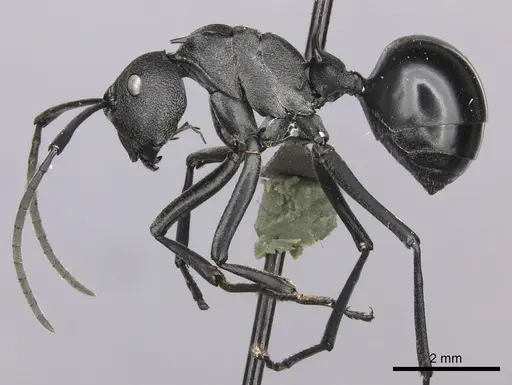
CASENT0254232
View on AntWeb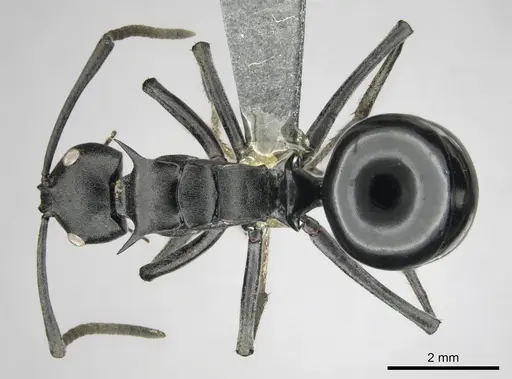
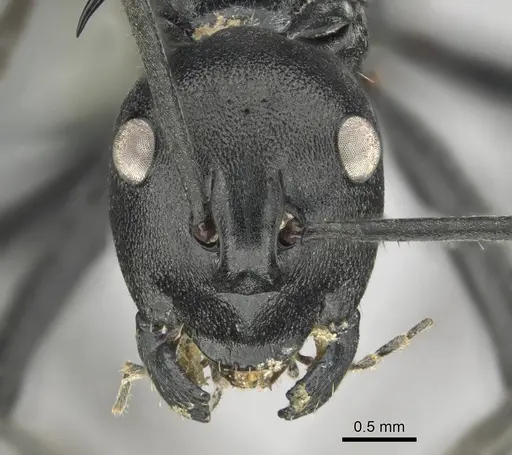
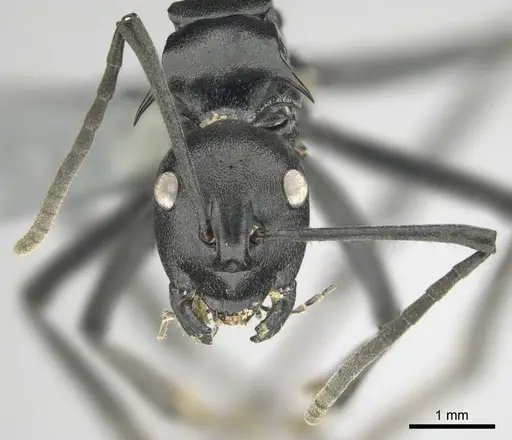
CASENT0254325
View on AntWeb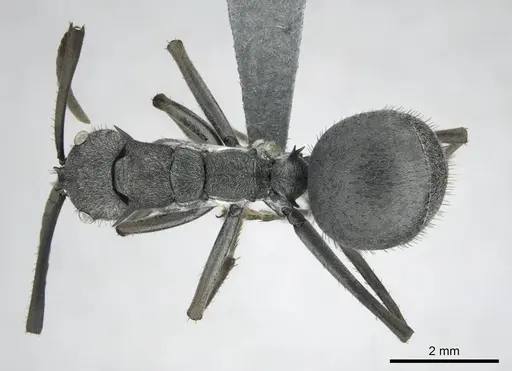
CASENT0281446
View on AntWeb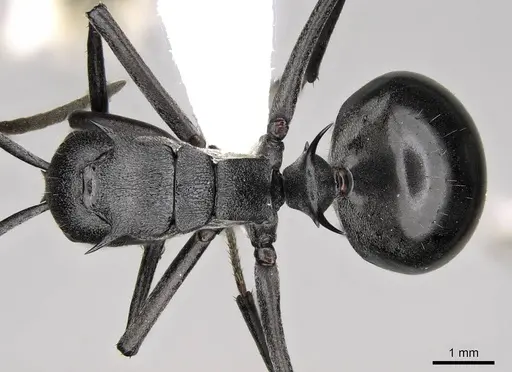
CASENT0814180
View on AntWeb
CASENT0814188
View on AntWeb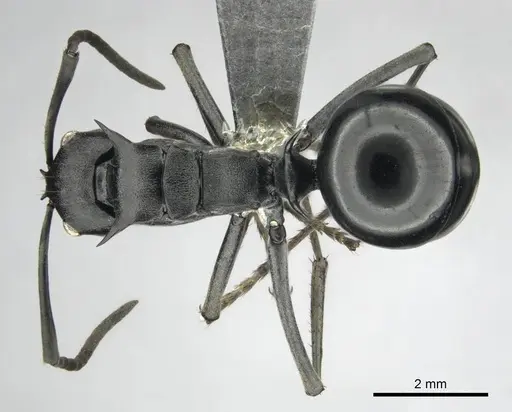
CASENT0814380
View on AntWeb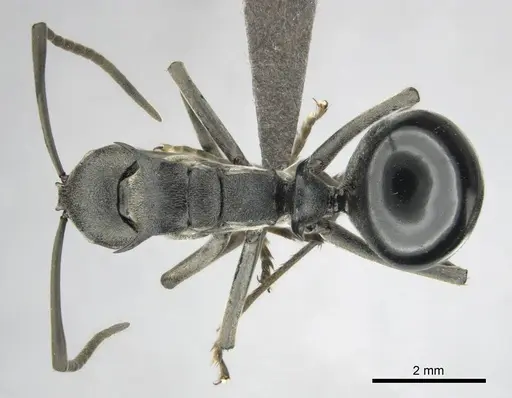
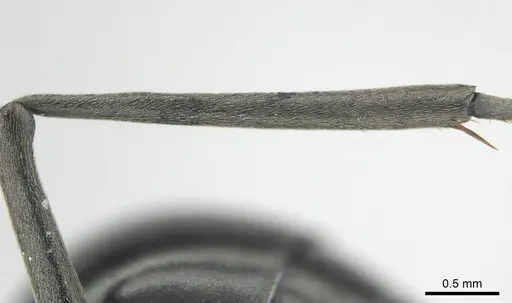
CASENT0814383
View on AntWeb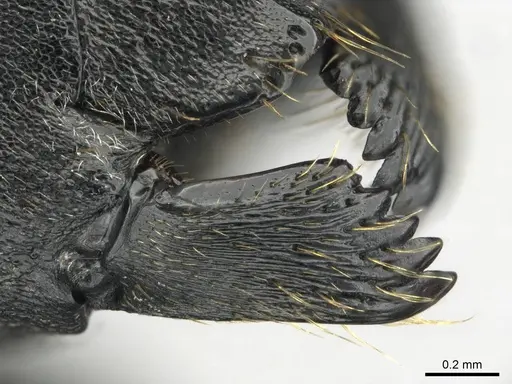
CASENT0814893
View on AntWeb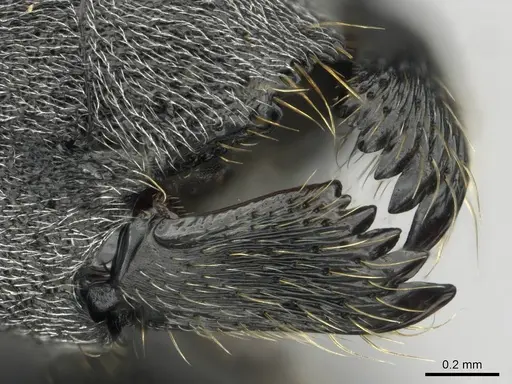
CASENT0903451
View on AntWeb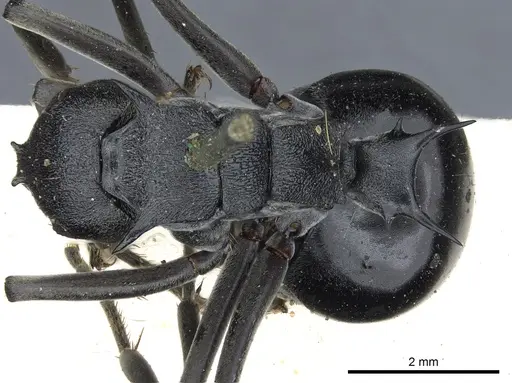
CASENT0903452
View on AntWeb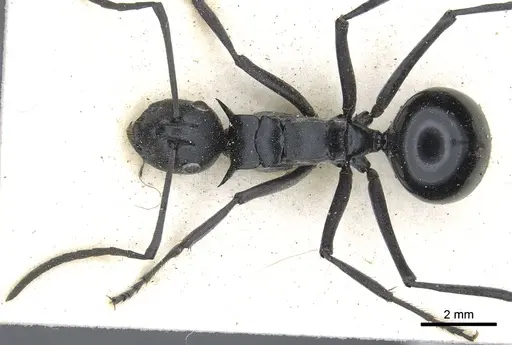
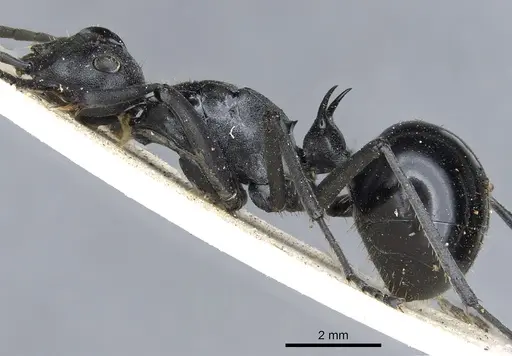
CASENT0905626
View on AntWeb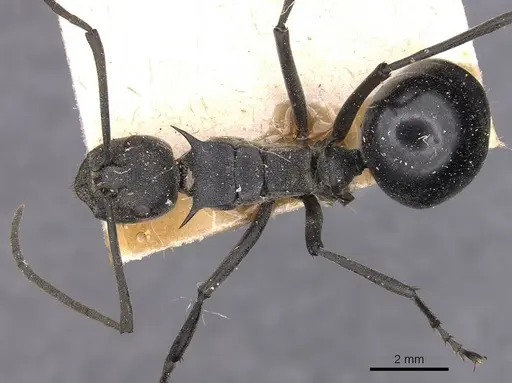
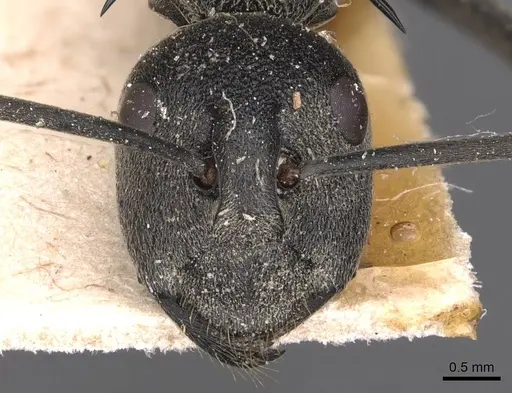
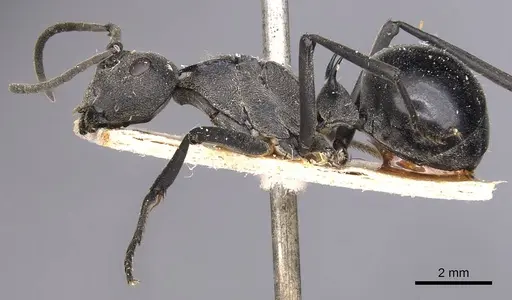
CASENT0905627
View on AntWeb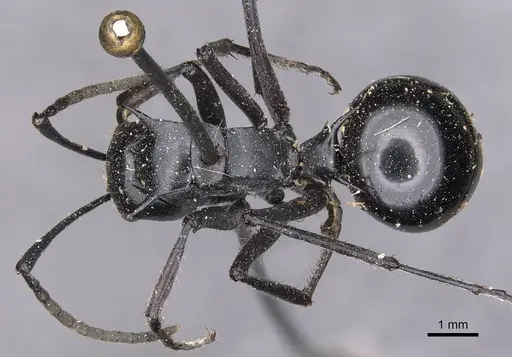
CASENT0910904
View on AntWeb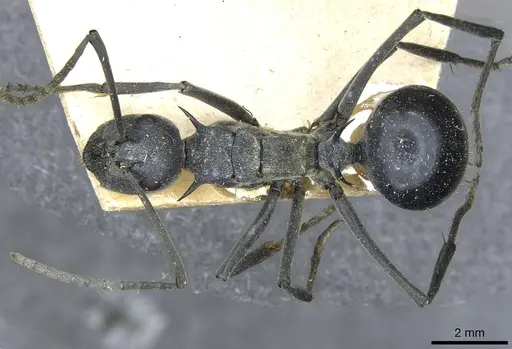
CASENT0912120
View on AntWeb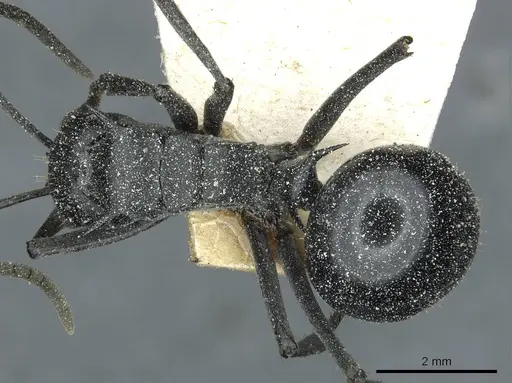
CASENT0912121
View on AntWeb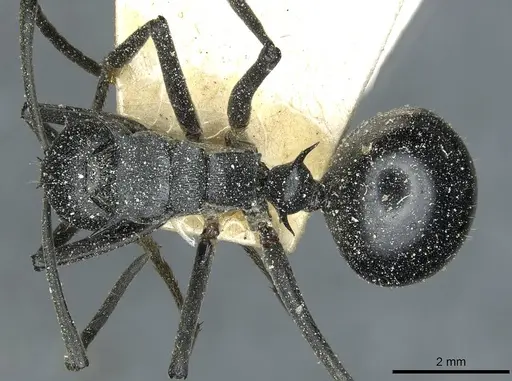
CASENT0912122
View on AntWeb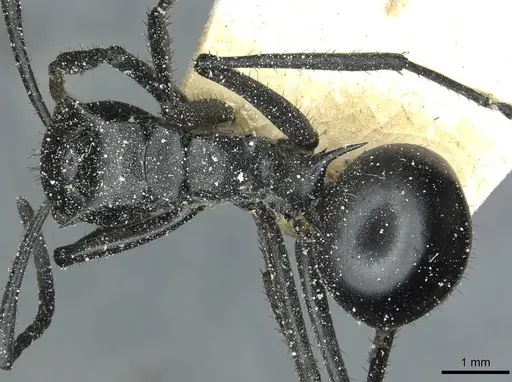
FOCOL2572
View on AntWeb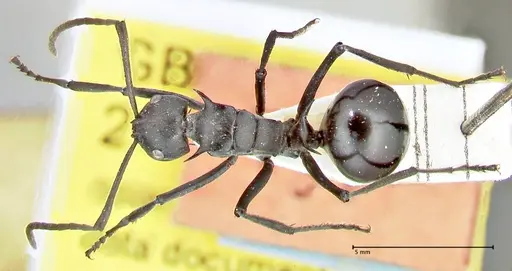
FOCOL2573
View on AntWeb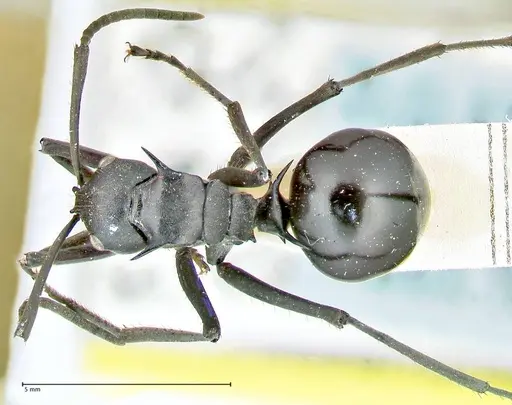
Literature
Loading distribution map...Loading products...