
Polyrhachis fruhstorferi
- Sci. Name
- Polyrhachis fruhstorferi
- Subgenus
- Myrmatopa
- Tribe
- Camponotini
- Subfamily
- Formicinae
- Author
- Emery, 1898
- Distribution
- Found in 1 countries
Introduction
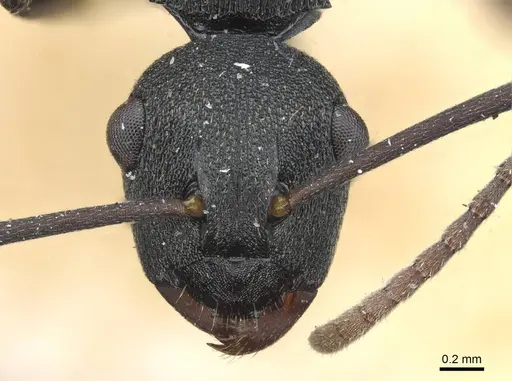
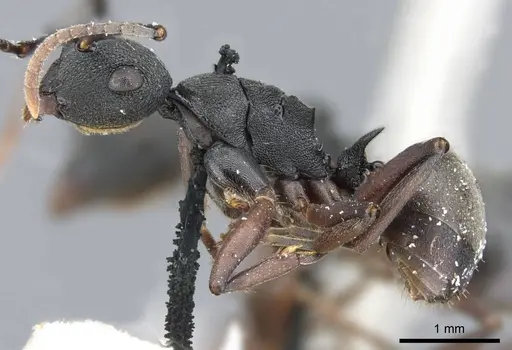
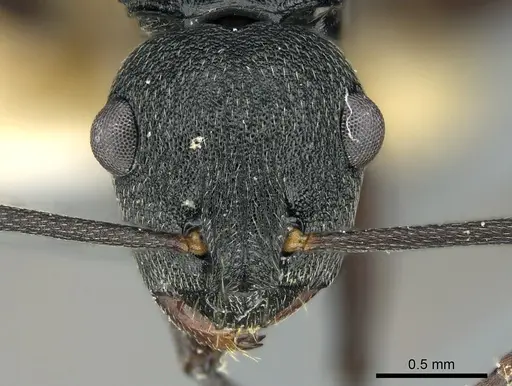
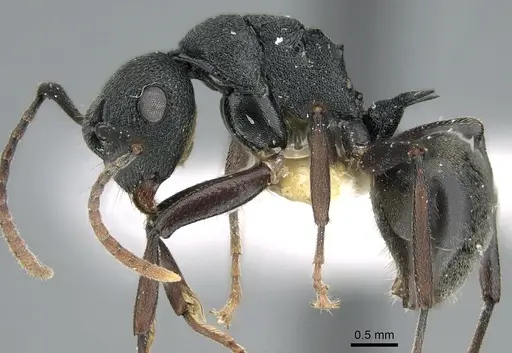
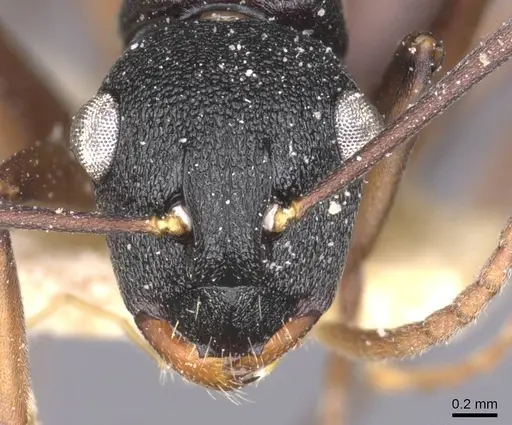
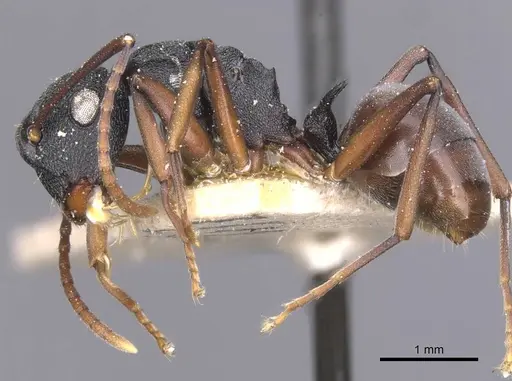
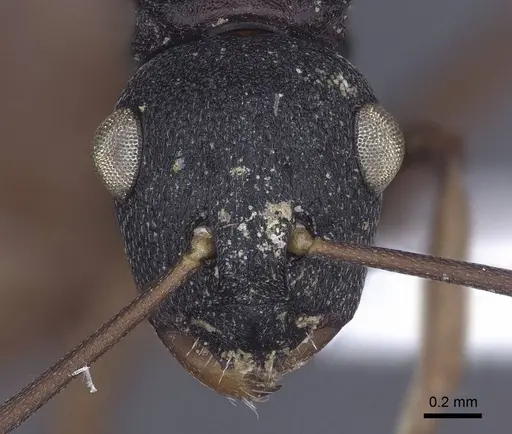
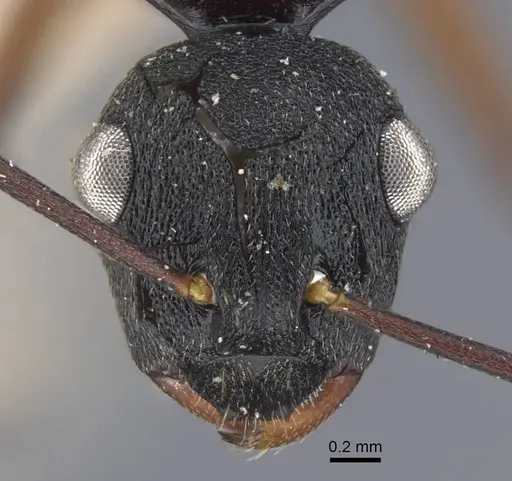
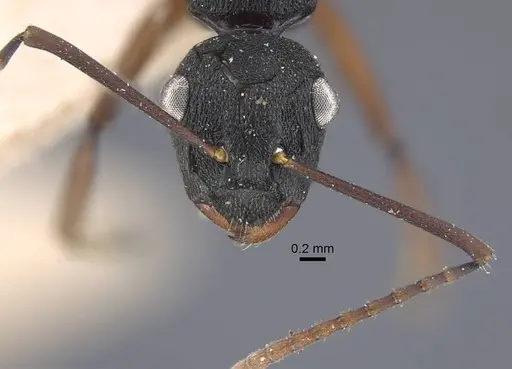
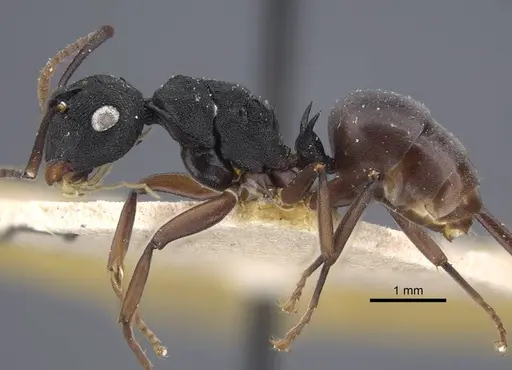
Polyrhachis fruhstorferi is a medium-sized ant native to Southeast Asia, belonging to the flavicornis species group. Workers are mostly black with very dark reddish-brown legs and gaster, and they have distinctive stubby petiolar spines and fine reticulate-punctate sculpturation . This species is endemic to the Indonesian archipelago, with confirmed populations in Sulawesi, Ambon , Borneo, and the Philippines (Mindanao) . It inhabits tropical forests at elevations between 200-1100 meters, collected from both natural and agricultural areas through fogging samples . P. fruhstorferi closely resembles Polyrhachis flavicornis and Polyrhachis varicolor, with some researchers suggesting it may be a regional population of P. flavicornis. The stubby petiolar spines and darker coloration distinguish it from P. varicolor. As a tropical forest ant, it is adapted to warm, humid conditions and is primarily arboreal or ground-nesting in forested habitats.
Quick Summary
- Difficulty: Medium
- Origin & Habitat: Southeast Asia, found in Sulawesi, Ambon [2], Borneo, Malaysia, and the Philippines [3]. Inhabits tropical forests at 200-1100m elevation, collected from both natural forest and agricultural areas [2][4].
- Colony Type: Colony structure is unconfirmed. Based on typical Polyrhachis patterns, likely single-queen colonies (monogyne), though this has not been directly documented for this species.
- Size & Growth:
- Queen: Size data unavailable, no total length measurements in context. Inferred from Polyrhachis genus as ~8-10mm [1]
- Worker: Size data unavailable, no total length measurements in context. Inferred from Polyrhachis genus as ~6-8mm [1]
- Colony: Up to several hundred workers estimated based on related Polyrhachis species [1]
- Growth: Moderate, inferred from tropical Polyrhachis patterns
- Development: Estimated 6-8 weeks at optimal tropical temperatures, based on genus patterns [1] (Development time is estimated from related species. Tropical species typically develop faster than temperate ones.)
- Antkeeping:
- Temperature: Keep at 24-28°C. As a tropical species from Southeast Asia, they need warm conditions. A heating cable on one side of the nest creates a gentle gradient [1].
- Humidity: Keep humidity moderate to high. These forest ants prefer damp conditions but not waterlogged substrate. Provide a water tube for drinking access [1].
- Diapause: No, as a tropical species, they do not require hibernation. Maintain warm temperatures year-round [1].
- Nesting: Polyrhachis ants are often arboreal or nest in rotting wood. In captivity, they do well in Y-tong nests or naturalistic setups with wood pieces. They prefer tight, enclosed chambers with some vertical space for climbing [1].
- Behavior: Polyrhachis fruhstorferi is generally calm and not aggressive toward keepers. Workers are active foragers, primarily arboreal in behavior. They lack a functional sting but can spray formic acid, which may cause mild irritation. Escape risk is moderate, ensure smooth barriers and tight-fitting lids, as they can climb glass and smooth surfaces [1].
- Common Issues: tropical species requires consistent warmth, cold temperatures below 20°C can slow or stop brood development, humidity must be maintained, dry conditions cause desiccation and colony decline, escape prevention is important, they climb well and will escape through small gaps, slow founding phase, claustral queens may take 6-8 weeks before first workers emerge, wild-caught colonies may carry parasites that cause captive failures
Housing and Nest Setup
Polyrhachis fruhstorferi does well in Y-tong nests or naturalistic setups that mimic their forest habitat. These ants are arboreal by nature, so they appreciate some vertical climbing space within the nest. Use a nest with tight-fitting chambers scaled to their size, they prefer enclosed spaces but not overly cramped. A test tube setup works for founding colonies, but transfer to a formicarium once the colony reaches 20-30 workers. Provide a water tube connected to the nest for constant drinking access, as tropical ants need more moisture than temperate species. Outworld space should include climbing structures like cork bark or fake plants [1].
Feeding and Diet
Like most Polyrhachis species, P. fruhstorferi is omnivorous and accepts a varied diet. Offer sugar water or honey as a constant energy source, they will readily drink from cotton balls or sugar water feeders. For protein, provide small insects like fruit flies, small crickets, or mealworms. In nature, they forage for honeydew from aphids and scale insects, so occasional honey treats are appreciated. Feed protein 2-3 times per week, and keep sugar available at all times. Remove uneaten prey after 24-48 hours to prevent mold [1].
Temperature and Heating
As a tropical Southeast Asian species, P. fruhstorferi requires warm temperatures between 24-28°C for optimal brood development. Room temperature may be sufficient in warm climates (above 24°C), but most keepers use a heating cable or heat mat on one side of the nest to maintain warmth. Place the heating element on top of the nest, not underneath, to prevent excessive drying. Create a temperature gradient so ants can self-regulate by moving between warmer and cooler areas. Avoid temperatures below 20°C for extended periods, this can slow development and weaken the colony [1].
Humidity and Water
Maintain moderate to high humidity for these forest-dwelling ants. The nest substrate should feel damp but never waterlogged. Polyrhachis ants are sensitive to drying out, monitor condensation levels in the nest and mist occasionally if needed. Always provide a dedicated water source (water tube or cotton ball in a dish) so workers can drink. In naturalistic setups, moist soil or coco fiber substrate helps maintain humidity. Good ventilation is important to prevent mold while maintaining moisture [1].
Colony Founding
Newly mated queens should be set up in a test tube setup with a water reservoir. Like most Polyrhachis, the queen will likely seal herself in a chamber (claustral founding) and survive on her stored fat reserves while raising the first brood. Do not disturb the founding chamber for at least 4-6 weeks. The first workers (nanitics) will be smaller than normal workers. After workers emerge, you can connect the test tube to an outworld and begin feeding. Founding colonies are fragile, keep them in a quiet, dark location with stable temperature and humidity [1].
Behavior and Temperament
Polyrhachis fruhstorferi is generally a calm, non-aggressive species suitable for antkeeping. Workers are active and arboreal, frequently climbing on nest surfaces and exploring the outworld. They lack a functional sting but can spray formic acid, which may cause mild irritation. These ants are good climbers and can scale glass, so use fluon or other barriers on the rim of the outworld. They are primarily foragers, hunting small insects and collecting honeydew. Colonies become more active and visible as they grow, making them enjoyable to watch [1].
Frequently Asked Questions
How long does it take for Polyrhachis fruhstorferi queens to raise their first workers?
Expect 6-8 weeks from egg to first worker at optimal temperatures (24-28°C). This is typical for tropical Polyrhachis species. The queen is claustral, she seals herself in and raises the first brood alone on stored fat reserves. Do not disturb during this founding phase [1].
What temperature do Polyrhachis fruhstorferi ants need?
Keep them warm at 24-28°C. This tropical species needs consistent warmth for proper brood development. Use a heating cable on the nest if your room temperature is below 24°C. Avoid cold temperatures below 20°C [1].
Do Polyrhachis fruhstorferi ants need hibernation?
No. As a tropical species from Southeast Asia, they do not require hibernation or winter cooling. Maintain warm temperatures year-round [1].
What do Polyrhachis fruhstorferi ants eat?
They are omnivorous. Offer sugar water or honey constantly for energy, and protein (small insects like fruit flies, crickets, or mealworms) 2-3 times per week. They will also drink water from a dedicated tube or dish [1].
Are Polyrhachis fruhstorferi good for beginners?
They are rated as medium difficulty. The main challenges are maintaining tropical warmth and humidity year-round. If you can provide consistent 24-28°C temperatures, they are manageable for intermediate antkeepers. They are calmer than many ants and not dangerously stinging [1].
How big do Polyrhachis fruhstorferi colonies get?
Based on related species, colonies likely reach up to several hundred workers. Growth is moderate, expect several months to a year to reach 50+ workers from a founding queen [1].
Can I keep multiple Polyrhachis fruhstorferi queens together?
Colony structure is unconfirmed for this species, but Polyrhachis are typically monogyne (single queen). Combining unrelated foundress queens is not recommended as they likely will fight. If you want multiple colonies, keep them in separate setups.
Do Polyrhachis fruhstorferi ants escape easily?
They have moderate escape risk. They are good climbers and can scale glass and smooth surfaces. Use fluon or similar barriers on outworld edges, and ensure all lids fit tightly [1].
What humidity level do Polyrhachis fruhstorferi need?
Keep humidity moderate to high. These forest ants need damp conditions but not waterlogged substrate. Monitor the nest, the substrate should feel damp but not soggy. Provide a water tube for drinking access [1].
When should I move my Polyrhachis fruhstorferi colony to a formicarium?
Move from test tube to a formicarium once the colony reaches 20-30 workers. Polyrhachis prefer nests with some vertical climbing space. A Y-tong or naturalistic setup works well. Make sure the new nest maintains proper humidity and has a water source [1].
Report an Issue
The current care sheet is based fully on literature. See inconsistencies, or something that's incorrect? Please , it will be resolved after review from an admin. Contributing to the blogs tab also helps providing information, to make us be able to further improve the caresheets. Thank you for your support!
References

This caresheet is licensed under CC BY-SA 4.0 .
Community Blogs
CASENT0905563
View on AntWeb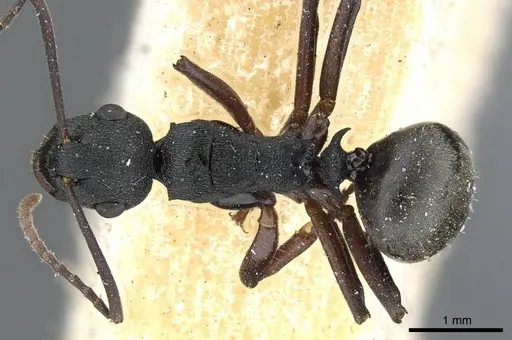
CASENT0906573
View on AntWeb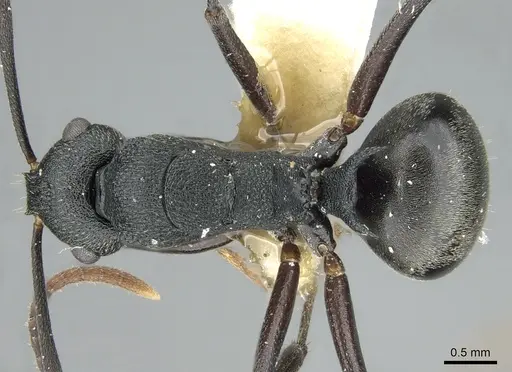
CASENT0912146
View on AntWeb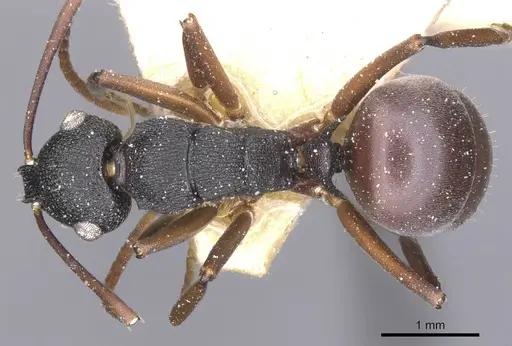
CASENT0916785
View on AntWeb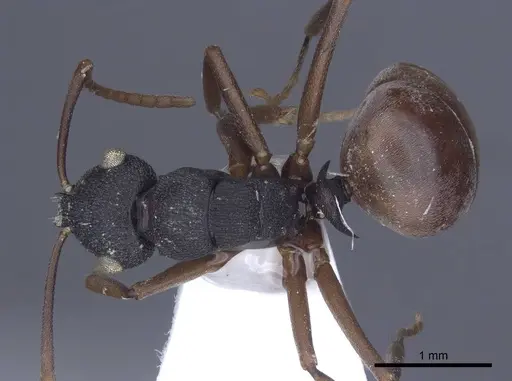
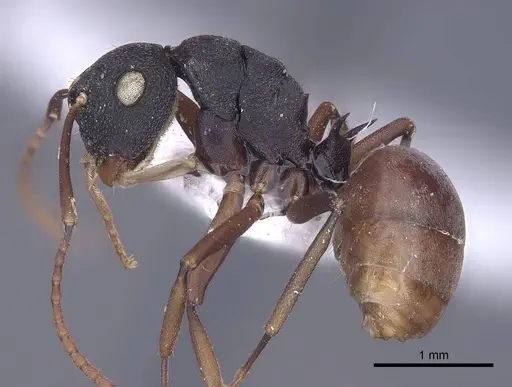
CASENT0917173
View on AntWeb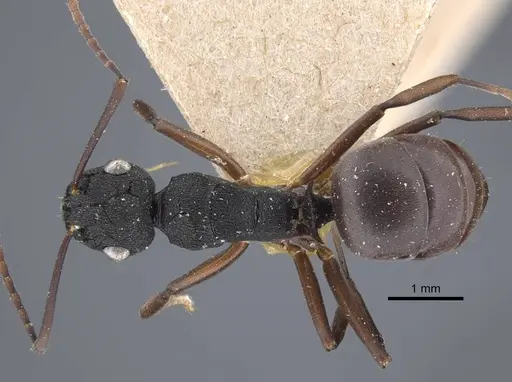
Literature
Loading distribution map...Loading products...