
Polyrhachis frauenfeldi
- Sci. Name
- Polyrhachis frauenfeldi
- Subgenus
- Myrmothrinax
- Tribe
- Camponotini
- Subfamily
- Formicinae
- Author
- Mayr, 1862
- Distribution
- Found in 1 countries
Introduction
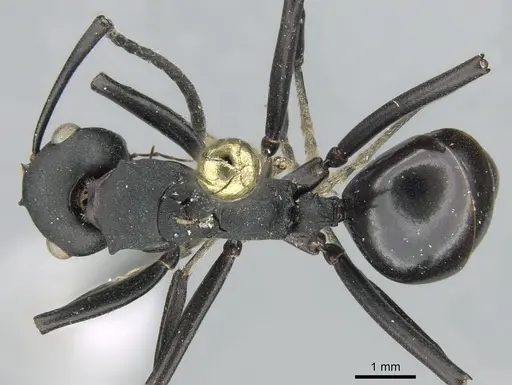
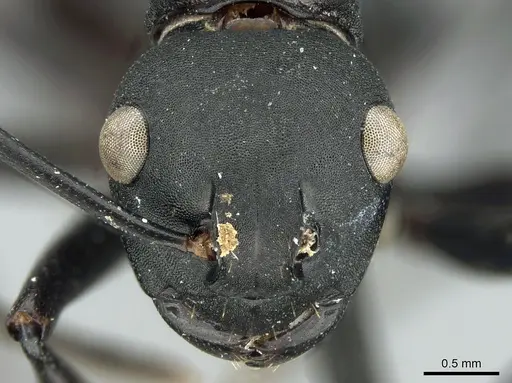
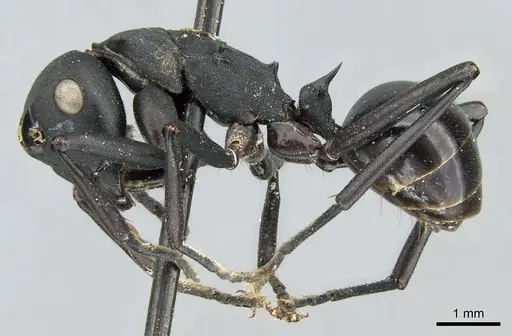
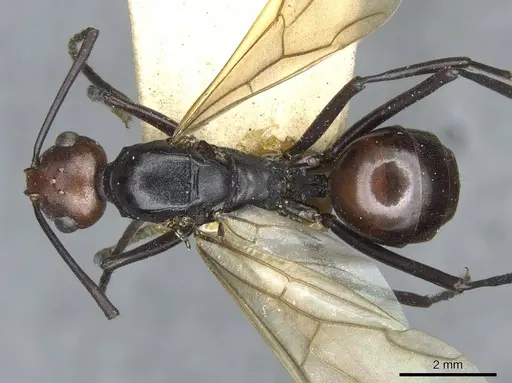
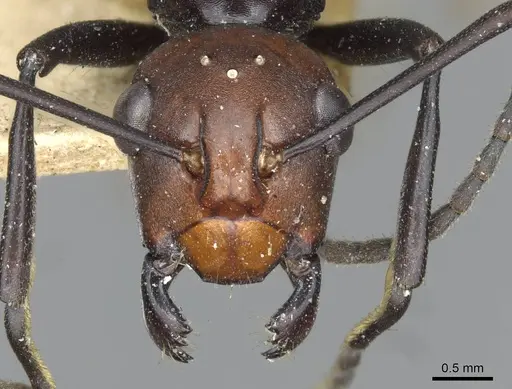
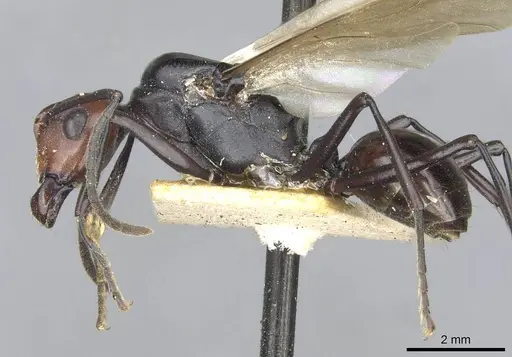
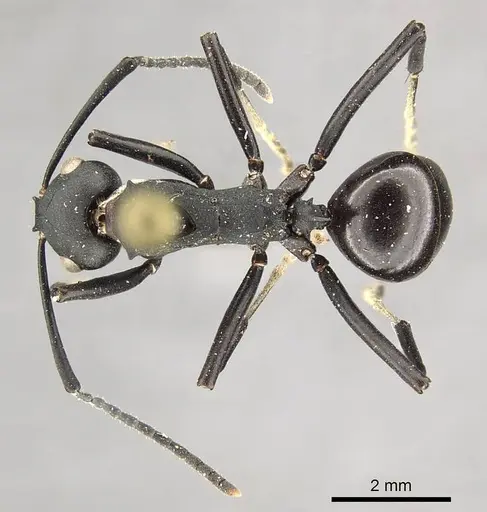
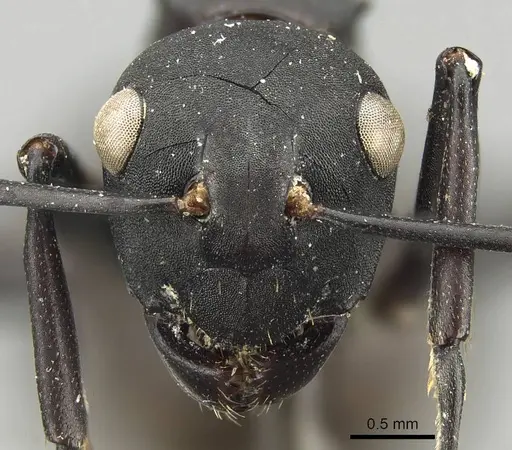
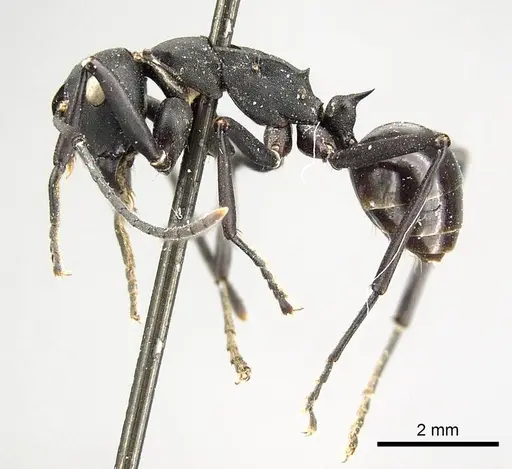
Polyrhachis frauenfeldi is a spiny ant from the subgenus Myrmothrinax. You will find them across the Indomalaya region, including Indonesia, Singapore, Sri Lanka, Borneo, and northern Australia . They build arboreal nests high in trees and shrubs using carton material mixed with silk . Their pupae develop inside protective silk cocoons, which sets them apart from many other formicine ants . Size data is unavailable. They are active day foragers that patrol branches to find food. Based on typical Formicinae patterns, they are generally calm but will bite and spray formic acid from an acidopore if threatened. They need vertical space and stable tropical warmth to thrive in captivity.
Quick Summary
- Difficulty: Medium
- Origin & Habitat: Tropical and subtropical forests across Southeast Asia and northern Australia, including Java, Singapore, Sri Lanka, Borneo, and Queensland [1][2][3]. They nest high in vegetation rather than in the ground.
- Colony Type: Colony structure is unconfirmed. Based on typical Polyrhachis patterns, they likely form single-queen colonies, but this needs verification.
- Size & Growth:
- Queen: size data unavailable
- Worker: size data unavailable
- Colony: Unknown, likely moderate based on genus patterns
- Growth: Moderate
- Development: Unknown, estimated from related Polyrhachis species (Development speed depends on stable warmth and humidity.)
- Antkeeping:
- Temperature: Keep consistently warm, roughly 24-28°C. Their tropical range means they need stable heat year-round. A heating cable on one side of the nest lets them choose their preferred spot.
- Humidity: Keep the nest substrate consistently moist but not waterlogged. Provide good ventilation to prevent mold, as they build carton nests that trap moisture.
- Diapause: No, this is a tropical species that does not require winter rest. Keep temperatures stable year-round.
- Nesting: They need an arboreal setup. Use cork bark, branches, or a modified Y-tong nest with vertical space. They weave carton and silk in the wild, so give them small twigs or bark pieces to work with [4][5]. Never use standard underground soil nests.
- Behavior: Based on Formicinae patterns, they are typically docile but will bite and spray formic acid from an acidopore if threatened. Escape risk is moderate. They are active during the day and will climb branches to forage.
- Common Issues: standard underground nests fail because they need vertical climbing space, cold drafts below 22°C can stop brood development, carton nests mold quickly if humidity stays too high without airflow, cocooned pupae dry out if the nest gets too dry, wild-caught queens may carry parasites specific to tree-dwelling ants
Nest Preferences and Housing
They build nests high in trees and shrubs using carton and silk [4][5]. In captivity, give them vertical space. Cork bark, branches, or a modified Y-tong nest with climbing spots work best. Avoid flat soil nests. Keep the nest moist but ventilated to stop mold. Give them small twigs or bark so they can manipulate nesting material like they do in the wild.
Feeding and Diet
Dietary habits are unconfirmed for this exact species. Based on typical Formicinae patterns, offer sugar water or honey as a constant energy source. Provide small insects like fruit flies or crickets two to three times a week. Remove uneaten prey after two days to stop mold. Keep a small water source available.
Temperature and Seasonal Care
They come from tropical regions, so they need steady warmth [2][1]. Keep the nest around 24-28°C. Use a heating cable on one side to create a gradient. Do not let temperatures drop below 22°C. They do not need a cold period. Keep the heat on all year.
Understanding Their Unique Biology
They belong to the subgenus Myrmothrinax, which builds arboreal nests [4]. Their pupae develop inside silk cocoons [4]. This means you will see covered pupae instead of the naked white ones common in other formicine ants. Cocoons need steady humidity to develop. Watch how they weave carton and silk to build their homes.
Behavior and Colony Dynamics
They are active during the day and patrol branches to find food. They are generally calm but will spray formic acid if you handle them roughly. Founding behavior is unconfirmed, so expect the queen to raise the first workers alone on stored fat. Growth is moderate. Combine unrelated queens only if you know the colony type allows it, but assume they are single-queen based on genus patterns.
Frequently Asked Questions
Can I keep Polyrhachis frauenfeldi in a test tube?
No. They need vertical space and branches to build nests. Use a naturalistic setup or a modified Y-tong nest with climbing structures [4][5].
What is the best nest type for Polyrhachis frauenfeldi?
An arboreal setup is essential. Provide branches, cork bark, or bamboo sections. A Y-tong nest works if you add vertical elements [4][5].
How long until first workers appear?
Unknown. Development time is estimated from related Polyrhachis species. Expect several months.
Are Polyrhachis frauenfeldi good for beginners?
Medium difficulty. Their arboreal needs differ from standard ground-nesting ants. If you can set up a vertical habitat, they are manageable.
Do they need hibernation or diapause?
No. They are tropical and need stable warmth year-round [2][1].
What do Polyrhachis frauenfeldi eat?
Unknown specific diet. Based on typical Formicinae patterns, offer sugar water and small insects.
How big do colonies get?
Unknown. Colony size is likely moderate based on genus patterns.
Can I keep multiple queens together?
Unconfirmed. Based on typical Polyrhachis patterns, they likely form single-queen colonies. Do not combine unrelated queens.
Report an Issue
The current care sheet is based fully on literature. See inconsistencies, or something that's incorrect? Please , it will be resolved after review from an admin. Contributing to the blogs tab also helps providing information, to make us be able to further improve the caresheets. Thank you for your support!
References

This caresheet is licensed under CC BY-SA 4.0 .
Community Blogs
Literature
Loading distribution map...Loading products...