
Polyrhachis foreli
- Sci. Name
- Polyrhachis foreli
- Subgenus
- Myrma
- Tribe
- Camponotini
- Subfamily
- Formicinae
- Author
- Kohout, 1989
- Distribution
- Found in 2 countries
Introduction
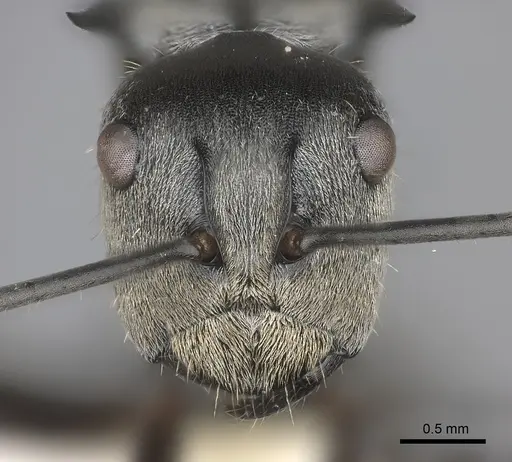
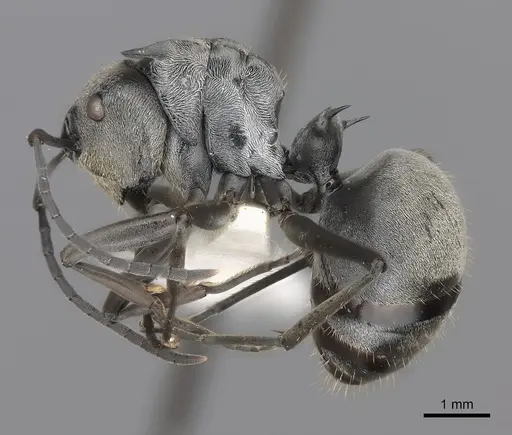
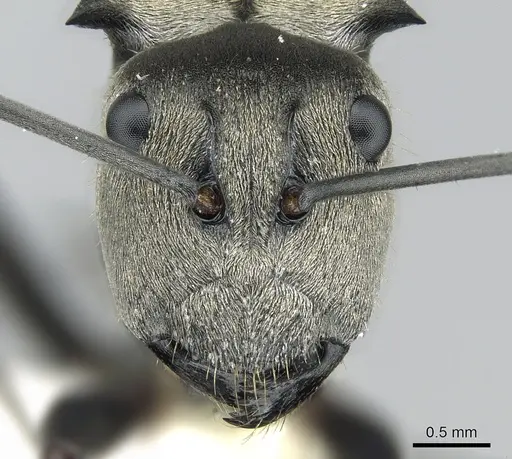
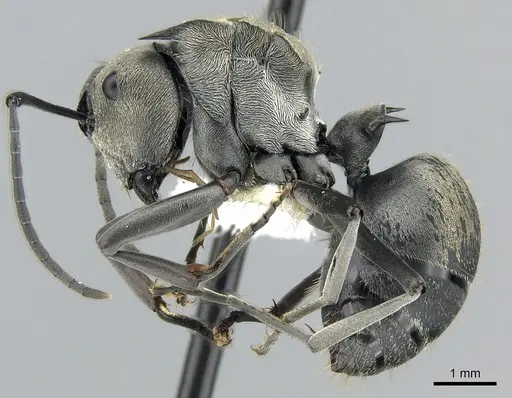
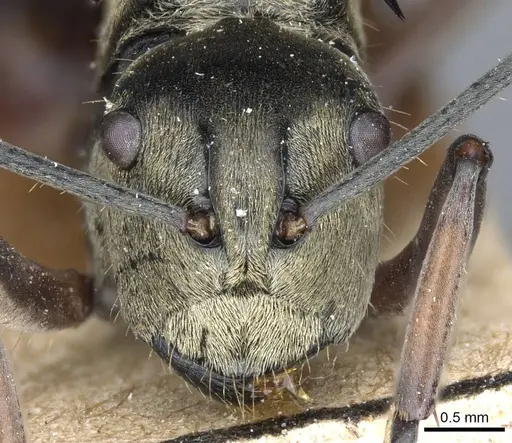
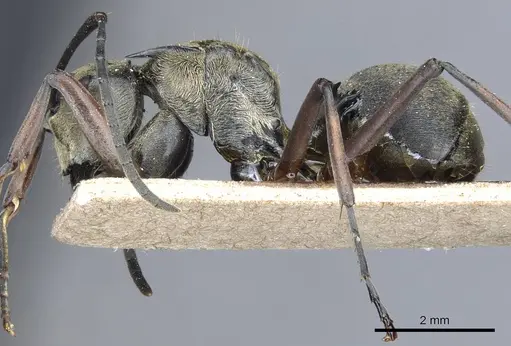
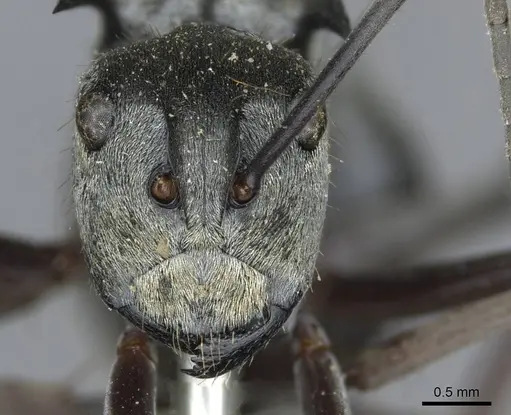
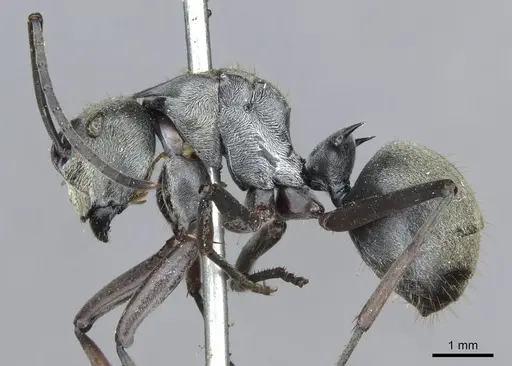
Polyrhachis foreli is a medium-sized rainforest ant native to northern Queensland, Australia and New Guinea. Workers measure 7.36-10.33 mm and queens 10.23-11.44 mm, with a black body and distinctive spines . They belong to the subgenus Myrma and nest in rotting logs, tree stumps, epiphytes, or ground in rainforest habitats . They lack a functional sting and spray formic acid for defense, a trait common in Formicinae ants. A notable trait is their Blochmannia bacterial symbiont, acquired by tending sap-feeding insects, which helps process nitrogen from their honeydew diet .
Quick Summary
- Difficulty: Medium
- Origin & Habitat: Rainforest of northern Queensland, Australia and New Guinea, from Iron Range on Cape York Peninsula south to Mission Beach and Hinchinbrook Island, with disjunct Papuan populations on islands like Goodenough and Normanby [2].
- Colony Type: Based on Polyrhachis patterns, likely monogyne (single-queen colonies). Queens have been collected from Saibai Island, indicating established colonies [2].
- Size & Growth:
- Queen: ~10.23-11.44 mm [1]
- Worker: ~7.36-10.33 mm [1]
- Colony: Unknown, no specific data on colony size
- Growth: Moderate, inferred from genus patterns
- Development: 6-10 weeks (inferred from related Polyrhachis species) (Pupal cocoons are present, typical for the genus [5]. Development time is inferred due to lack of species-specific data.)
- Antkeeping:
- Temperature: Keep warm and stable, roughly 24-28°C, as they are a tropical rainforest species [2].
- Humidity: Keep nest substrate consistently moist but not waterlogged, with a humid outworld area, as they come from humid rainforest environments.
- Diapause: No, tropical species do not require hibernation. Keep temperatures stable year-round.
- Nesting: They naturally nest in rotting wood, tree stumps, and epiphytes. In captivity, use naturalistic setups with rotting wood or Y-tong/plaster nests. They are arboreal-nesting capable and may use silk to bind materials [6].
- Behavior: Generally calm and non-aggressive. Workers are active foragers but not defensive. They spray formic acid for defense. They tend sap-feeding insects for honeydew and may harvest food bodies from plants [7]. Workers can escape through small gaps due to their size, use standard barrier methods.
- Common Issues: high humidity is critical, drying out can kill colonies quickly, escape prevention needed, workers can fit through standard barrier gaps, tropical species cannot tolerate cool temperatures, keep above 24°C, slow colony growth may frustrate beginners, wild-caught colonies may have parasites affecting survival
Housing and Nest Setup
Polyrhachis foreli is a versatile nester that uses rotting logs, tree stumps, epiphytes, and ground cavities in the wild [2]. For captivity, a naturalistic setup with pieces of rotting wood works well. Alternatively, a Y-tong or plaster nest provides good humidity control. The nest must maintain high humidity with some ventilation to prevent mold. Place a water reservoir or moisture chamber connected to the nest area. The outworld should also have some humidity, and you can add live plants or moss. These ants can climb smooth surfaces, so apply fluon or barrier gel to the rim [6].
Feeding and Diet
Like other Polyrhachis in subgenus Myrma, P. foreli has a mutualistic relationship with Blochmannia bacteria that helps process nutrients from honeydew [3][4]. In captivity, offer sugar water or honey constantly. They also need protein, small insects like fruit flies or mealworms work well. They have been observed harvesting food bodies from Ryparosa kurrangii seedlings [7]. Feed protein 2-3 times per week and keep sugar water available. Remove uneaten prey after 24 hours.
Temperature and Humidity
As a tropical rainforest species from Queensland's wet tropics, P. foreli requires warm and humid conditions. Maintain temperatures between 24-28°C with minimal fluctuation [2]. Humidity should be high, keep the nest substrate consistently moist but not waterlogged. Mist the outworld occasionally and monitor for condensation. If the nest dries out, brood development may slow, excessive moisture without ventilation can cause mold.
Colony Development
Queens are claustral? Founding behavior is unconfirmed. Pupal cocoons are present, typical for the genus [5]. First workers may appear within 6-10 weeks under optimal conditions, but growth is moderate. Colony size is unknown. As the colony grows, provide more space in a larger formicarium.
Behavior and Temperament
Polyrhachis foreli is relatively calm. Workers are active foragers but not aggressive. They spray formic acid for defense, lacking a functional sting. Their spined morphology helps deter predators. Workers can live for several years, queens for over a decade with proper care. Standard escape prevention is sufficient due to their size.
Frequently Asked Questions
How long does it take for Polyrhachis foreli to produce first workers?
Expect first workers in about 6-10 weeks from egg laying, assuming optimal temperature around 26°C and high humidity. This is inferred from related Polyrhachis species [5].
Can I keep Polyrhachis foreli in a test tube?
Test tubes can work for founding colonies but upgrade quickly once the colony reaches 15-20 workers. These ants need high humidity, so a small plastic tub nest or formicarium with moisture control is better.
What do Polyrhachis foreli ants eat?
They need sugar (honey water or sugar water) constantly and protein (small insects) 2-3 times per week. They may also accept plant-based foods like food bodies [7].
Are Polyrhachis foreli good for beginners?
They are intermediate difficulty. Main challenges are maintaining high humidity and warm temperatures year-round. Beginners may struggle with humidity requirements.
Do Polyrhachis foreli need hibernation?
No. As a tropical rainforest species, they do not require diapause. Keep temperatures stable between 24-28°C year-round [2].
How big do Polyrhachis foreli colonies get?
Colony size is unknown, no specific data available. They are likely single-queen colonies, so growth is limited.
When should I move Polyrhachis foreli to a formicarium?
Move them when the founding setup becomes crowded, typically with 30-50 workers. Ensure the new setup has pre-established humidity.
Why are my Polyrhachis foreli dying?
Common causes are temperatures below 24°C, low humidity causing desiccation, or mold from excessive moisture. Check these parameters first.
Can I keep multiple Polyrhachis foreli queens together?
Unconfirmed, no data on multiple queens. Based on Polyrhachis patterns, they are likely monogyne, so multiple queens may fight.
Report an Issue
The current care sheet is based fully on literature. See inconsistencies, or something that's incorrect? Please , it will be resolved after review from an admin. Contributing to the blogs tab also helps providing information, to make us be able to further improve the caresheets. Thank you for your support!
References

This caresheet is licensed under CC BY-SA 4.0 .
Community Blogs
CASENT0010633
View on AntWeb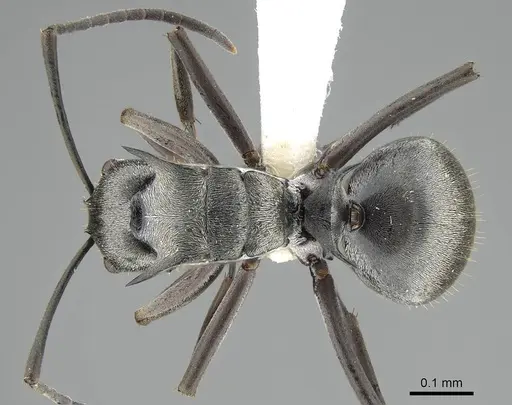
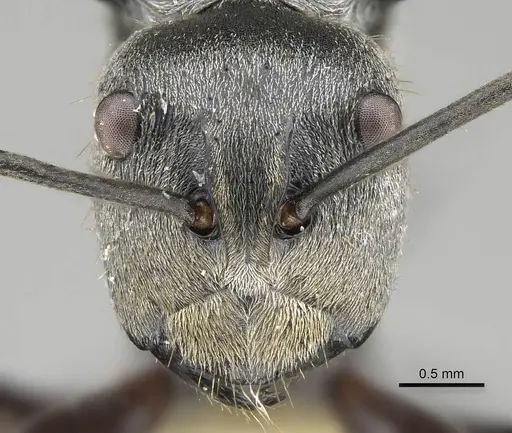
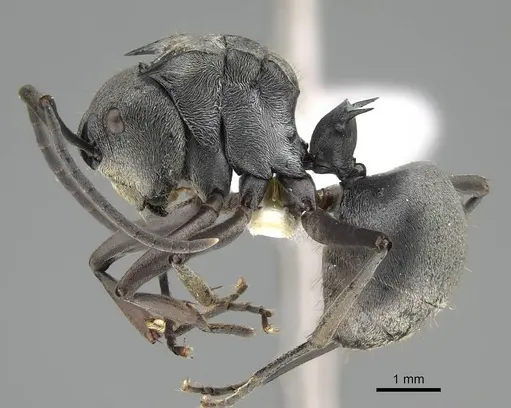
CASENT0217430
View on AntWeb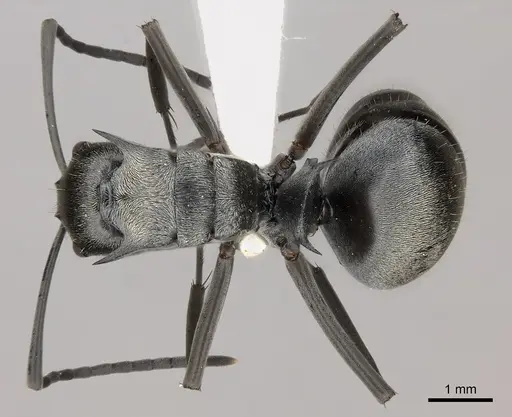
CASENT0281394
View on AntWeb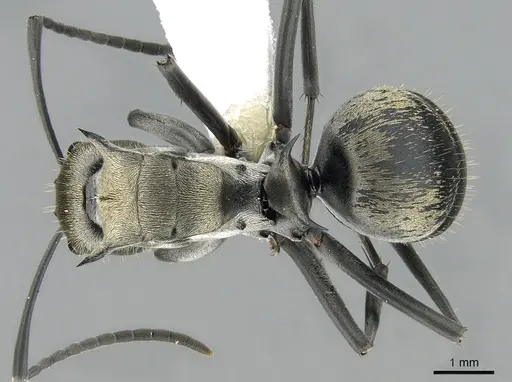
CASENT0905611
View on AntWeb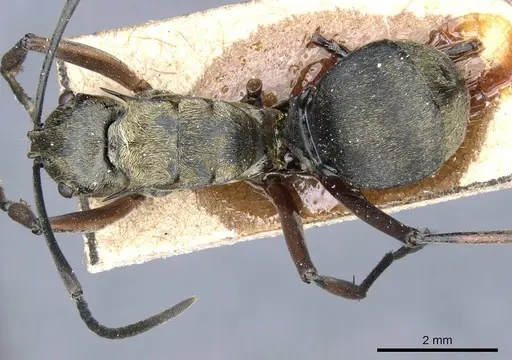
CASENT0910923
View on AntWeb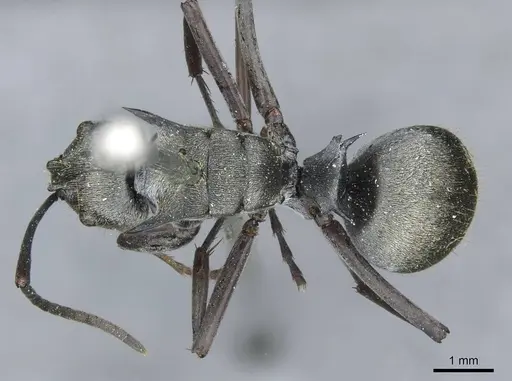
Literature
Loading distribution map...Loading products...