
Polyrhachis follicula
- Sci. Name
- Polyrhachis follicula
- Subgenus
- Myrmhopla
- Tribe
- Camponotini
- Subfamily
- Formicinae
- Author
- Menozzi, 1926
- Distribution
- Found in 1 countries
Introduction
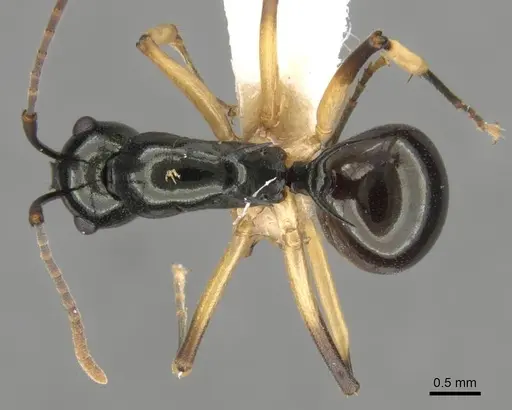
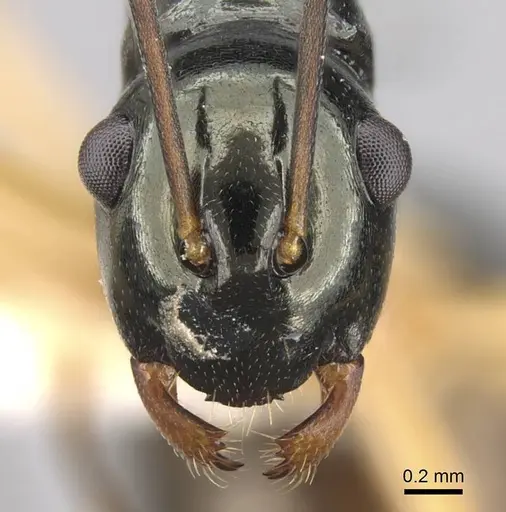
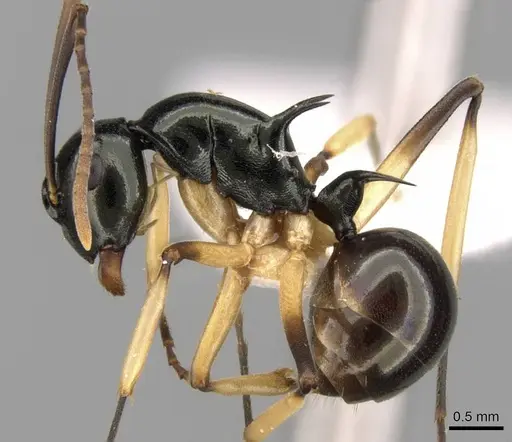
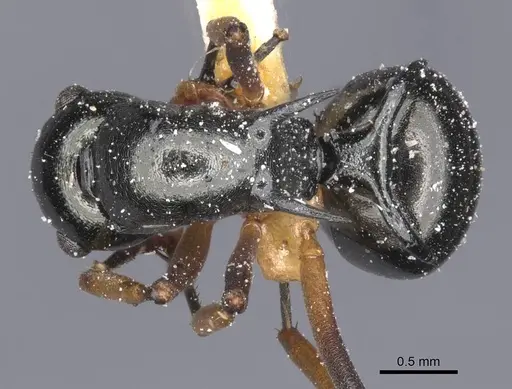
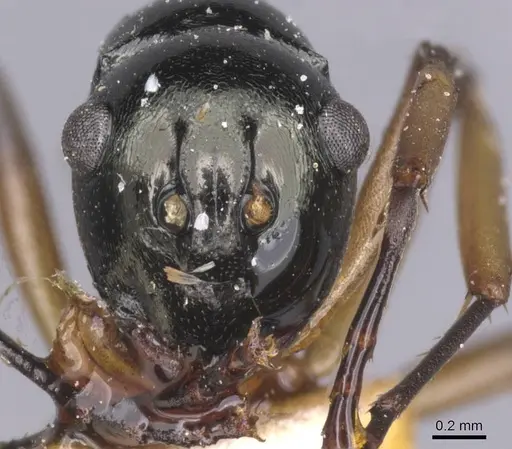
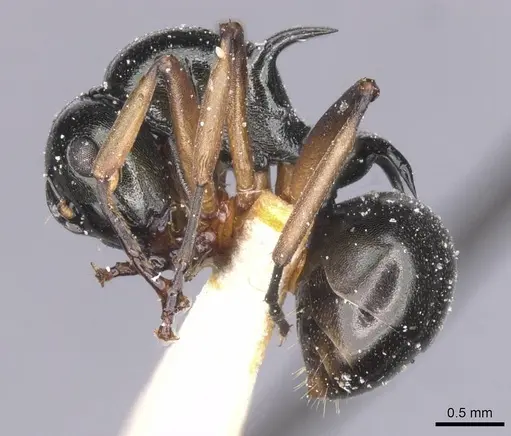
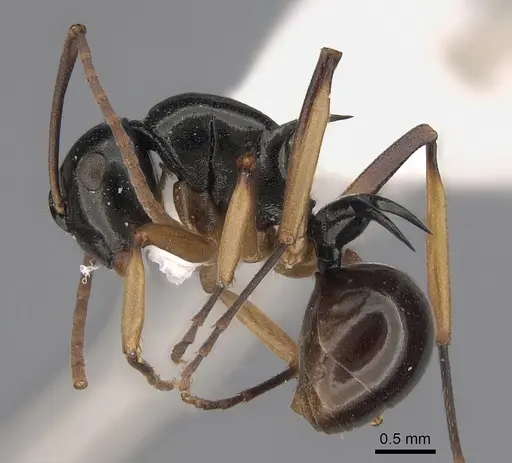
Polyrhachis follicula is a tropical arboreal ant species native to the Philippines. Workers are part of the subgenus Myrmhopla (mucronata-group) . Like other Formicinae, they lack a functional sting and spray formic acid for defense. This species was described by Menozzi in 1926 from Philippine specimens . What makes Polyrhachis follicula interesting is their arboreal lifestyle - they build nests in trees using silk to bind plant materials into protective chambers . Their pupae develop in cocoons, which is common in the genus . As a tropical species, they offer an option for keepers interested in arboreal ants.
Quick Summary
- Difficulty: Medium
- Origin & Habitat: Philippines (Indomalaya Region), tropical arboreal forest habitat [2][1]
- Colony Type: Unconfirmed, but likely monogyne (single-queen colonies) based on typical Polyrhachis patterns.
- Size & Growth:
- Queen: Size data unavailable, no total length measurements provided in literature.
- Worker: Size data unavailable, no total length measurements provided in literature.
- Colony: Unknown, no colony size data available.
- Growth: Unknown
- Development: Unknown, no direct development data available for this species. (Development timeline is unconfirmed. Tropical species may develop faster due to warm conditions.)
- Antkeeping:
- Temperature: Keep warm, roughly 24-28°C, based on tropical distribution. Start with this range and observe colony activity.
- Humidity: Keep the nest substrate consistently moist but not waterlogged, with good ventilation to prevent mold.
- Diapause: No, tropical species from the Philippines do not require hibernation.
- Nesting: Arboreal nesters. Prefer nests with textured surfaces they can bind with silk [1]. Use Y-tong, plaster, or naturalistic setups with cork bark and leaves.
- Behavior: Polyrhachis follicula is an arboreal forager that builds nests in trees. Workers are active but not particularly aggressive, they defend their nest using formic acid spray. Escape risk is moderate due to climbing ability, apply Fluon barriers. They are generally calm but may be skittish when disturbed.
- Common Issues: temperature drops below 22°C can slow activity and stress the colony., escape risk is present due to climbing ability, apply barriers and use tight-fitting lids., improper arboreal nesting setup may prevent colony establishment., poor humidity control can lead to mold or desiccation., lack of varied diet may affect colony health, offer sugar sources and protein insects.
Nesting and Housing
Polyrhachis follicula is an arboreal species that naturally nests in vegetation, using silk to bind together leaf litter and plant materials [1]. In captivity, provide arboreal-style housing such as Y-tong nests with roughened surfaces, plaster nests with texture, or naturalistic setups with cork bark and dried leaves [1]. Avoid smooth, enclosed spaces that don't allow silk-binding behavior. Include multiple chambers at different heights to mimic tree hollows.
Feeding and Diet
Specific dietary preferences are undocumented, but Polyrhachis species are typically omnivorous. Offer sugar water or honey as a constant energy source. For protein, provide small insects like fruit flies or mealworms. Observe colony preferences and adjust accordingly. Remove uneaten prey after 24-48 hours to prevent mold.
Temperature and Humidity
As a tropical species, maintain warm temperatures around 24-28°C. Use a heating cable for a gentle gradient. Humidity should be moderate, keep substrate moist but not waterlogged, with good ventilation to prevent mold.
Behavior and Colony Dynamics
Polyrhachis follicula forages arboreally and builds nests using silk [1]. Workers defend nests with formic acid spray. Colonies likely grow moderately, but specific rates are unknown. Pupae develop in cocoons [1].
Acquiring and Establishing Colonies
This species is not commonly available. If acquired, provide arboreal housing from the start. Founding behavior is unconfirmed, but queens may seal themselves in a chamber. Ensure humidity and warmth during establishment. Be patient, as colony growth may be slow.
Frequently Asked Questions
How long does it take for Polyrhachis follicula to produce first workers?
The exact timeline is unknown. Based on tropical Polyrhachis patterns, development may take several weeks at optimal temperatures, but no specific data exists for this species.
What is the best nest type for Polyrhachis follicula?
Arboreal-style nests work best, such as Y-tong or plaster nests with textured surfaces they can bind with silk [1].
Do Polyrhachis follicula ants need hibernation?
No, as a tropical species, they do not require diapause.
Can I keep multiple queens together in one colony?
Colony structure is unconfirmed. Polyrhachis species are typically monogyne, so combining queens is not recommended without evidence.
What do Polyrhachis follicula eat?
They are omnivorous. Offer sugar sources like honey and protein from small insects. Observe colony preferences.
Are Polyrhachis follicula good for beginners?
This species is rated Medium difficulty due to lack of specific care data and arboreal nature. Experience with antkeeping is helpful.
How big do Polyrhachis follicula colonies get?
Colony size is unknown. No data on maximum worker count is available.
Why is my Polyrhachis follicula colony not growing?
Check temperature (24-28°C), humidity, and food availability. Ensure proper nesting setup for arboreal species.
Report an Issue
The current care sheet is based fully on literature. See inconsistencies, or something that's incorrect? Please , it will be resolved after review from an admin. Contributing to the blogs tab also helps providing information, to make us be able to further improve the caresheets. Thank you for your support!
References

This caresheet is licensed under CC BY-SA 4.0 .
Community Blogs
Literature
Loading distribution map...Loading products...