
Polyrhachis fervens
- Sci. Name
- Polyrhachis fervens
- Subgenus
- Hedomyrma
- Tribe
- Camponotini
- Subfamily
- Formicinae
- Author
- Smith, 1860
- Distribution
- Found in 2 countries
Introduction
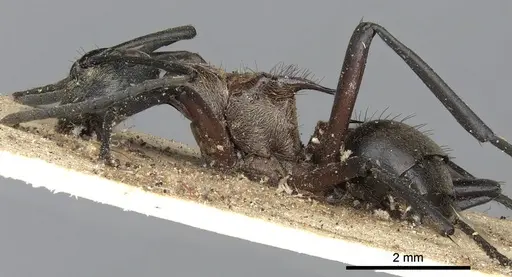
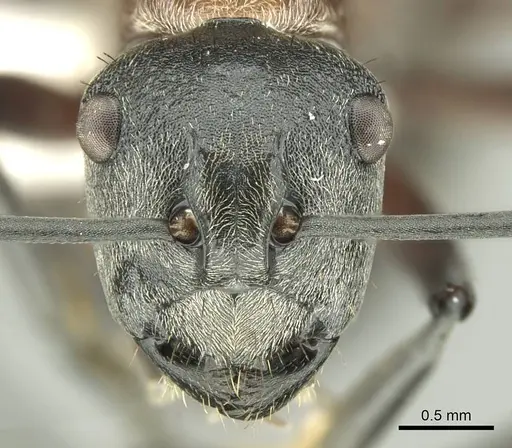
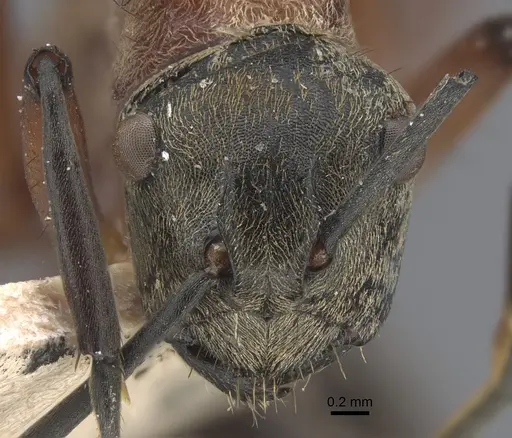
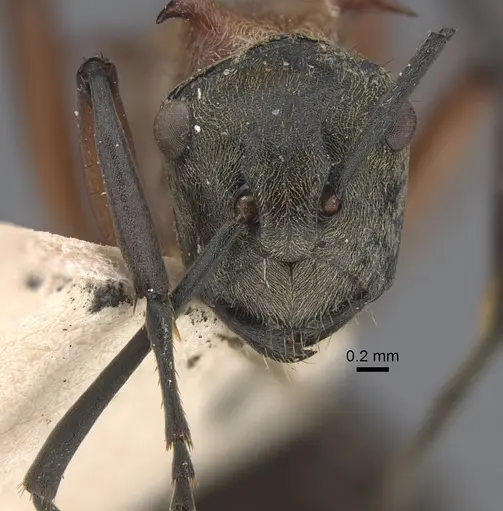
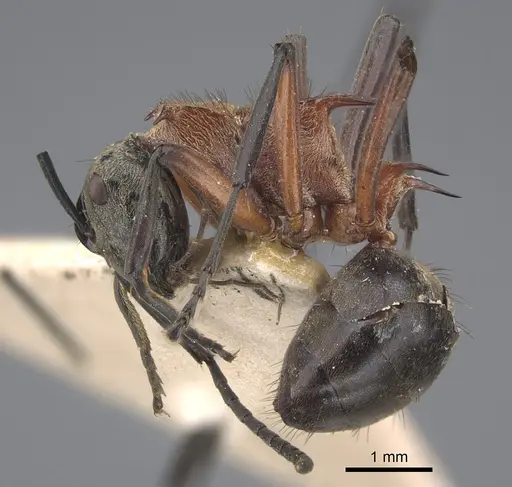
Polyrhachis fervens is a spiny ant found across eastern Indonesia, New Guinea, and northern Australia. Workers measure about 6-7 mm and have a bicolored pattern: black head and antennae, light reddish-brown thorax, petiole, and femora, with darker gaster and tibiae. The species is recognized by multiple spines on the thorax and petiole . This ant uniquely nests in dry hollow bamboo stems without using larval silk, representing a secondary reversal to arboreal nesting .
Quick Summary
- Difficulty: Medium
- Origin & Habitat: Native to eastern Indonesia, New Guinea, and northern Australia, inhabiting lowland rainforests [2][3].
- Colony Type: Colony structure is unconfirmed. Based on genus patterns, Polyrhachis species are typically monogyne (single-queen), but this is not confirmed for P. fervens.
- Size & Growth:
- Queen: Size data unavailable, no specific measurements in context.
- Worker: Approximately 6-7 mm [1].
- Colony: Up to several hundred workers, inferred from genus patterns.
- Growth: Moderate
- Development: Estimated 6-8 weeks at tropical temperatures, inferred from related species. (Development time is inferred, direct data unavailable for this species.)
- Antkeeping:
- Temperature: Keep warm, around 24-28°C, as this is a tropical species. Maintain stable warmth based on habitat [2][3].
- Humidity: Keep nest substrate consistently moist but not waterlogged. Provide a humidity gradient since they nest in dry bamboo [2].
- Diapause: No, tropical species do not require hibernation [2].
- Nesting: Arboreal nester, use Y-tong, plaster, or 3D-printed nests with enclosed spaces. Avoid acrylic nests. Prefer dark chambers mimicking bamboo [2][4].
- Behavior: Workers are generally calm and non-aggressive. They spray formic acid for defense, as they lack a sting. Escape risk is moderate due to small size.
- Common Issues: temperatures below 22°C can slow activity and stress colonies., arboreal nature may cause rejection of ground-level foraging areas., wild-caught colonies may carry parasites affecting survival., nesting in bamboo requires enclosed, dark spaces to avoid stress., cocoon-raising needs appropriate surfaces for pupation.
Housing and Nest Preferences
Polyrhachis fervens is an arboreal species that naturally nests in dry hollow bamboo stems [2]. In captivity, use Y-tong, plaster, or 3D-printed nests with enclosed spaces. Avoid acrylic nests. Provide dark, tight chambers to mimic bamboo internodes. Connect an outworld for foraging with tubing [4].
Feeding and Diet
This species is omnivorous, accepting sugar sources and protein. Offer sugar water or honey constantly, and protein like small insects 2-3 times per week. Remove uneaten prey after 24 hours. Fresh water should always be available.
Temperature and Humidity
Maintain warm conditions around 24-28°C, as this is a tropical species [2][3]. For humidity, keep the nest substrate moist but not waterlogged, with a gradient since they nest in dry bamboo [2].
Behavior and Colony Dynamics
Workers are active foragers, generally calm and non-aggressive. They spray formic acid for defense. Colonies produce cocooned pupae, which workers tend carefully [4]. Growth is moderate, reaching several hundred workers over time.
Seasonal Care
No diapause is required, as this is a tropical species [2]. Keep temperatures consistent year-round. If room temperature drops, use heating to maintain warmth.
Frequently Asked Questions
Can I keep Polyrhachis fervens in a test tube?
Test tubes can work temporarily for founding colonies, but transfer to a proper nest once workers appear. Arboreal ants prefer enclosed spaces [2].
What do Polyrhachis fervens eat?
They are omnivores. Offer sugar water or honey constantly, and protein like small insects 2-3 times per week.
How long until first workers in Polyrhachis fervens?
Expect first workers about 6-8 weeks after queen lays eggs, at tropical temperatures.
Do Polyrhachis fervens need hibernation?
No, as a tropical species, they do not require hibernation [2].
Are Polyrhachis fervens good for beginners?
They are medium difficulty, better for keepers with some experience due to arboreal needs and temperature requirements.
What is the best nest type for Polyrhachis fervens?
Y-tong, plaster, or 3D-printed nests with enclosed spaces. Avoid acrylic nests [2][4].
How big do Polyrhachis fervens colonies get?
Colonies can reach up to several hundred workers, inferred from genus patterns.
Why is my Polyrhachis fervens colony not growing?
Check temperature (24-28°C), protein food, and humidity. Arboreal ants may stress in ground-level setups.
Report an Issue
The current care sheet is based fully on literature. See inconsistencies, or something that's incorrect? Please , it will be resolved after review from an admin. Contributing to the blogs tab also helps providing information, to make us be able to further improve the caresheets. Thank you for your support!
References

This caresheet is licensed under CC BY-SA 4.0 .
Community Blogs
ANTWEB1008264
View on AntWeb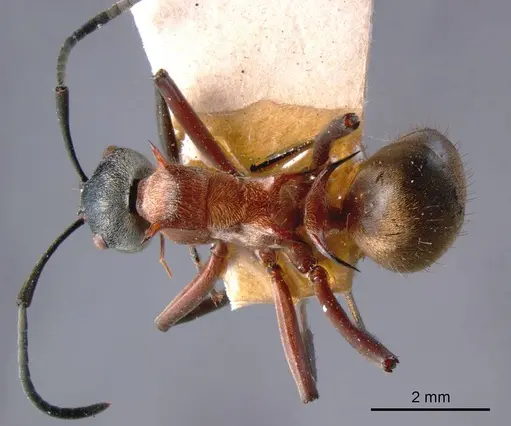
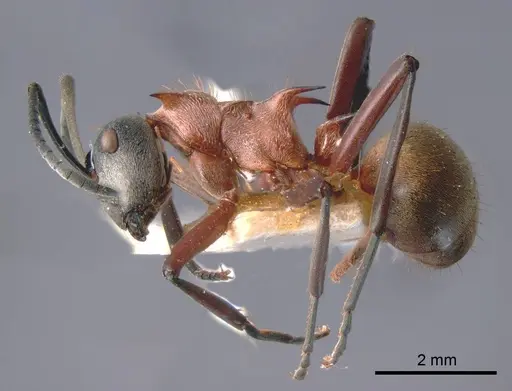
CASENT0901844
View on AntWeb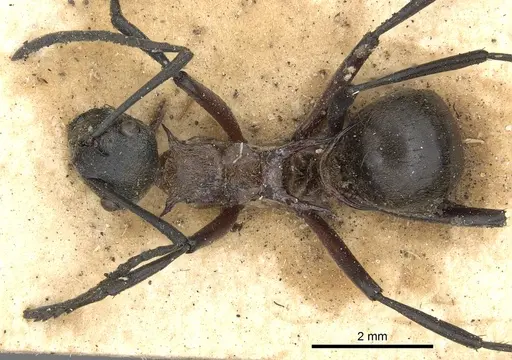
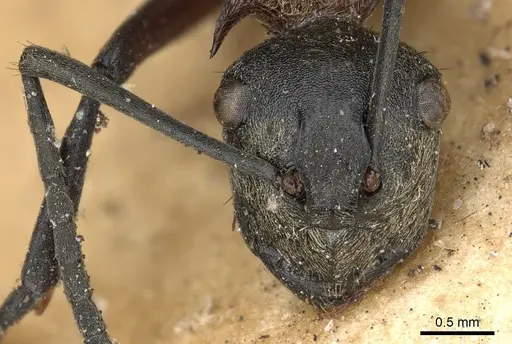
CASENT0906731
View on AntWeb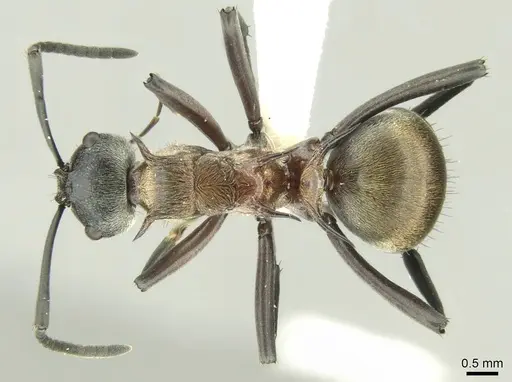
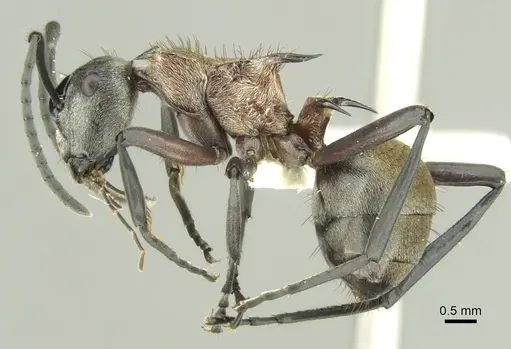
CASENT0917863
View on AntWeb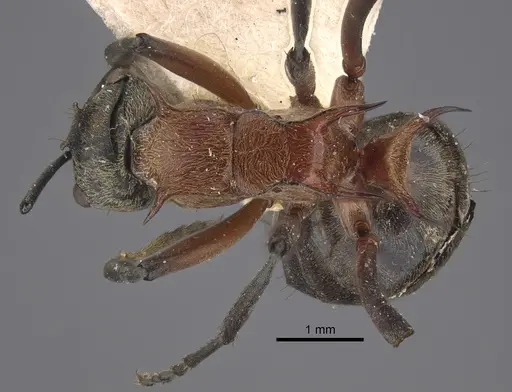
Literature
Loading distribution map...Loading products...