Polyrhachis femorata exhibits a clear seasonal flight window. Peak flight activity is concentrated in April, with the overall period spanning March to May.
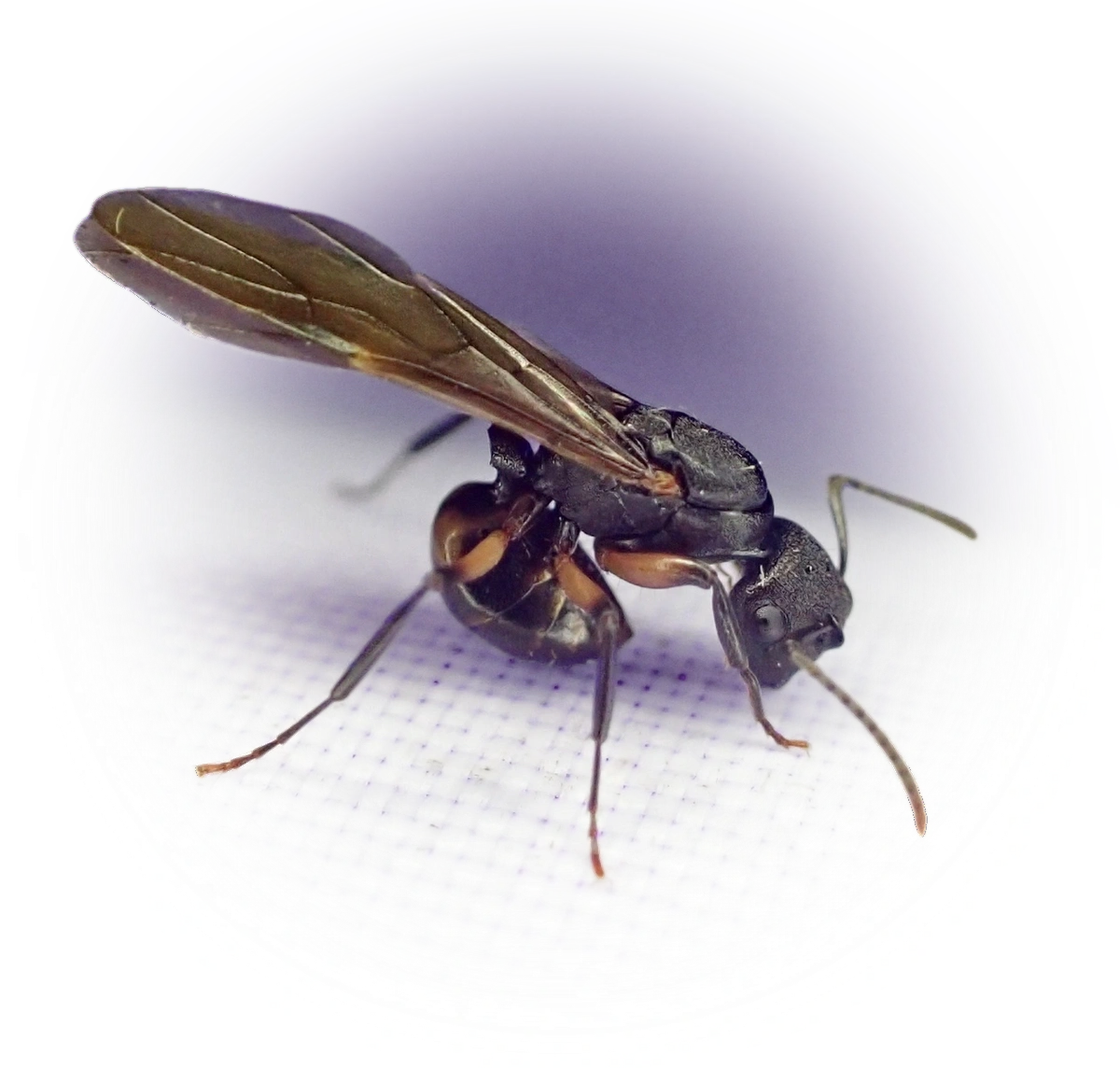
Southern Broad-nosed Spiny Ant
Polyrhachis femorata
- Sci. Name
- Polyrhachis femorata
- Subgenus
- Campomyrma
- Tribe
- Camponotini
- Subfamily
- Formicinae
- Author
- Smith, 1858
- Common Name
- Southern Broad-nosed Spiny Ant
- Distribution
- Found in 1 countries
- Nuptial Flight
- From March to May
- Peak flight Time
- 21:00
AI Identifiable
try →
Introduction
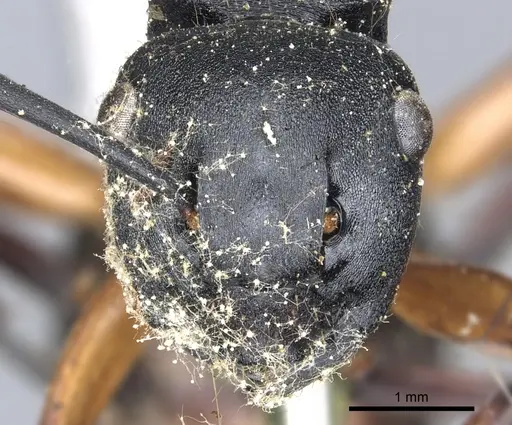
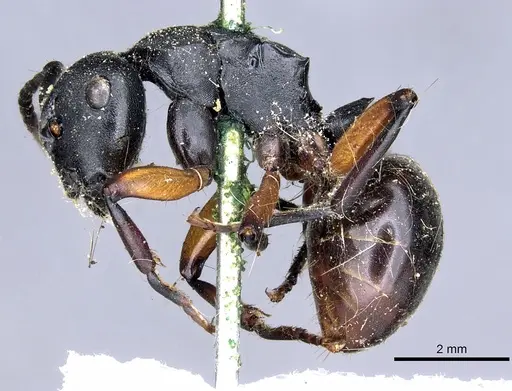
Polyrhachis femorata is a medium-sized ant native to Australia. Workers measure around 8-9 mm . The species is morphologically variable across its range , which spans the eastern coast of Australia (including Tasmania) and southwestern Western Australia . They belong to the subgenus Campomyrma and are part of the tribe Camponotini. In their ecosystem, they act as subordinate Camponotini, often foraging in trees rather than on the ground .
Quick Summary
- Difficulty: Medium
- Origin & Habitat: Eastern Australia (including Tasmania) and southwestern Western Australia. Found in eucalypt forests, urban areas, and gardens. Nests in both subterranean locations and rotting wood [3][5][6].
- Colony Type: Likely monogyne (single queen) based on typical Polyrhachis patterns, but unconfirmed.
- Size & Growth:
- Queen: ~10-12 mm, inferred from Polyrhachis genus patterns (not directly measured)
- Worker: ~8-9 mm [1]
- Colony: Several hundred workers (estimated from related species)
- Growth: Moderate
- Development: 6-10 weeks at optimal temperature (estimated from typical Formicinae development) (Actual timing may vary with temperature and colony condition.)
- Antkeeping:
- Temperature: Aim for 22-26 °C during the active season. A slight temperature gradient in the nest helps ants regulate [5].
- Humidity: Keep nest substrate moderately moist but not waterlogged. Provide a gradient with a damp area and a drier area. Avoid condensation on chamber walls.
- Diapause: Likely required, this species originates from temperate Australia. Provide a winter rest period of 2-3 months at 10-15 °C, gradually reducing temperature in autumn.
- Nesting: Prefers dark, secure chambers. Recommended nest types: Y‑tong, plaster, soil, or 3D‑printed formicaria. They accept wood‑based or soil chambers, as they naturally nest in both subterranean and lignicolous locations [6][5]. Test tube setups work for founding colonies.
- Behavior: Workers are active, curious foragers. They are generally peaceful and retreat from conflict rather than fight. As a Subordinate Camponotini [4], they coexist with less aggressive species. Their primary defense is formic acid spray (like other Formicinae), they do not have a functional sting. Standard barriers (fluon, petroleum jelly) are effective for this medium‑sized ant.
- Common Issues: colonies may fail if kept too cold, maintain temperatures above 20 °C during active season., slow initial growth can lead to overfeeding by impatient keepers, feed sparingly until 10+ workers., test tube setups need monitoring for mold in humid conditions, provide ventilation and change cotton plugs when soiled., hibernation failure is common, ensure proper gradual cooling and consistent rest period., this species is frequently intercepted in cargo (e.g., New Zealand, Lord Howe Island) [8][7], do not release into non‑native environments.
Nuptial Flight Activity Analysis 151 observations
Flight Activity by Hour 151 observations
Polyrhachis femorata nuptial flight activity peaks around 21:00 during the night. Activity is spread across a 17-hour window (06:00–22:00). Times may be influenced by human observation patterns.
Housing and Nest Setup
Polyrhachis femorata adapts well to captive setups. Y‑tong (AAC), plaster, soil, or 3D‑printed nests work well because they provide dark, secure chambers. They naturally nest in both subterranean locations and rotting wood [6][5], so a mix of earthen and wooden elements is welcome. Provide a hydration chamber that stays moist but not wet, and a dry outworld for foraging. A test tube setup with a water reservoir works for founding colonies, monitor for mold in humid conditions and replace cotton plugs when needed. Because pupal cocoons are present [5], ensure nesting material is smooth and won’t entangle brood. Escape prevention is straightforward: standard fluon barriers or petroleum jelly on container edges work well.
Feeding and Diet
These ants are omnivorous. Offer protein sources such as small insects (fruit flies, small crickets, mealworms) two or three times per week. Provide sugar water, honey, or diluted syrup as a constant energy source. In the wild, they forage actively and are subordinate Camponotini [4], suggesting they scavenge rather than aggressively hunt. Remove uneaten prey after 24-48 hours to prevent mold and mites. Fresh water should always be available (a test tube with a cotton plug works well).
Temperature and Seasonal Care
Maintain temperatures around 22-26 °C for optimal activity and brood development. A gentle temperature gradient (heating cable on one side) allows ants to choose their preferred spot [5]. Being from temperate southern Australia, they likely need a winter diapause. In autumn, gradually lower the temperature to 10-15 °C over two weeks. Keep the colony cool (above freezing) for 2-3 months. In spring, slowly raise temperatures back to active levels. Avoid sudden temperature swings larger than 5 °C between day and night.
Colony Development and Growth
Growth is moderate. Founding behavior is not documented for this species, but based on related Polyrhachis, the queen is likely claustral (seals herself in and uses stored fat reserves). First workers (nanitics) should appear in 6-10 weeks at optimal temperature, but this is an estimate. Initial growth is slow, the colony may stay with fewer than 10 workers for several months. Patience is key: overfeeding or excessive disturbance can cause the queen to die or eat eggs. Once the colony reaches 20-30 workers, growth accelerates steadily. Maximum colony size is likely several hundred workers. [1]
Behavior and Temperament
Polyrhachis femorata workers are active, curious, and not aggressive toward keepers. They belong to the Subordinate Camponotini functional group [4], which means they avoid conflict with more aggressive species. They forage both on the ground and in trees, in one study,39 out of 40 individuals were caught in tree traps [4]. They do not have a functional sting, instead, they bite and spray formic acid into the wound (typical of Formicinae). This can cause mild irritation but is not painful. Their moderate size (8-9 mm) and calm temperament make them safe for intermediate keepers. Escape risk is low with standard barriers.
Frequently Asked Questions
How long does it take for Polyrhachis femorata to produce first workers?
Expect 6-10 weeks from egg to first worker at 22-26 °C. This is an estimate based on typical Formicinae development, specific timing for this species has not been documented.
Do Polyrhachis femorata ants need hibernation?
Yes, likely required. As a temperate Australian species, they benefit from a 2-3 month winter rest period at 10-15 °C. Gradually reduce temperature in autumn to trigger hibernation.
What do Polyrhachis femorata eat?
They are omnivorous. Offer small insects (fruit flies, crickets, mealworms) for protein 2-3 times per week, and keep sugar water, honey, or diluted syrup available at all times.
Are Polyrhachis femorata good for beginners?
They are rated Medium difficulty. They are more forgiving than tropical species but require attention to temperature and seasonal care. Their moderate size and peaceful temperament make them manageable for intermediate keepers.
Can I keep multiple Polyrhachis femorata queens together?
Not recommended without documented evidence. While some Polyrhachis species can be polygynous, combining unrelated foundresses has not been studied for this species and may result in aggression or death.
What size nest do Polyrhachis femorata need?
Medium-sized nests work well. A Y‑tong, plaster, or soil formicarium with multiple chambers accommodates their moderate colony size. They accept both wood‑based and soil‑based nesting materials [6][5].
Why is my Polyrhachis femorata colony declining?
Common causes include: temperatures too low (keep above 20 °C), improper humidity (too wet causes mold, too dry kills brood), insufficient protein, or failure to provide hibernation. Check these parameters first.
Where is Polyrhachis femorata native to?
Eastern Australia including Tasmania, and southwestern Western Australia. They are native to the Australian mainland and have been intercepted arriving in New Zealand and Lord Howe Island via human commerce [7][8].
When should I move my colony to a formicarium?
Move when the colony reaches 20-30 workers and outgrows the founding test tube. Ensure the formicarium has appropriate humidity zones and a secure outworld before transferring.
When is the nuptial flight of Polyrhachis femorata?
The nuptial flight of Polyrhachis femorata typically occurs From March to May.
What time of day does Polyrhachis femorata fly?
The nuptial flight of Polyrhachis femorata peaks around 21:00 during the night, with most activity between 06:00 and 22:00. Times may be influenced by human observation patterns.
Report an Issue
The current care sheet is based fully on literature. See inconsistencies, or something that's incorrect? Please , it will be resolved after review from an admin. Contributing to the blogs tab also helps providing information, to make us be able to further improve the caresheets. Thank you for your support!
References

This caresheet is licensed under CC BY-SA 4.0 .
Community Blogs
CASENT0887770
View on AntWeb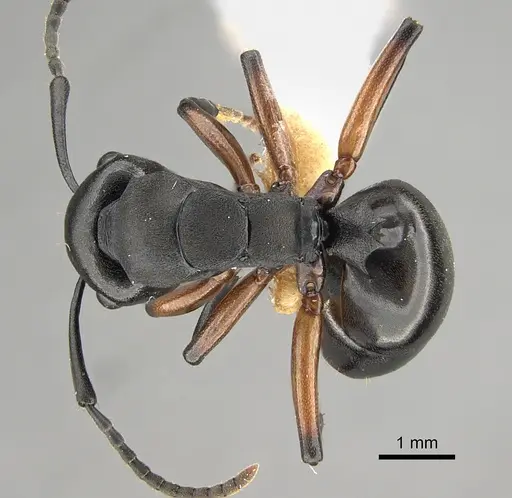
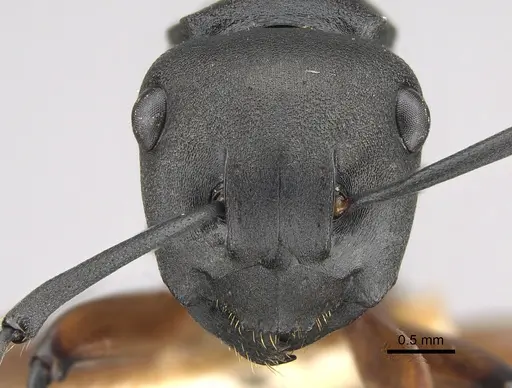
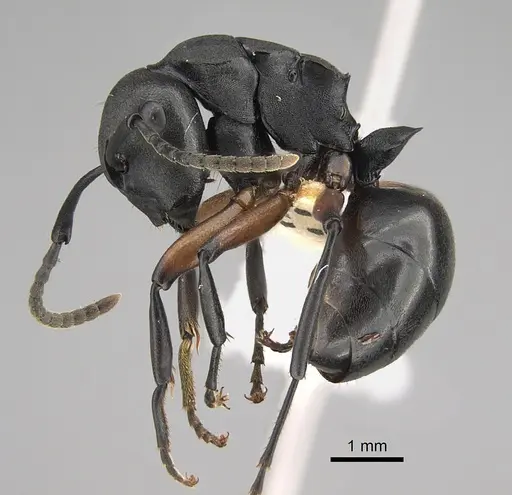
CASENT0903302
View on AntWeb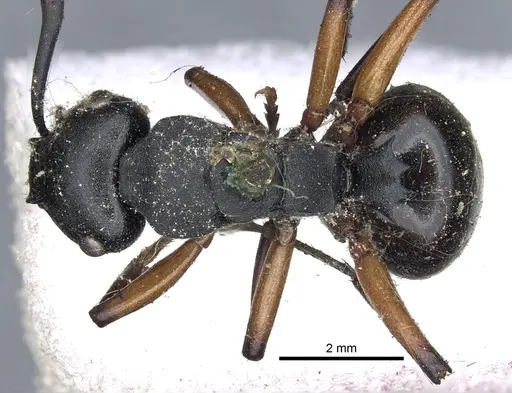
Literature
Loading distribution map...Loading products...