
Polyrhachis euryala
- Sci. Name
- Polyrhachis euryala
- Subgenus
- Cyrtomyrma
- Tribe
- Camponotini
- Subfamily
- Formicinae
- Author
- Smith, 1863
- Distribution
- Found in 2 countries
Introduction
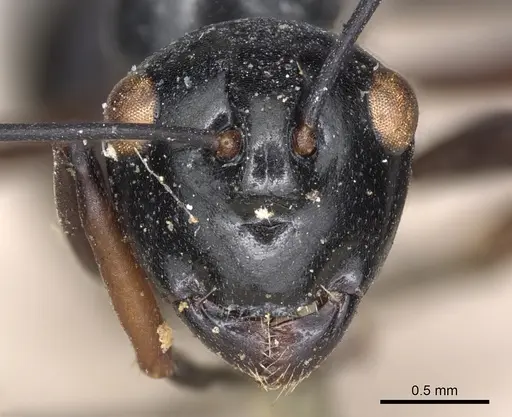
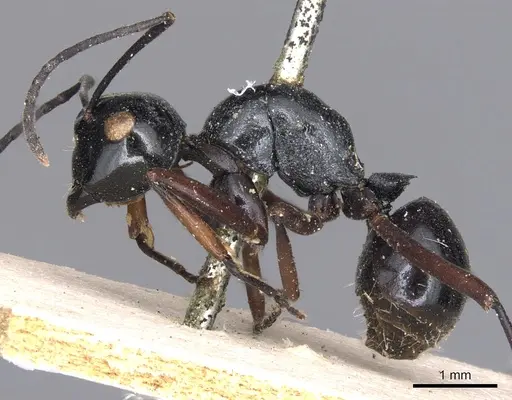
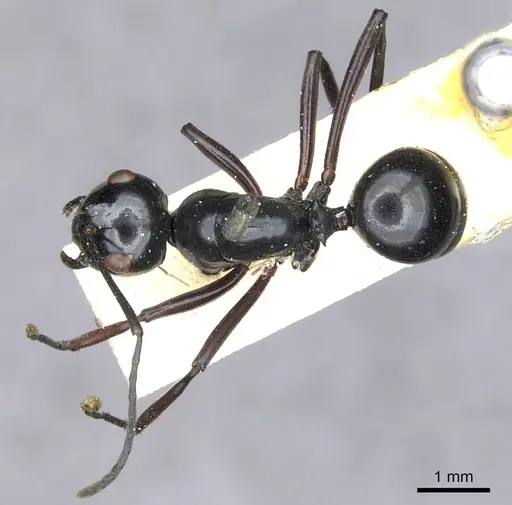
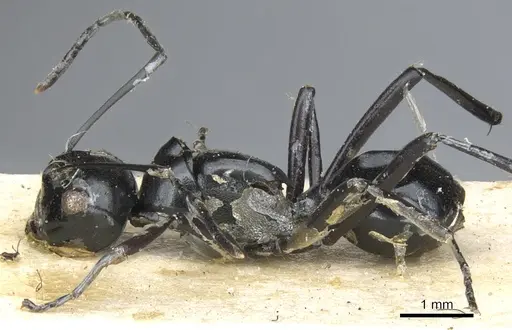
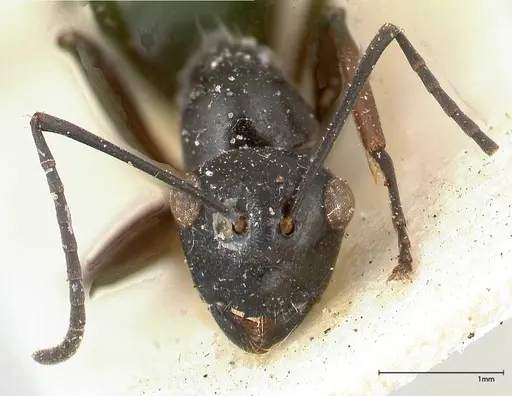
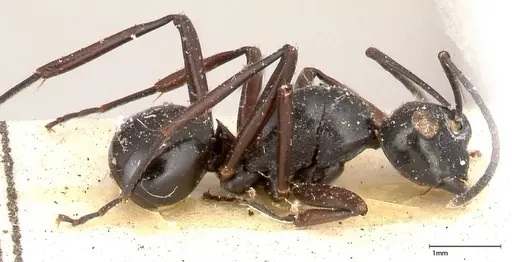
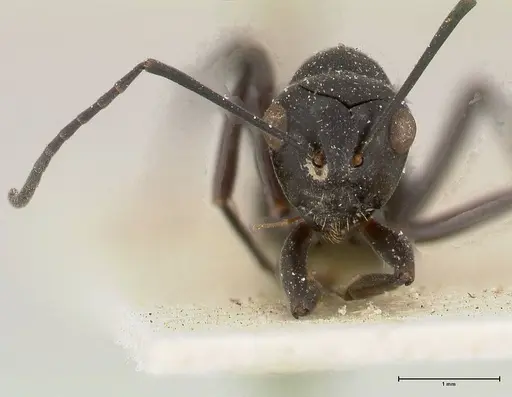
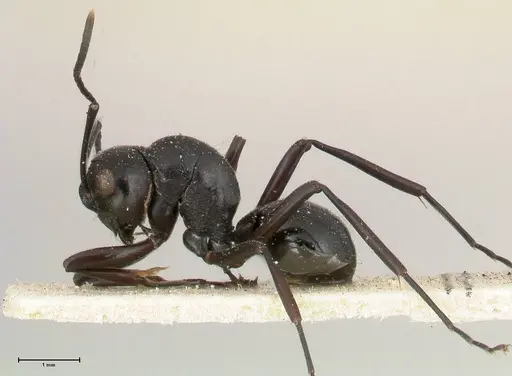
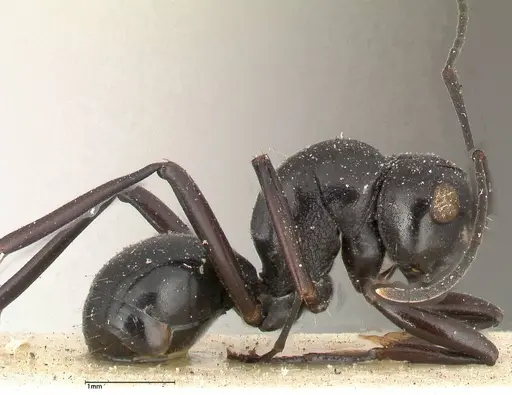
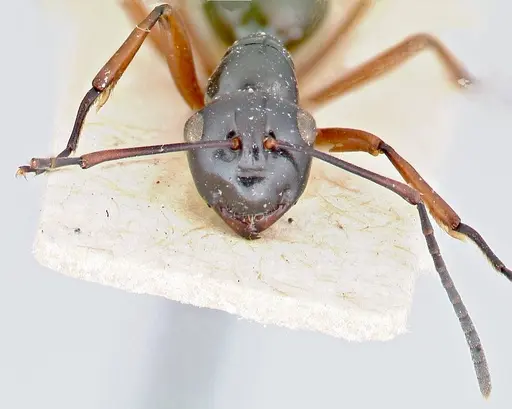
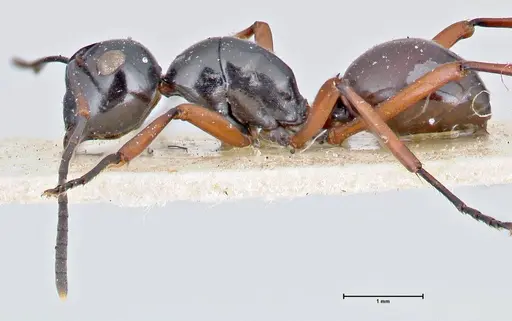
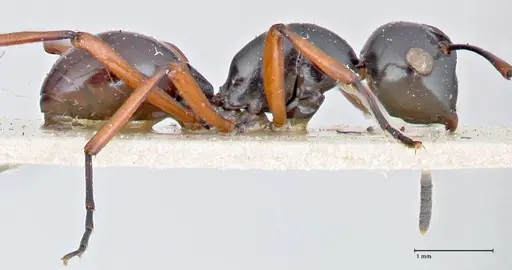
Polyrhachis euryala is a medium-sized black ant with workers measuring 6.25-7.00 mm and queens 7.0-7.5 mm in total length . They have a slender mesosoma and four spines on the petiole, with the lateral pair longer and more acute than the dorsal pair . This species is patchily distributed in eastern Indonesia and New Guinea, from sea level to around 500 m elevation . One historical record notes workers and winged queens in a carton nest under Pandanus leaves . The biology of Polyrhachis euryala is poorly documented, with little known about its care in captivity. As a member of the Polyrhachis genus, it likely shares arboreal nesting habits with related species.
Quick Summary
- Difficulty: Hard
- Origin & Habitat: Eastern Indonesia (including Misool Island) and New Guinea region, found at low to mid-elevations up to 500 m [3][1][2].
- Colony Type: Unconfirmed, no data on queen number or social structure.
- Size & Growth:
- Antkeeping:
- Temperature: Keep warm around 24-28°C, inferred from tropical distribution and genus patterns [1].
- Humidity: Keep nest substrate consistently moist but not waterlogged, based on tropical rainforest habitat [1].
- Diapause: No, as a tropical species, diapause is not required.
- Nesting: Provide arboreal nesting options like rotting wood or cork, based on Polyrhachis genus patterns. One record notes a carton nest under Pandanus leaves [2].
- Behavior: Based on Polyrhachis genus patterns, workers are moderately active and not overly aggressive. Escape prevention should be adequate for 6-7 mm workers.
- Common Issues: no captive husbandry data exists, this species has never been documented in the antkeeping hobby., maintaining high humidity may be challenging in captive settings., wild-caught colonies may have parasites or diseases that cause failure., dietary preferences are unknown, offer varied food sources to test acceptance.
Nest Preferences
The natural nesting habits of Polyrhachis euryala are undocumented, but members of the subgenus Cyrtomyrma are typically found in forested areas and often nest in rotting wood, under loose bark, or in arboreal situations. One historical collection notes workers and winged queens were found in a carton nest under leaves of Pandanus [2]. For captive care, provide a naturalistic setup with rotting wood pieces, cork, or a well-humidified nest. Given their tropical origin, they need consistent moisture and should not be allowed to dry out.
Feeding and Diet
The dietary preferences of Polyrhachis euryala have not been documented. Polyrhachis species in general are omnivorous, typically foraging for honeydew from aphids and scale insects, as well as hunting small insects. For captive colonies, offer a varied diet: sugar water or honey as a constant energy source, and protein sources like small insects 2-3 times per week. Monitor for acceptance and adjust feeding based on colony consumption.
Temperature and Care
As a species from New Guinea and eastern Indonesia, Polyrhachis euryala requires warm, stable tropical conditions. Maintain temperatures between 24-28°C, avoiding any drops below 20°C. Use a heating cable or mat on one side of the nest to create a gentle gradient if room temperature is insufficient. Unlike temperate species, this ant does not require hibernation or diapause, maintain warm conditions year-round. [1]
Colony Founding
The founding behavior of Polyrhachis euryala has not been documented. Most Polyrhachis species are claustral, but this specific behavior is unconfirmed for P. euryala. If you obtain a founding queen, provide a small test tube setup with moist cotton, keep her in darkness, and do not disturb her for 4-8 weeks while she lays eggs and raises the first brood.
Behavior and Temperament
Specific behavioral observations for Polyrhachis euryala do not exist in scientific literature. Based on genus-level knowledge, Polyrhachis ants are generally not overly aggressive and have moderate foraging activity. They are likely more arboreal than ground-nesting ants. Workers are large enough that standard escape prevention measures should suffice.
Frequently Asked Questions
Can I keep Polyrhachis euryala in a test tube?
Yes, a test tube setup can work for founding colonies. Provide a moist cotton reservoir and keep the tube in a warm, dark location. However, because this species likely requires high humidity, monitor that the tube doesn't dry out.
How long until first workers in Polyrhachis euryala?
The exact development time is unknown. Based on typical Polyrhachis development patterns, expect 6-10 weeks from egg to worker at optimal tropical temperatures (24-28°C).
What do Polyrhachis euryala ants eat?
Their exact diet is undocumented, but Polyrhachis species are omnivorous. Offer sugar water or honey as a constant energy source, and protein like small insects 2-3 times per week.
Are Polyrhachis euryala good for beginners?
No. This species has never been kept in captivity and has no documented care requirements. All recommendations are speculative based on genus-level patterns.
Do Polyrhachis euryala need hibernation?
No. As a tropical species from New Guinea and eastern Indonesia, they do not require hibernation. Maintain warm temperatures year-round.
How big do Polyrhachis euryala colonies get?
The maximum colony size is unknown, no scientific data exists on colony size for this species.
Can I keep multiple queens together?
Not recommended. There is no data on colony structure for this species, and Polyrhachis species are typically monogyne (single-queen colonies).
What temperature do Polyrhachis euryala need?
Keep them warm, aim for 24-28°C. This is a tropical species that requires consistently warm conditions.
Why are my Polyrhachis euryala dying?
Without documented captive care, diagnosing problems is difficult. Common issues likely include temperature too cold, humidity too low, or stress from wild-caught origin.
Report an Issue
The current care sheet is based fully on literature. See inconsistencies, or something that's incorrect? Please , it will be resolved after review from an admin. Contributing to the blogs tab also helps providing information, to make us be able to further improve the caresheets. Thank you for your support!
References

This caresheet is licensed under CC BY-SA 4.0 .
Community Blogs
CASENT0217792
View on AntWeb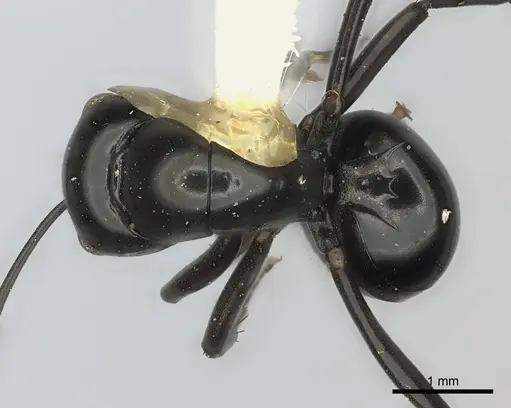
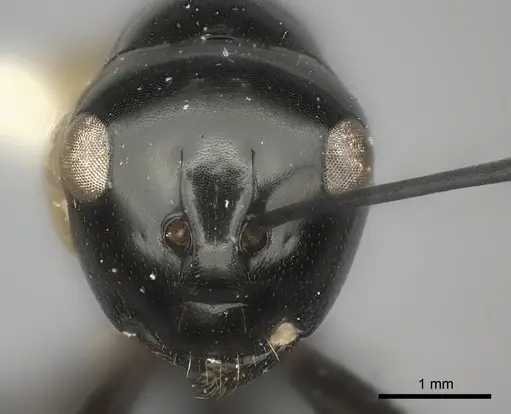
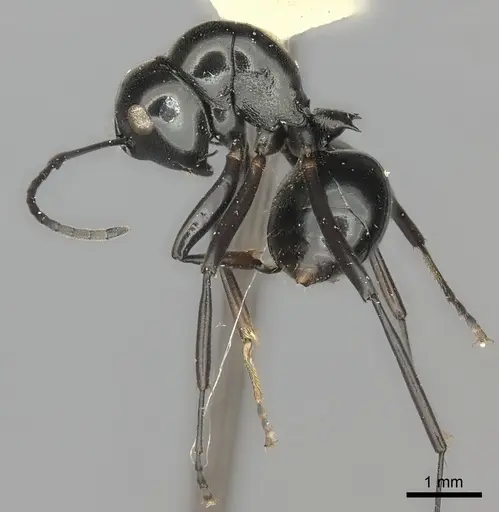
CASENT0901820
View on AntWeb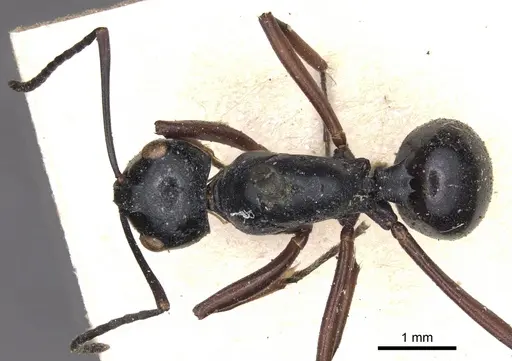
CASENT0903410
View on AntWeb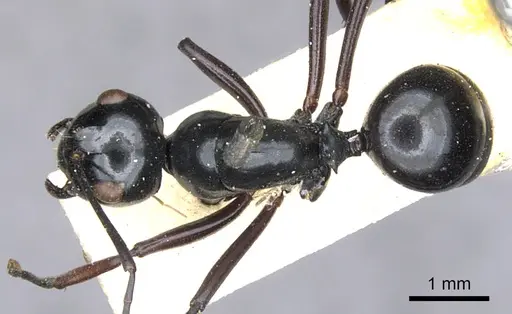
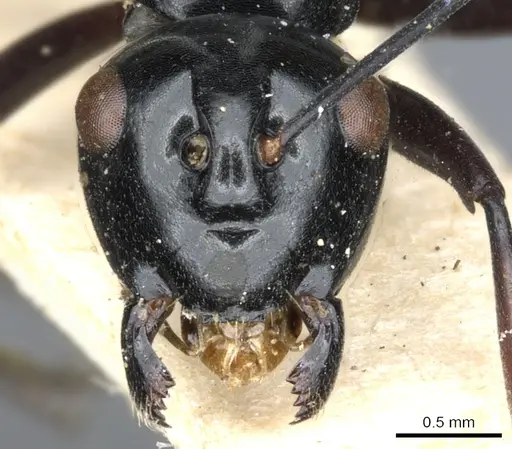
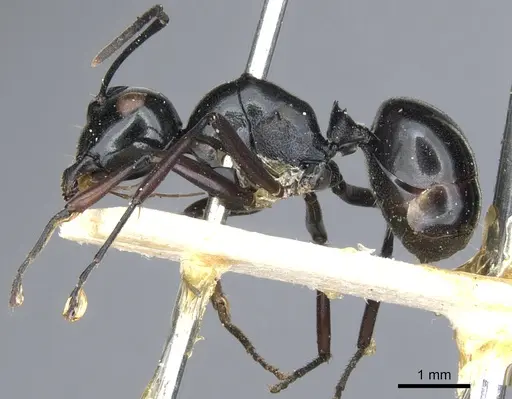
CASENT0903413
View on AntWeb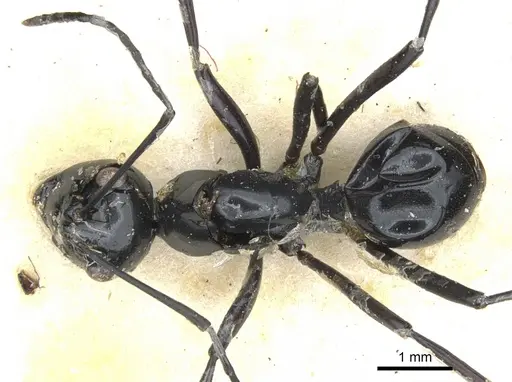
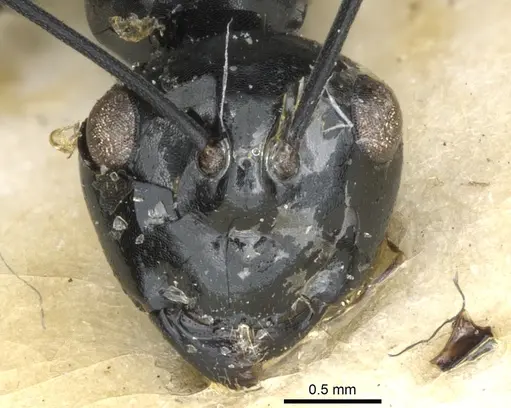
FOCOL0436
View on AntWeb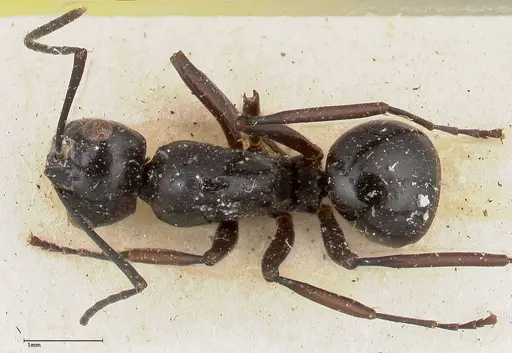
FOCOL0437
View on AntWeb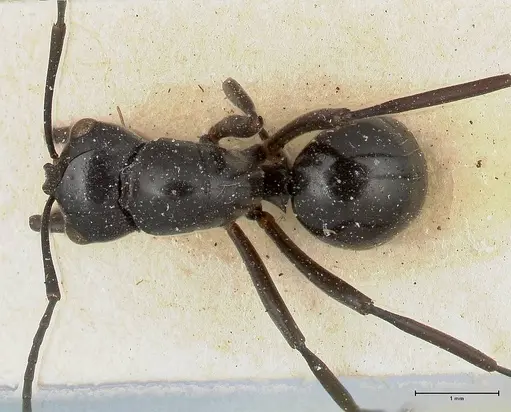
FOCOL2673
View on AntWeb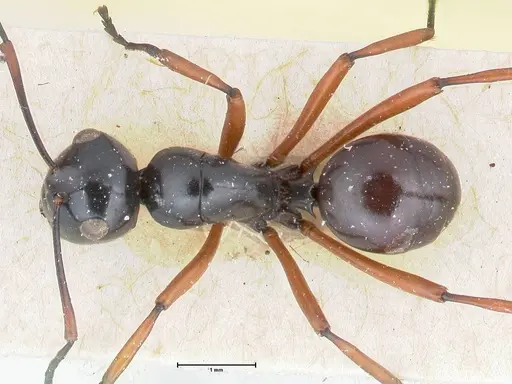
Literature
Loading distribution map...Loading products...