
Durban Spiny Sugar Ant
Polyrhachis durbanensis
- Sci. Name
- Polyrhachis durbanensis
- Subgenus
- Myrma
- Tribe
- Camponotini
- Subfamily
- Formicinae
- Author
- Forel, 1914
- Common Name
- Durban Spiny Sugar Ant
- Distribution
- Found in 1 countries
Introduction
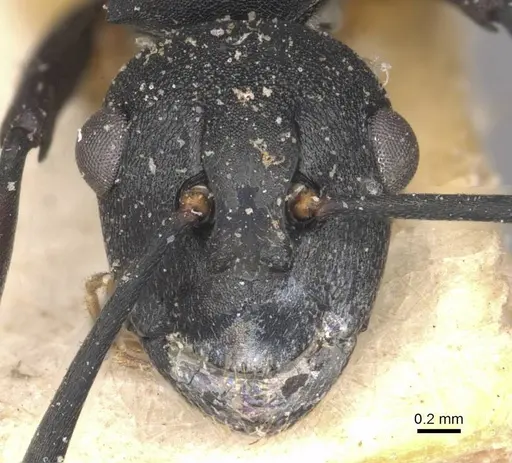
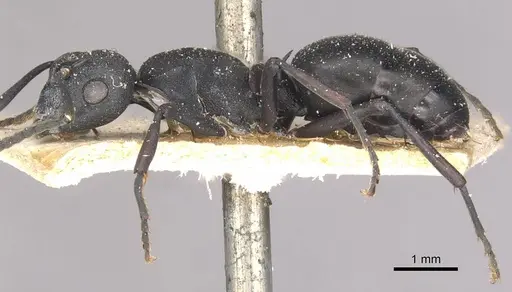
Polyrhachis durbanensis is a small to medium-sized ant from East Africa, found in Tanzania's Mkomazi Game Reserve in savannah habitats associated with acacia trees . Workers have distinctive spines, a finely striate first gastral tergite, and weakly convex eyes . Size data is unavailable from research, but inferred from the Polyrhachis genus to be around 5-7mm for workers. These ants are arboreal, nesting in trees or vegetation rather than underground.
Quick Summary
- Difficulty: Medium
- Origin & Habitat: East Africa, specifically Tanzania (Mkomazi Game Reserve) in savannah habitats associated with acacia trees [1].
- Colony Type: Based on Polyrhachis genus patterns, likely monogyne (single queen), but unconfirmed for this species.
- Size & Growth:
- Queen: Size data unavailable from research, inferred from Polyrhachis genus to be ~7-9mm
- Worker: Size data unavailable from research, inferred from Polyrhachis genus to be ~5-7mm
- Colony: Unknown, no data on colony size from research
- Growth: Moderate, inferred from tropical Polyrhachis patterns
- Development: Estimated 6-10 weeks at 25-28°C based on genus patterns (Development time is inferred, no specific data for this species)
- Antkeeping:
- Behavior: Generally peaceful and good climbers, active during daylight hours. Escape risk is moderate due to climbing ability [2].
- Common Issues: cold temperatures can slow colony development, arboreal nature requires vertical space and climbing structures, escape prevention is important as they are good climbers, wild-caught colonies may carry parasites, slow founding phase may take months to establish
Housing and Nest Setup
Polyrhachis durbanensis is an arboreal species, nesting in trees or vegetation [1]. In captivity, provide vertical space with Y-tong nests or naturalistic setups using cork bark or twigs [2]. Keep nests angled or vertical, and ensure the outworld has climbing surfaces [2].
Feeding and Diet
These ants are omnivorous, accepting sugar sources like honey water and protein such as small insects [2]. Offer sugar continuously and protein 2-3 times per week, removing uneaten prey after 24 hours [2].
Temperature and Heating
Keep temperatures at 24-28°C for optimal health [2]. Use a heating cable on one side of the nest if room temperature is too low, but avoid direct heat underneath [2].
Humidity and Water
Maintain moderate humidity with a slightly moist substrate [2]. Provide a water tube for drinking and mist the outworld occasionally [2].
Behavior and Activity
Workers are diurnal and active climbers, generally peaceful [2]. They use chemical signals and tandem running for foraging [2].
Frequently Asked Questions
How long does it take for Polyrhachis durbanensis to produce first workers?
Estimated 6-10 weeks at 25-28°C based on genus patterns, but no specific data for this species [2].
Can I keep Polyrhachis durbanensis in a test tube?
Test tubes work for founding, but established colonies need vertical setups like Y-tong nests [2].
What temperature do Polyrhachis durbanensis need?
Keep them at 24-28°C, as they are tropical ants [2].
Are Polyrhachis durbanensis good for beginners?
Rated medium difficulty due to arboreal housing and temperature needs [2].
How big do Polyrhachis durbanensis colonies get?
Colony size is unknown from research, but inferred to be moderate based on genus patterns [2].
Do Polyrhachis durbanensis need hibernation?
No, as a tropical species, diapause is not required [2].
What do Polyrhachis durbanensis eat?
They eat sugar sources and protein, such as honey water and small insects [2].
Why are my Polyrhachis durbanensis dying?
Common causes include cold temperatures, poor escape prevention, or parasites in wild-caught colonies [2].
When should I move my colony to a formicarium?
Move when the colony has around 50-100 workers or when the test tube water is low [2].
Report an Issue
The current care sheet is based fully on literature. See inconsistencies, or something that's incorrect? Please , it will be resolved after review from an admin. Contributing to the blogs tab also helps providing information, to make us be able to further improve the caresheets. Thank you for your support!
References

This caresheet is licensed under CC BY-SA 4.0 .
Community Blogs
CASENT0906839
View on AntWeb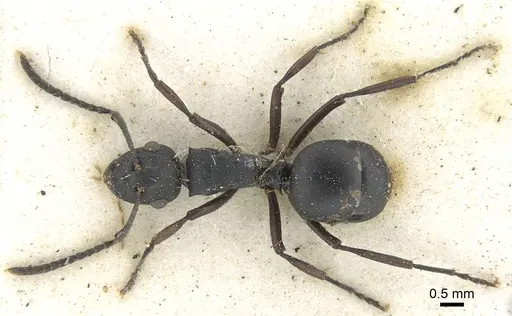
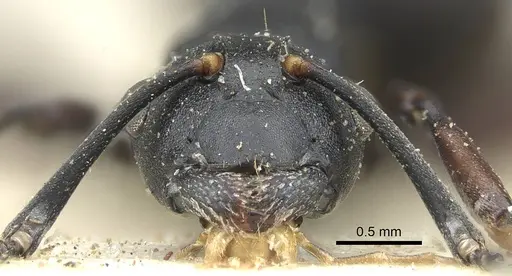
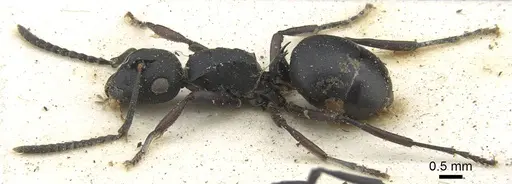
CASENT0910944
View on AntWeb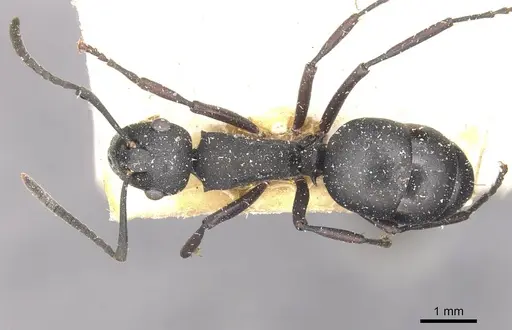
Literature
Loading distribution map...Loading products...