
Polyrhachis demangei
- Sci. Name
- Polyrhachis demangei
- Subgenus
- Cyrtomyrma
- Tribe
- Camponotini
- Subfamily
- Formicinae
- Author
- Santschi, 1910
- Distribution
- Found in 3 countries
Introduction
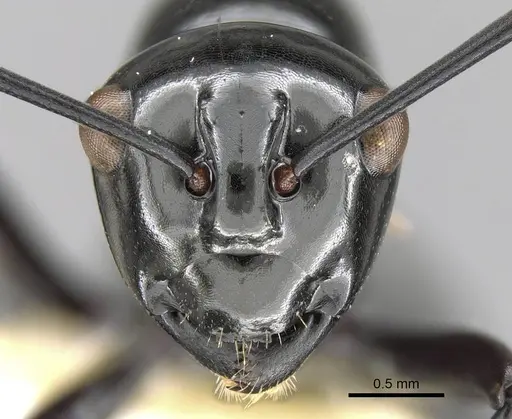
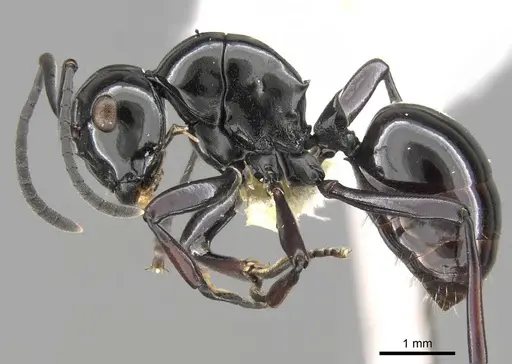
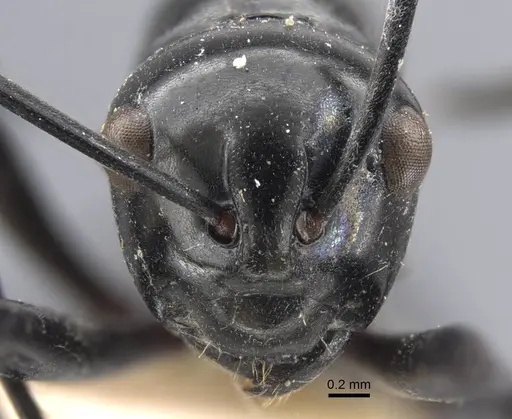
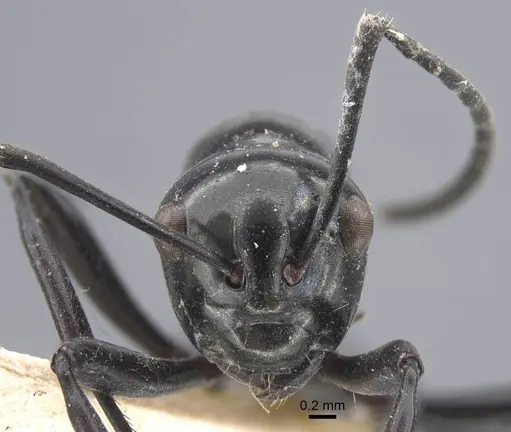
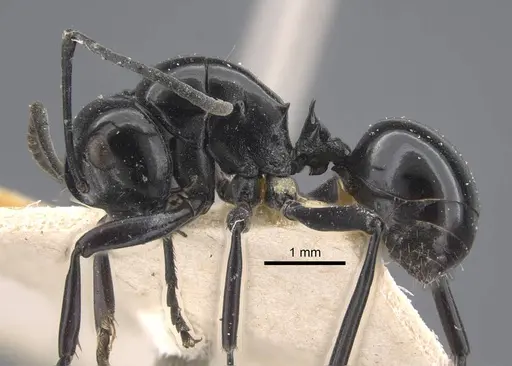
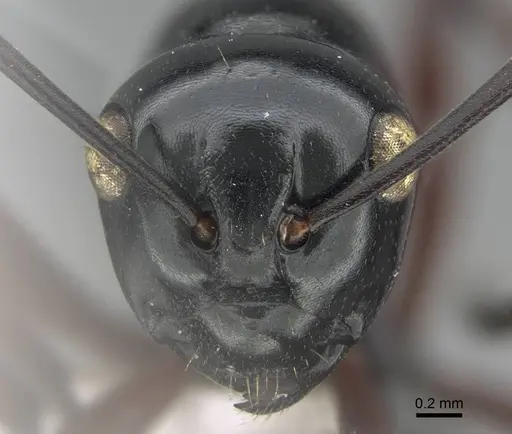
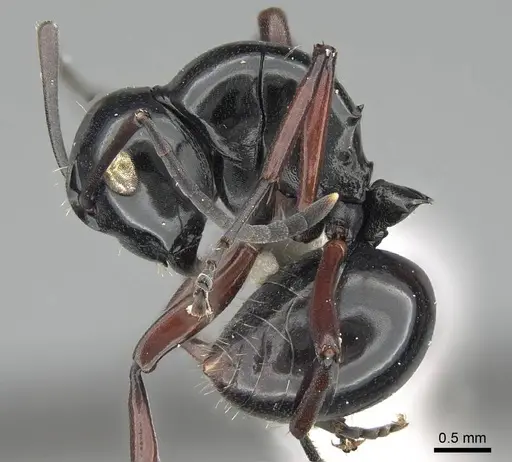
Polyrhachis demangei is a spiny ant in the subfamily Formicinae, belonging to the subgenus Cyrtomyrma. Workers have spiny projections on the thorax and abdomen, typical of the genus. The species is native to Vietnam and southern China, including Hainan Province and Macau . It was first recorded in Macau in 2015 and is considered a new record for the region . This species is relatively rare in captivity, with limited specific care documentation.
Quick Summary
- Difficulty: Medium
- Origin & Habitat: Native to the Indomalaya region (Vietnam) and Palaearctic region (southern China), including Hainan Province and Macau. Found in tropical and subtropical forested areas [1][2].
- Colony Type: Colony structure is unconfirmed. Based on typical Polyrhachis patterns, likely monogyne (single queen) colonies.
- Size & Growth:
- Queen: Size data unavailable, no total length measurements in research. Inferred from Polyrhachis genus patterns to be around 8-10 mm.
- Worker: Size data unavailable, no total length measurements in research. Inferred from Polyrhachis genus patterns to be around 5-8 mm.
- Colony: Colony size data unavailable for this species. Based on related Polyrhachis species, colonies may reach up to several hundred workers.
- Growth: Moderate, inferred from genus patterns.
- Development: Unknown, no specific data available for this species. (Development time is likely temperature-dependent, but no confirmed data exists.)
- Antkeeping:
- Temperature: Keep warm, roughly 24-28°C, based on tropical origin. Provide a gentle gradient for self-regulation.
- Humidity: Keep nest substrate consistently moist but not waterlogged, based on typical forest habitat.
- Diapause: Unconfirmed. Based on tropical origin, likely no true hibernation, but may have reduced activity in cooler months.
- Nesting: Inferred from genus patterns to prefer rotting wood or tight chambers. Use Y-tong, plaster, or naturalistic nests with dark spaces.
- Behavior: Based on Polyrhachis genus patterns, workers are generally docile and non-aggressive. Escape risk is moderate, use standard barriers like Fluon.
- Common Issues: limited species-specific care information makes precise recommendations difficult., wild-caught colonies may have parasites or diseases not yet documented in captivity., slow establishment phase means colonies may appear inactive before founding is complete., humidity control is important, too dry can cause brood death, too wet can cause fungal issues., temperature consistency matters, avoid drafts and sudden changes.
Nest Preferences and Housing
Polyrhachis demangei likely nests in rotting wood, under bark, or in arboreal locations based on genus patterns [3]. In captivity, use a Y-tong (AAC) nest, plaster nest, or naturalistic setup with tight, dark chambers. Provide a water test tube for hydration. Keep the nest substrate moist but not waterlogged to match their natural forest habitat.
Feeding and Diet
Like most Formicinae, Polyrhachis demangei is likely omnivorous. Offer sugar sources (honey, sugar water) constantly and protein (insects like fruit flies) 2-3 times per week. Remove uneaten prey after 24-48 hours to prevent mold [3].
Temperature and Seasonal Care
As a tropical species from Vietnam and southern China, keep temperatures around 24-28°C. Avoid prolonged exposure below 20°C. No confirmed hibernation data, but reduced activity may occur in cooler months [1][2].
Behavior and Colony Dynamics
Polyrhachis ants are generally docile based on genus patterns. Workers are active foragers but not aggressive. Colonies grow moderately, with founding queens likely sealing themselves in to raise first workers. Be patient during the founding phase, as queens may appear inactive while raising brood.
Acquiring and Establishing Colonies
This species is rare in captivity. If you obtain a wild-caught queen, provide a simple test tube setup with water and keep it dark and undisturbed. Do not check frequently during founding to avoid disturbing the queen. Wait for first workers before offering food [2].
Frequently Asked Questions
How long does it take for Polyrhachis demangei queens to raise their first workers?
No specific data exists for this species. Based on related Formicinae, it may take 6-8 weeks at optimal temperature, but this is an estimate.
What do Polyrhachis demangei ants eat?
They are likely omnivorous. Offer sugar sources constantly and protein 2-3 times per week, based on genus patterns [3].
What temperature do Polyrhachis demangei ants need?
Keep them warm at 24-28°C, based on their tropical origin [1][2].
Are Polyrhachis demangei good for beginners?
This species has limited care documentation, making it moderate challenge. Suitable for intermediate keepers comfortable with inferred care.
How big do Polyrhachis demangei colonies get?
Colony size data is unavailable. Based on related species, colonies may reach up to several hundred workers.
Do Polyrhachis demangei need hibernation?
Unlikely, based on tropical origin. They may have reduced activity in cooler months but no true hibernation is confirmed.
What type of nest is best for Polyrhachis demangei?
Use Y-tong, plaster, or naturalistic nests with tight, dark chambers, based on genus patterns [3].
Can I keep multiple Polyrhachis demangei queens together?
Colony structure is unconfirmed. Based on genus patterns, they are likely monogyne, so combining queens is not recommended.
Where is Polyrhachis demangei found in the wild?
Native to Vietnam and southern China, including Hainan Province and Macau [1][2].
Report an Issue
The current care sheet is based fully on literature. See inconsistencies, or something that's incorrect? Please , it will be resolved after review from an admin. Contributing to the blogs tab also helps providing information, to make us be able to further improve the caresheets. Thank you for your support!
References

This caresheet is licensed under CC BY-SA 4.0 .
Community Blogs
CASENT0906788
View on AntWeb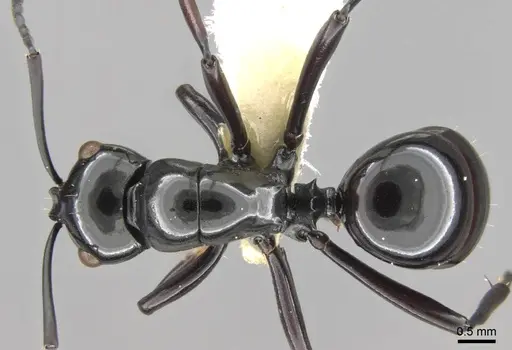
CASENT0912100
View on AntWeb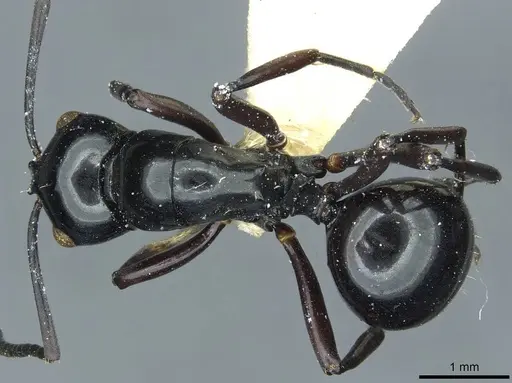
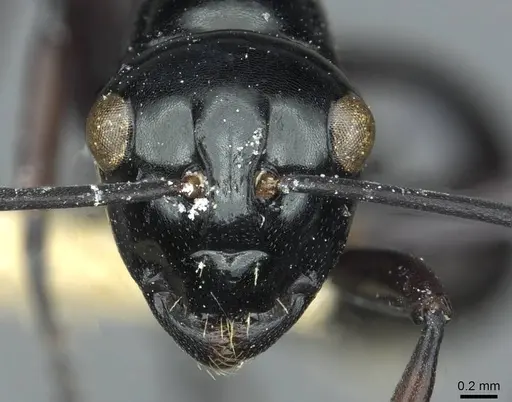
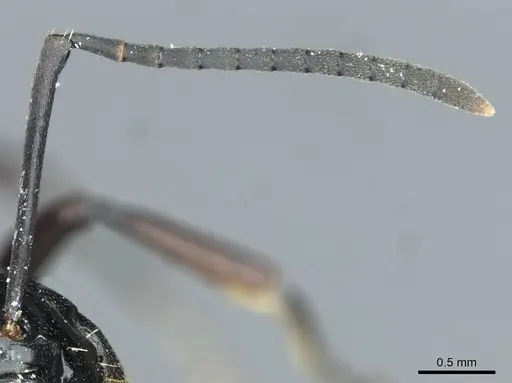
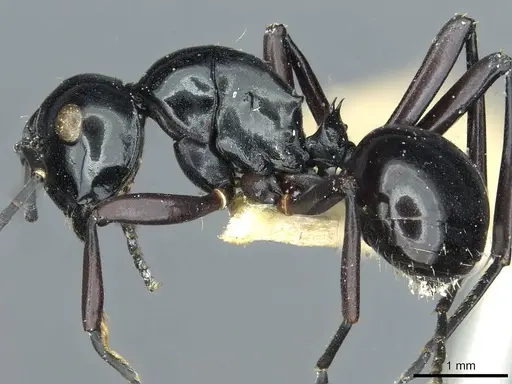
CASENT0917293
View on AntWeb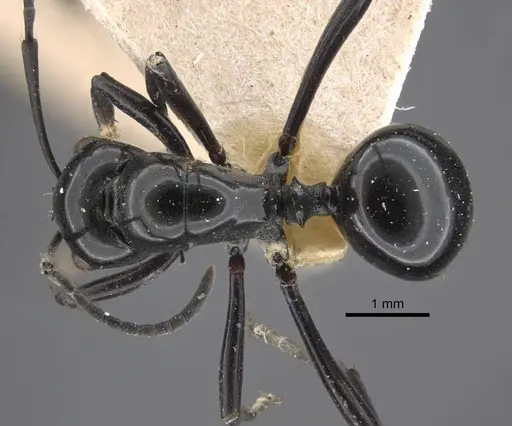
CASENT0919852
View on AntWeb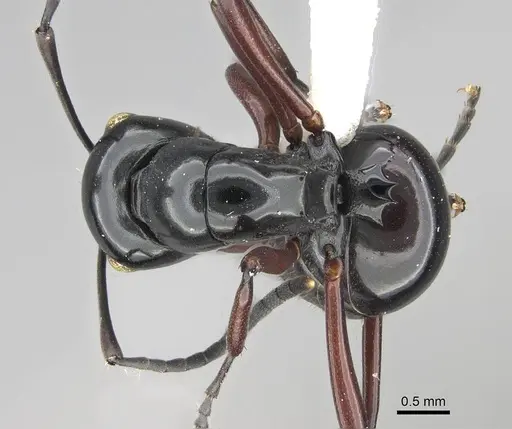
Literature
Loading distribution map...Loading products...