
Polyrhachis cyrus
- Sci. Name
- Polyrhachis cyrus
- Subgenus
- Chariomyrma
- Tribe
- Camponotini
- Subfamily
- Formicinae
- Author
- Forel, 1901
- Distribution
- Found in 2 countries
Introduction
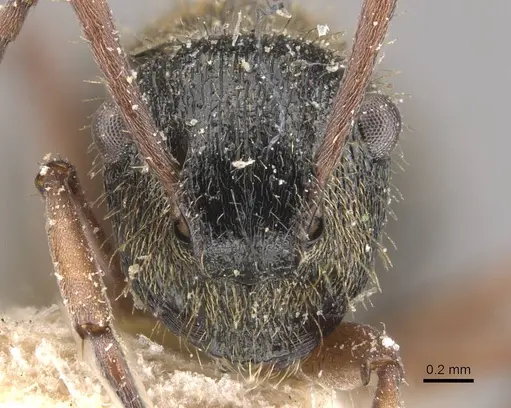
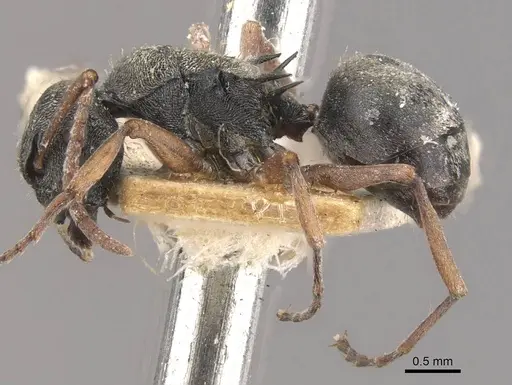
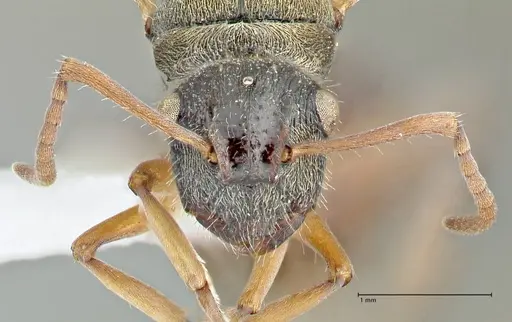
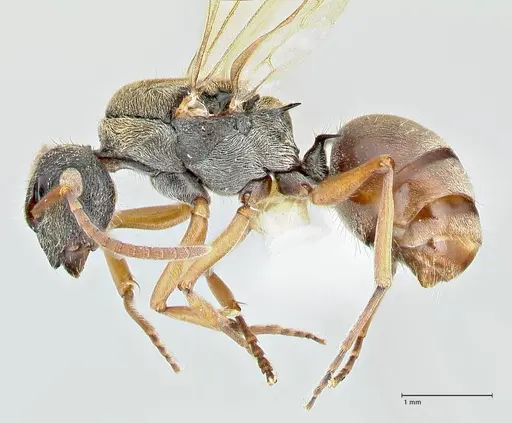
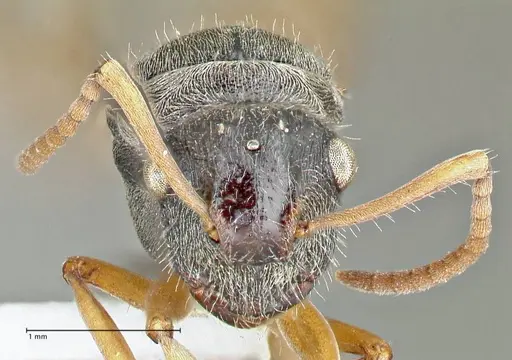
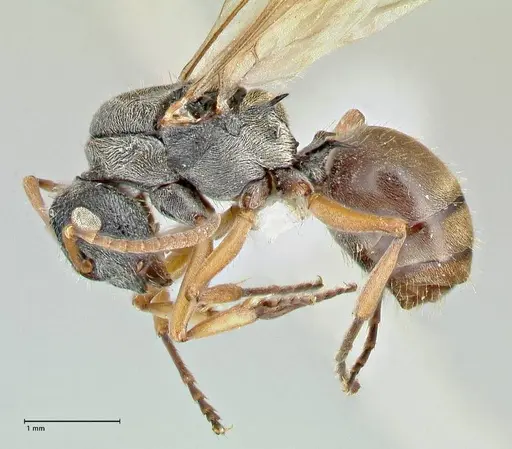
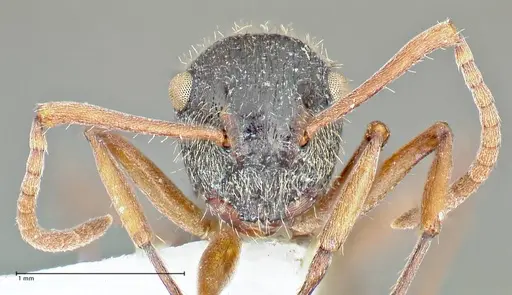
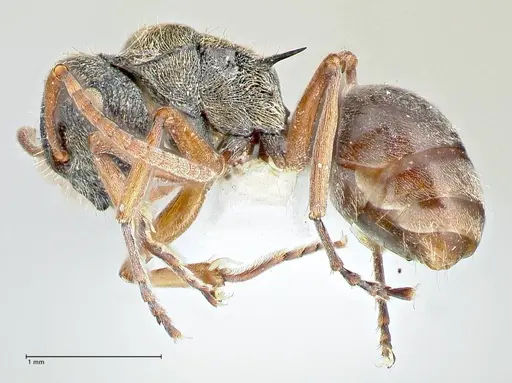
Polyrhachis cyrus is a medium-sized ant found in northern Australia and New Guinea, including the Bismarck Archipelago . Workers are dark brown to black with spines on the thorax and abdomen, which serve as defense against predators. Queens are larger but size data is unavailable for this species. This ant belongs to the subgenus Chariomyrma and is part of the Subordinate Camponotini functional group, indicating a relatively peaceful temperament .
Quick Summary
- Difficulty: Medium
- Origin & Habitat: Northern Australia and New Guinea, with a Torresian biogeographic affinity [1]. They nest subterraneously or in rotting wood (lignicolous) [3][4].
- Colony Type: Colony structure is unconfirmed for this species. No specific data on queen number or ergatoid reproductives is available.
- Size & Growth:
- Queen: Size data unavailable, no total length measurements provided in research
- Worker: Size data unavailable, no total length measurements provided in research
- Colony: Unknown, no colony size data in research context
- Growth: Moderate, inferred from typical Formicinae patterns
- Development: Estimated 6-8 weeks at optimal temperatures based on typical Formicinae development patterns [3][4] (Cocoons are present, which is typical for the genus [3][4]. Development time may vary with temperature.)
- Antkeeping:
- Temperature: Keep warm, roughly 24-28°C, as inferred from their tropical habitat [1]. Provide a temperature gradient using a heating cable on one side of the nest.
- Humidity: Keep nest substrate consistently moist but not waterlogged, as they are from humid tropics [1]. Provide a water tube for drinking access.
- Diapause: No diapause required, tropical species do not need hibernation.
- Nesting: Subterranean or lignicolous nests [3][4]. Use Y-tong, plaster, or soil nests with dark, enclosed chambers.
- Behavior: Workers are relatively non-aggressive due to their Subordinate Camponotini functional group [1]. They have defensive spines but pose minimal threat to humans. Escape risk is moderate, they can climb smooth surfaces, so use Fluon barriers.
- Common Issues: tropical species requires consistent warmth, cold temperatures can slow brood development, subterranean nesting needs secure, dark chambers, light exposure may cause stress, wild-caught colonies may carry parasites that harm captive colonies, moderate growth rate means colonies take time to establish, patience is needed, humidity control is important, too dry desiccates brood, too wet causes mold
Housing and Nest Setup
You should use nests that mimic subterranean or lignicolous environments, such as Y-tong (AAC), plaster, or naturalistic soil setups [3][4]. Provide dark, tight chambers to reduce stress. The outworld should include a water tube and foraging area. Avoid open spaces and keep the nest away from cold drafts.
Feeding and Diet
Offer a varied diet: sugar water or honey for energy, and protein like mealworms or crickets 2-3 times per week. Remove uneaten prey after 24 hours to prevent mold. Fresh water should always be available [5].
Temperature and Seasonal Care
Maintain temperatures around 24-28°C year-round, as they are tropical ants [1]. Use a heating cable for a gradient. No hibernation is needed, but slight winter reduction to 22-24°C may be beneficial.
Colony Growth and Development
Colonies grow moderately. First workers emerge in about 6-8 weeks under optimal conditions [3][4]. Be patient during founding, queens seal themselves in and do not forage. Disturb the nest minimally.
Handling and Temperament
Workers are peaceful and may flee rather than attack [1]. Their spines are small and not dangerous to humans. Use Fluon to prevent escapes, as they can climb smooth surfaces.
Frequently Asked Questions
How long does it take for Polyrhachis cyrus to produce first workers?
Based on typical Formicinae patterns, expect first workers in approximately 6-8 weeks at optimal temperatures [3][4].
What temperature do Polyrhachis cyrus ants need?
Keep them warm at 24-28°C year-round, as inferred from their tropical habitat [1].
Do Polyrhachis cyrus ants need hibernation?
No, they do not require hibernation as a tropical species.
What do Polyrhachis cyrus ants eat?
They are omnivorous. Offer sugar water constantly and protein like insects 2-3 times per week [5].
Are Polyrhachis cyrus good for beginners?
They are rated medium difficulty due to tropical requirements and moderate growth [1].
How big do Polyrhachis cyrus colonies get?
Colony size is unknown for this species, as no data is available in research.
What type of nest is best for Polyrhachis cyrus?
Subterranean or lignicolous nests are best, such as Y-tong, plaster, or soil setups [3][4].
Can I keep multiple Polyrhachis cyrus queens together?
Colony structure is unconfirmed, most Polyrhachis are monogyne, but combining queens is not recommended due to aggression.
Why is my Polyrhachis cyrus colony not growing?
Check temperature (24-28°C), humidity (moist substrate), and food availability. Cold, dry, or insufficient protein can slow growth.
Report an Issue
The current care sheet is based fully on literature. See inconsistencies, or something that's incorrect? Please , it will be resolved after review from an admin. Contributing to the blogs tab also helps providing information, to make us be able to further improve the caresheets. Thank you for your support!
References

This caresheet is licensed under CC BY-SA 4.0 .
Community Blogs
CASENT0906745
View on AntWeb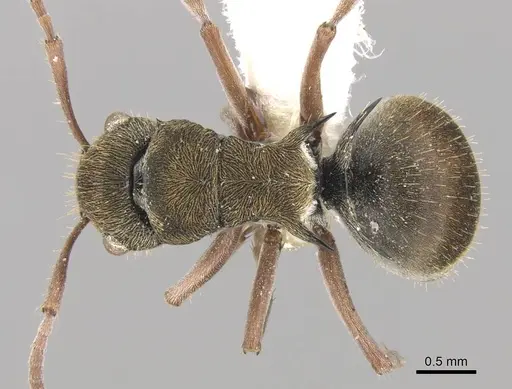
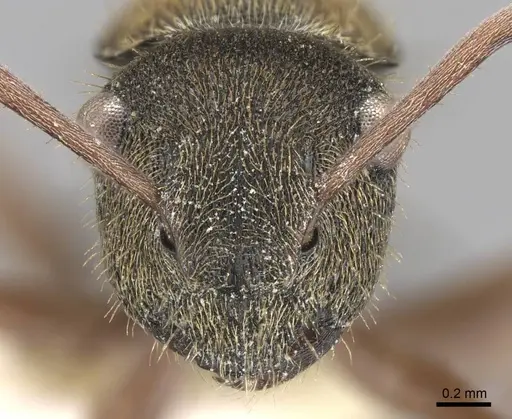
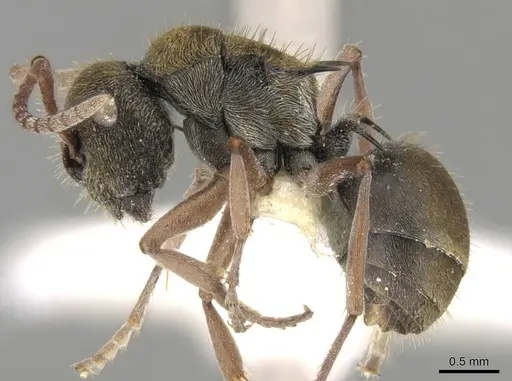
CASENT0910821
View on AntWeb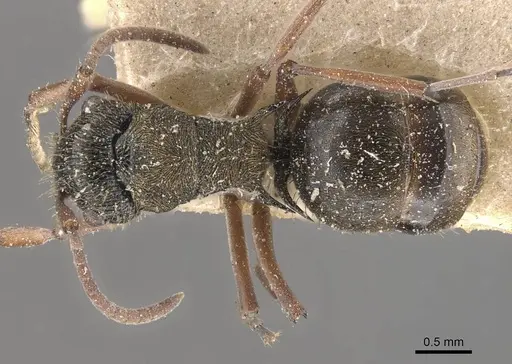
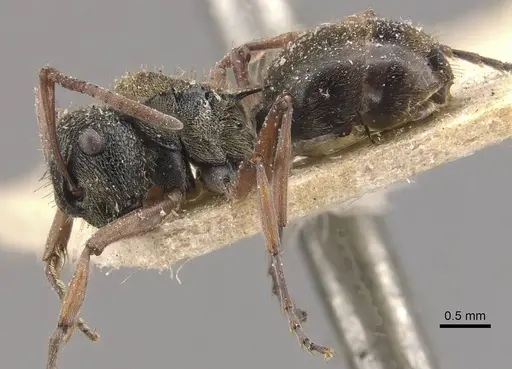
CASENT0910832
View on AntWeb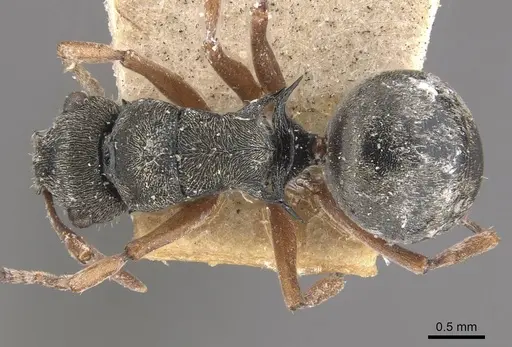
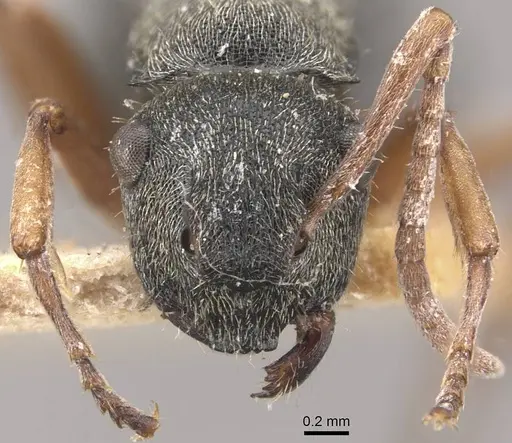
FOCOL2601-1
View on AntWeb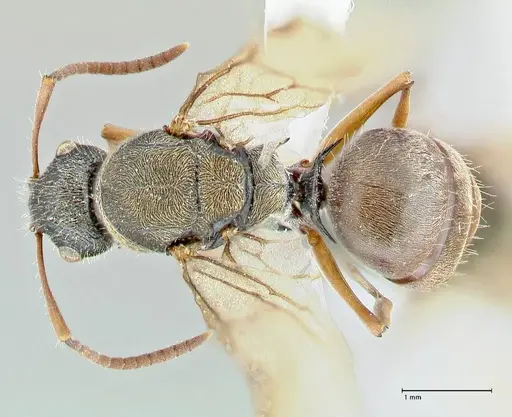
FOCOL2601-2
View on AntWeb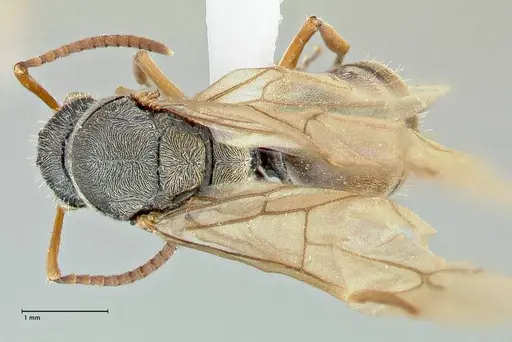
FOCOL2601-3
View on AntWeb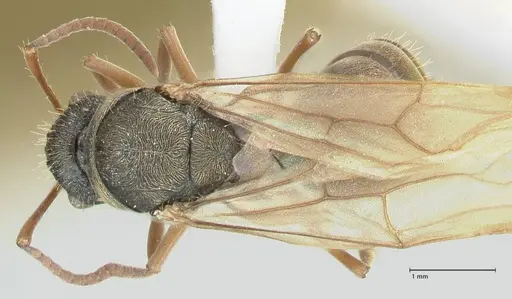
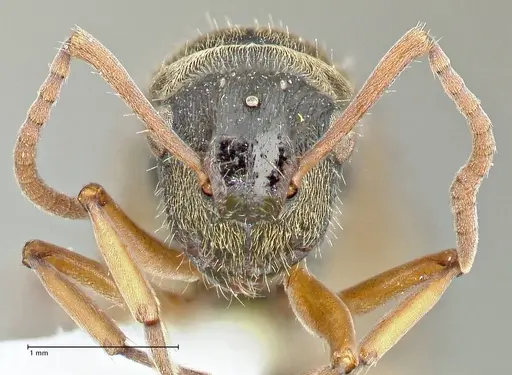
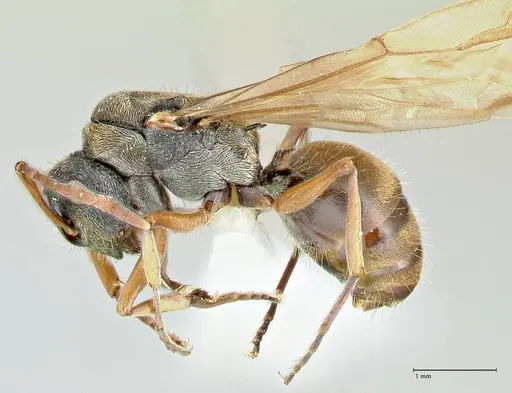
FOCOL2602-1
View on AntWeb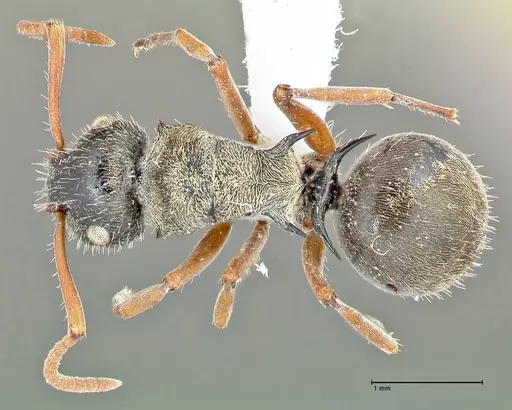
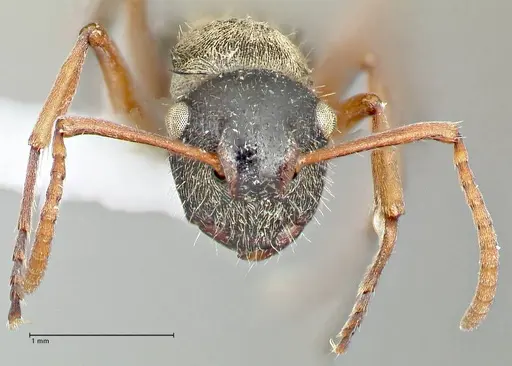
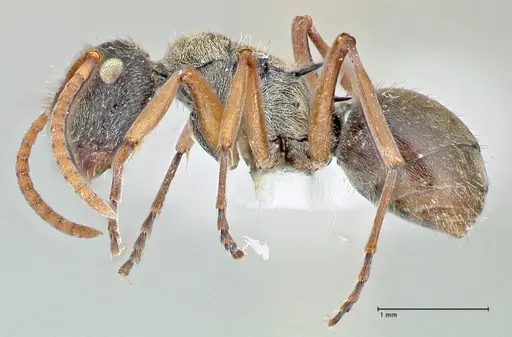
FOCOL2602-2
View on AntWeb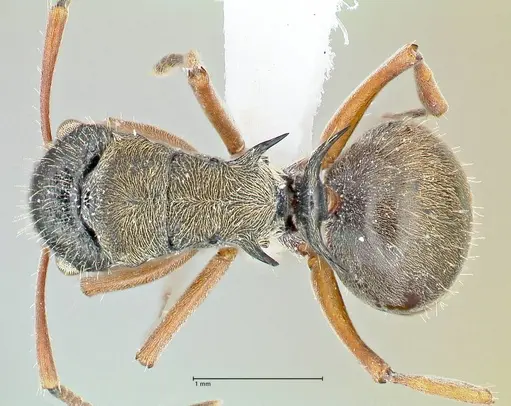
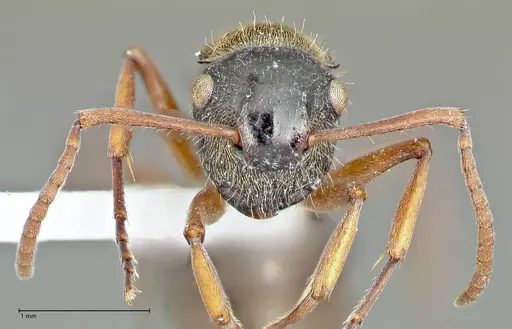
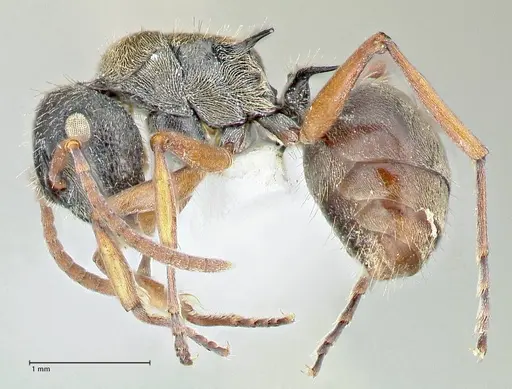
FOCOL2602-3
View on AntWeb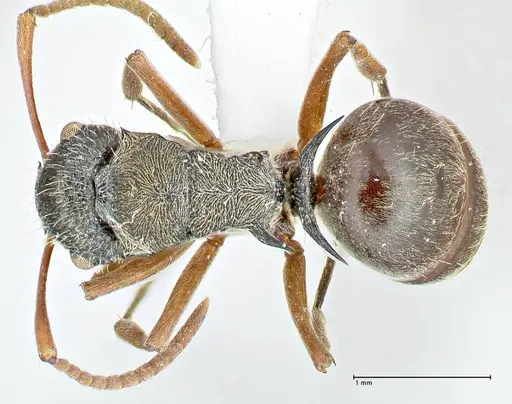
Literature
Loading distribution map...Loading products...