
Polyrhachis cupreata
- Sci. Name
- Polyrhachis cupreata
- Subgenus
- Hedomyrma
- Tribe
- Camponotini
- Subfamily
- Formicinae
- Author
- Emery, 1895
- Distribution
- Found in 1 countries
Introduction
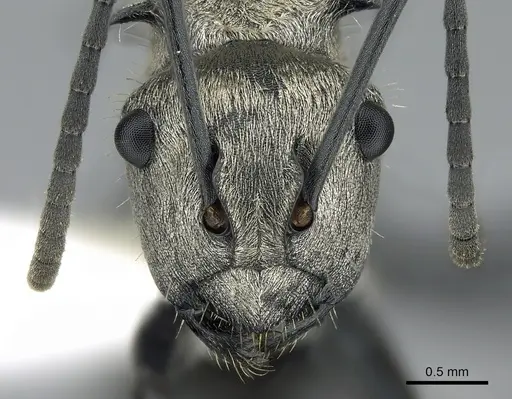
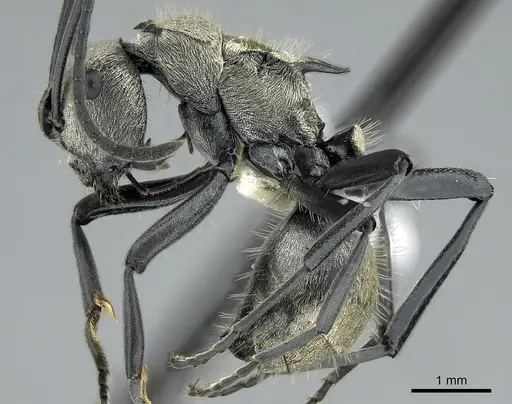
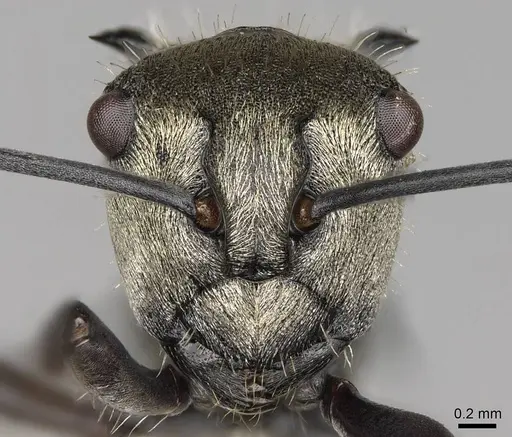
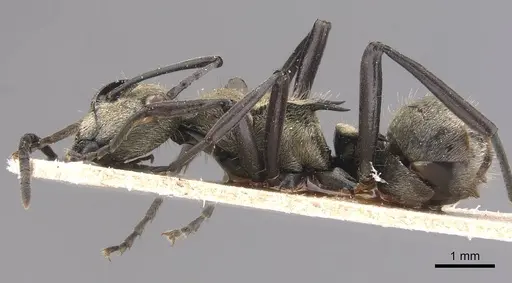
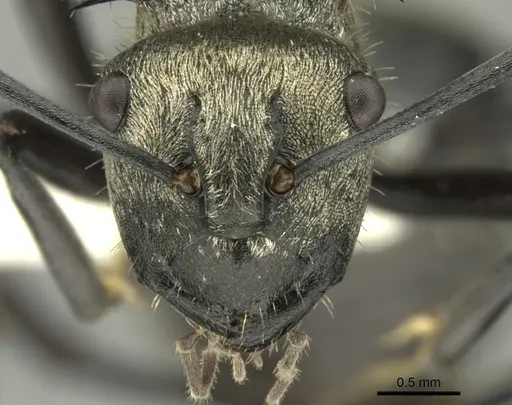
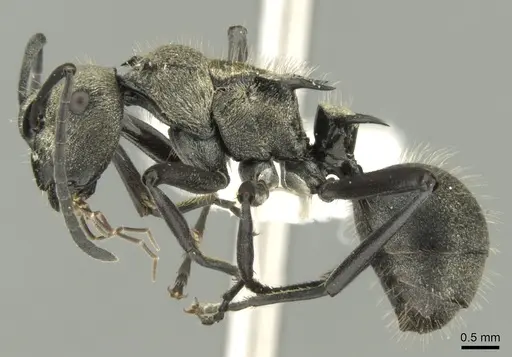
Polyrhachis cupreata is an Australian ant with a pale golden pubescence covering its entire dorsum. Workers are medium-sized, with total length estimated around 5-8 mm based on Polyrhachis genus patterns . This species is confined to coastal wetlands of North Queensland and the Northern Territory, from the Torres Strait islands to Townsville and near Darwin . Unlike many ants, P. cupreata is an arboreal nester that builds nests from vegetation debris bonded with silk, often at the base of clumped Pandanus leaves . This silk-producing behavior is a key trait of the subgenus Hedomyrma.
Quick Summary
- Difficulty: Medium
- Origin & Habitat: Coastal wetlands of North Queensland, Australia, and the Northern Territory, found in arboreal situations in pandanus vegetation in humid coastal areas [1].
- Colony Type: Colony structure is not well-documented. Based on genus patterns, likely monogyne (single queen) colonies, but this requires confirmation for this species.
- Size & Growth:
- Queen: Size data unavailable, no total length measurements in literature. Inferred from Polyrhachis genus as ~8 mm.
- Worker: Size data unavailable, no total length measurements in literature. Inferred from Polyrhachis genus as ~5-8 mm.
- Colony: Up to a few thousand workers, estimated from typical Polyrhachis colony sizes.
- Growth: Moderate, estimated based on genus patterns.
- Development: Estimated 6-10 weeks at optimal temperature. (Development timeline is estimated, no specific study exists for this species. Temperature-dependent, likely faster in warmer conditions.)
- Antkeeping:
- Temperature: Keep warm, around 24-28°C with a gentle gradient, as this is a tropical species [1].
- Humidity: Keep nest substrate consistently moist but not waterlogged, mimicking coastal wetland habitat [1].
- Diapause: No, tropical species from coastal areas, no hibernation needed [1].
- Nesting: Arboreal nests using silk to bind vegetation debris [2][3]. Provide vertical or diagonal setups with materials like cork bark or fake plants.
- Behavior: Generally calm temperament. Workers forage for honeydew and prey, tending sap-feeding insects [4][5]. Escape risk is moderate due to their size, ensure secure enclosures.
- Common Issues: humidity management is critical, too dry and colonies will fail in captivity., arboreal nesting means standard horizontal test tubes may not be ideal, provide vertical nesting options., tropical species cannot tolerate cool temperatures, keep warm year-round., silk-producing behavior requires appropriate materials, plain acrylic nests may not satisfy natural nesting instincts., wild-caught colonies may have parasites or diseases that cause captive failures.
Nest Preferences and Housing
Polyrhachis cupreata is an arboreal species that naturally nests in vegetation, particularly at the base of clumped Pandanus leaves. In captivity, provide vertical or diagonal nest setups to accommodate this lifestyle. Use naturalistic setups with cork bark, fake plants, or loose vegetation debris. They use silk to bind materials together, so provide small leaf fragments or plant matter for them to manipulate [2][3]. Y-tong nests can work if supplemented with loose nesting materials.
Feeding and Diet
Like all Camponotini ants, P. cupreata has a nutritional symbiosis with Blochmannia bacteria, which provides essential nutrients [4][5]. In captivity, feed a varied diet: sugar sources like honey water constantly, and protein such as fruit flies or small crickets 2-3 times per week. This matches their natural diet of honeydew from tended insects plus prey.
Temperature and Humidity
As a tropical species from coastal wetlands, maintain temperatures between 24-28°C year-round. Use a heating cable for a gentle gradient, but allow access to cooler areas. Humidity is critical, keep the nest substrate consistently moist but not waterlogged, misting the outworld regularly [1].
Behavior and Colony Dynamics
Polyrhachis ants are generally calm. Workers forage actively and defend the nest with spines if threatened. Colony growth is moderate, starting with claustral founding where the queen seals herself in, though this is unconfirmed for this species. First workers emerge several months after founding, depending on temperature. [1]
Frequently Asked Questions
How long does it take for Polyrhachis cupreata to produce first workers?
First workers typically emerge in 6-10 weeks at optimal temperature, though this is estimated based on related Formicinae species. The exact timeline for P. cupreata has not been specifically studied.
What is the best nest type for Polyrhachis cupreata?
Arboreal species like P. cupreata need vertical or diagonal nest setups with materials for silk-binding, such as cork bark or vegetation debris [2][3].
What do Polyrhachis cupreata eat?
They need both sugar and protein. Provide sugar water constantly and offer small insects for protein, matching their natural diet of honeydew and prey [4][5].
Do Polyrhachis cupreata need hibernation?
No, as a tropical species, they do not require hibernation. Keep them warm year-round at 24-28°C [1].
Are Polyrhachis cupreata good for beginners?
They are rated as medium difficulty due to specific humidity and nesting needs. Beginners should ensure they can maintain warm, humid conditions before trying this species.
How big do Polyrhachis cupreata colonies get?
Colonies can reach up to a few thousand workers, estimated from typical Polyrhachis sizes.
Can I keep multiple Polyrhachis cupreata queens together?
This has not been documented. Based on genus patterns, they are likely monogyne, so combining queens is not recommended.
Why is my Polyrhachis cupreata colony dying?
Common causes include low humidity, temperatures below 20°C, or improper arboreal nesting. Check conditions first, wild-caught colonies may have parasites [1].
When should I move my Polyrhachis cupreata to a formicarium?
Wait until the colony has at least 20-30 workers. Use a vertical formicarium with adequate humidity and nesting materials [1].
Report an Issue
The current care sheet is based fully on literature. See inconsistencies, or something that's incorrect? Please , it will be resolved after review from an admin. Contributing to the blogs tab also helps providing information, to make us be able to further improve the caresheets. Thank you for your support!
References

This caresheet is licensed under CC BY-SA 4.0 .
Community Blogs
CASENT0281373
View on AntWeb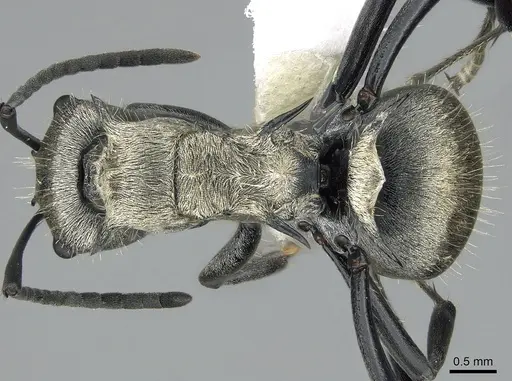
CASENT0281420
View on AntWeb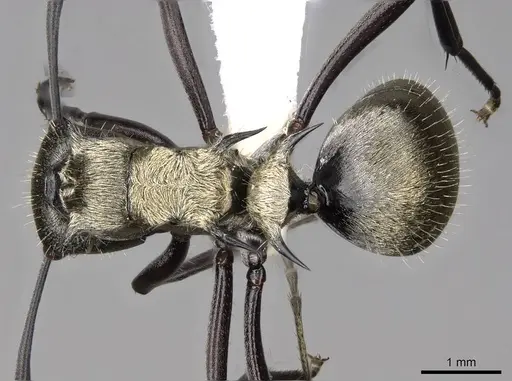
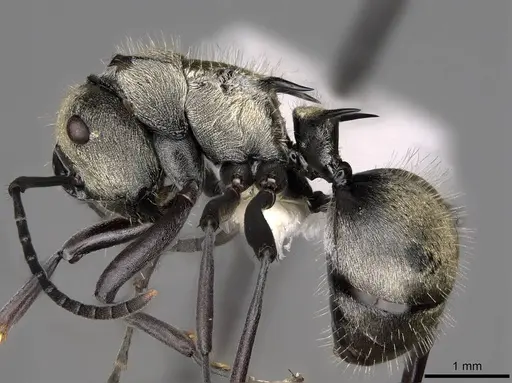
CASENT0905575
View on AntWeb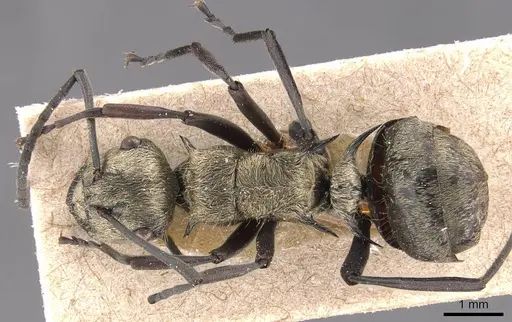
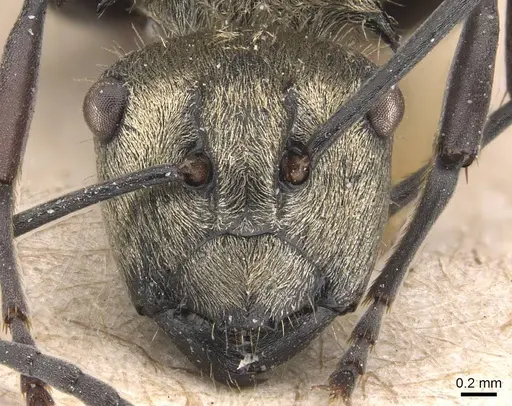
CASENT0906601
View on AntWeb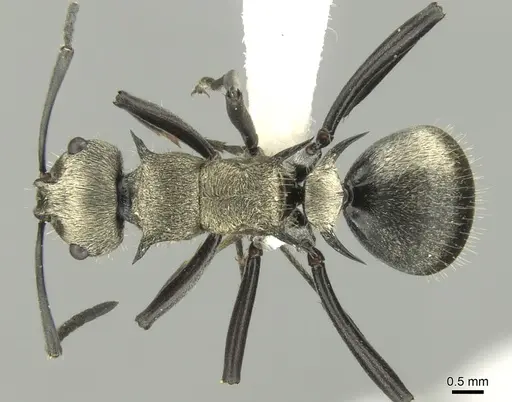
Literature
Loading distribution map...Loading products...