
Polyrhachis cryptoceroides
- Sci. Name
- Polyrhachis cryptoceroides
- Subgenus
- Myrmhopla
- Tribe
- Camponotini
- Subfamily
- Formicinae
- Author
- Emery, 1887
- Distribution
- Found in 2 countries
Introduction
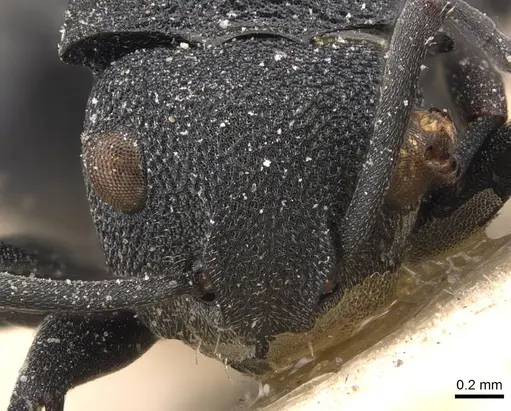
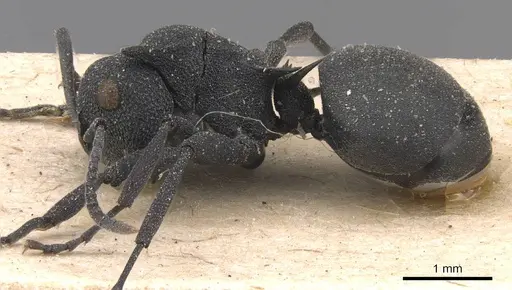
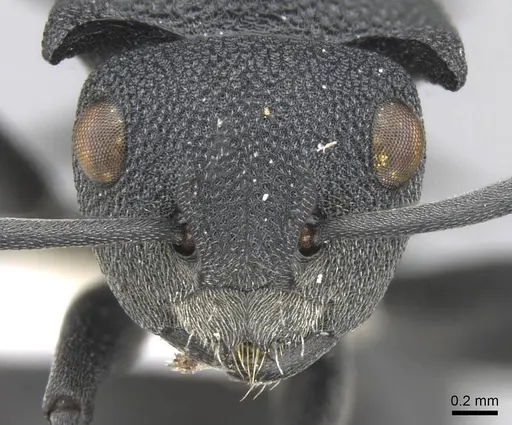
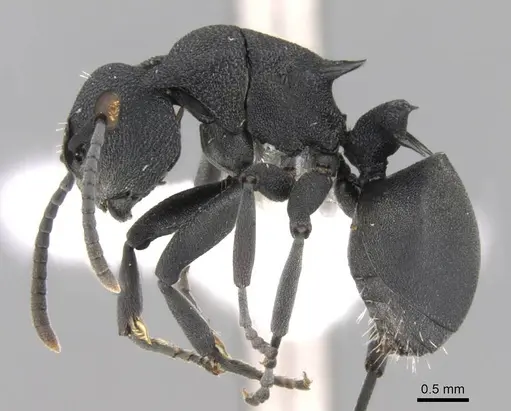
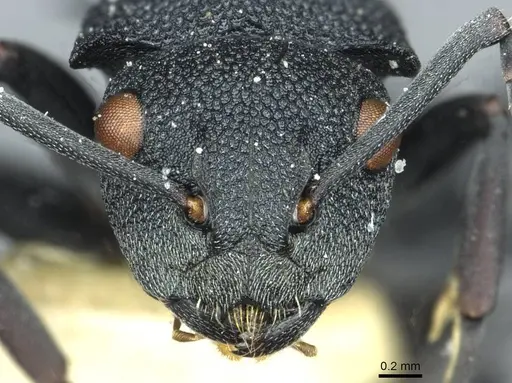
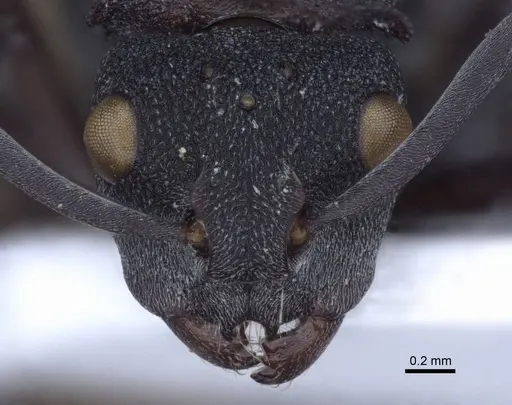
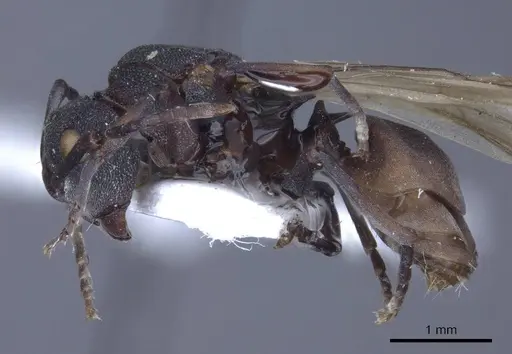
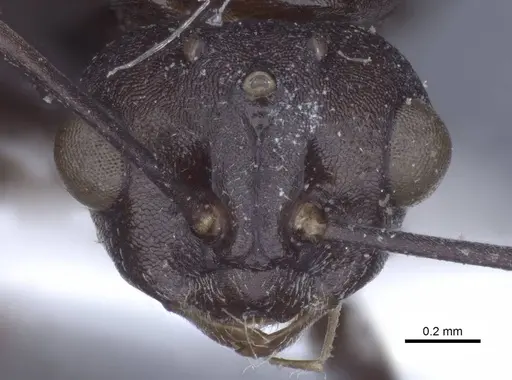
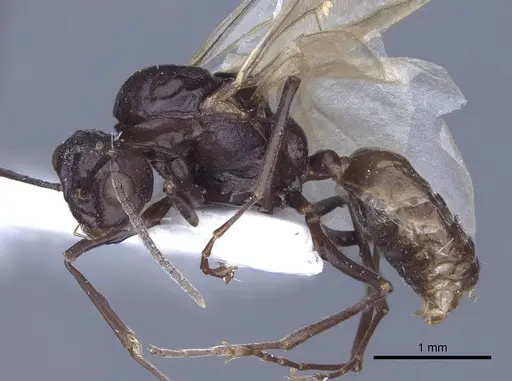
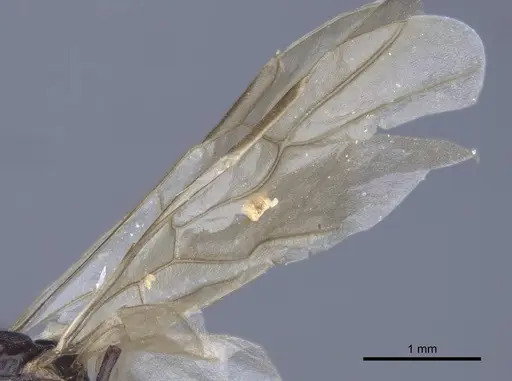
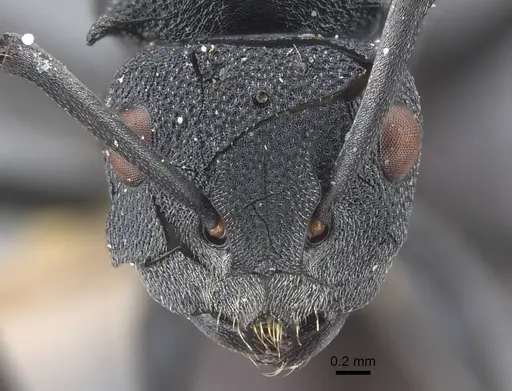
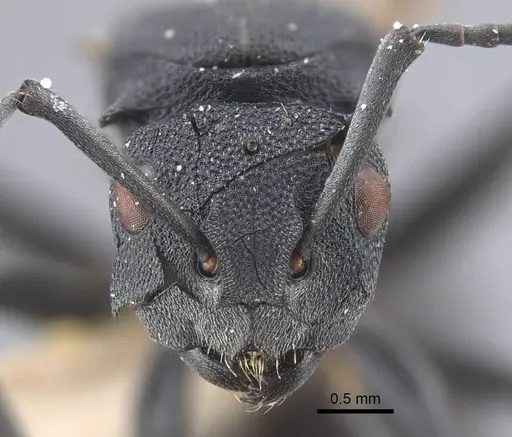
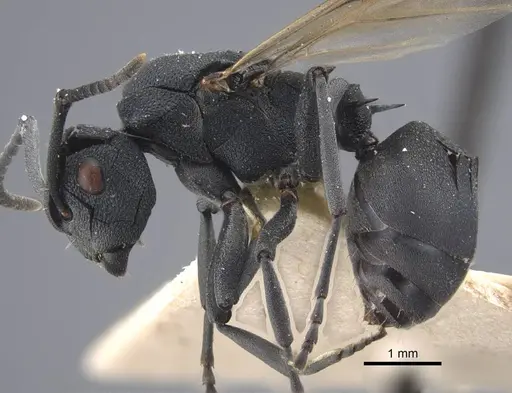
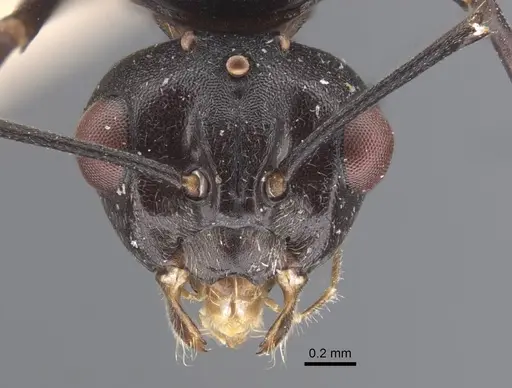
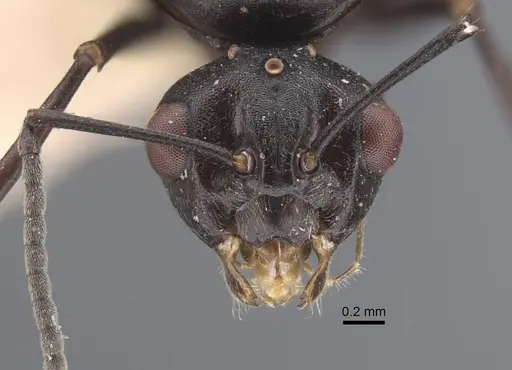
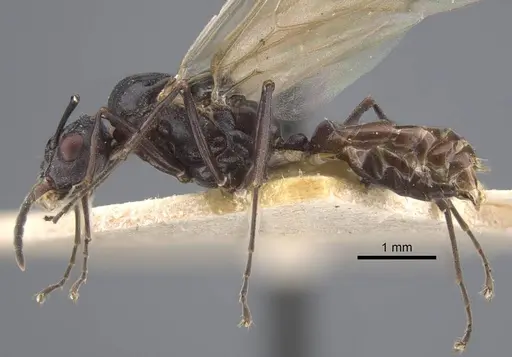
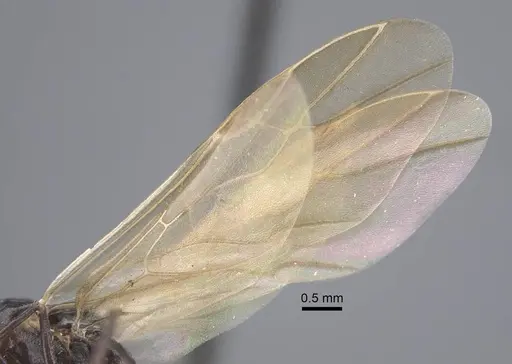
Polyrhachis cryptoceroides is a medium-sized arboreal ant native to Southeast Asia, found across Thailand, Malaysia, Indonesia, Brunei, the Philippines, Borneo, Laos, Singapore, and Sulawesi . Workers measure 4.84-5.59 mm and are black with black or dark reddish-brown appendages . They resemble Cataulacus ants and often forage together on rainforest tree trunks . This species is part of the Polyrhachis cryptoceroides species-group and forms variable local populations. They are arboreal and lignicolous, building silk-reinforced nests under tree bark . Colonies are monogynous with independent founding, and queens are alate .
Quick Summary
- Difficulty: Medium
- Origin & Habitat: Southeast Asian rainforests, including Thailand, Malaysia, Indonesia, Brunei, Philippines, Laos, Singapore, and Sulawesi. They are arboreal ants nesting under bark on living trees [1][2].
- Colony Type: Monogyne, single-queen colonies. Queens are alate and practice independent colony founding (haplometrosis). Ergatoid queens are not documented [4][5].
- Size & Growth:
- Queen: Approximately 6 mm [1]
- Worker: 4.84-5.59 mm [1]
- Colony: Unknown, no colony size data available in research
- Growth: Moderate, estimated based on typical Polyrhachis patterns
- Development: 8-12 weeks (estimated based on typical Polyrhachis development) (Development time is estimated, no specific studies on this species. Polyrhachis species typically take 2-3 months from egg to first worker at tropical temperatures.)
- Antkeeping:
- Temperature: Keep warm, roughly 24-28°C, based on typical tropical species patterns. No specific temperature data in research [1].
- Humidity: Keep nest substrate consistently moist but not waterlogged. No specific humidity data in research [1].
- Diapause: No, this is a tropical species that does not require hibernation [4][5].
- Nesting: Arboreal/lignicolous nesting. Prefer tight, enclosed spaces like Y-tong, plaster, or naturalistic setups with bark [1][3].
- Behavior: Relatively docile and not aggressive based on genus patterns. Workers are good climbers and active foragers. Small size (under 6 mm) means escape prevention is important [1]. They lack a sting and spray formic acid as a defense mechanism (Formicinae default).
- Common Issues: tropical temperature requirements mean they cannot tolerate cool conditions, room temperature may be too cold in winter, escape prevention is important due to their small size, they can squeeze through small gaps, high humidity needs can lead to mold problems if ventilation is inadequate, slow colony growth may frustrate beginners expecting fast development, arboreal nesting means they may not accept typical ground-based test tube setups
Nest Preferences and Housing
Polyrhachis cryptoceroides is an arboreal, lignicolous species that naturally nests under the bark of living rainforest trees [1][3]. In captivity, use Y-tong (AAC) nests, plaster nests, or naturalistic setups with cork bark to mimic this environment. Provide tight, enclosed spaces that the ants can seal with silk [1]. Avoid open test tube setups, these ants prefer enclosed chambers [3].
Feeding and Diet
In nature, they forage on tree trunks and likely feed on honeydew and small insects [1]. In captivity, offer sugar water or honey for energy, and protein like small crickets or fruit flies 2-3 times per week. Remove uneaten prey after 24-48 hours to prevent mold.
Temperature and Seasonal Care
Keep temperatures warm, roughly 24-28°C, based on typical tropical patterns. No specific data in research, but avoid drops below 22°C. This species does not require diapause [4][5].
Humidity and Water
Keep the nest substrate consistently moist but not waterlogged. No specific humidity data, but arboreal rainforest ants need damp conditions. Ensure good ventilation to prevent mold [1].
Behavior and Colony Dynamics
Workers are docile and not aggressive, based on genus patterns. They are monogynous with independent founding [4][5]. Colonies grow slowly, and workers are active climbers [1].
Escape Prevention
Workers are small (under 6 mm), so use tight-fitting lids and fine mesh for ventilation. Apply barriers like Fluon to outworld edges [1].
Frequently Asked Questions
Can I keep Polyrhachis cryptoceroides in a test tube?
Test tubes are not ideal for this species. As arboreal ants, they prefer enclosed nests like Y-tong or plaster [1][3].
How long does it take for first workers to appear?
Expect first workers in about 8-12 weeks at optimal temperatures, based on typical Polyrhachis development [1].
What temperature do they need?
Keep them warm, roughly 24-28°C, based on tropical species patterns [1].
Are Polyrhachis cryptoceroides good for beginners?
This species is rated Medium difficulty due to specific humidity and temperature needs, making it better for keepers with some experience.
Can I keep multiple queens together?
No, this species is monogynous, colonies have a single queen. Multiple queens will fight [4][5].
How big do colonies get?
Colony size data is not available. Based on related species, expect moderate-sized colonies over several years.
What do they eat?
Feed sugar water or honey for energy, and protein like small insects 2-3 times per week [1].
When should I move them to a formicarium?
Move to a proper nest once the colony has workers and the founding setup is cramped. Use arboreal-friendly nests like Y-tong.
Report an Issue
The current care sheet is based fully on literature. See inconsistencies, or something that's incorrect? Please , it will be resolved after review from an admin. Contributing to the blogs tab also helps providing information, to make us be able to further improve the caresheets. Thank you for your support!
References

This caresheet is licensed under CC BY-SA 4.0 .
Community Blogs
CASENT0905591
View on AntWeb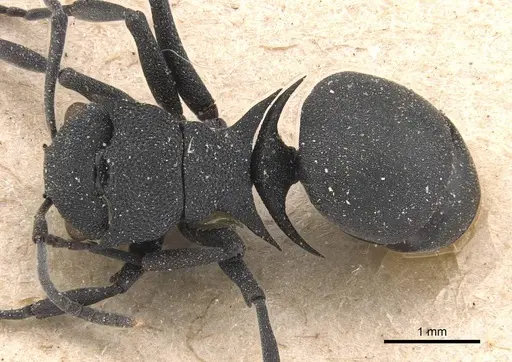
CASENT0906756
View on AntWeb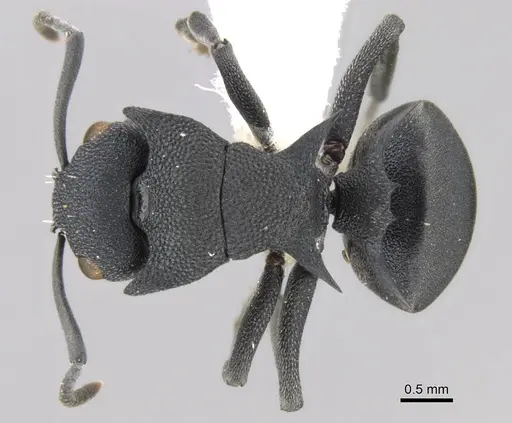
CASENT0912091
View on AntWeb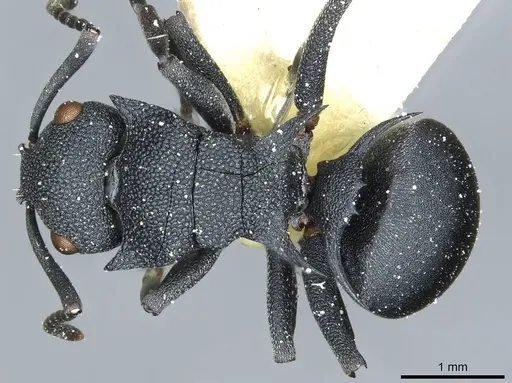
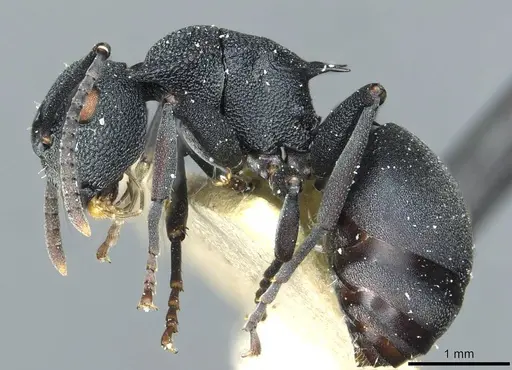
CASENT0916772
View on AntWeb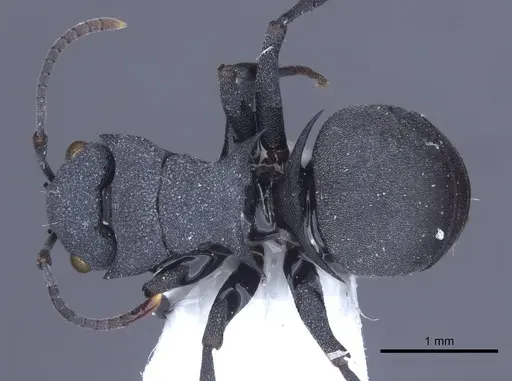
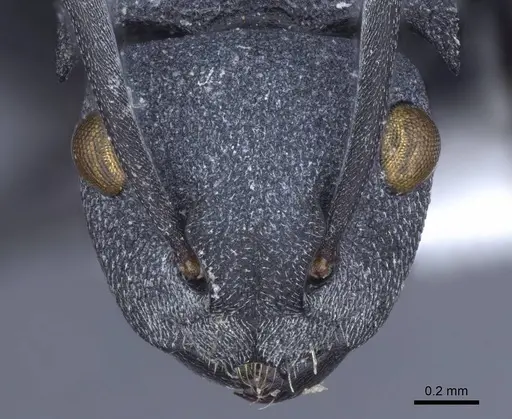
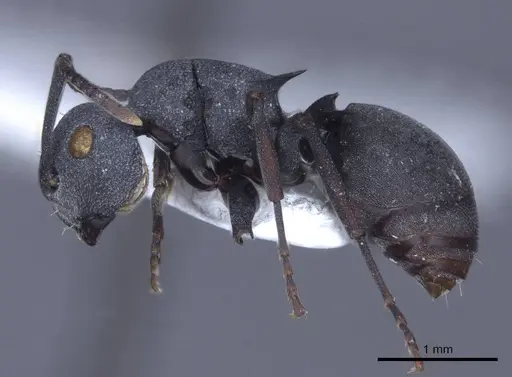
CASENT0916773
View on AntWeb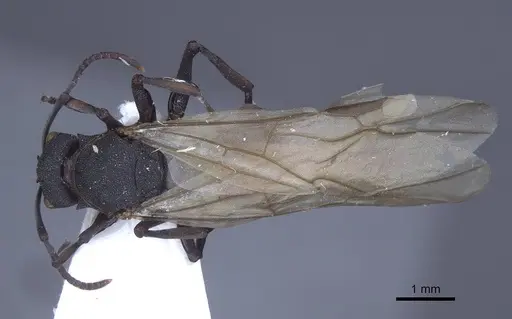
CASENT0916774
View on AntWeb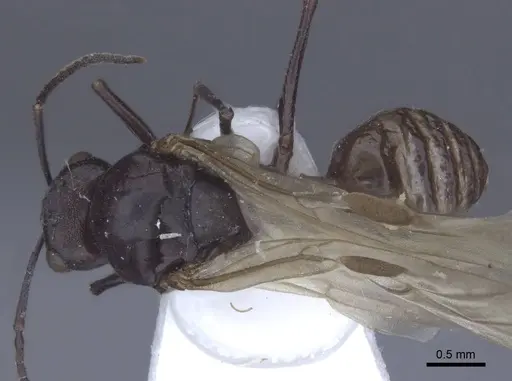
CASENT0917280
View on AntWeb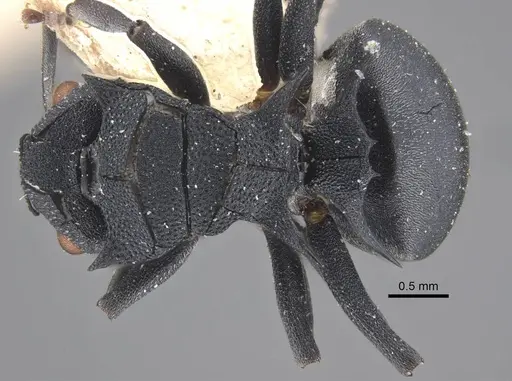
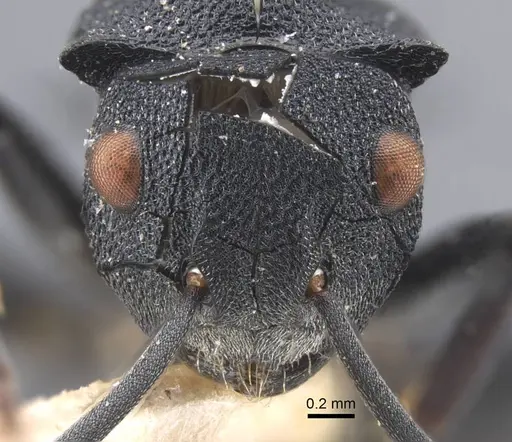
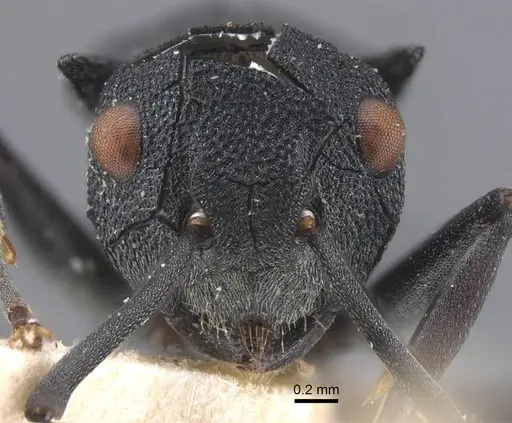
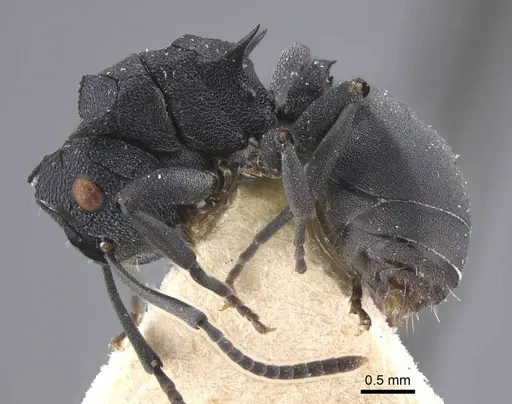
CASENT0917281
View on AntWeb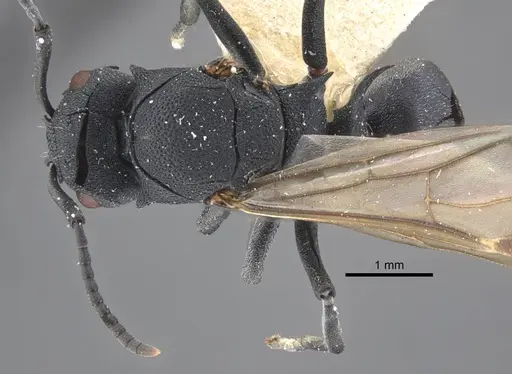
CASENT0917282
View on AntWeb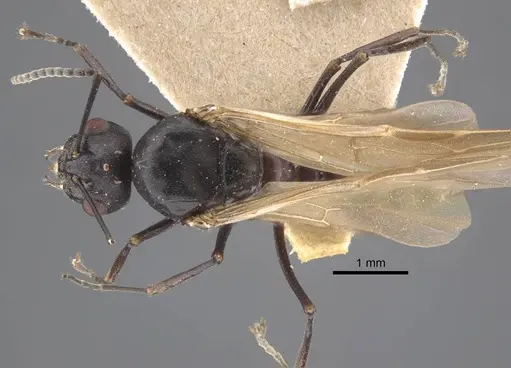
Literature
Loading distribution map...Loading products...