
Polyrhachis costulata
- Sci. Name
- Polyrhachis costulata
- Subgenus
- Chariomyrma
- Tribe
- Camponotini
- Subfamily
- Formicinae
- Author
- Emery, 1897
- Distribution
- Found in 1 countries
Introduction
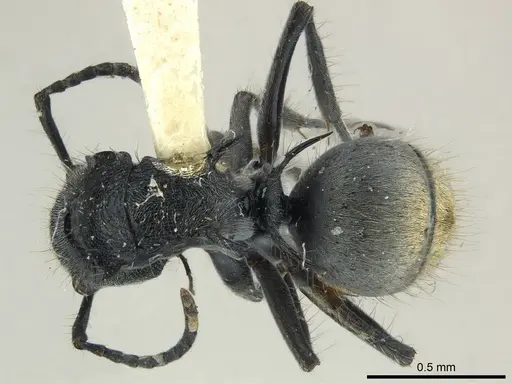
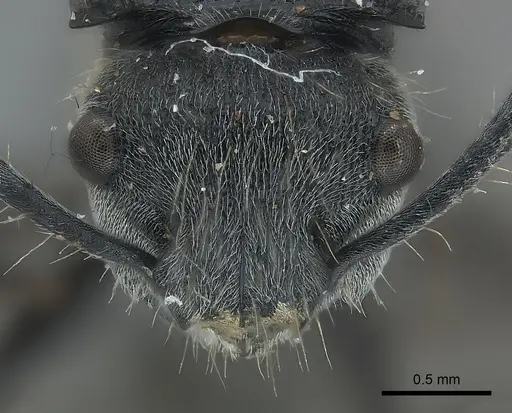
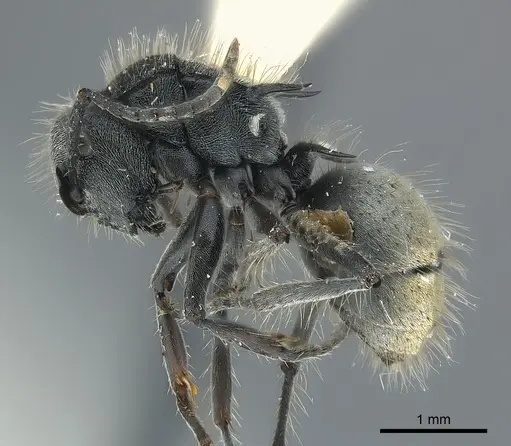
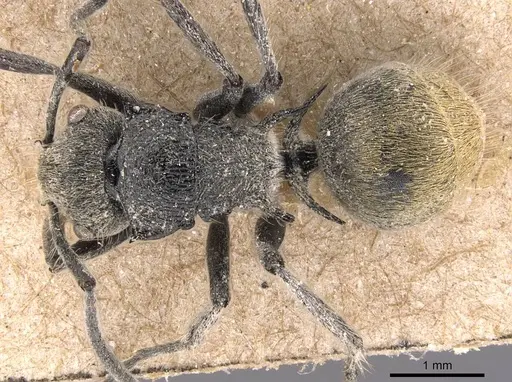
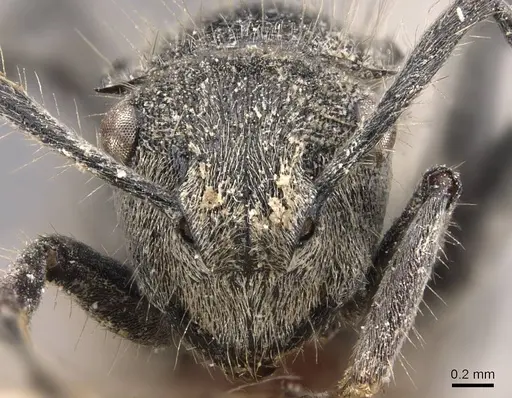
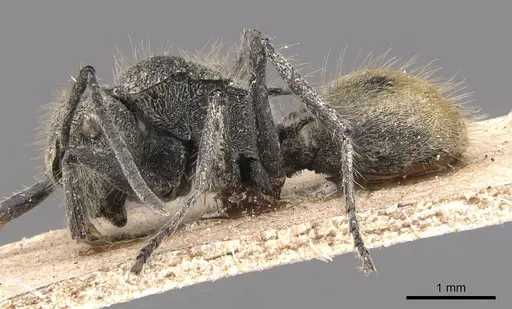
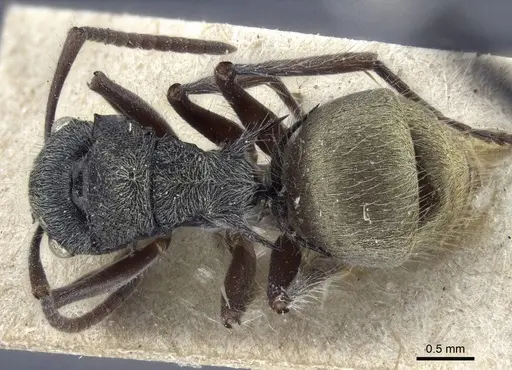
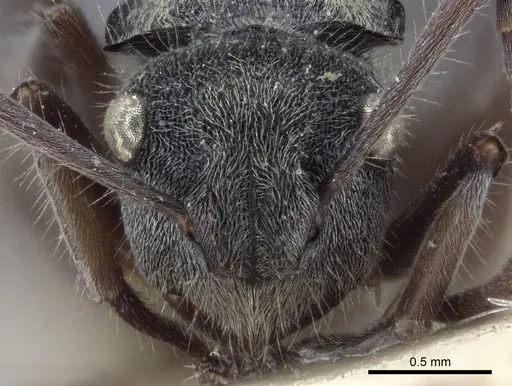
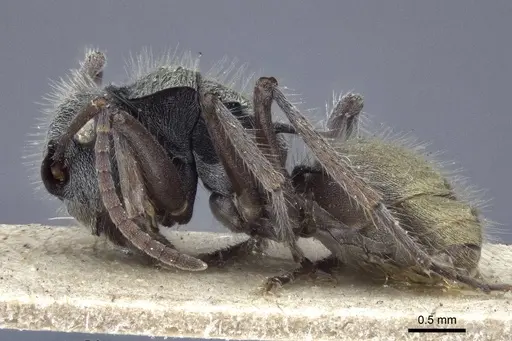
Polyrhachis costulata is a medium-sized ant species native to New Britain in Papua New Guinea . The species was originally described by Forel in 1901 and was once treated as a subspecies of Polyrhachis aurea . Workers measure around 6 to 8 millimeters . The name 'costulata' points to the ridged or striated patterns on its body. This ant lives in the tropical Melanesian region and likely nests in vegetation or on trees, which matches what we see in many Polyrhachis species from this area. Based on typical Polyrhachis patterns, this species likely forms single-queen colonies and prefers vertical or semi-arboreal nesting spots. Keepers should expect moderate growth rates and steady humidity needs. Direct founding behavior and exact colony limits remain unconfirmed, so patience and careful observation are necessary.
Quick Summary
- Difficulty: Medium
- Origin & Habitat: New Britain, Papua New Guinea. This tropical island environment stays warm and humid year-round [1].
- Colony Type: Single-queen colonies with typical Polyrhachis social structure.
- Size & Growth:
- Queen: size data unavailable, inferred from Polyrhachis genus (~8-10mm)
- Worker: ~6-8mm [1]
- Colony: up to several hundred workers
- Growth: Moderate
- Development: 8-12 weeks, estimated based on related tropical Polyrhachis species (Development time is a rough guess since direct species data is missing.)
- Antkeeping:
- Temperature: Keep warm and stable, roughly 24-28°C
- Humidity: Keep the nest substrate consistently moist but not waterlogged. Provide good airflow to stop mold.
- Diapause: No, tropical species that stays active year-round
- Nesting: Likely prefers vertical or semi-arboreal spots. Use a Y-tong (AAC) nest, plaster nest, or 3D-printed setup with some height. Avoid flat, fully underground nests.
- Behavior: Generally calm but will defend the nest if disturbed. Workers forage actively. Escape risk is moderate, so secure all gaps.
- Common Issues: unclear species-specific care data makes exact needs difficult to determine., strict tropical humidity requirements can cause colony stress in dry climates., rare trade availability makes finding healthy colonies difficult., unconfirmed growth rate requires long-term patience from keepers., wild-caught queens may carry hidden parasites or diseases that kill the colony.
Natural History and Distribution
Polyrhachis costulata lives only on New Britain, the biggest island in the Bismarck Archipelago of Papua New Guinea [1]. This tropical island stays warm and wet all year with thick forest cover. The species was first described in 1901 by Forel as a subspecies of Polyrhachis aurea because it looks very similar to that group [1]. New Britain holds diverse tropical forests, and Polyrhachis ants in this region usually nest in vegetation or under loose bark [1].
Housing and Nest Preferences
Based on typical Polyrhachis behavior in the Melanesian region, this species likely prefers vertical or semi-arboreal nesting spots. In captivity, give the colony a nest that allows some height, like a Y-tong (AAC) nest, a plaster nest, or a 3D-printed setup with branches and leaves. A test tube works for founding colonies, but move them to a larger nest with vertical space as the colony grows. Keep the nest substrate damp but well-ventilated to stop mold. Avoid completely dry or flat underground setups.
Temperature and Humidity Requirements
As a tropical species from New Britain, Polyrhachis costulata needs warm and humid conditions. Keep temperatures between 24-28°C and avoid drops below 22°C. Maintain high humidity by keeping the nest substrate damp and adding a water reservoir. Since this species does not hibernate, keep these conditions steady all year. A small heat cable on one side of the nest helps if your room gets too cool.
Feeding and Diet
Polyrhachis ants usually eat a mix of sugars and proteins. Offer a steady sugar source like sugar water or diluted honey, plus protein from small crickets, mealworms, or other insects. Feed protein two to three times a week and keep sugar water available. Remove uneaten prey after two days to stop mold in the humid setup.
Behavior and Colony Dynamics
Polyrhachis ants are usually calm but will defend their nest if threatened. Workers forage actively and likely follow set trails. Some Polyrhachis species weave leaves into nests, though this varies by species. Colonies likely grow to several hundred workers over time. Workers may guard the nest entrance closely.
Frequently Asked Questions
How long does it take for Polyrhachis costulata to produce first workers?
Direct data is missing. Based on related tropical Polyrhachis species, expect 8-12 weeks from egg to first worker at 24-28°C.
What temperature should I keep Polyrhachis costulata at?
Keep them at 24-28°C. This tropical species needs warm conditions year-round. Avoid temperatures below 22°C.
Do Polyrhachis costulata ants need hibernation?
No. As a tropical species from New Britain, they need warm conditions maintained all year.
What do Polyrhachis costulata eat?
They eat a mix of sugars and proteins. Offer sugar water or diluted honey as a constant energy source, plus small insects like crickets or mealworms two to three times a week.
Is Polyrhachis costulata good for beginners?
This species is not ideal for beginners. Limited species-specific care data and strict tropical humidity needs make it tricky. Stick to better-documented species if you are new.
How big do Polyrhachis costulata colonies get?
Based on genus patterns, colonies likely reach several hundred workers. The exact maximum is unconfirmed.
What type of nest should I use for Polyrhachis costulata?
Based on likely vertical nesting habits, use a Y-tong (AAC) nest, plaster nest, or 3D-printed setup with height and branches. Test tubes work for founding, but give them more space as the colony grows.
Can I keep multiple queens together?
Colony structure is unconfirmed. Based on typical Polyrhachis patterns, single-queen colonies are most likely. Combining unrelated queens is not recommended without specific documentation for this species.
Where is Polyrhachis costulata found?
This species is native to New Britain island in Papua New Guinea (Melanesia) [1]. It is not commonly found in the antkeeping hobby.
Why is there so little information about this species?
Polyrhachis costulata has very limited scientific documentation and is rarely traded. Most care guidance comes from genus-level knowledge and related species.
Report an Issue
The current care sheet is based fully on literature. See inconsistencies, or something that's incorrect? Please , it will be resolved after review from an admin. Contributing to the blogs tab also helps providing information, to make us be able to further improve the caresheets. Thank you for your support!
References

This caresheet is licensed under CC BY-SA 4.0 .
Community Blogs
Literature
Loading distribution map...Loading products...