
Polyrhachis convexa
- Sci. Name
- Polyrhachis convexa
- Subgenus
- Myrma
- Tribe
- Camponotini
- Subfamily
- Formicinae
- Author
- Roger, 1863
- Distribution
- Found in 1 countries
Introduction
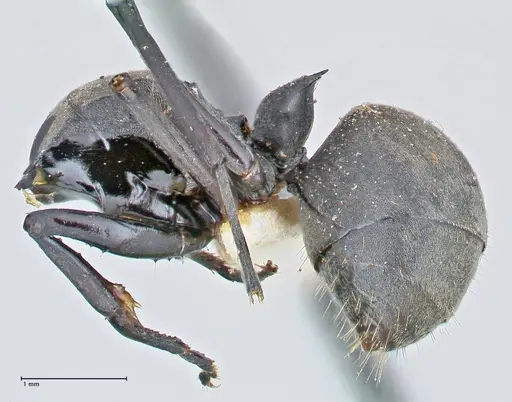
Polyrhachis convexa is a medium-sized spiny ant native to South and Southeast Asia. Workers are black with a glossy appearance and measure 5.5-6 mm . They have distinctive spines on the thorax and petiole, and lack a functional sting, instead spraying formic acid for defense typical of Formicinae. Found in India, Sri Lanka, and southern China, they inhabit both wet and dry zones . This species is notable for its adaptability to different climatic zones, thriving in both wet and dry environments in Sri Lanka .
Quick Summary
- Difficulty: Medium
- Origin & Habitat: Native to India, Sri Lanka, and southern China, found in wet and dry zones, typically nesting in soil or under stones [2][1].
- Colony Type: Colony structure is unconfirmed. Based on Polyrhachis patterns, likely single-queen colonies.
- Size & Growth:
- Antkeeping:
- Temperature: Keep warm, roughly 24-28°C, based on tropical distribution [3][2].
- Humidity: Keep nest substrate consistently moist but not waterlogged, as they are found in both wet and dry zones [2].
- Diapause: No diapause required, as they are from tropical/subtropical areas [2][3].
- Nesting: Prefer tight chambers in soil, under stones, or in rotting wood. Use Y-tong (AAC), plaster, or soil nests.
- Behavior: Generally calm and non-aggressive. Workers have spines for defense but rarely use them aggressively. Escape risk is moderate due to size.
- Common Issues: colonies may stagnate if temperatures drop below 20°C for extended periods, wild-caught colonies can harbor parasites that cause colony collapse, nest humidity balance is tricky, too wet causes fungal issues, too dry causes brood death, escape prevention needed, workers can squeeze through small gaps
Housing and Nest Preferences
Polyrhachis convexa adapts well to various captive setups. Y-tong (AAC) nests work excellently, mimicking natural concealed spaces. Plaster nests with water channels maintain appropriate humidity. For naturalistic setups, use a soil substrate with some sand mixed in, and include flat stones or pieces of bark for cover. These ants prefer tight, snug chambers over spacious ones. The outworld should include a water tube and can be decorated for enrichment. Lighting should be indirect to avoid stress.
Feeding and Diet
Like other Formicinae ants, P. convexa is omnivorous. Feed a mix of protein and sugar sources. Protein options include small insects like fruit flies or pinhead crickets, and they will also accept cat food or dog food kibble. For sugars, offer sugar water, honey, or diluted honey water regularly. Feed protein 2-3 times per week, and keep sugar water available at all times. Remove uneaten prey after 24 hours to prevent mold.
Temperature and Seasonal Care
Maintain temperatures between 24-28°C for optimal activity. These ants come from warm climates and do best with consistent warmth. A small heating cable placed on one side of the nest creates a temperature gradient they can regulate by moving. During winter, if room temperature stays above 20°C, no special care is needed. Unlike temperate species, they do not require hibernation. [3][2]
Behavior and Colony Dynamics
Workers are active foragers that search for food. They are not particularly aggressive but will defend their nest if threatened. The spines on their thorax and petiole serve as physical defense. Colonies grow moderately, and queens are relatively long-lived. Workers have moderate lifespans of several months to over a year. [1]
Frequently Asked Questions
How long does it take for Polyrhachis convexa to produce first workers?
Unknown for this species, but estimated around 6-8 weeks after queen lays eggs, assuming temperatures around 26°C, based on related Formicinae patterns.
Can I keep Polyrhachis convexa in a test tube setup?
Yes, test tubes work for founding colonies. Keep the cotton moist and maintain temperatures around 26°C. Once the colony reaches a small size, consider moving to a larger nest like Y-tong or plaster.
What temperature range is best for Polyrhachis convexa?
Keep them between 24-28°C. They can tolerate brief variations, but prolonged cold below 20°C may slow brood development.
Are Polyrhachis convexa good for beginners?
They are medium difficulty, more forgiving than tropical rainforest species but require warm temperatures and consistent feeding.
How big do Polyrhachis convexa colonies get?
Colony size data is unavailable for this species.
Do they need hibernation?
No, hibernation is not required as they are from tropical and subtropical areas.
What do Polyrhachis convexa eat?
They are omnivorous. Feed small insects for protein and sugar sources like honey water.
When should I move them to a formicarium?
Move from test tube to a proper nest when the colony shows signs of outgrowing the tube or condensation issues.
Are Polyrhachis convexa aggressive?
No, they are generally calm and non-aggressive. Workers will flee from threats rather than attack.
Report an Issue
The current care sheet is based fully on literature. See inconsistencies, or something that's incorrect? Please , it will be resolved after review from an admin. Contributing to the blogs tab also helps providing information, to make us be able to further improve the caresheets. Thank you for your support!
References

This caresheet is licensed under CC BY-SA 4.0 .
Community Blogs
CASENT0910934
View on AntWeb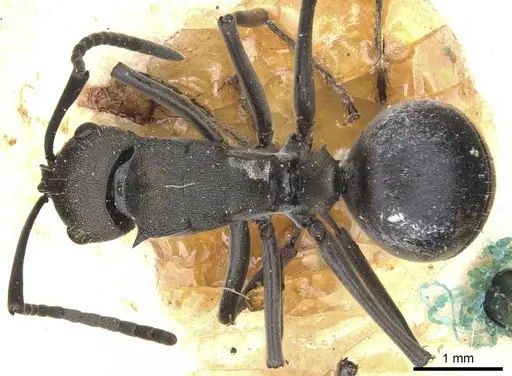
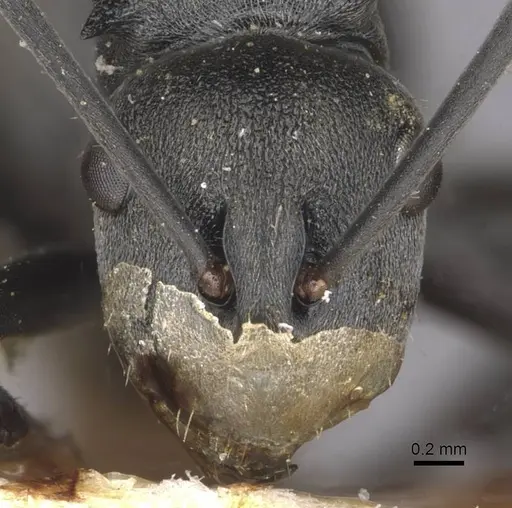
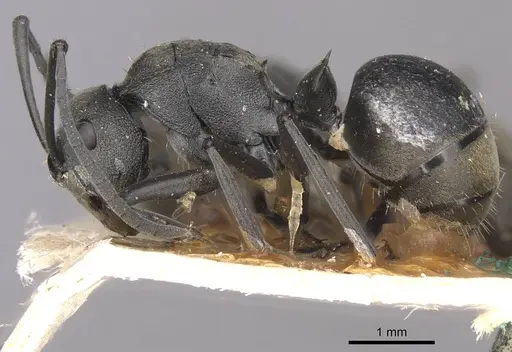
FOCOL2615
View on AntWeb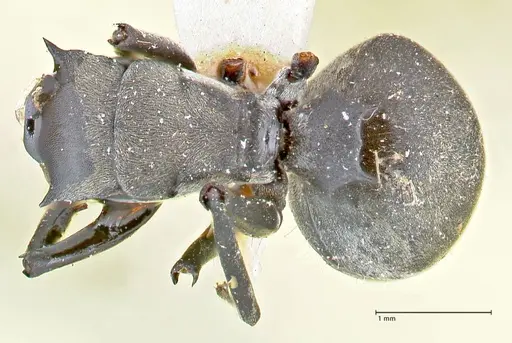
Literature
Loading distribution map...Loading products...