
Polyrhachis continua
- Sci. Name
- Polyrhachis continua
- Subgenus
- Myrma
- Tribe
- Camponotini
- Subfamily
- Formicinae
- Author
- Emery, 1887
- Distribution
- Found in 2 countries
Introduction
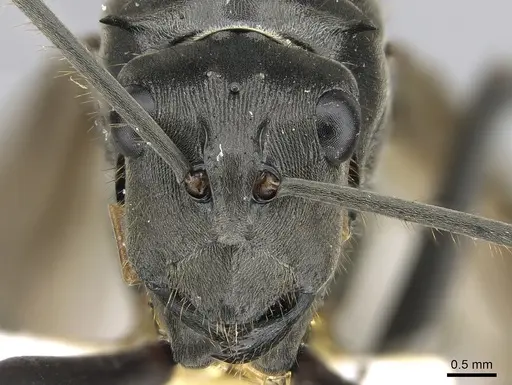
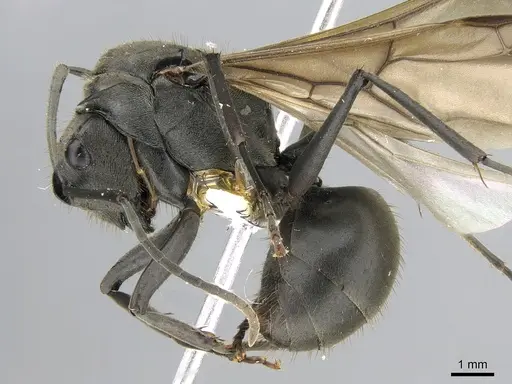
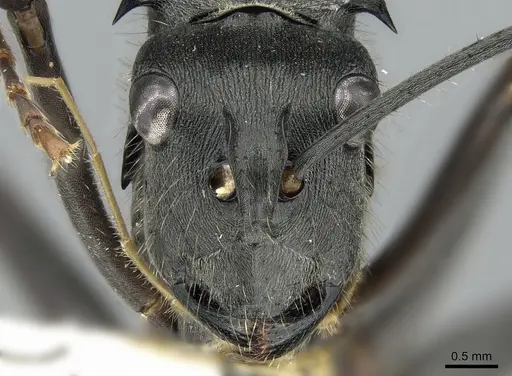
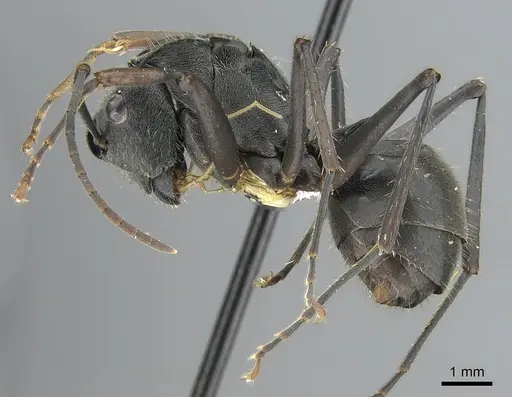
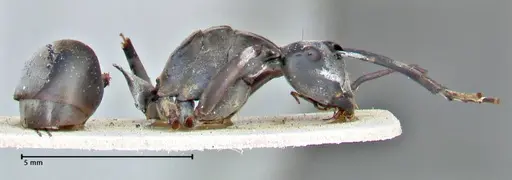
Polyrhachis continua is a medium-sized ant species. Workers are about 9.4-10.7 mm in total length, and queens are slightly larger at 11.0-11.3 mm . They have an evenly curved mesosoma and distinctive head ridges . The species is found in the Moluccas, New Guinea, and Sulawesi, inhabiting lowland rainforests where they nest in epiphyte root masses . As a Formicinae, they defend themselves by spraying formic acid.
Quick Summary
- Difficulty: Medium
- Origin & Habitat: Native to the Moluccas (Ternate Island), New Guinea, and Sulawesi in Indonesia. Found in lowland rainforest habitats, specifically collected from epiphyte root masses [1][2].
- Colony Type: Colony structure is unconfirmed. No specific data on queen number or social structure.
- Size & Growth:
- Queen: ~11.0-11.3 mm [1]
- Worker: ~9.4-10.7 mm [1]
- Colony: Unknown, no colony size data available
- Growth: Unknown, growth rate has not been documented
- Development: Unknown, development timeline has not been studied. Based on typical Formicinae patterns, expect 6-10 weeks at tropical temperatures, but this is an estimate. (Male and immature stages remain unknown in scientific literature [1].)
- Antkeeping:
- Temperature: Keep at warm tropical temperatures. Aim for low-to-mid 20s°C to high 20s°C, as they are from lowland rainforest. Provide a heat gradient if needed.
- Humidity: Keep nest substrate consistently moist but not waterlogged, as they nest in humid environments like epiphyte root masses [2].
- Diapause: No, as a tropical species, they do not require hibernation.
- Nesting: Use Y-tong, plaster, or soil nests that retain moisture. Provide materials like cork or moss to mimic their natural habitat.
- Behavior: Polyrhachis continua ants are generally moderate in temperament. They are not aggressive but will defend their nest using formic acid spray. Workers are active foragers. Escape risk is moderate due to their medium size.
- Common Issues: high humidity requirements can lead to mold if ventilation is poor, balance with airflow., tropical temperature needs may require heating in cooler climates., limited scientific data means care is partly inferred, monitor colony behavior., wild-caught colonies may have parasites, ensure stable conditions., small initial colony sizes make founders vulnerable.
Natural History and Distribution
Polyrhachis continua is found across the Moluccan-Micronesian region, specifically on Ternate Island in the Moluccas, throughout New Guinea, and on Sulawesi [1][3]. The species was first described by Carlo Emery in 1887 from specimens collected on Ternate Island. A synonym, P. continua revocata, was described from copal found on Sulawesi but was later determined to be the same species [1]. The collection data indicates these ants live in lowland rainforest environments, with specimens collected from epiphyte root masses, the tangled networks of roots that develop on trees in tropical rainforests. This suggests they are canopy-dwelling or at least nest in elevated, humid microhabitats.
Appearance and Identification
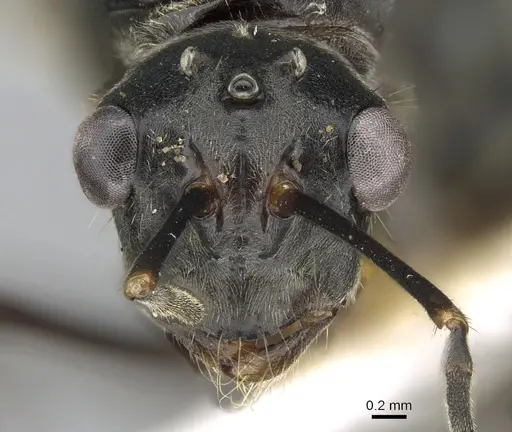
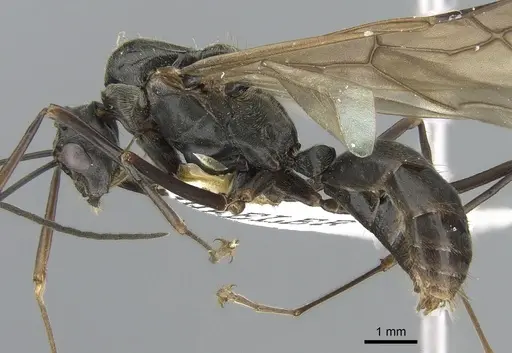
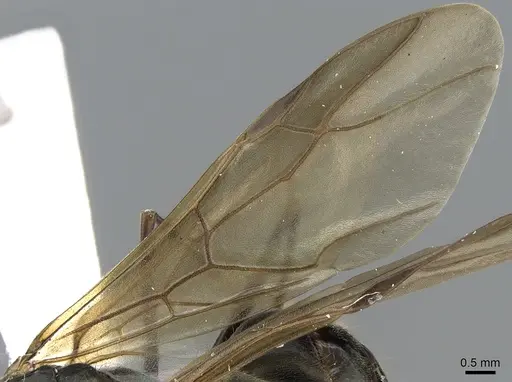
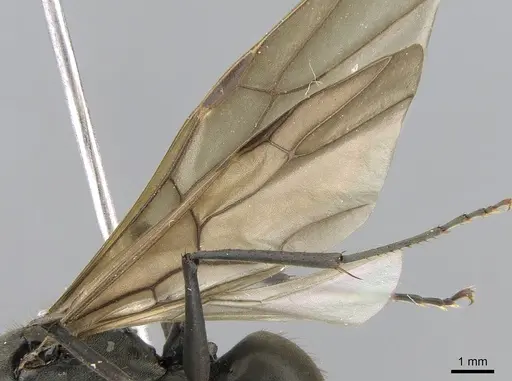
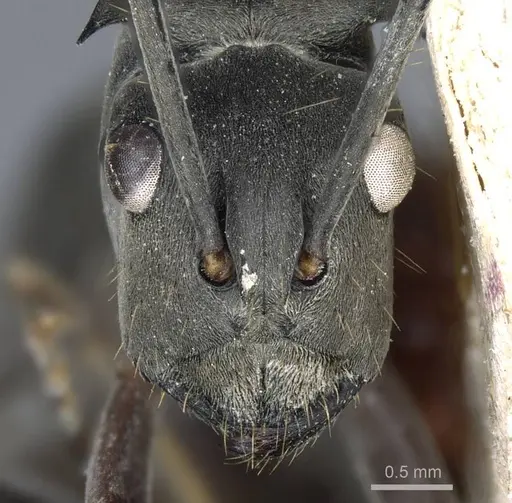
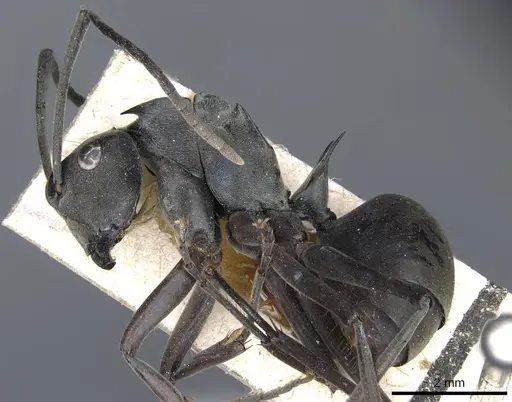
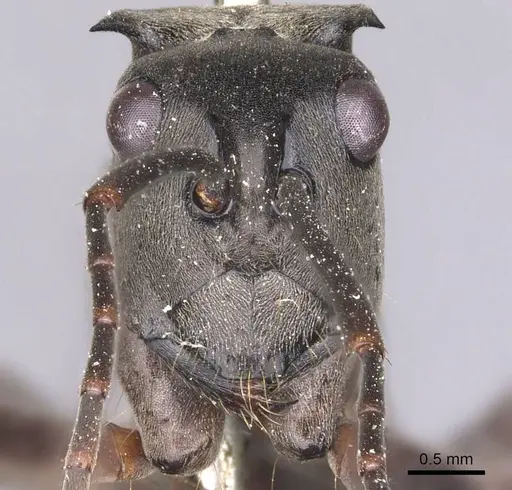
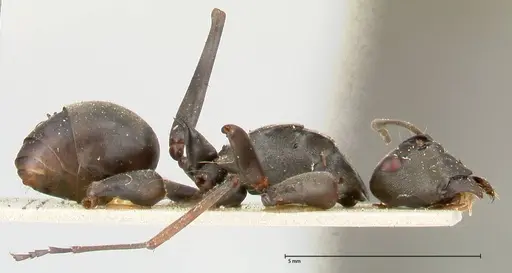
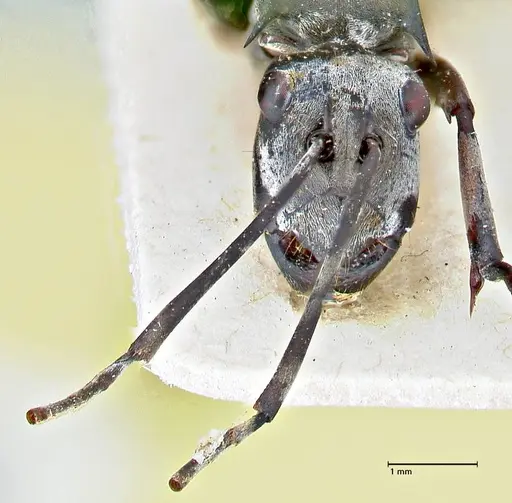
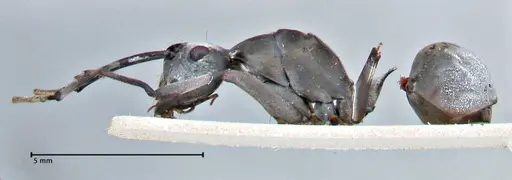
Workers of Polyrhachis continua measure about 9.4-10.7 mm in total length, making them medium-sized ants [1]. Queens are larger at about 11.0-11.3 mm and have three ocelli, complete thoracic structure, and wings [1]. The mesosoma is evenly curved without a distinct border between the propodeal dorsum and declivity. The head has postocular and lateral ridges, and the pronotal spines are short and flattened. The petiole has elongated dorsal spines with very short lateral spines. The species is identified by these features [1].
Housing and Nest Setup
Based on their natural habitat in epiphyte root masses within lowland rainforest, these ants require high humidity and warm temperatures in captivity. A Y-tong (AAC) nest or plaster nest works well for maintaining humidity. The nest material should be kept consistently moist but never waterlogged. Adding materials like cork, moss, or small twigs can help mimic their natural epiphyte environment. Provide a water tube for drinking access. Because they come from tropical rainforest environments, they do not tolerate cool temperatures well, maintain warm conditions with a heat gradient if needed. Ensure adequate ventilation to prevent mold while maintaining humidity. [2]
Feeding and Diet
Polyrhachis ants are typically omnivorous, feeding on nectar, honeydew, and small insects in the wild. In captivity, offer a varied diet including sugar water or honey as an energy source, and protein sources such as small insects like fruit flies or mealworms. Feed protein 2-3 times per week and provide constant access to sugar water. Remove uneaten food after 24-48 hours to prevent mold.
Temperature and Seasonal Care
As a tropical species from lowland rainforest in Indonesia and New Guinea, Polyrhachis continua requires warm temperatures year-round. Keep the nest area at low-to-mid 20s°C to high 20s°C. Temperatures below 22°C may slow activity and stress the colony. Unlike temperate species, they do not require hibernation or diapause. Maintain consistent warmth throughout the year. If your room temperature is too cool, use a heating cable or heat mat on one side of the nest to create a warm zone. [1]
Colony Development and Growth
The development timeline for Polyrhachis continua has not been documented in scientific literature. Based on typical Formicinae development patterns at tropical temperatures, expect 6-10 weeks from egg to first worker, but this is an estimate. Founding behavior is unconfirmed, no data on whether queens are claustral or semi-claustral. Colony growth is likely moderate, but specific data is unavailable. Male and immature stages have not been described [1]. Be patient with founding colonies, the first few months require stable conditions.
Frequently Asked Questions
How long does it take for Polyrhachis continua to get their first workers?
The exact development time is unconfirmed. Based on typical Formicinae patterns at tropical temperatures, expect approximately 6-10 weeks from egg to first worker, but this is an estimate since no specific data exists.
What temperature do Polyrhachis continua ants need?
Keep them at warm tropical temperatures, roughly low-to-mid 20s°C to high 20s°C. As a lowland rainforest species, they need consistently warm conditions.
Do Polyrhachis continua ants need hibernation?
No, they do not require hibernation. As a tropical species, keep them warm year-round.
What do Polyrhachis continua ants eat?
They are omnivorous. Feed them sugar sources like honey or sugar water for energy, and protein sources such as small insects. Offer protein 2-3 times per week with constant access to sugar water.
How big do Polyrhachis continua colonies get?
The maximum colony size is unknown, this has not been documented in scientific literature.
Are Polyrhachis continua good for beginners?
They are rated as Medium difficulty. The main challenges are their high humidity and warm temperature requirements. If you can maintain stable conditions, they are manageable for intermediate antkeepers.
What size nest should I use for Polyrhachis continua?
A Y-tong (AAC) nest or plaster nest works well. They need high humidity, so materials that retain moisture are important. Provide a naturalistic setup with materials like cork or moss.
Can I keep multiple queens together?
The colony structure is unconfirmed for this species. Until more data is available, it is not recommended to house multiple unrelated queens together.
Where is Polyrhachis continua found in the wild?
They are native to the Moluccas (Ternate Island), New Guinea, and Sulawesi in Indonesia. They live in lowland rainforest habitats, specifically in epiphyte root masses in the forest canopy.
Report an Issue
The current care sheet is based fully on literature. See inconsistencies, or something that's incorrect? Please , it will be resolved after review from an admin. Contributing to the blogs tab also helps providing information, to make us be able to further improve the caresheets. Thank you for your support!
References

This caresheet is licensed under CC BY-SA 4.0 .
Community Blogs
CASENT0281193
View on AntWeb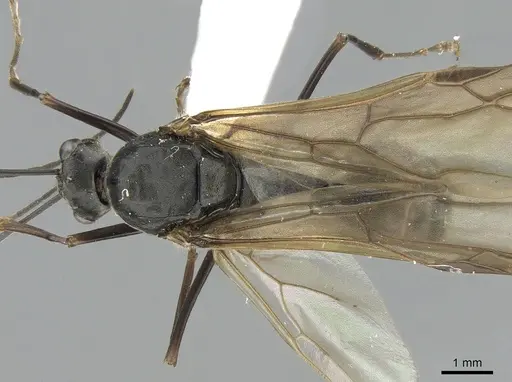
CASENT0281194
View on AntWeb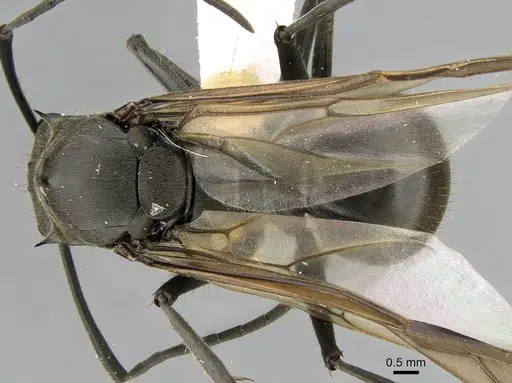
CASENT0281392
View on AntWeb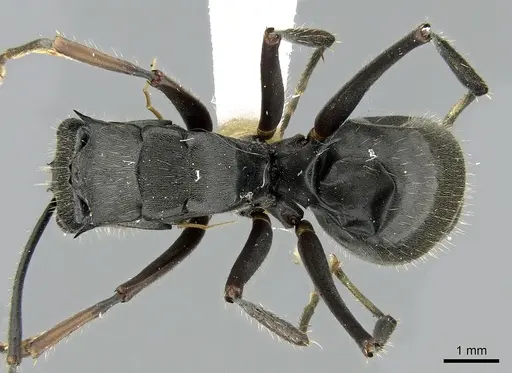
CASENT0905616
View on AntWeb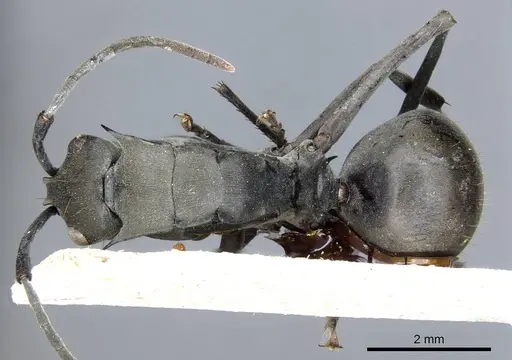
CASENT0905820
View on AntWeb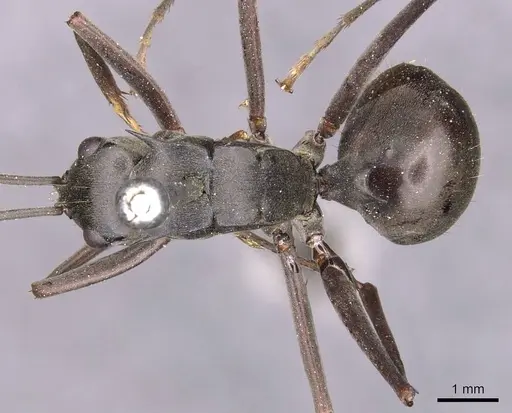
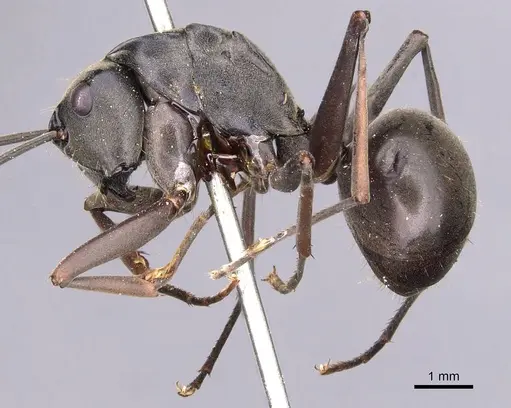
FOCOL0452
View on AntWeb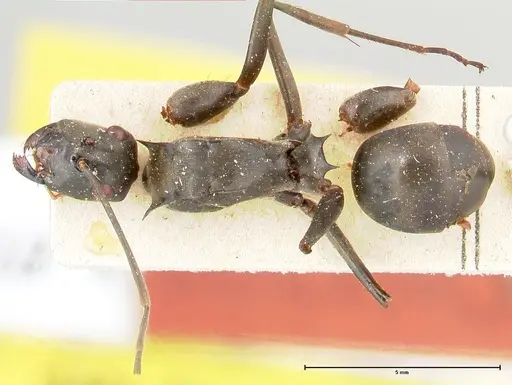
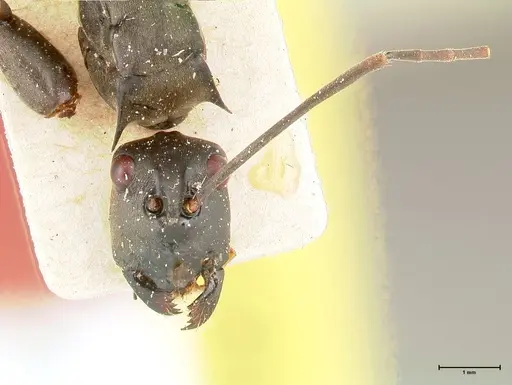
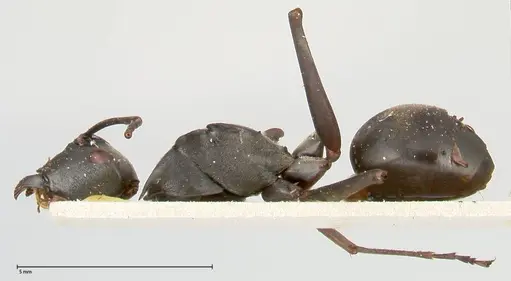
FOCOL2943
View on AntWeb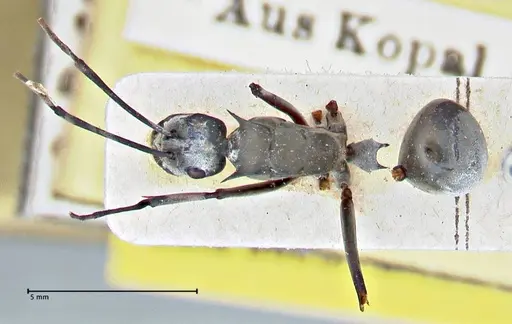
Literature
Loading distribution map...Loading products...