
Polyrhachis consimilis
- Sci. Name
- Polyrhachis consimilis
- Subgenus
- Hedomyrma
- Tribe
- Camponotini
- Subfamily
- Formicinae
- Author
- Smith, 1858
- Distribution
- Found in 0 countries
Introduction
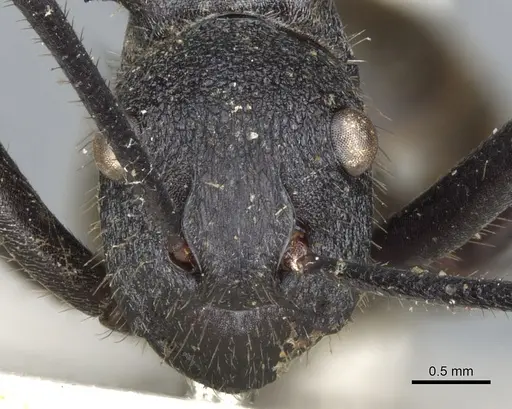
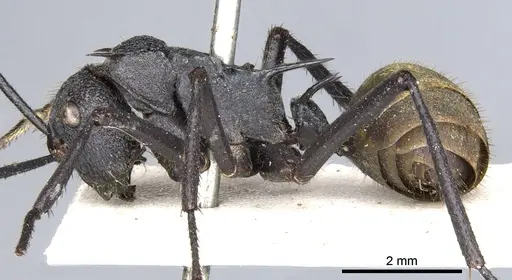
Polyrhachis consimilis is a medium-sized ant native to the Kimberley region of Western Australia . Workers measure approximately 6-7mm and belong to the subgenus Hedomyrma. They are characterized by distinctive spines on the thorax and metathorax . The species was originally described from Sierra Leone, but this was an error; it is actually Australian, making it one of the more geographically restricted Polyrhachis species in captivity .
Quick Summary
- Difficulty: Medium
- Origin & Habitat: Native to the Kimberley region of northern Western Australia, nesting in tropical to subtropical forested areas [1].
- Colony Type: Colony structure is not well-documented. Based on typical Polyrhachis patterns, they likely form single-queen (monogyne) colonies, but this requires confirmation [1].
- Size & Growth:
- Queen: Size data unavailable, no measurements in literature
- Worker: Approximately 6-7mm [2]
- Colony: Unknown maximum
- Growth: Moderate, estimated based on genus patterns
- Development: Unknown, estimated 6-10 weeks at optimal temperature [1] (Development timeline has not been directly studied. Estimates based on typical Formicinae development at 24-28°C.)
- Antkeeping:
- Temperature: Keep at 24-30°C, with a warm side around 28°C [1].
- Humidity: Keep nest substrate consistently moist but not waterlogged, with some drier areas for regulation [1].
- Diapause: Likely minimal, tropical species may reduce activity during dry seasons rather than full hibernation [1].
- Nesting: Y-tong (AAC), plaster, or naturalistic setups are suitable. Provide a dark, secure nesting area with access to an outworld [1].
- Behavior: Workers are active foragers with moderate aggression when defending the nest. They are not typically aggressive toward keepers but will defend if threatened [1].
- Common Issues: limited availability due to restricted Australian distribution, humidity control is important, too dry causes stagnation, too wet causes mold, tropical warmth is essential, temperatures below 22°C may slow brood development, wild-caught colonies may carry parasites or diseases, limited breeding data makes colony establishment challenging for beginners
Housing and Nest Setup
Polyrhachis consimilis adapts well to various captive setups. Y-tong (AAC) nests work excellently because they provide darkness, humidity control, and easy observation [1]. Plaster nests are also suitable, maintaining consistent moisture levels [1]. If using a naturalistic setup, include soil substrate and hiding structures like cork bark or stones [1]. Ensure the setup has good escape prevention, while not tiny, they can still squeeze through small gaps [1].
Feeding and Diet
In the wild, Polyrhachis ants are omnivorous, feeding on honeydew, nectar, and small insects [1]. In captivity, offer a varied diet: sugar water or honey as a constant energy source, and protein sources like mealworms, small crickets, or other insects 2-3 times per week [1]. Remove uneaten prey after 24-48 hours to prevent mold [1].
Temperature and Seasonal Care
As tropical Australian ants, Polyrhachis consimilis requires warm conditions year-round. Maintain temperatures between 24-30°C, ideally around 26-28°C for optimal brood development [1]. A heating cable or mat on one side of the nest creates a temperature gradient [1]. During Australian winter, reduced activity is normal, if colony slows, temperatures can be reduced to 18-20°C for 2-3 months, but full hibernation is not required [1].
Humidity Requirements
These ants come from the Kimberley region, which has high humidity during the wet season [1]. Aim for moderate to high humidity in the nest area, keeping substrate moist but not waterlogged [1]. Allow some areas to dry slightly so ants can regulate their own conditions [1].
Colony Establishment
Establishing a colony from a wild-caught queen can be challenging. Use a test tube setup with a water reservoir, keep her warm and dark, and provide occasional sugar water [1]. Once workers emerge, gradually introduce small prey items [1]. After reaching 10-20 workers, move to a proper nest setup [1]. Quarantine new colonies to check for parasites or diseases [1].
Frequently Asked Questions
How long does it take for Polyrhachis consimilis to produce first workers?
The exact timeline is unconfirmed, but based on related Formicinae species, expect 6-10 weeks from egg to worker at optimal temperature (26-28°C) [1].
What temperature do Polyrhachis consimilis ants need?
Keep them warm at 24-30°C, with 26-28°C being ideal for brood development [1]. Use a heating cable to create a gradient [1].
Do Polyrhachis consimilis ants need hibernation?
Probably not, as tropical Australian ants, they don't require true hibernation. You may reduce temperatures slightly for 2-3 months during winter if activity slows, but this is optional [1].
How big do Polyrhachis consimilis colonies get?
The maximum colony size is not documented, but Polyrhachis species typically reach several hundred to a few thousand workers [1].
What do Polyrhachis consimilis ants eat?
They are omnivorous. Offer sugar water or honey as a constant energy source, and protein like small insects 2-3 times per week [1].
Are Polyrhachis consimilis ants aggressive?
They are not particularly aggressive toward keepers but will defend their nest if threatened [1].
Can I keep multiple Polyrhachis consimilis queens together?
The colony structure is not well-documented. Based on typical Polyrhachis behavior, they likely form single-queen colonies, so combining unrelated queens is not recommended without evidence [1].
Is Polyrhachis consimilis a good species for beginners?
This species is rated as medium difficulty. Limited availability and specific requirements make it better suited for keepers with some experience [1].
When should I move my Polyrhachis consimilis to a formicarium?
Move them when the colony reaches 15-30 workers and the test tube setup becomes cramped. Ensure the formicarium is pre-humidified and at the correct temperature [1].
Why is my Polyrhachis consimilis colony not growing?
Common causes include temperatures below 22°C, humidity issues, insufficient protein, or queen death. Check environmental parameters and diet [1].
Where can I get Polyrhachis consimilis ants?
This species is rarely available due to its restricted distribution in northern Western Australia and export restrictions. Specialized dealers may occasionally have them [1].
Report an Issue
The current care sheet is based fully on literature. See inconsistencies, or something that's incorrect? Please , it will be resolved after review from an admin. Contributing to the blogs tab also helps providing information, to make us be able to further improve the caresheets. Thank you for your support!
References

This caresheet is licensed under CC BY-SA 4.0 .
Community Blogs
CASENT0903335
View on AntWeb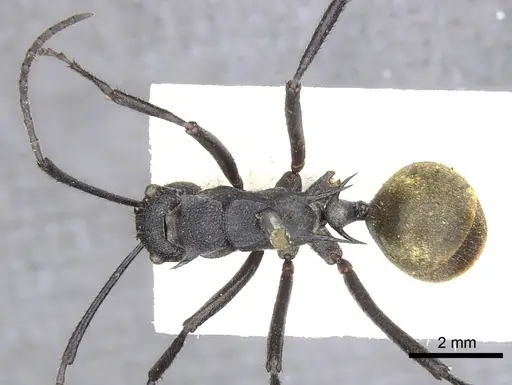
Literature
Loading distribution map...Loading products...