
Polyrhachis concava
- Sci. Name
- Polyrhachis concava
- Subgenus
- Myrma
- Tribe
- Camponotini
- Subfamily
- Formicinae
- Author
- André, 1889
- Distribution
- Found in 5 countries
Introduction
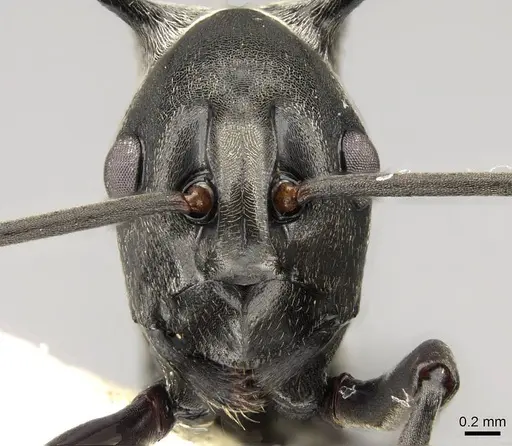
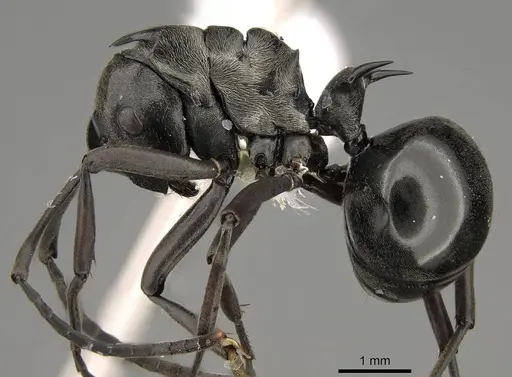
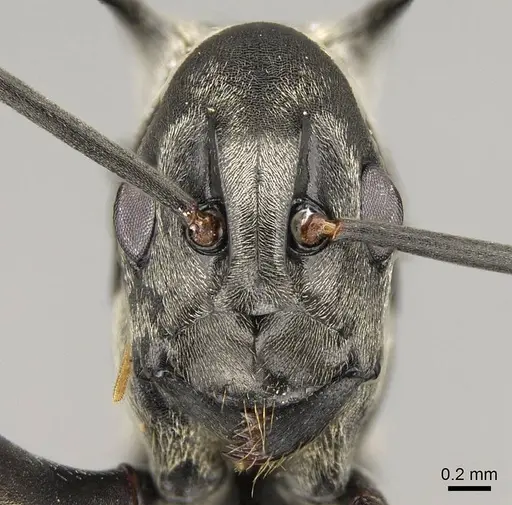
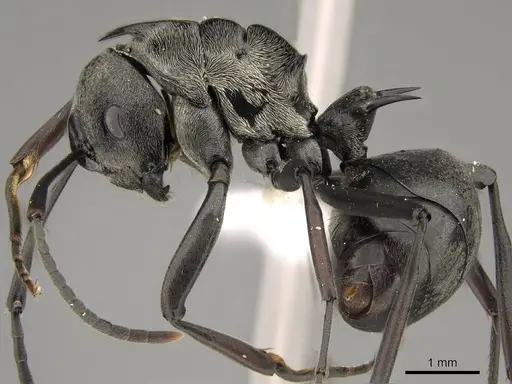
Polyrhachis concava is a medium-sized arboreal ant found in lowland rainforests of West and Central Africa, including countries like Benin, Cameroon, Congo, Gabon, and Sierra Leone . Workers measure 6.8-7.6 mm and belong to the militaris species-group within the subgenus Myrma . Their most distinctive feature is an unusual eye structure where the head sides partially cover the eye, giving a kidney-shaped appearance . They have spines on the pronotum and propodeum, and long dorsal spines on the petiole . What makes P. concava interesting is its arboreal lifestyle - they nest in trees and use silk to construct nests , unlike most ground-nesting ants. They are part of a diverse African radiation of Polyrhachis species .
Quick Summary
- Difficulty: Medium
- Origin & Habitat: West and Central Africa, including Benin, Cameroon, Central African Republic, Congo, Democratic Republic of Congo, Equatorial Guinea, Gabon, Ghana, Ivory Coast, Nigeria, and Sierra Leone [1][2]. They inhabit lowland rainforest environments, with specimens collected at elevations from 110m to 375m in Gabon [5]. As arboreal ants, they nest in trees rather than on the ground.
- Colony Type: Colony structure is not well-documented. Based on typical Polyrhachis patterns, they likely form single-queen colonies (monogyne), but this is unconfirmed [3].
- Size & Growth:
- Queen: Size data unavailable, no total length measurements exist for queens. Inferred from Polyrhachis genus patterns to be larger than workers, but exact size unknown.
- Worker: 6.8-7.6 mm [3]
- Colony: Colony size data unavailable for this specific species.
- Growth: Moderate, based on typical Polyrhachis development patterns.
- Development: Estimated 6-10 weeks at tropical temperatures (24-28°C), inferred from Formicinae development patterns [5]. No species-specific data exists. (Polyrhachis have cocoons, which may extend development time compared to ants with naked pupae [4].)
- Antkeeping:
- Temperature: Keep at 24-28°C, matching their lowland rainforest origin and elevational range in Gabon [5]. A slight gradient allows ants to regulate exposure.
- Humidity: Keep the nest substrate consistently moist but not waterlogged, as arboreal ants from rainforest habitats need high humidity [4].
- Diapause: Unknown, as a tropical species, diapause is unlikely, but no specific data exists.
- Nesting: Arboreal setup is critical. Use Y-tong (AAC) nests or naturalistic setups with branches and cork bark, as they nest in trees and use silk [4]. Avoid ground-level test tubes.
- Behavior: Workers are active foragers with moderate aggression when defending the nest, but not dangerous to humans. They lack a sting and spray formic acid for defense, a general trait of Formicinae [3]. Escape risk is moderate due to small size (6-8 mm), use standard barriers. They have been found in stomachs of toads and pangolins, showing natural predators [6].
- Common Issues: arboreal nature makes them unsuitable for ground-nesting setups, they need vertical space and elevated nesting areas., high humidity requirements can lead to mold if ventilation is inadequate., limited scientific data means care recommendations are based on genus patterns rather than species-specific studies., tropical species may be sensitive to temperature drops, avoid air-conditioned rooms., cocoon development may be slower than typical ant pupae, don't panic if development takes longer.
Nest Preferences and Housing
Polyrhachis concava is an arboreal species that naturally nests in trees using silk to bind materials [4]. In captivity, provide a vertical or elevated nest setup. Y-tong (AAC) nests work well for humidity control, or use naturalistic setups with branches and cork bark. Avoid horizontal test tubes. Nest chambers should suit workers that are 6.8-7.6 mm [3].
Feeding and Diet
They are generalist foragers that collect honeydew and hunt small insects [4]. In captivity, offer sugar water or honey for energy, and protein like mealworms or small crickets. Place food on elevated surfaces. Feed protein 2-3 times per week and keep sugar sources available continuously.
Temperature and Humidity Requirements
As a tropical lowland species, keep temperatures at 24-28°C based on elevation data from Gabon [5]. Humidity should be high but not waterlogged, as they are adapted to rainforest conditions [4]. Use a hygrometer to monitor.
Behavior and Colony Dynamics
Workers are active foragers with spines for defense. They spray formic acid but are not dangerous to humans. Colonies likely grow slowly, with cocoons present [4]. Natural predators include toads and pangolins [6].
Acquiring and Establishing a Colony
This species is not common in the hobby. If obtained, provide an arboreal setup from the start. Queens may seal themselves in a chamber to raise first workers, but founding behavior is unconfirmed. Disturbances during founding can cause stress.
Frequently Asked Questions
Can I keep Polyrhachis concava in a test tube?
No, a standard test tube setup is not ideal. They are arboreal and need vertical space with elevated nesting areas, such as Y-tong nests or naturalistic setups [4].
What do Polyrhachis concava ants eat?
They eat sugar sources like honey and protein like small insects. Place food on elevated surfaces to match their foraging behavior [4].
How long does it take for Polyrhachis concava to produce first workers?
Estimated 6-10 weeks from egg to worker at 24-28°C, based on typical Formicinae development [5]. No species-specific data exists.
Do Polyrhachis concava ants need hibernation?
Unknown, as a tropical species, diapause is unlikely, but no specific data exists.
Are Polyrhachis concava ants aggressive or dangerous?
They are not dangerous to humans. They can bite and spray formic acid but are generally not aggressive [3].
How big do Polyrhachis concava colonies get?
Colony size data is unavailable for this species.
What makes Polyrhachis concava different from other ants?
Their arboreal lifestyle and use of silk for nests [4], plus their unique eye structure [3].
Why are my Polyrhachis concava dying?
Common causes include incorrect humidity, low temperature, or inappropriate housing. Ensure an arboreal setup with high humidity and warm temperatures.
Can I keep multiple Polyrhachis concava queens together?
Colony structure is unconfirmed. Based on typical Polyrhachis patterns, they likely form single-queen colonies, so combining queens is not recommended without evidence.
What is the best nest type for Polyrhachis concava?
Y-tong (AAC) nests or naturalistic arboreal setups with branches and cork bark [4].
Report an Issue
The current care sheet is based fully on literature. See inconsistencies, or something that's incorrect? Please , it will be resolved after review from an admin. Contributing to the blogs tab also helps providing information, to make us be able to further improve the caresheets. Thank you for your support!
References

This caresheet is licensed under CC BY-SA 4.0 .
Community Blogs
CASENT0281441
View on AntWeb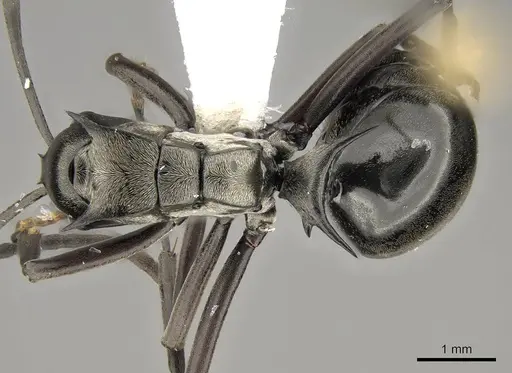
CASENT0281442
View on AntWeb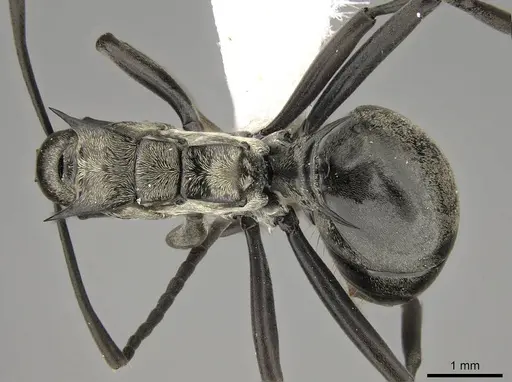
CASENT0415799
View on AntWeb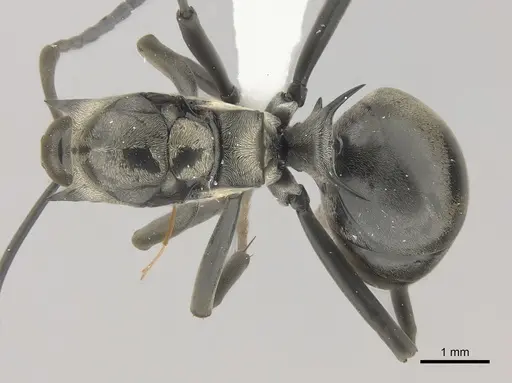
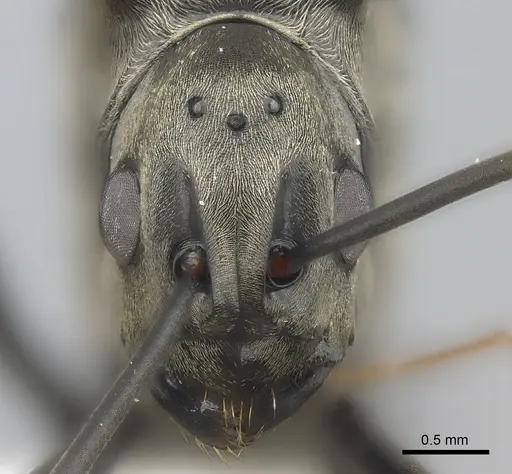
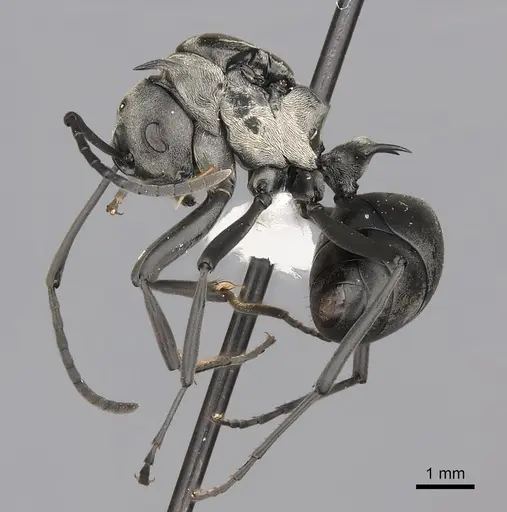
CASENT0910903
View on AntWeb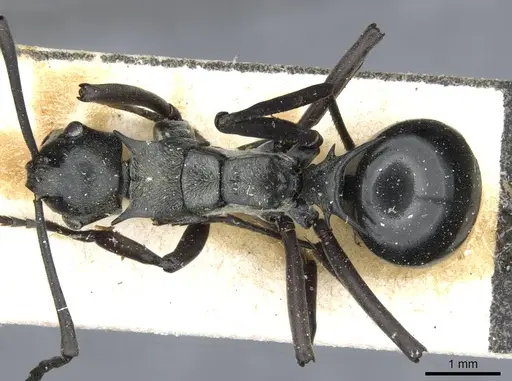
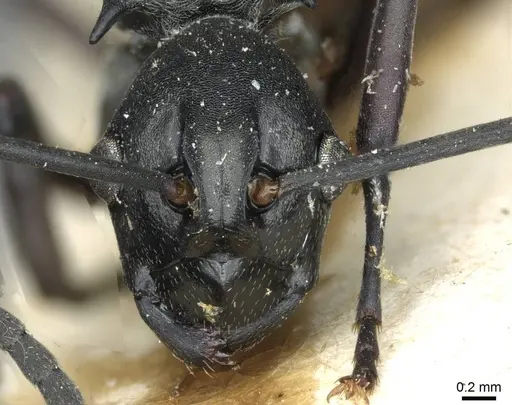
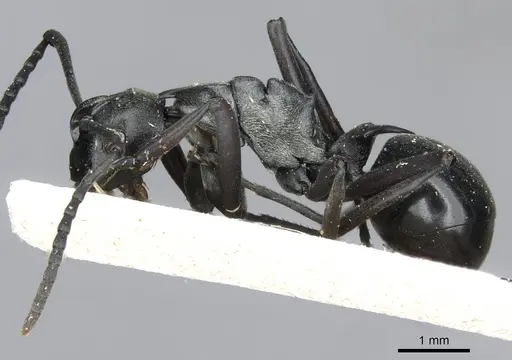
CASENT0913678
View on AntWeb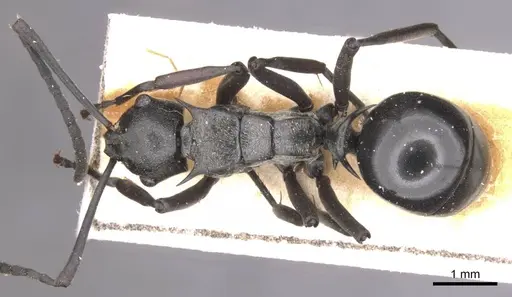
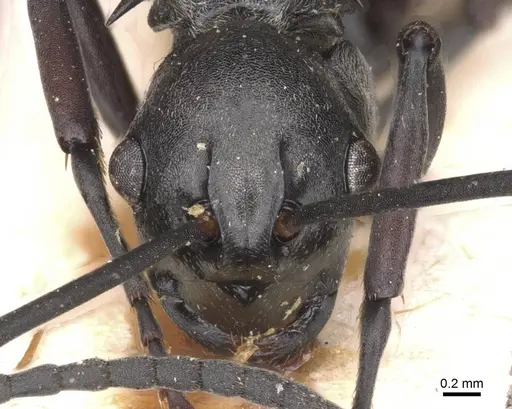
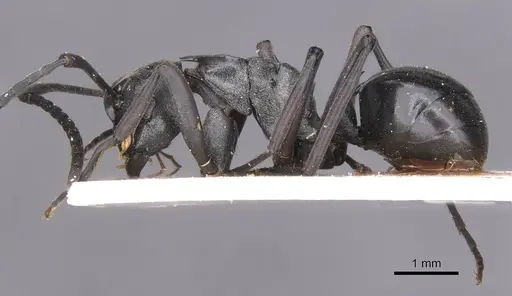
CASENT0923487
View on AntWeb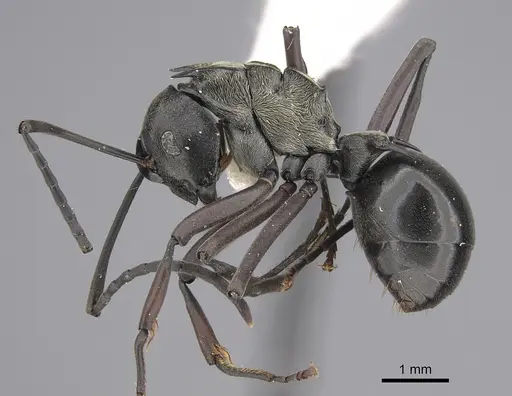
Literature
Loading distribution map...Loading products...