
Polyrhachis chalybea
- Sci. Name
- Polyrhachis chalybea
- Subgenus
- Myrmhopla
- Tribe
- Camponotini
- Subfamily
- Formicinae
- Author
- Smith, 1857
- Distribution
- Found in 1 countries
Introduction
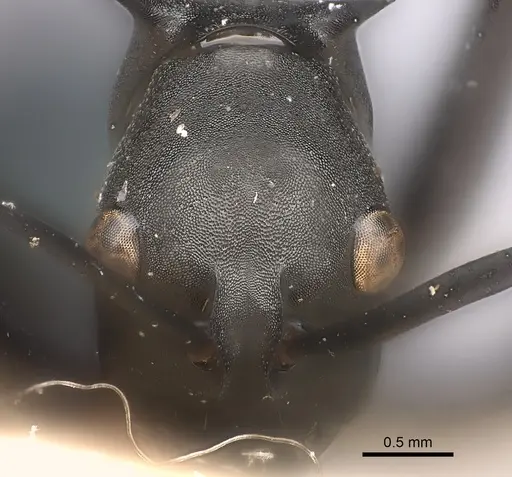
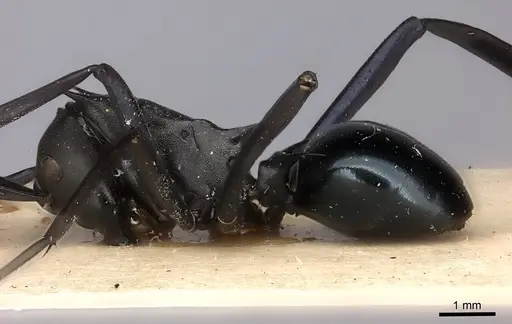
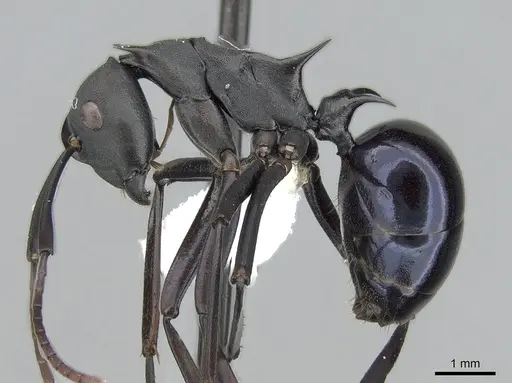
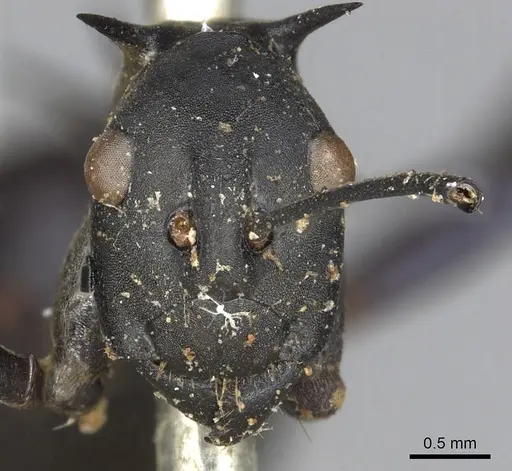
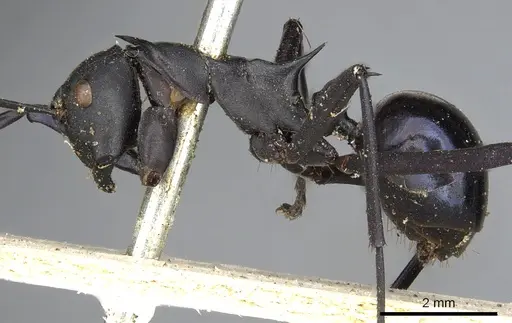
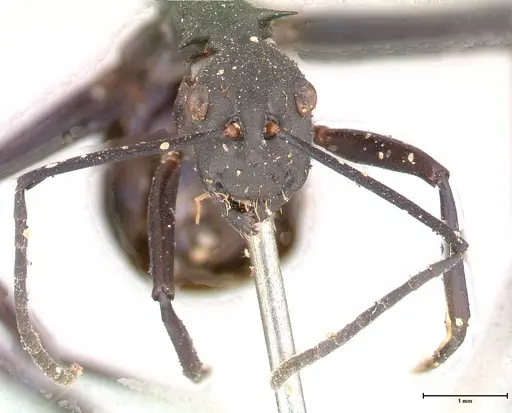
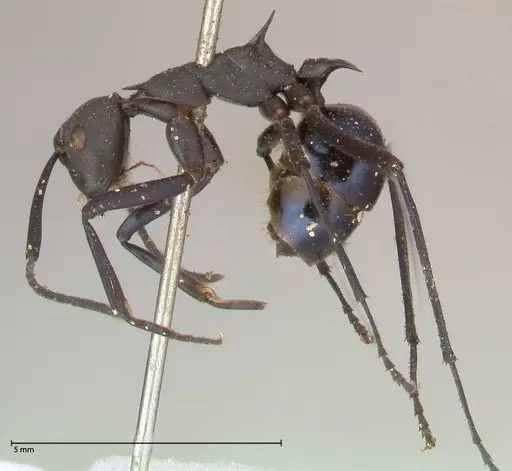
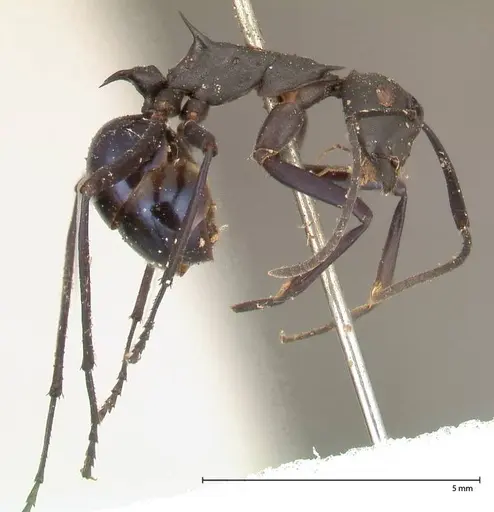
Polyrhachis chalybea is a medium-sized ant species native to Southeast Asia, found in Singapore, Malaysia, Borneo, and Sumatra . Workers measure approximately 10mm in length and belong to the subgenus Myrmhopla . These ants live in tropical rainforests, typically nesting in rotting wood or leaf litter in primary and secondary forests . This species was first described by Frederick Smith in 1857 from Singapore and Malacca, with Polyrhachis sappho later recognized as a junior synonym . Polyrhachis ants are known for their spiny petiole and glossy bodies, making them distinct among Formicine ants.
Quick Summary
- Difficulty: Medium
- Origin & Habitat: Tropical rainforests of Southeast Asia, including Singapore, Malaysia, Borneo (Sabah), and Sumatra, in primary and secondary forest habitats [1][2][4].
- Colony Type: Colony structure is unconfirmed. No specific data on queen number or social structure.
- Size & Growth:
- Queen: Size data unavailable, no measurements found in research.
- Worker: Approximately 10mm [3].
- Colony: Size data unavailable, no estimates from research.
- Growth: Moderate, inferred from tropical Polyrhachis patterns.
- Development: Estimated 6-8 weeks at tropical temperatures based on genus-level data. (Development time is estimated from related species, direct measurements for Polyrhachis chalybea are not available.)
- Antkeeping:
- Temperature: Keep at 24-28°C, estimated for tropical species.
- Humidity: Maintain moderate to high humidity, keep substrate consistently moist but not waterlogged.
- Diapause: No, tropical species do not require hibernation.
- Nesting: Provide a naturalistic setup with rotting wood pieces or a Y-tong/plaster nest with moisture retention.
- Behavior: Polyrhachis chalybea is generally calm and not aggressive toward keepers. Workers are active foragers with moderate escape risk due to their size, standard barriers like Fluon work well. They lack a sting but can spray formic acid as a defense mechanism.
- Common Issues: tropical species requires consistent warmth, temperatures below 22°C can slow activity and cause health issues, humidity must be maintained, too-dry conditions lead to desiccation and colony decline, wild-caught colonies may harbor parasites or diseases that can devastate captive colonies, slow founding phase, queens may take months to raise first workers, requiring patience, escape prevention is important, standard barriers suffice for this size
Housing and Nest Setup
Polyrhachis chalybea does well in setups that mimic their natural forest-floor habitat [1]. A Y-tong or plaster nest with moisture chambers works well for humidity retention and observation. Alternatively, use rotting wood pieces and leaf litter for a naturalistic environment. For founding, a test tube setup with water reservoir is suitable, but transfer to a proper nest once the colony grows. Ensure nest chambers are sized for 10mm workers, with secure walls. Provide a moderate-sized outworld for foraging [1].
Feeding and Diet
Polyrhachis chalybea is omnivorous, preferring sweet liquids and protein. Offer sugar water, honey, or diluted maple syrup constantly for carbohydrates. Provide protein sources like fruit flies, small crickets, or mealworms 2-3 times per week. Remove uneaten prey after 24-48 hours to prevent mold.
Temperature and Humidity
As a tropical species, Polyrhachis chalybea requires warm, humid conditions. Keep temperatures between 24-28°C year-round. Use a heating cable on top of the nest if room temperature is lower, but avoid drying out the nest. Maintain humidity by keeping the substrate damp but not waterlogged, mist occasionally and ensure good ventilation.
Colony Development and Growth
Polyrhachis colonies grow at a moderate pace. A newly mated queen may take 6-8 weeks to raise first workers at optimal temperatures, based on genus-level data. Colony growth accelerates once workers begin foraging. Expect several hundred workers over 1-2 years under good conditions. Patience is key during founding, avoid disturbing the queen unnecessarily.
Behavior and Temperament
Workers are relatively calm and not prone to aggression. They are active foragers that explore their outworld for food. Communication occurs through chemical trails. They lack a painful sting but can spray formic acid as a defense. Workers have moderate climbing abilities, so standard escape prevention measures are sufficient.
Frequently Asked Questions
How long does it take for Polyrhachis chalybea to raise first workers?
Based on related Polyrhachis species, expect 6-8 weeks at optimal tropical temperatures (25-28°C). The exact timeline for this species is not documented.
What do Polyrhachis chalybea ants eat?
They are omnivorous. Offer sugar water, honey, or maple syrup constantly for carbohydrates, and protein sources like small insects 2-3 times per week.
What temperature do Polyrhachis chalybea need?
Keep them at 24-28°C year-round, as they are a tropical species.
Do Polyrhachis chalybea need hibernation?
No. As a tropical species, they do not require hibernation or diapause.
How big do Polyrhachis chalybea colonies get?
Colony size is not well documented, but based on related species, they may reach several hundred workers. Growth is moderate.
Can I keep multiple Polyrhachis chalybea queens together?
The colony structure is unconfirmed. Based on typical Polyrhachis patterns, they likely form single-queen colonies, but no specific data exists.
What humidity level do Polyrhachis chalybea need?
Maintain moderate to high humidity by keeping the nest substrate consistently moist but not waterlogged.
When should I move Polyrhachis chalybea to a formicarium?
Move them once the colony grows beyond the test tube setup, typically when workers are active and foraging.
Are Polyrhachis chalybea good for beginners?
They are rated as medium difficulty due to specific humidity and temperature needs. They are calmer than many species, but their slower growth may require experience.
Report an Issue
The current care sheet is based fully on literature. See inconsistencies, or something that's incorrect? Please , it will be resolved after review from an admin. Contributing to the blogs tab also helps providing information, to make us be able to further improve the caresheets. Thank you for your support!
References

This caresheet is licensed under CC BY-SA 4.0 .
Community Blogs
CASENT0217753
View on AntWeb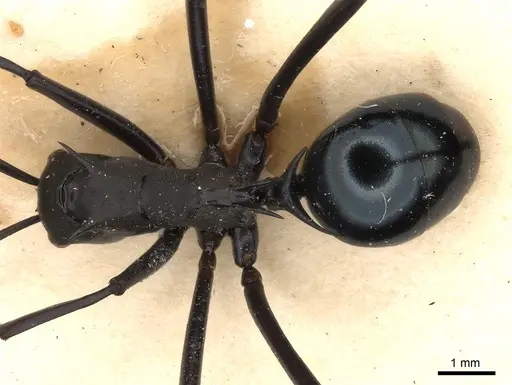
CASENT0217806
View on AntWeb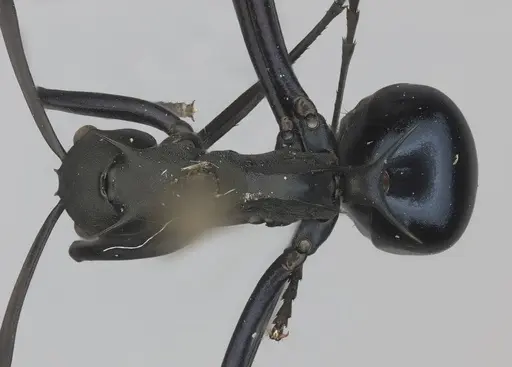
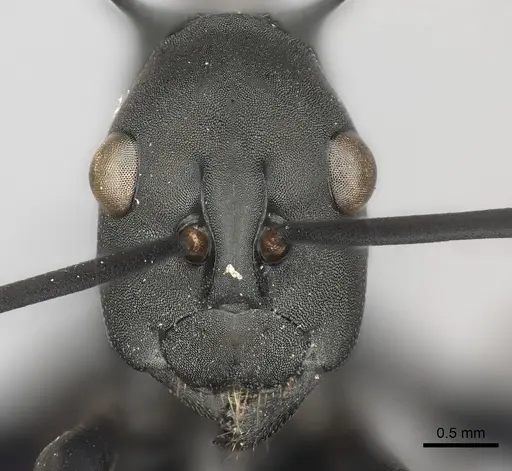
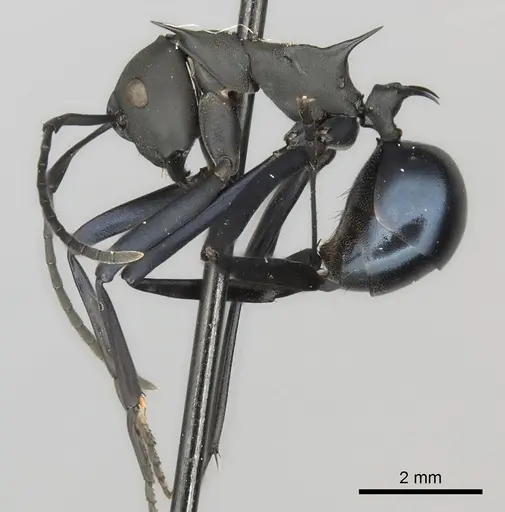
CASENT0281397
View on AntWeb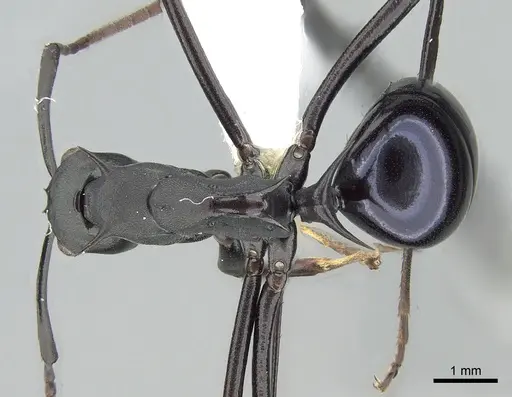
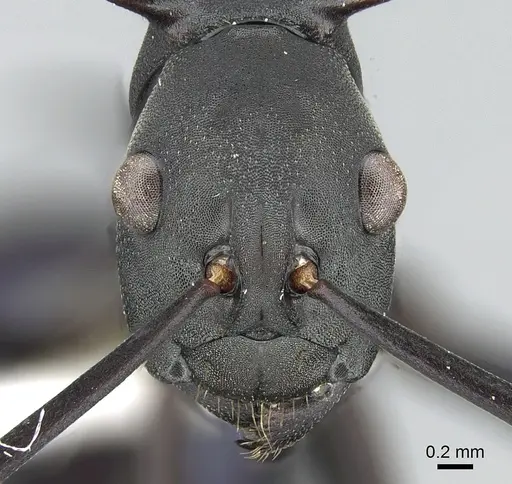
CASENT0901850
View on AntWeb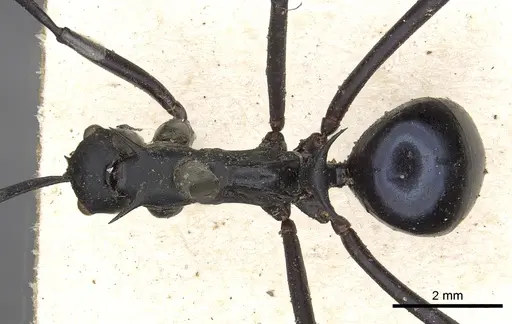
CASENT0910876
View on AntWeb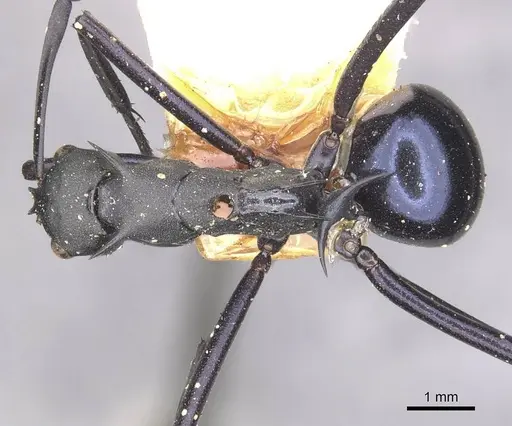
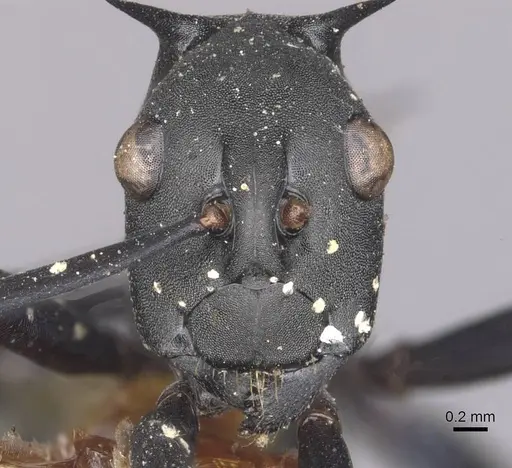
CASENT0923486
View on AntWeb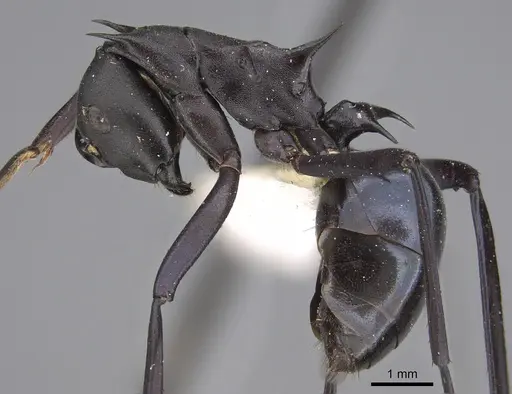
FOCOL0574
View on AntWeb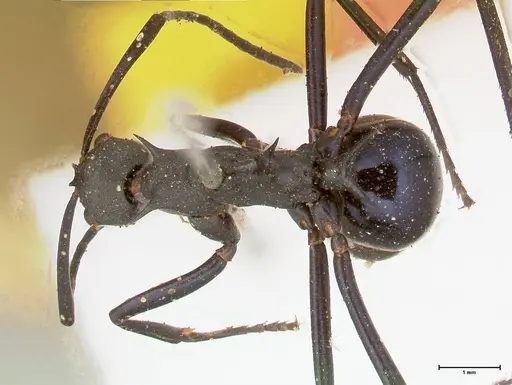
Literature
Loading distribution map...Loading products...