
Polyrhachis bubastes
- Sci. Name
- Polyrhachis bubastes
- Subgenus
- Myrmhopla
- Tribe
- Camponotini
- Subfamily
- Formicinae
- Author
- Smith, 1863
- Distribution
- Found in 2 countries
Introduction
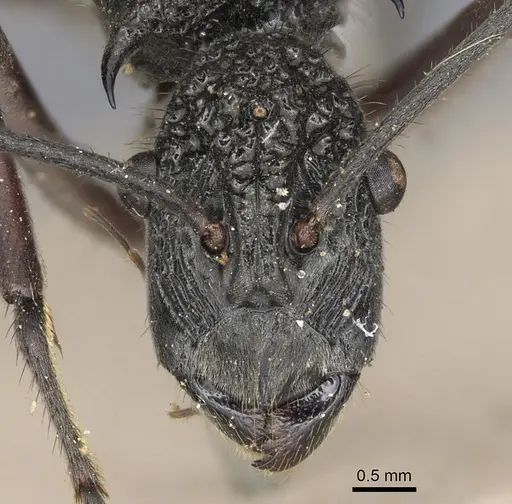
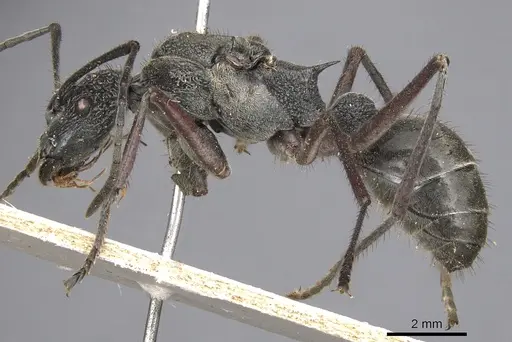
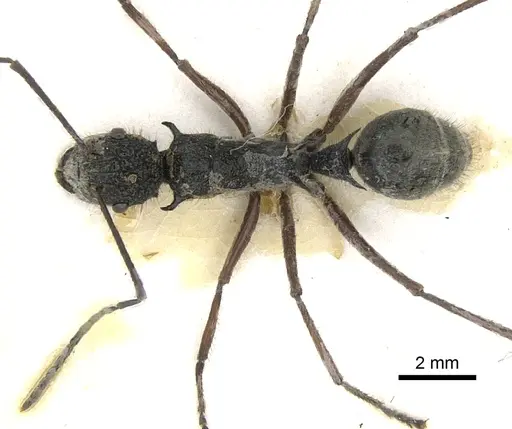
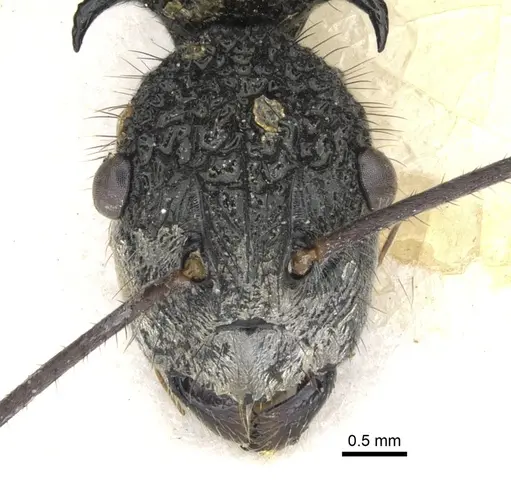
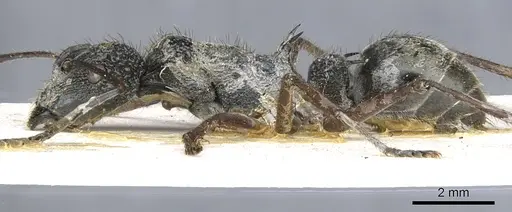
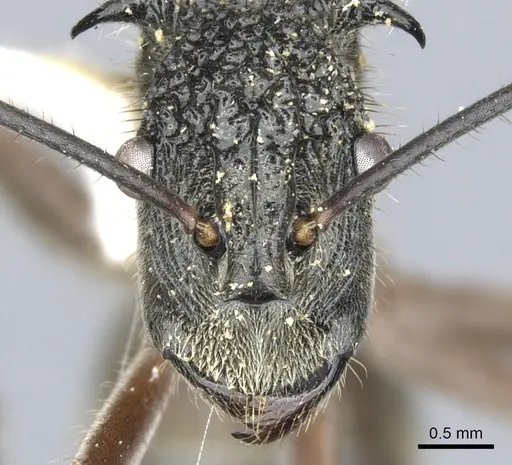
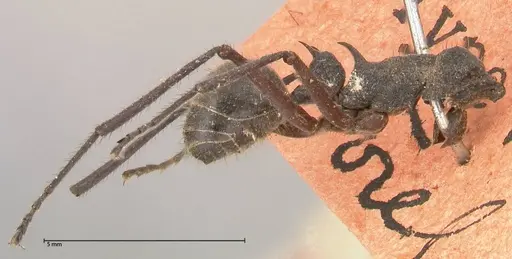
Polyrhachis bubastes is a tropical ant from the Moluccas Islands in Indonesia . Workers are medium-sized with the characteristic spines on the thorax that give Polyrhachis their common name of 'spiny ants.' They belong to the subgenus Myrmhopla (sexpinosa-group), which is known for arboreal nesting habits . This species builds nests in trees using silk and carton material . Pupal cocoons are present . As a formicine ant, they lack a functional sting and instead defend themselves by biting and spraying formic acid into the wound.
Quick Summary
- Difficulty: Medium
- Origin & Habitat: Moluccas Islands, Indonesia, tropical arboreal habitat in rainforest environments [1]
- Colony Type: Colony structure is unconfirmed for this species. Most Polyrhachis are monogyne (single queen), but some can be polygyne.
- Size & Growth:
- Queen: Estimated 10-12 mm based on typical Polyrhachis queen sizes
- Worker: Estimated 6-9 mm based on subgenus Myrmhopla patterns
- Colony: Likely several hundred workers based on related species
- Growth: Moderate
- Development: Estimated 6-8 weeks at tropical temperatures (25-28°C) based on related Polyrhachis species (Direct development time data for this species is unavailable, estimate is from related species.)
- Antkeeping:
- Temperature: Keep at 24-28°C year-round. This tropical species requires warmth and cannot tolerate temperatures below 22°C for extended periods
- Humidity: High humidity (70-80%) is essential. Keep the nest substrate consistently moist but not waterlogged. Mist the outworld regularly
- Diapause: No, this tropical species does not require hibernation. Maintain consistent warm conditions year-round
- Nesting: Arboreal species needs vertical space and climbing structures. Y-tong (AAC) or naturalistic setups with branches work well. Provide materials they can bind with silk, such as dried leaves or cotton fibers. Avoid fully enclosed test tube setups, they prefer more open, ventilated nests [2][3]
- Behavior: Generally peaceful and non-aggressive. When threatened, they flee rather than attack. They do not sting, they bite and spray formic acid. Workers are active climbers and forage individually. Escape risk is moderate, they are not particularly prone to escaping but standard barrier methods are recommended.
- Common Issues: tropical temperature requirements mean colonies can fail if kept too cool, maintain steady warmth year round, arboreal nature means they need vertical space, horizontal setups may cause stress, high humidity needs can lead to mold if ventilation is poor, ensure good airflow, limited availability in the hobby makes founding colonies difficult, carton-nesting behavior requires specific materials (silk, leaves) that may not be readily available
Natural History and Distribution
Polyrhachis bubastes is found exclusively in the Moluccas Islands, an archipelago in eastern Indonesia [1]. This tropical region has warm temperatures year-round and high humidity from frequent rainfall. As an arboreal species, they nest in the rainforest canopy rather than on the forest floor [2]. They construct nests using silk produced by larvae and carton material made from chewed plant fibers [2][3]. The spines on the thorax are a defining feature of the genus, likely used for defense and manipulation of nesting materials. Unlike some ants that have naked pupae, this species spins cocoons around their pupae [2].
Nest Preferences and Housing
In captivity, Polyrhachis bubastes needs an arboreal setup that mimics its natural tree-dwelling lifestyle. Provide vertical space with branches, twigs, or artificial climbing structures. Y-tong (AAC) nests work well because they offer chambers the ants can adapt, but you should also add external climbing structures. The key requirement is providing materials they can bind with silk, dried leaves, cotton fibers, or small fabric pieces work as nesting material [2][3]. Avoid fully enclosed test tubes, as these arboreal ants prefer more open, ventilated spaces. Keep the nest area humid while the outworld can have normal room humidity. Ensure the setup allows for vertical travel between chambers and foraging areas.
Feeding and Diet
Polyrhachis bubastes is omnivorous. In the wild, they tend honeydew-producing insects in the canopy and hunt small prey. In captivity, offer a varied diet: sugar water or honey for energy, and protein sources like small crickets, mealworms, or other insects. Fresh fruit may also be accepted. Feed protein 2-3 times per week and keep sugar water available constantly. Remove uneaten prey after 24 hours to prevent mold. Since they are arboreal foragers, place food on elevated platforms or branches rather than on the floor of the outworld.
Temperature and Humidity Requirements
As a tropical species from the Moluccas, Polyrhachis bubastes requires warm and humid conditions. Keep the nest area at 24-28°C consistently, temperatures below 22°C can stress the colony and slow development. A small heating cable placed on one side of the nest can help, but avoid direct heat that could dry out the nest. Humidity should be high, keep the nest substrate consistently moist but not waterlogged. Mist the outworld regularly and consider using a water reservoir in the nest setup. Unlike temperate species, these ants do not need any cooling period or winter rest, maintain tropical conditions year-round.
Behavior and Colony Dynamics
Workers of Polyrhachis bubastes are active, agile climbers. They are generally non-aggressive and will flee rather than attack when threatened. Their primary defense mechanism is biting and spraying formic acid, they lack a functional sting. This makes them suitable for antkeepers who prefer observing interesting behavior over dealing with aggressive defenders. The colony will expand their nest by binding materials with silk, creating characteristic carton structures [2][3]. Workers forage individually rather than in massive raiding parties. The colony likely grows to several hundred workers over time, though exact colony size is unknown for this species. Founding behavior is unconfirmed, direct data on queen founding is not available.
Frequently Asked Questions
How long does it take for Polyrhachis bubastes to produce first workers?
Based on related Polyrhachis species, expect first workers (nanitics) in approximately 6-8 weeks at optimal tropical temperatures of 25-28°C. Cooler temperatures will slow development.
Can I keep Polyrhachis bubastes in a test tube setup?
Test tube setups are not ideal for this arboreal species. They prefer more open, ventilated nests with vertical climbing space. A Y-tong (AAC) nest or naturalistic setup with branches is more appropriate [2].
What temperature do Polyrhachis bubastes need?
Keep them at 24-28°C consistently. This tropical species does not tolerate cool temperatures and does not require any hibernation period.
Are Polyrhachis bubastes good for beginners?
Difficulty is rated medium. While not aggressive, they have specific arboreal housing needs and require warm, humid tropical conditions that may be challenging for complete beginners.
How big do Polyrhachis bubastes colonies get?
Based on related species, colonies likely reach several hundred workers. Exact maximum size is unknown for this specific species.
What do Polyrhachis bubastes eat?
They are omnivorous. Offer sugar water or honey constantly, and protein sources like small insects (crickets, mealworms) 2-3 times per week. They may also accept fresh fruit.
Do Polyrhachis bubastes need high humidity?
Yes, high humidity is essential. Keep the nest substrate consistently moist but not waterlogged. As arboreal rainforest ants, they naturally experience humid conditions [2].
Can I keep multiple Polyrhachis bubastes queens together?
Colony structure is unconfirmed for this species. Most Polyrhachis are monogyne (single queen), so keeping multiple unrelated queens together is not recommended without evidence they can coexist.
Where is Polyrhachis bubastes found in the wild?
This species is native to the Moluccas Islands in Indonesia, a tropical archipelago in Southeast Asia [1].
Report an Issue
The current care sheet is based fully on literature. See inconsistencies, or something that's incorrect? Please , it will be resolved after review from an admin. Contributing to the blogs tab also helps providing information, to make us be able to further improve the caresheets. Thank you for your support!
References

This caresheet is licensed under CC BY-SA 4.0 .
Community Blogs
CASENT0217751
View on AntWeb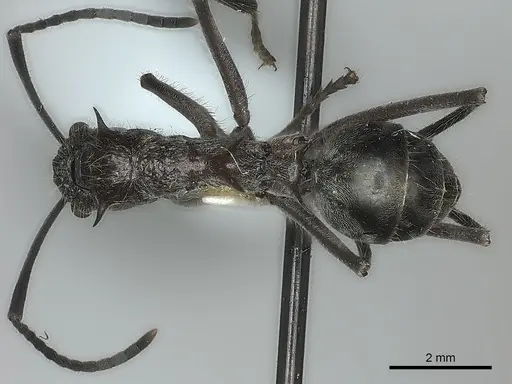
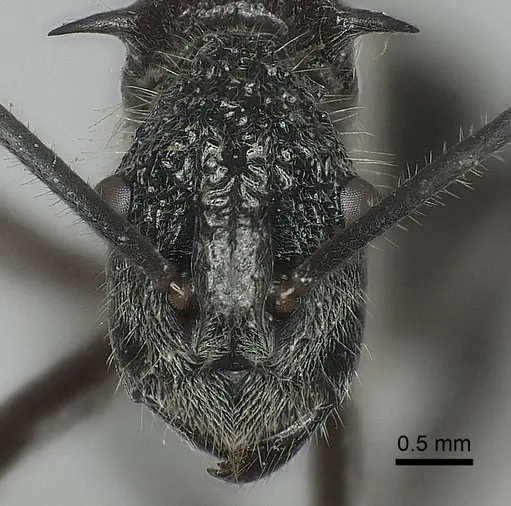
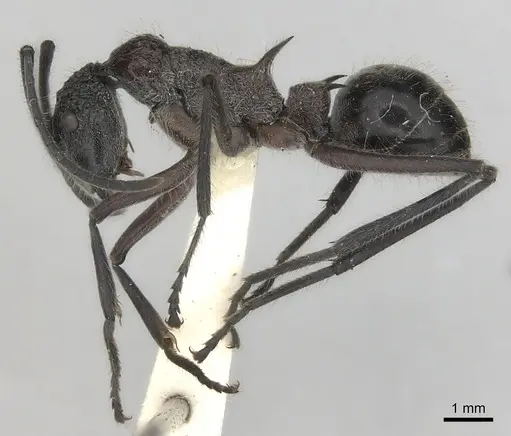
CASENT0901817
View on AntWeb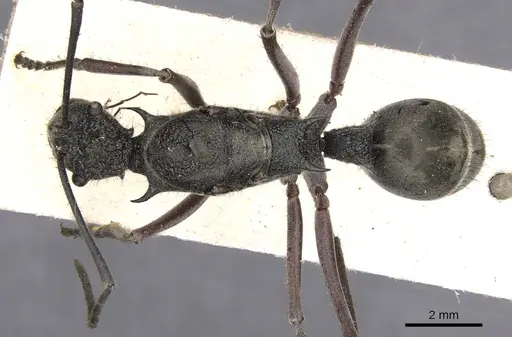
CASENT0903364
View on AntWeb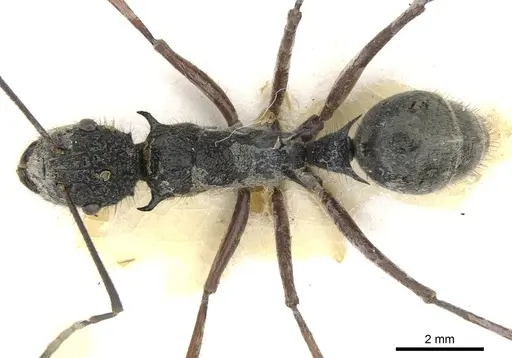
CASENT0903365
View on AntWeb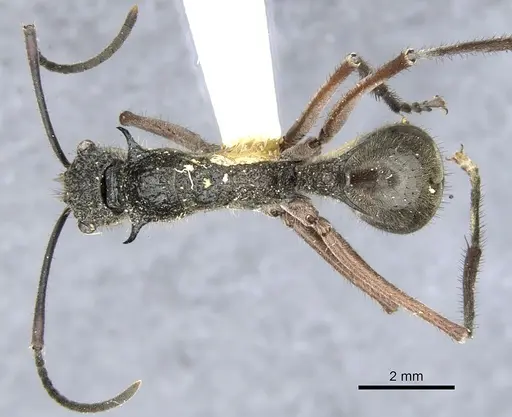
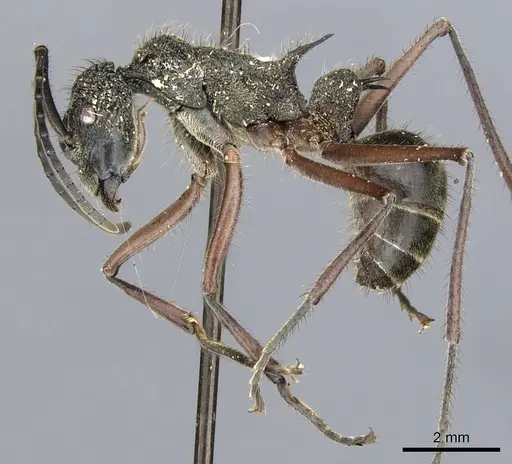
CASENT0905596
View on AntWeb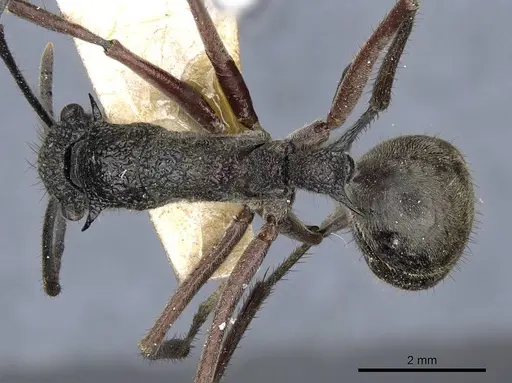
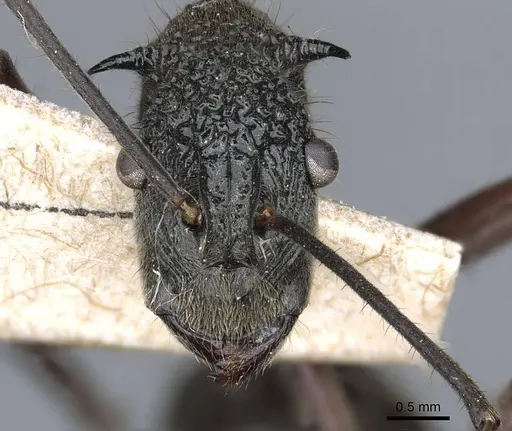
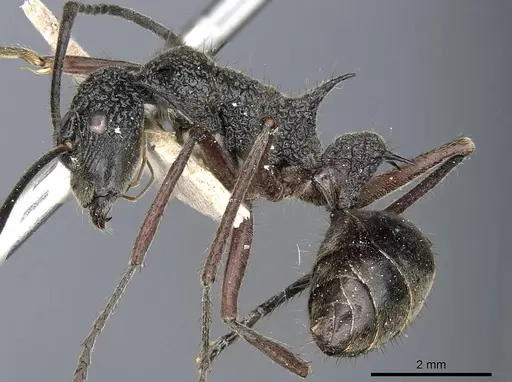
FOCOL0578
View on AntWeb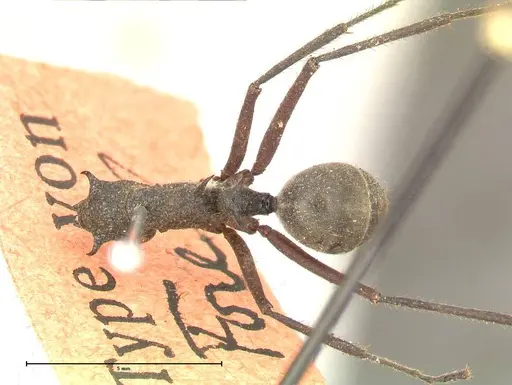
Literature
Loading distribution map...Loading products...