
Polyrhachis bismarckensis
- Sci. Name
- Polyrhachis bismarckensis
- Subgenus
- Myrmhopla
- Tribe
- Camponotini
- Subfamily
- Formicinae
- Author
- Forel, 1901
- Distribution
- Found in 1 countries
Introduction
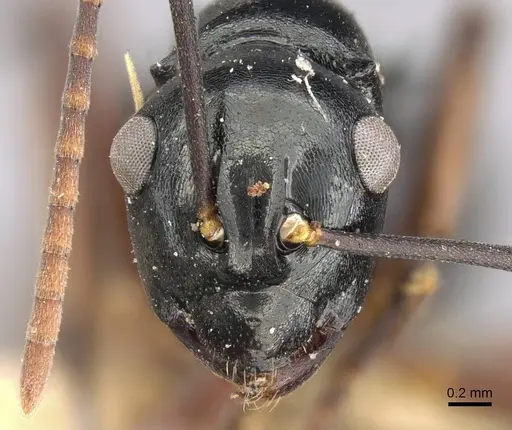
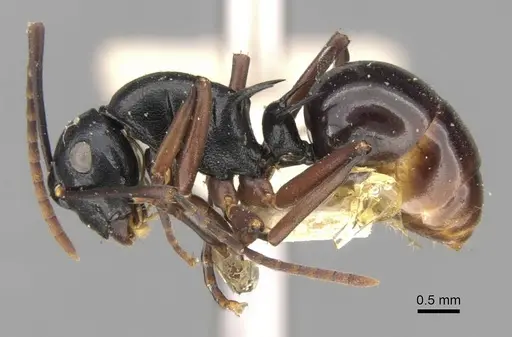
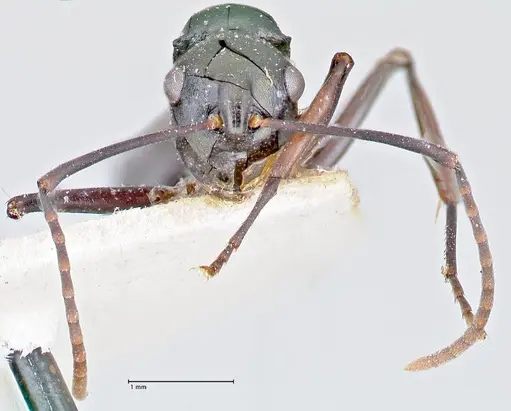
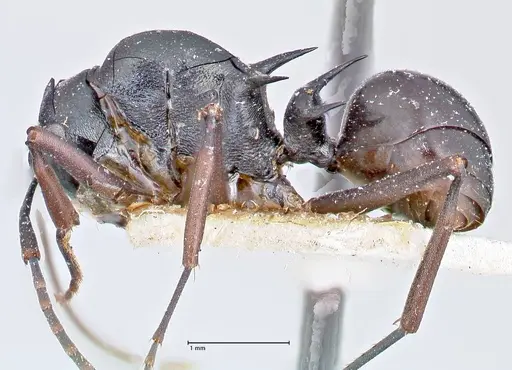
Polyrhachis bismarckensis is a tropical arboreal ant native to the Bismarck Archipelago and Papua New Guinea region . It belongs to the subgenus Myrmhopla (mucronata-group) and has distinctive curved spines and a metallic sheen . Size data is unavailable for this species, but inferred from Polyrhachis genus patterns to be around 6-12mm for workers and 10-12mm for queens. These ants build nests in trees using silk to bind leaves, and colonies often occupy multiple connected nests .
Quick Summary
- Difficulty: Medium
- Origin & Habitat: Native to New Britain and Papua New Guinea, living in tropical arboreal habitats where they build silk nests in trees and shrubs [1][2].
- Colony Type: Polygyne, colonies contain multiple queens that work together [3]. The species is polydomous, meaning colonies occupy multiple connected nests across their territory [2].
- Size & Growth:
- Queen: Inferred from Polyrhachis genus, ~10-12mm
- Worker: Inferred from Polyrhachis genus, ~6-12mm
- Colony: Up to several hundred workers, estimated from related polygyne Polyrhachis species
- Growth: Moderate
- Development: Estimated 6-8 weeks at 25-28°C based on related Polyrhachis species [4] (Development time is estimated, direct measurements unavailable for this species)
- Antkeeping:
- Temperature: Keep warm, roughly 24-28°C, as a tropical species. Create a temperature gradient using a heating cable on one side of the nest [2].
- Humidity: Maintain moderate humidity by keeping the nest substrate slightly moist but not waterlogged. Mist the outworld regularly [2][3].
- Diapause: No, this tropical species does not require hibernation. Keep temperatures consistent year-round.
- Nesting: Arboreal setup is ideal. Provide vertical space with branches, cork bark, or a Y-tong nest with added elements. They use silk to construct nests, so include materials like small leaves or cotton [2].
- Behavior: Generally peaceful and non-aggressive. Workers are active foragers that search for honeydew and small prey. They lack a functional sting and spray formic acid from an acidopore, typical of Formicinae. Escape risk is moderate due to their size and climbing ability. Polygyne colonies are stable with multiple queens [3].
- Common Issues: tropical temperature requirements mean colonies can struggle in cool rooms, heating is essential, arboreal setup needs vertical space and enrichment, horizontal-only nests may limit development, polygyne colonies can be sensitive to disturbance during queen establishment, avoid frequent inspections, silk-nesting behavior requires appropriate materials, without suitable options, they may not thrive, humidity balance is critical, too wet causes mold, too dry causes desiccation
Housing and Nest Setup
Polyrhachis bismarckensis requires an arboreal-focused setup that mimics their tree-dwelling lifestyle. Provide vertical space with branches, cork bark, or a Y-tong nest with added chambers. Include materials like small leaves, cotton, or dried moss for silk nest construction. Ensure the outworld has branches or mesh for foraging at different heights. Escape prevention should be moderate, these ants are agile climbers [2].
Feeding and Diet
Offer a varied diet: sugar water or honey for constant energy, and small insects like fruit flies or mealworms for protein 2-3 times per week. Provide fresh water always. Remove uneaten prey after 24 hours to prevent mold [4].
Temperature and Heating
Keep temperatures between 24-28°C using a heating cable on one side of the nest to create a gradient. Avoid direct heat or temperatures above 32°C. Consistent warmth is key for this tropical species [2].
Colony Structure and Multi-Queen Care
This species is polygyne, with multiple queens coexisting in a colony [3]. Avoid combining unrelated foundress queens, as they may fight. Maintain the existing queen structure if starting with a wild colony. Polygyne colonies are also polydomous, using multiple nests [2].
Silk Nesting Behavior
Workers produce silk from labial glands to bind leaves or materials into nest chambers. Provide small leaf pieces, cotton, or tissue paper for them to manipulate. This behavior is natural and encourages nest-building [2].
Growth and Development
After queen establishment, first workers emerge in about 6-8 weeks at optimal temperatures. Growth accelerates with nanitics assisting in foraging. Polygyne colonies grow faster due to multiple egg-layers. Avoid disturbing the queen during founding to prevent stress [4].
Frequently Asked Questions
How long does it take for Polyrhachis bismarckensis to produce first workers?
At optimal temperatures (24-28°C), expect first workers in approximately 6-8 weeks after the queen begins laying eggs. This estimate is based on related Polyrhachis species [4].
Can I keep multiple queens together in one colony?
Yes, this species is naturally polygyne, meaning colonies contain multiple queens that work together [3]. Avoid combining unrelated queens, as they may fight.
What temperature do Polyrhachis bismarckensis ants need?
Keep them at 24-28°C with a temperature gradient. Use a heating cable on one side of the nest and monitor with a thermometer [2].
Do Polyrhachis bismarckensis ants need hibernation?
No, this tropical species does not require diapause. Keep temperatures consistent year-round.
What do Polyrhachis bismarckensis ants eat?
They accept sugar water or honey for energy, and small insects like fruit flies or mealworms for protein. Offer sugar constantly and protein 2-3 times per week [4].
Are Polyrhachis bismarckensis good for beginners?
This species is rated medium difficulty due to arboreal setup, warmth, and humidity needs. Experience with previous ant species is recommended.
What type of nest should I use for Polyrhachis bismarckensis?
An arboreal setup works best, such as a Y-tong nest with vertical elements and cork bark. Provide materials for silk nest construction [2].
How big do Polyrhachis bismarckensis colonies get?
Colonies can reach up to several hundred workers over 1-2 years with good care, based on related polygyne Polyrhachis species [3].
Why are my Polyrhachis bismarckensis dying?
Common causes include temperatures below 24°C, low humidity, mold from excess moisture, or poor ventilation. Check heating, humidity balance, and nest airflow.
When should I move my colony to a formicarium?
Move when the colony reaches roughly 50-100 workers and the test tube is crowded. Ensure the new setup has vertical space for arboreal nesting.
Report an Issue
The current care sheet is based fully on literature. See inconsistencies, or something that's incorrect? Please , it will be resolved after review from an admin. Contributing to the blogs tab also helps providing information, to make us be able to further improve the caresheets. Thank you for your support!
References

This caresheet is licensed under CC BY-SA 4.0 .
Community Blogs
CASENT0906771
View on AntWeb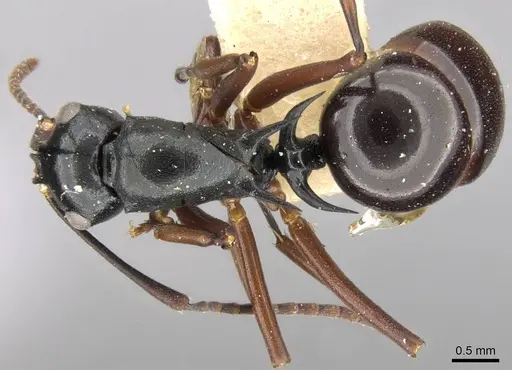
FOCOL2664
View on AntWeb
Literature
Loading distribution map...Loading products...