Polyrhachis bicolor shows a January to December flight window. Peak activity occurs in September, with nuptial flights distributed across 9 months. This extended season suggests multiple flight events or varying conditions across its range.

Polyrhachis bicolor
- Sci. Name
- Polyrhachis bicolor
- Subgenus
- Myrmhopla
- Tribe
- Camponotini
- Subfamily
- Formicinae
- Author
- Smith, 1858
- Distribution
- Found in 11 countries
- Nuptial Flight
- From January to December
- Peak flight Time
- 07:00
AI Identifiable
try →
Introduction
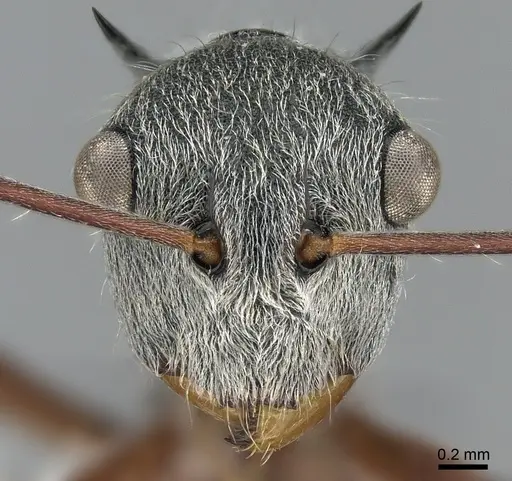
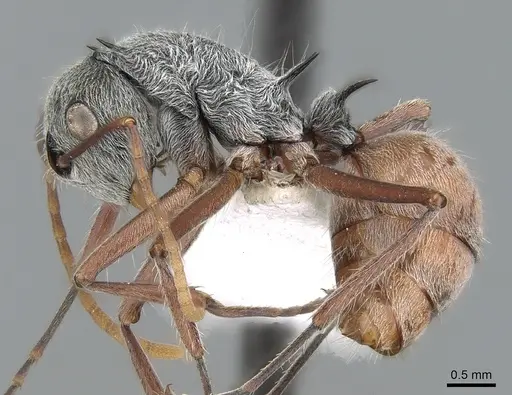
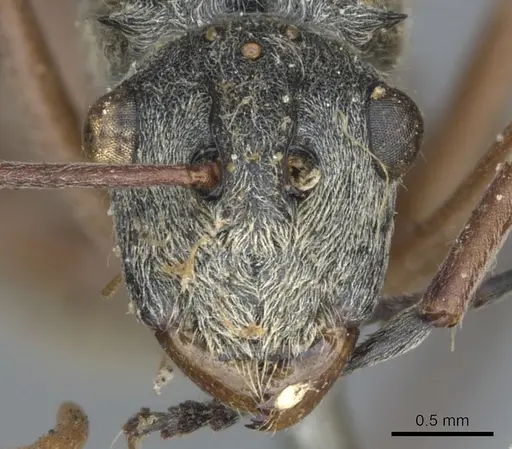
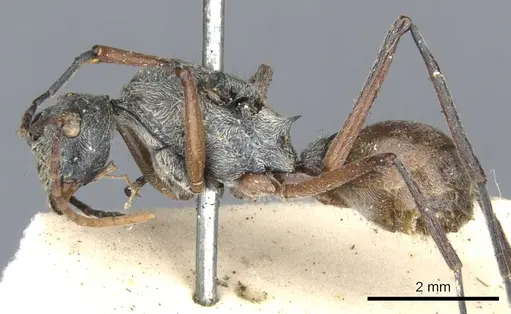
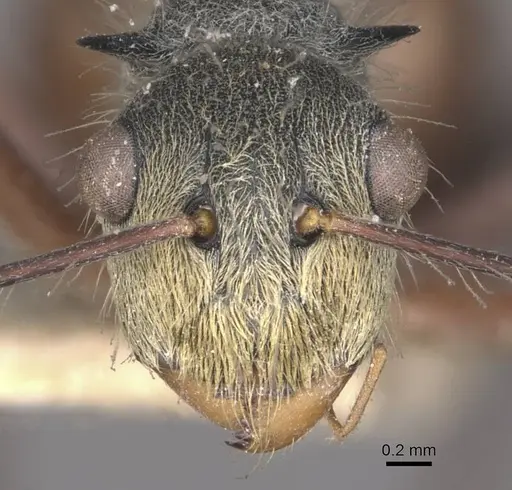
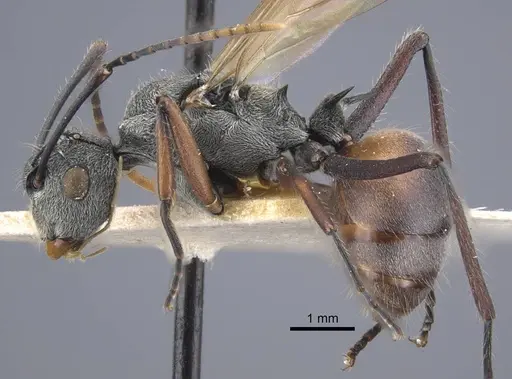
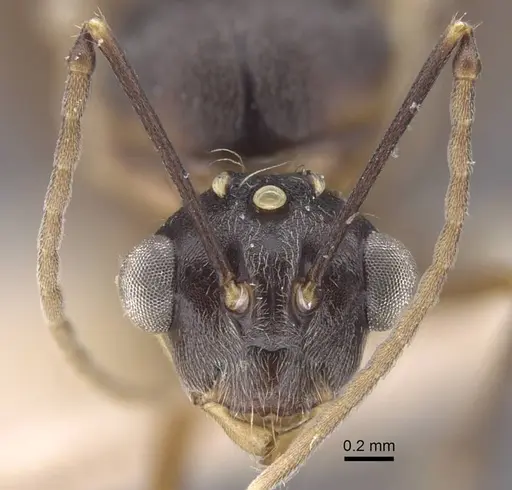
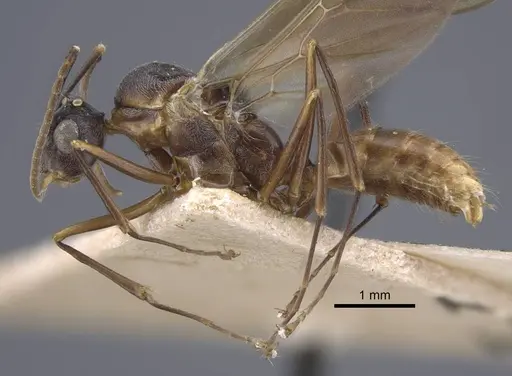
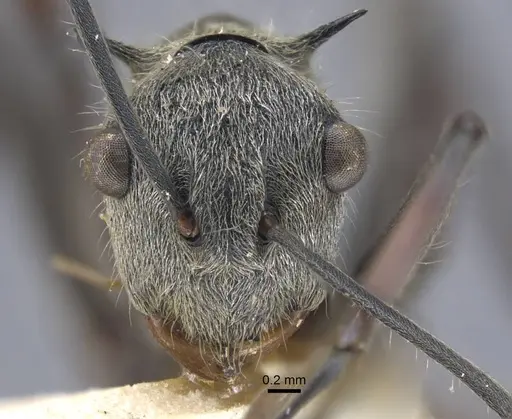
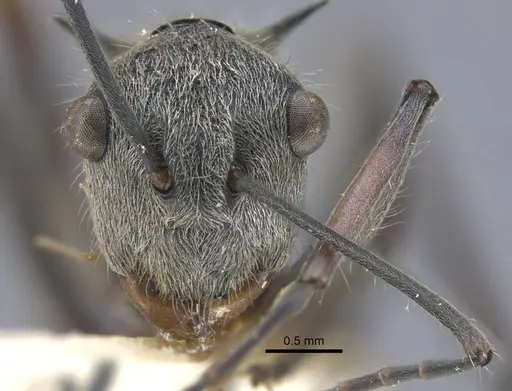
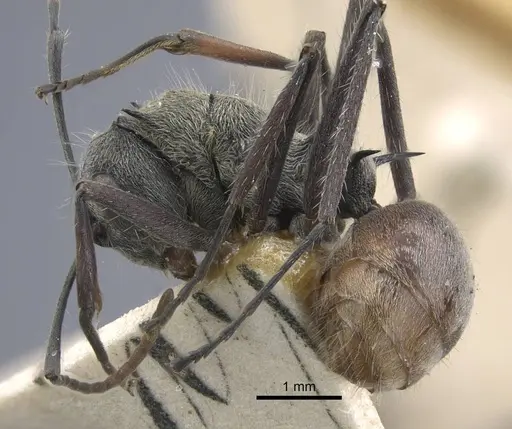
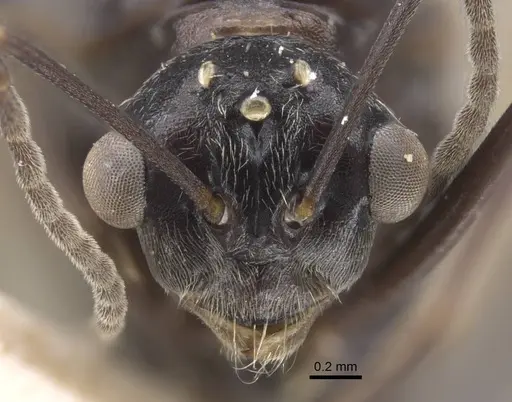
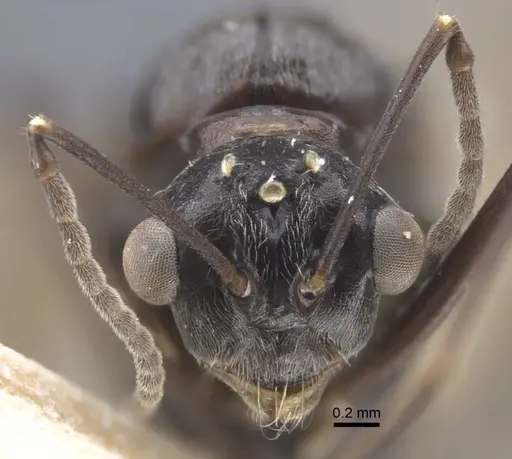
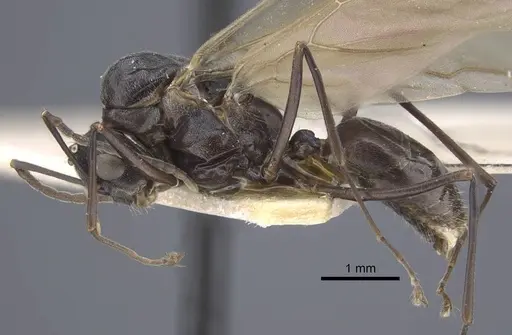
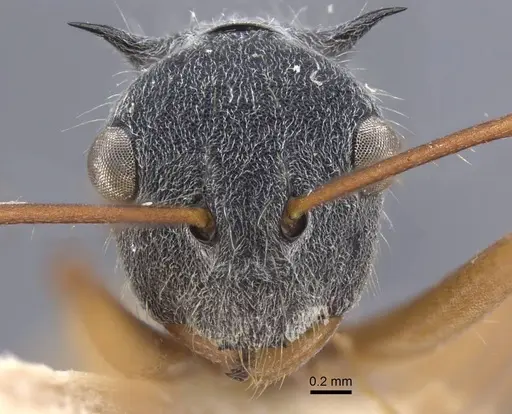
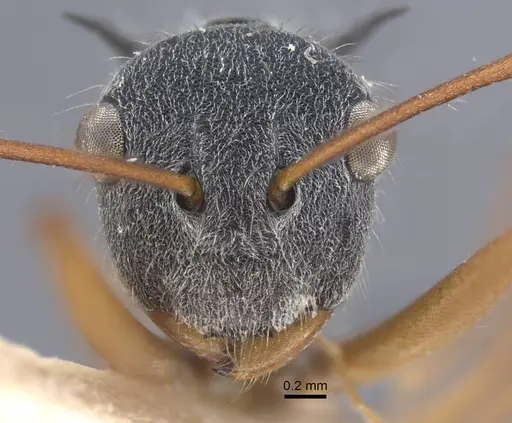
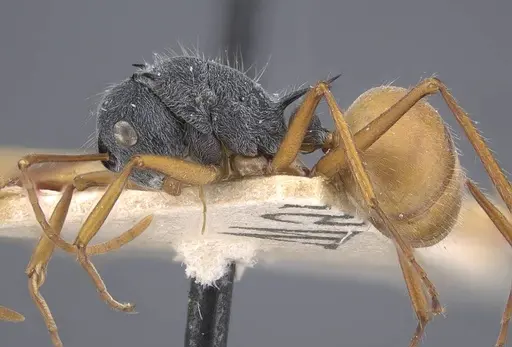
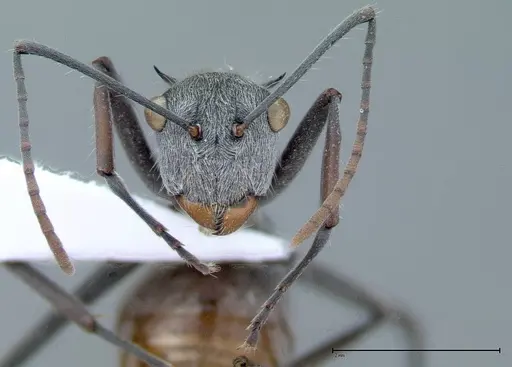
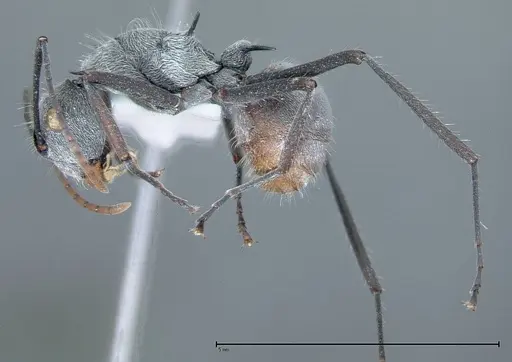
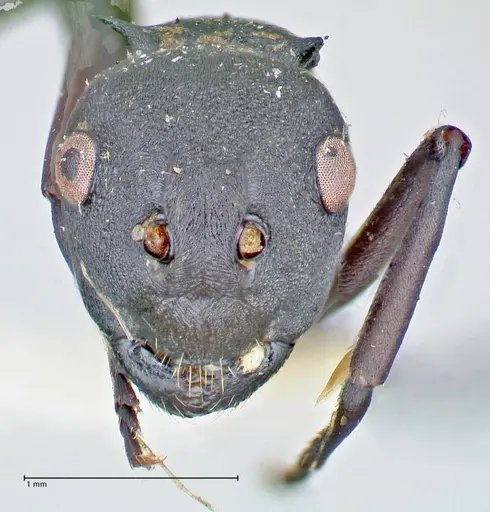
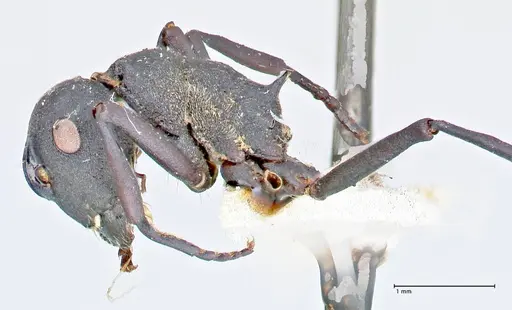
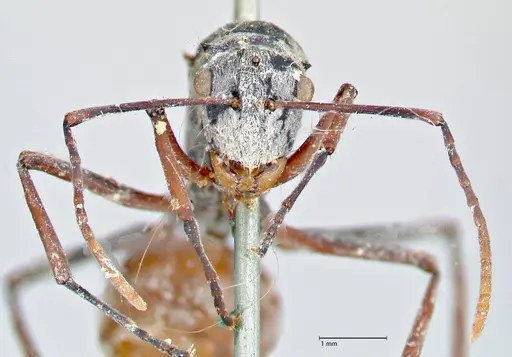
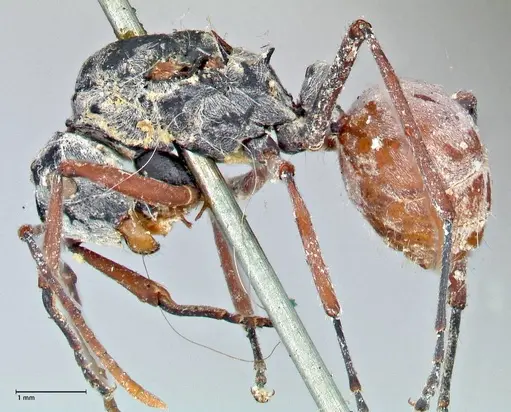
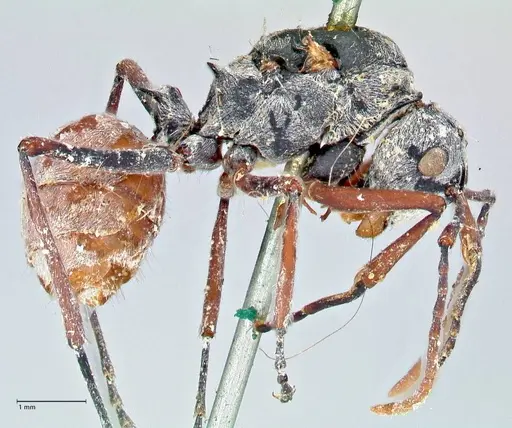
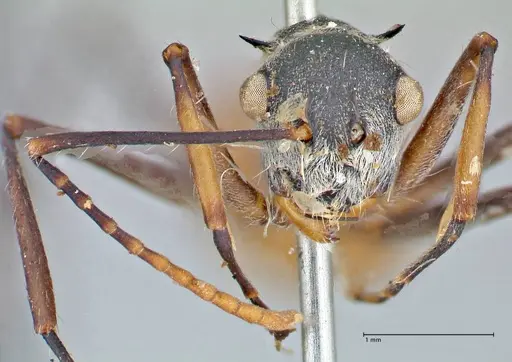
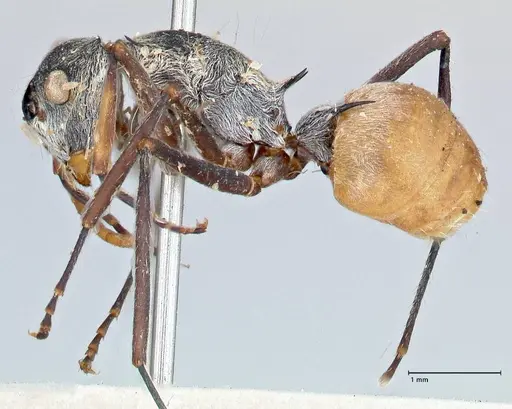
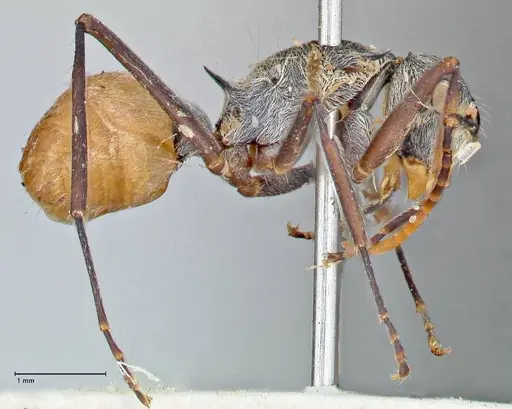
Polyrhachis bicolor is a striking weaver ant with a two-tone look. Workers are 6–7 mm long from head to tip of abdomen . Their head, middle body, and petiole are black, while their mandibles, antennae, legs, and gaster are warm orange to reddish-brown . They belong to the subgenus Myrmhopla and weave their nests by using silk from their own larvae to bind leaves and other plant bits together . The workers have noticeable spines on their shoulders, propodeum, and petiole, giving them a spiny appearance . What makes this species interesting is its polydomous colony structure – a single colony spreads across multiple woven nests in the foliage of rainforest trees and shrubs . It ranges from Southeast Asia through Indonesia and New Guinea to northern Australia, especially around Darwin in the Northern Territory .
Quick Summary
- Difficulty: Medium
- Origin & Habitat: Native to Southeast Asia (including Thailand, Myanmar, Laos, Vietnam, Philippines, Indonesia), New Guinea, and northern Australia (Northern Territory). Inhabits monsoon rainforests and lowland forests, where it builds silk-and-debris nests in the canopy of trees and shrubs [1][4][5].
- Colony Type: Monogyne – single queen per colony. The colony is polydomous, meaning it maintains multiple nest sites connected by trails [3].
- Size & Growth:
- Queen: 8.97 mm [1]
- Worker: 6.00–7.06 mm [1]
- Colony: Not documented in scientific literature, likely no more than a few hundred workers based on related Polyrhachis
- Growth: Moderate
- Development: Approximately 6–8 weeks at optimal temperatures (25–28°C), based on typical tropical Polyrhachis development (Development is highly temperature‑dependent. Exact timeline for this species has not been recorded.)
- Antkeeping:
- Temperature: Tropical species that requires stable warmth. Keep at 24–28°C. A heating cable on one side of the nest helps create a gradient [1][4].
- Humidity: Moderate to high humidity. Mist the enclosure occasionally but ensure good ventilation, as the ants nest in open foliage. Keep the nest substrate damp but not waterlogged [1][5].
- Diapause: No – as a tropical species, Polyrhachis bicolor does not need hibernation. Can be kept at stable warm temperatures year‑round [4].
- Nesting: Arboreal setup is essential. Provide branches, artificial leaves, or dried foliage for them to weave into nests. A Y‑tong or plaster nest with added vertical space works, but a canopy‑style enclosure with plenty of attachment points is best [1][3].
- Behavior: Active, diurnal, and moderately aggressive when defending the nest. Workers forage in groups, using short‑term trails and group recruitment [6]. They collect fruit, sap, small prey, and dead insects [6]. Their primary defense is a bite followed by a spray of formic acid (typical of Formicinae). They are medium‑sized (6–7 mm) and not skilled escape artists, so standard barriers are sufficient.
- Common Issues: arboreal setup is mandatory – ground‑only nests will not be accepted, polydomous colonies may look like they are splitting, but this is normal – avoid interfering, weaving requires healthy larvae, a colony without brood cannot build nests, tropical humidity must be balanced with ventilation to prevent mold, queens may be attracted to moving objects (e.g., a finger) and leave the nest – avoid unnecessary disturbance [9]
Nuptial Flight Activity Analysis 53 observations
Flight Activity by Hour 53 observations
Polyrhachis bicolor nuptial flight activity peaks around 07:00 during the morning. Activity is spread across a 22-hour window (00:00–21:00). Times may be influenced by human observation patterns.
Housing and Nest Setup
Polyrhachis bicolor needs an arboreal setup that mimics its natural canopy life. Unlike soil‑dwelling ants, these weaver ants build nests among leaves. Provide branches, artificial leaves, or dried plant stems that workers can weave together. A naturalistic enclosure with vertical space (e.g., a large container with netting and attached foliage) works best. You can supplement with small pieces of paper, fabric, or dried leaves for weaving. A test tube is only suitable for a founding queen, once workers appear, transfer them to a proper arboreal nest. Y‑tong (AAC) or plaster nests can be used if they include tall chambers and mesh for attaching foliage [1][3].
Feeding and Diet
Polyrhachis bicolor is an omnivore. In the wild it collects fruit, tree sap, small prey, and dead insects [6]. Offer sugar sources (honey water, sugar water, ripe fruit) and protein (small crickets, fruit flies, mealworms). Fresh banana or mango is often accepted. Protein should be offered 2–3 times per week. Remove uneaten food after 24 hours to prevent mold. These ants use group recruitment, so place food where foragers can find it and recruit nestmates [6]. They are not picky eaters and will accept most standard ant foods.
Temperature and Humidity
As a tropical species, Polyrhachis bicolor needs warmth. Keep the nest at 24–28°C. Use a heating cable on one side to create a gradient. For humidity, aim for a moist substrate but ensure good airflow – this species nests in open foliage and does not tolerate stagnant air. Mist the enclosure every few days, but avoid waterlogging. A water tube provides drinking water [1][4].
Weaver Behavior and Colony Structure
One of the most interesting traits of Polyrhachis bicolor is its weaving behavior. Workers use silk from larvae to bind leaves and debris into nest chambers [2][8]. This requires a healthy colony with larvae present. The colony is polydomous, meaning it maintains several connected nests spread across the enclosure [3]. This is normal – do not mistake it for a split or decline. Workers will move brood and themselves between nests as needed.
Growth and Development
Colony growth is moderate. A newly mated queen probably relies on stored reserves, but observations suggest she may need occasional feeding [7]. After the first workers appear, the colony grows slowly. Development from egg to worker takes about 6–8 weeks at 25–28°C (an estimate based on related Polyrhachis). The queen can live for many years. Patience is needed – it may take several months to reach 20–30 workers.
Handling and Temperament
Polyrhachis bicolor workers are not especially aggressive toward keepers. They will flee if disturbed but defend the nest if provoked. Their defense is a bite plus a spray of formic acid, which can irritate skin. At 6–7 mm, they are easy to contain with standard barriers (fluon, vaseline). When foraging, they are active and use group recruitment – you will see trails form once food is found. Occasionally a queen can be lured away by a moving object (e.g., a finger), so avoid tapping the nest [9].
Frequently Asked Questions
Can I keep Polyrhachis bicolor in a test tube setup?
A test tube is fine for a founding queen, but once workers appear, you must move them to an arboreal setup with materials they can weave into nests [3].
How long does it take for first workers to appear?
Based on typical tropical Polyrhachis, first workers emerge about 6–8 weeks after the queen lays eggs at 25–28°C. Cooler temperatures will slow development.
What do Polyrhachis bicolor eat?
They are omnivores. Offer sugar sources (honey, sugar water, fruit) and protein (small insects like fruit flies, crickets, mealworms). In the wild they also collect sap and dead insects [6].
Are Polyrhachis bicolor good for beginners?
They are rated as medium difficulty. The main challenge is providing the right arboreal setup with weaving materials. Once that is set up, they are not particularly demanding.
Do they need hibernation or diapause?
No, they are tropical and do not need hibernation. Keep them at 24–28°C year‑round [4].
Why is my colony making multiple nests?
This is normal for Polyrhachis bicolor. They are polydomous – a single colony maintains several nests connected by trails [3]. It shows the colony is healthy and expanding.
When should I move them to a formicarium?
Move them to an arboreal setup as soon as the first workers appear and start foraging. Provide weaving materials from the start so they can build nests naturally [3].
How big do colonies get?
Colony size is not well documented. Based on related Polyrhachis, they likely reach a few hundred workers over several years. The queen can live for many years.
Can I keep multiple queens together?
No, Polyrhachis bicolor is monogyne – colonies have a single queen. Multiple queens would fight [3].
When is the nuptial flight of Polyrhachis bicolor?
The nuptial flight of Polyrhachis bicolor typically occurs From January to December.
What time of day does Polyrhachis bicolor fly?
The nuptial flight of Polyrhachis bicolor peaks around 07:00 during the morning, with most activity between 00:00 and 21:00. Times may be influenced by human observation patterns.
Report an Issue
The current care sheet is based fully on literature. See inconsistencies, or something that's incorrect? Please , it will be resolved after review from an admin. Contributing to the blogs tab also helps providing information, to make us be able to further improve the caresheets. Thank you for your support!
References

This caresheet is licensed under CC BY-SA 4.0 .
Community Blogs
CASENT0281406
View on AntWeb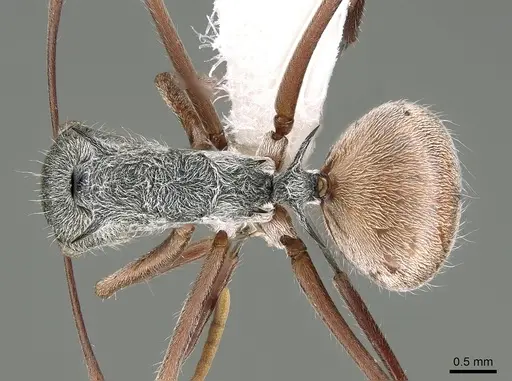
CASENT0903387
View on AntWeb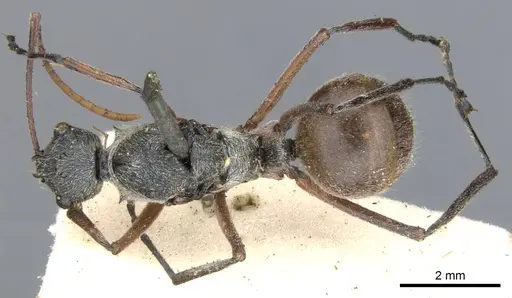
CASENT0910880
View on AntWeb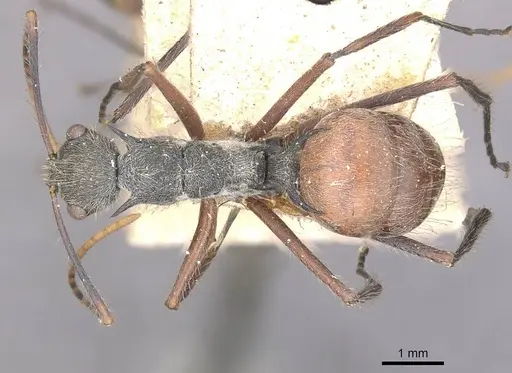
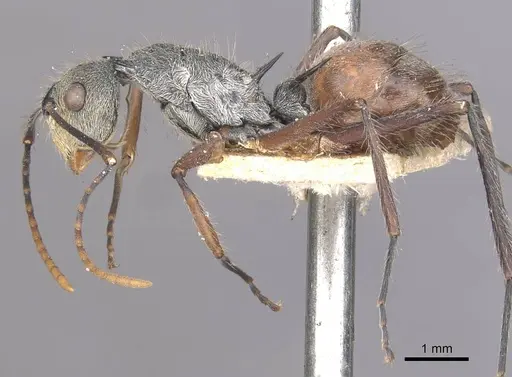
CASENT0910881
View on AntWeb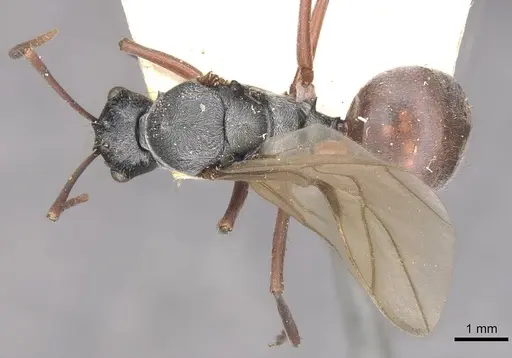
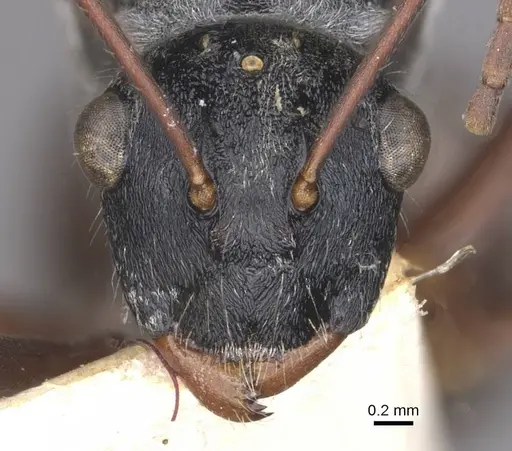
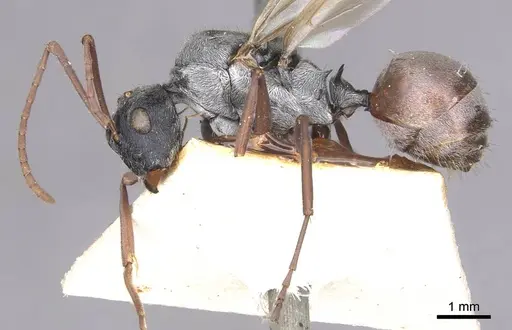
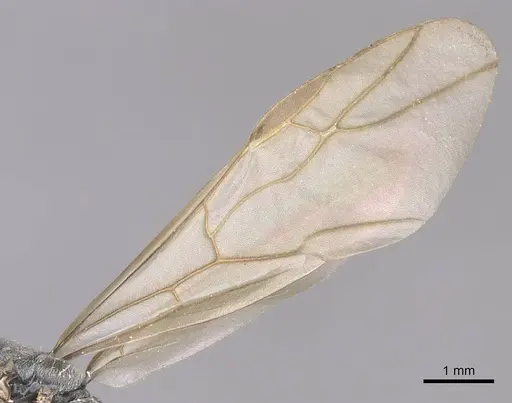
CASENT0917188
View on AntWeb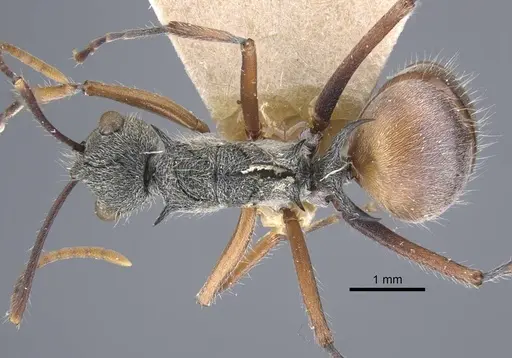
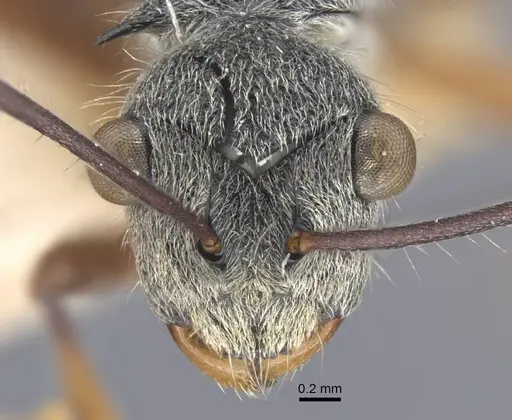
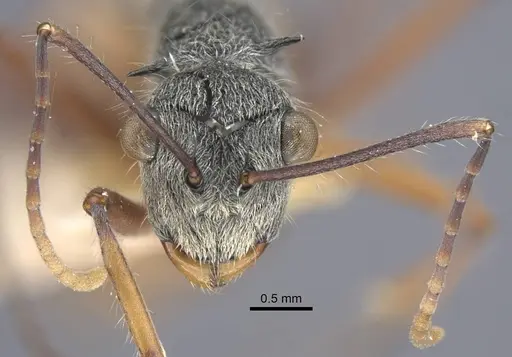
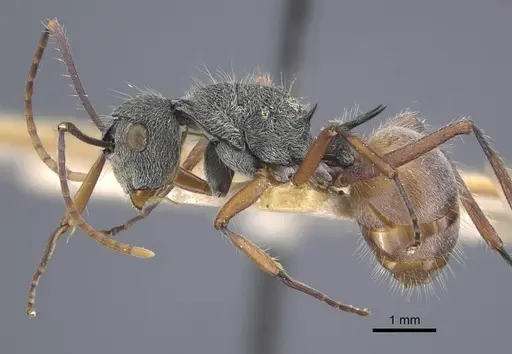
CASENT0917189
View on AntWeb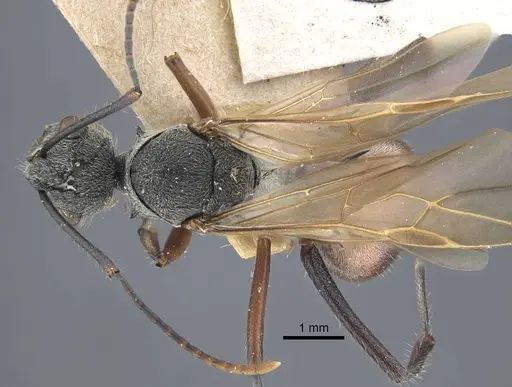
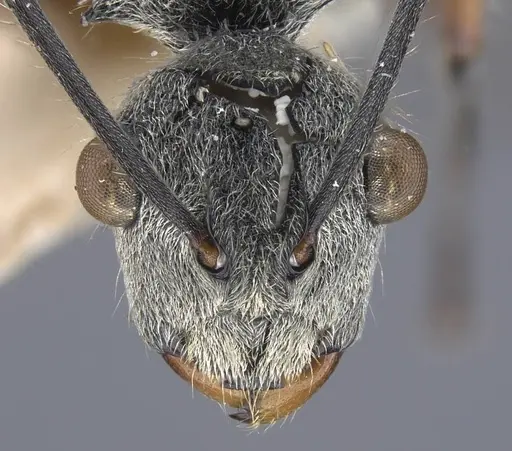
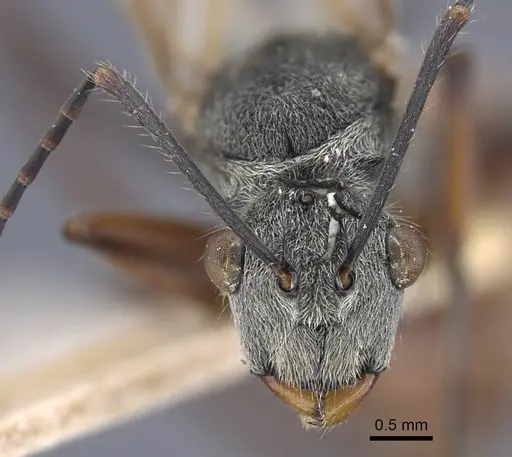
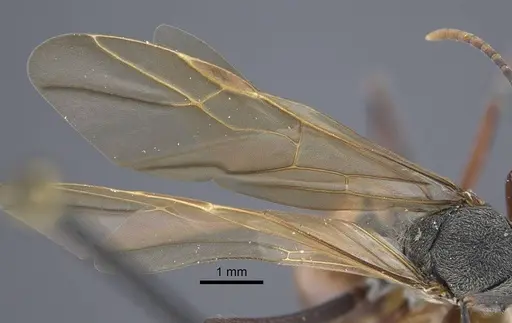
CASENT0917190
View on AntWeb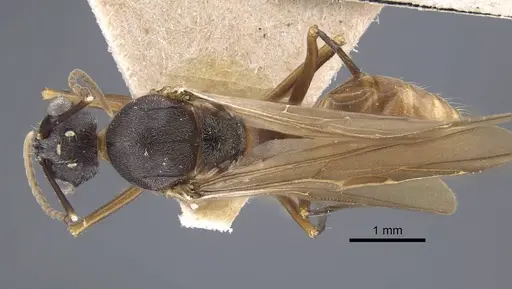
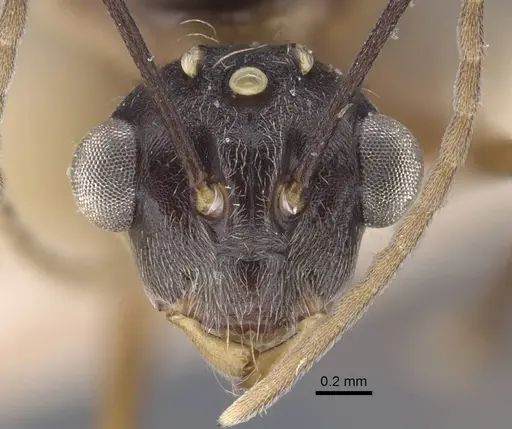
CASENT0917191
View on AntWeb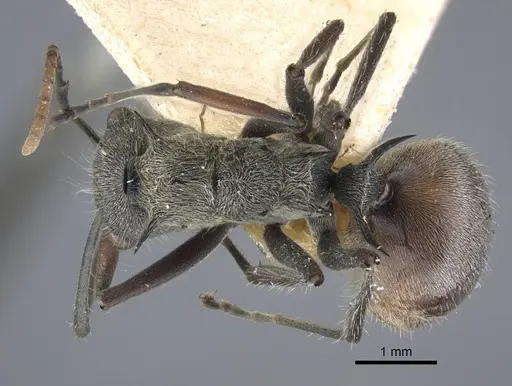
CASENT0917192
View on AntWeb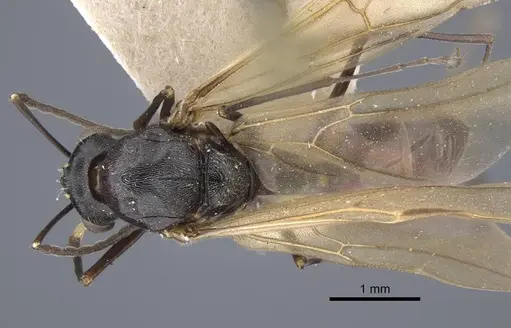
CASENT0917193
View on AntWeb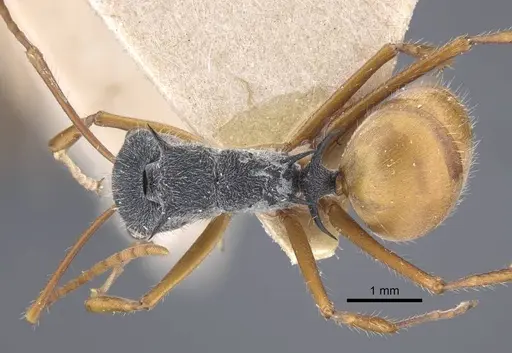
FOCOL0051
View on AntWeb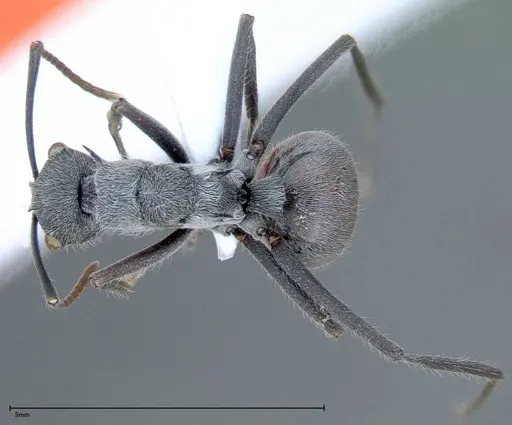
FOCOL2642
View on AntWeb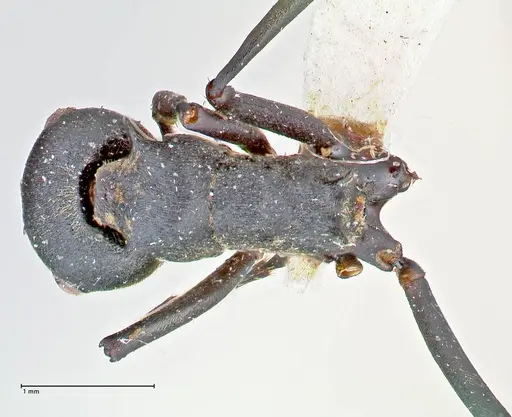
FOCOL2650
View on AntWeb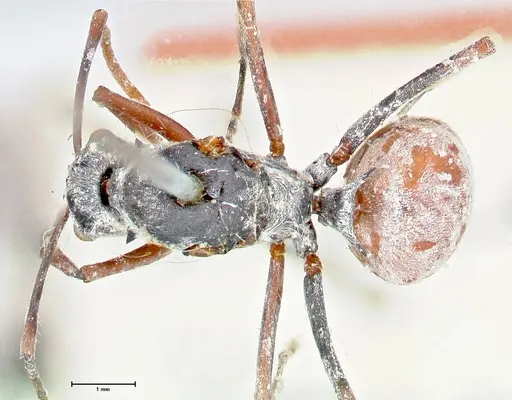
FOCOL2651
View on AntWeb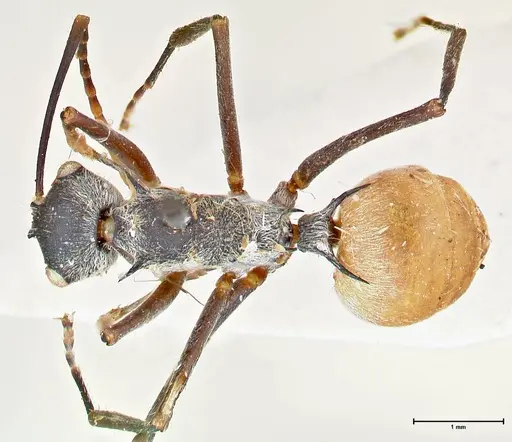
Literature
Loading distribution map...Loading products...