
Polyrhachis banghaasi
- Sci. Name
- Polyrhachis banghaasi
- Subgenus
- Myrmhopla
- Tribe
- Camponotini
- Subfamily
- Formicinae
- Author
- Viehmeyer, 1922
- Distribution
- Found in 1 countries
Introduction
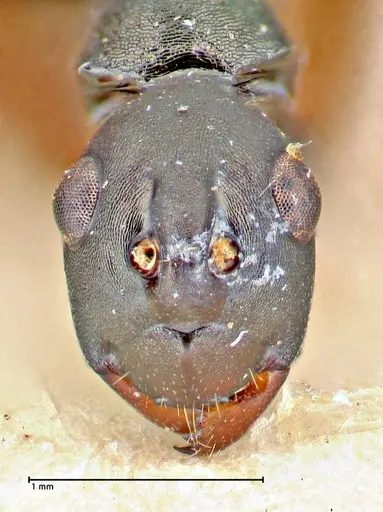
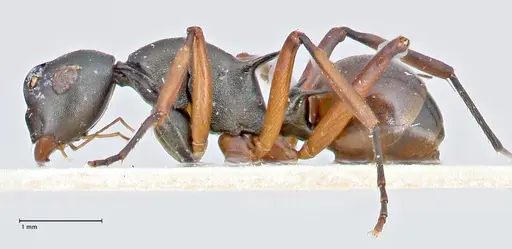
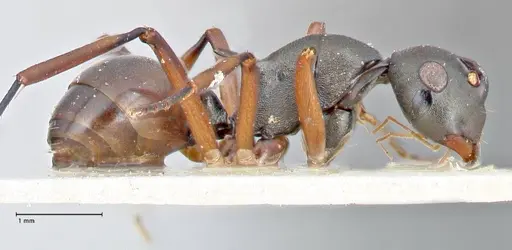
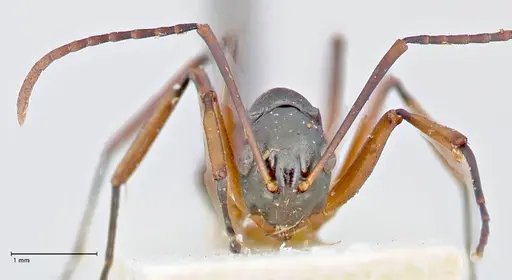
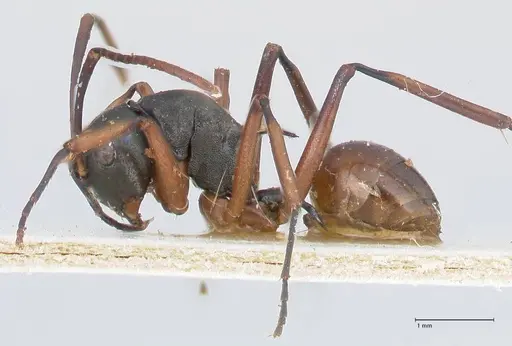
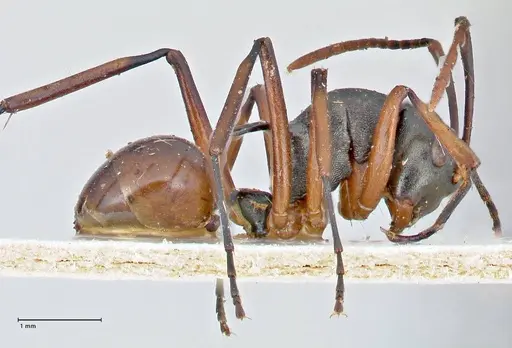
Polyrhachis banghaasi is a tropical ant species in the subgenus Myrmhopla, known for spiny thorax protrusions and an arboreal lifestyle . Workers are small, and this species is found in the Indomalaya region, including Borneo, Brunei, Indonesia, Malaysia, and the Philippines . The genus Polyrhachis is generally docile, making it suitable for keepers seeking a calmer species.
Quick Summary
- Difficulty: Medium
- Origin & Habitat: Native to the Indomalaya region, Borneo, Brunei, Indonesia, Malaysia, and the Philippines, in rainforest environments [1][2][3].
- Colony Type: Colony structure is unconfirmed. Based on typical Polyrhachis patterns, likely single-queen colonies.
- Size & Growth:
- Queen: Size data unavailable, no body length measurements provided in research.
- Worker: Size data unavailable, no body length measurements provided in research.
- Colony: Unknown, no colony size data available for this species.
- Growth: Unknown, no development data available.
- Development: Unconfirmed, no direct measurements available. (Development timeline is unknown, maintain optimal conditions for tropical species.)
- Antkeeping:
- Temperature: Keep warm, roughly 24-28°C, based on tropical habitat inference. Use a heating cable to create a gradient if needed.
- Humidity: Maintain moist substrate conditions, as this species is from rainforest habitats [1][2]. Keep substrate damp but not waterlogged.
- Diapause: No, tropical species do not require hibernation [1][2].
- Nesting: Based on subgenus Myrmhopla patterns, likely arboreal or semi-arboreal. Provide Y-tong or plaster nests that hold humidity [1][2].
- Behavior: Generally docile and non-aggressive, based on genus patterns. Workers use spines for defense and may spray formic acid, typical of Formicinae. Escape risk is moderate due to climbing ability, ensure smooth barriers.
- Common Issues: low humidity can kill colonies quickly, maintain moist substrate, temperature drops below 24°C can be fatal, keep warm year-round, mold from overwatering is a risk, avoid waterlogged conditions, wild-caught colonies may have parasites, monitor health, slow growth may require patience, no specific data on development
Nest Preferences
Polyrhachis banghaasi belongs to the subgenus Myrmhopla, which often nests in vegetation, dead wood, or under bark [1][2]. In captivity, use Y-tong or plaster nests to maintain humidity. Provide snug chambers and some vertical space for arboreal tendencies. A test tube setup can work for founding colonies, but transition to a proper nest as the colony grows.
Feeding and Diet
Based on genus patterns, these ants are likely omnivorous, preferring honeydew and small insects. Offer sugar water or honey regularly, and provide protein like fruit flies or small mealworms. Feed every 2-3 days and remove uneaten food to prevent mold. Specific diet data is lacking, so observe your colony's preferences.
Temperature and Care
As a tropical species from Borneo and surrounding regions, keep temperatures warm year-round, roughly 24-28°C. Use a heating cable for a gradient if room temperature is low. Avoid cold drafts or air conditioning. No diapause is needed [1][2].
Behavior and Temperament
Polyrhachis ants are docile compared to other genera, using spines for defense rather than aggressive biting. They are moderately active foragers and may spray formic acid if threatened, typical of Formicinae. Escape prevention is important due to climbing ability, ensure smooth barriers on your setup.
Frequently Asked Questions
How long does it take for Polyrhachis banghaasi to produce first workers?
The exact timeline is unconfirmed. No species-specific data exists, so maintain optimal tropical conditions and observe your colony.
Can I keep Polyrhachis banghaasi in a test tube?
Yes, test tubes work for founding colonies. Ensure moderate water reservoir and firm cotton. Move to a proper nest like Y-tong or plaster once the colony grows, as they need humidity maintenance.
What do Polyrhachis banghaasi eat?
They are likely omnivorous. Offer sugar water or honey for carbohydrates, and small insects like fruit flies for protein. Specific preferences are unknown, so adjust based on observation.
Are Polyrhachis banghaasi good for beginners?
This species is rated medium difficulty due to humidity and temperature needs. It is docile, but limited care information may require experimentation.
Do Polyrhachis banghaasi need hibernation?
No, they do not require hibernation as a tropical species [1][2]. Maintain warm temperatures year-round.
How big do Polyrhachis banghaasi colonies get?
Colony size is unknown, as no research documents maximum size for this species.
When do Polyrhachis banghaasi have nuptial flights?
Nuptial flight timing is unconfirmed for this species. As a tropical species, it may occur year-round in warm, humid conditions, but no specific data exists.
Why are my Polyrhachis banghaasi dying?
Common causes include low humidity, temperatures below 24°C, mold from overwatering, or parasites in wild-caught colonies. Check your setup for consistent warmth and moisture.
Can I keep multiple Polyrhachis banghaasi queens together?
Colony structure is unconfirmed. Based on genus patterns, they likely have single-queen colonies, so combining queens is not recommended without study.
Report an Issue
The current care sheet is based fully on literature. See inconsistencies, or something that's incorrect? Please , it will be resolved after review from an admin. Contributing to the blogs tab also helps providing information, to make us be able to further improve the caresheets. Thank you for your support!
References

This caresheet is licensed under CC BY-SA 4.0 .
Community Blogs
FOCOL2666
View on AntWeb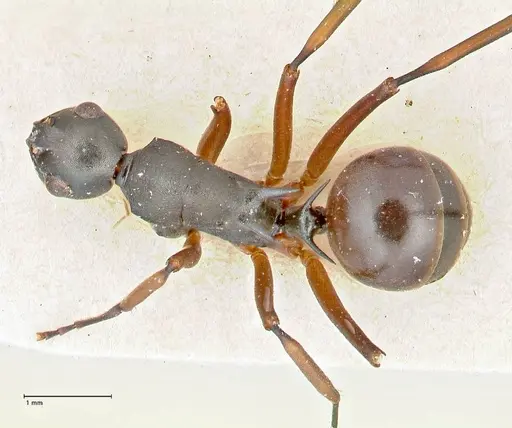
FOCOL2667
View on AntWeb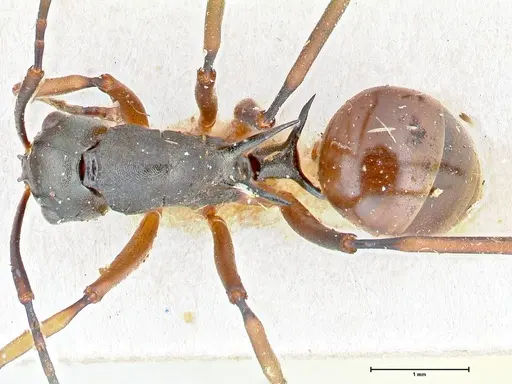
Literature
Loading distribution map...Loading products...