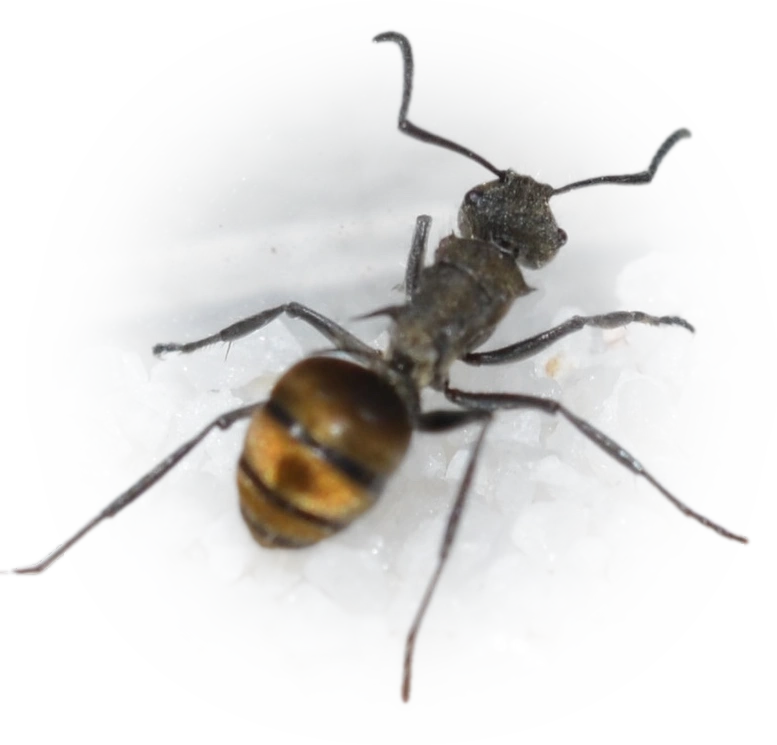
Polyrhachis aurea
- Sci. Name
- Polyrhachis aurea
- Subgenus
- Chariomyrma
- Tribe
- Camponotini
- Subfamily
- Formicinae
- Author
- Mayr, 1876
- Distribution
- Found in 2 countries
Introduction
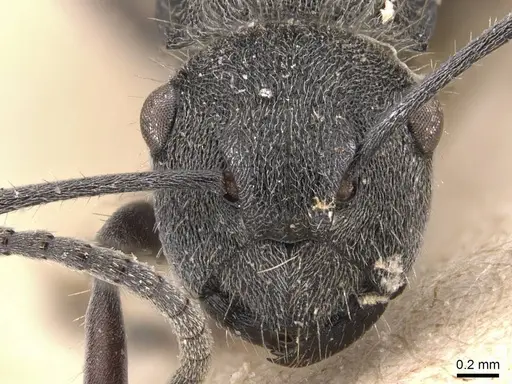
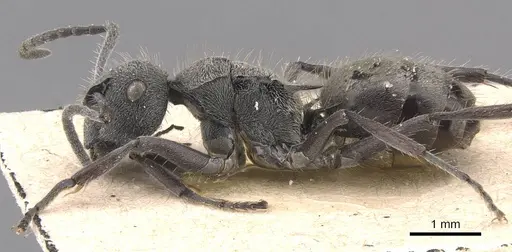
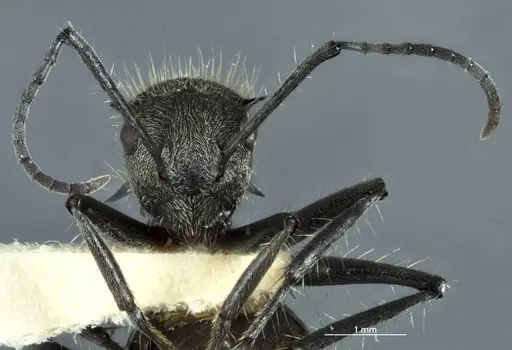
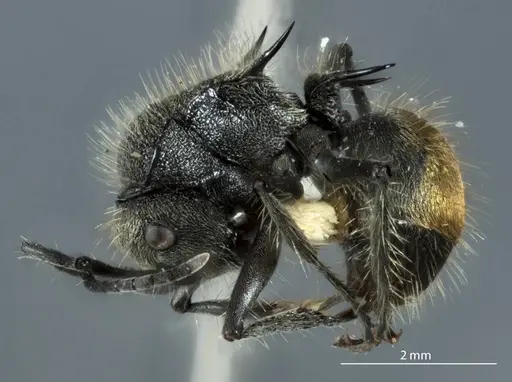
Polyrhachis aurea is a spiny ant species native to Australia, Papua New Guinea, and the Solomon Islands . Workers have a golden or reddish-bronze coloration with spines on the thorax . The species nests subterranean in soil . Size data is unavailable from the research context. This species belongs to the subgenus Chariomyrma and exhibits typical Formicinae defense mechanisms, including formic acid spray .
Quick Summary
- Difficulty: Medium
- Origin & Habitat: Australia, Papua New Guinea, and Solomon Islands. Subtropical to tropical regions, nesting underground in soil [1][3][2].
- Colony Type: Unconfirmed, based on typical Polyrhachis patterns, likely monogyne (single queen).
- Size & Growth:
- Queen: Size data unavailable, inferred from Polyrhachis genus (~8-12 mm)
- Worker: Size data unavailable, inferred from Polyrhachis genus (~4-10 mm)
- Colony: Up to several hundred workers, estimated based on related Polyrhachis species
- Growth: Moderate
- Development: Estimated 6-8 weeks at optimal temperature, inferred from Formicinae patterns (Development time is inferred since species-specific data is unavailable)
- Antkeeping:
- Temperature: Keep nest area warm, roughly 24-28°C, based on genus patterns for Australian species.
- Humidity: Maintain moderate to high substrate moisture. Keep nest substrate consistently damp but not waterlogged [3].
- Diapause: Unconfirmed for this species.
- Nesting: Subterranean nesters, prefer compact soil in captivity [3][4].
- Behavior: Polyrhachis aurea workers are moderately active and not typically aggressive. They use spines for defense and are omnivorous. Escape risk is moderate due to medium size.
- Common Issues: subterranean nesting requires adequate soil depth to prevent colony stress., poor humidity control can lead to brood mortality during molting., temperature fluctuations may slow colony growth.
Nest Preferences and Housing
Polyrhachis aurea is a subterranean nester, meaning they naturally dig nests in soil underground [3][4]. In captivity, provide compact, damp substrate rather than loose sandy soil. A naturalistic setup with a deep soil layer allows them to create proper chambers. Alternatively, Y-tong nests with narrow chambers or plaster nests with water reservoirs work well. Avoid test tube setups, as they don't accommodate subterranean needs.
Feeding and Diet
Polyrhachis aurea is omnivorous. Offer constant sugar sources like sugar water or honey. Provide protein such as fruit flies or mealworms 2-3 times per week. Remove uneaten prey after 24 hours to prevent mold.
Temperature and Heating
Keep nest temperatures warm, around 24-28°C, based on genus patterns for Australian species. Use a heating cable on one side to create a gradient. Room temperature may be acceptable in warmer climates.
Humidity and Water
Maintain moderate to high humidity. Keep nest substrate consistently damp but not waterlogged [3]. In Y-tong or plaster nests, fill water reservoirs regularly. Mist the outworld occasionally but avoid direct spraying on the nest.
Behavior and Temperament
Workers are moderately active and not typically aggressive. They defend nests using spines and formic acid spray. Escape risk is moderate, standard barriers and tight lids are sufficient.
Colony Development and Growth
Colony growth is moderate. Pupal cocoons are present [3], so handle brood carefully. Full maturity may take 1-2 years.
Frequently Asked Questions
How long does it take for Polyrhachis aurea to produce first workers?
Expect first workers in approximately 6-8 weeks under optimal conditions, inferred from Formicinae patterns.
What do Polyrhachis aurea ants eat?
They are omnivorous. Offer sugar water and small insects like fruit flies.
Can I keep Polyrhachis aurea in a test tube setup?
Not recommended. This species is a subterranean nester and needs compact soil [3].
What temperature do Polyrhachis aurea need?
Keep nest temperatures between 24-28°C, based on genus patterns.
Are Polyrhachis aurea good for beginners?
They are rated medium difficulty due to subterranean nesting needs.
How big do Polyrhachis aurea colonies get?
Colonies may reach up to several hundred workers, estimated from related species.
Do Polyrhachis aurea need hibernation?
Diapause requirements are unconfirmed for this species.
When should I move my colony to a formicarium?
Wait until the colony has at least 20-30 workers and is actively foraging.
Why is my Polyrhachis aurea colony not growing?
Check temperature, humidity, and food availability. Slow growth is normal during founding.
Report an Issue
The current care sheet is based fully on literature. See inconsistencies, or something that's incorrect? Please , it will be resolved after review from an admin. Contributing to the blogs tab also helps providing information, to make us be able to further improve the caresheets. Thank you for your support!
References

This caresheet is licensed under CC BY-SA 4.0 .
Community Blogs
CASENT0887792
View on AntWeb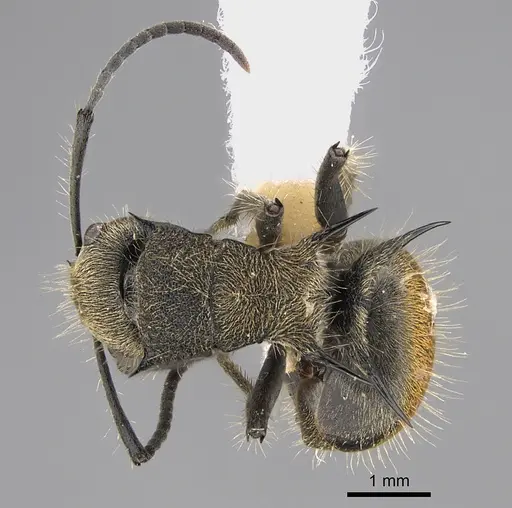
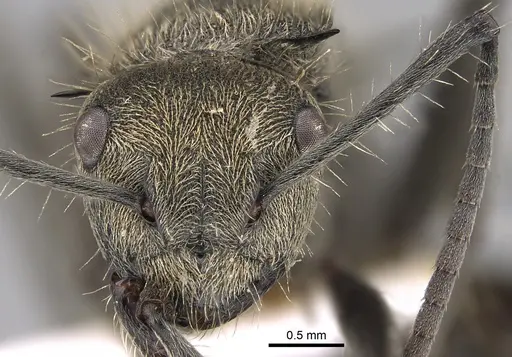
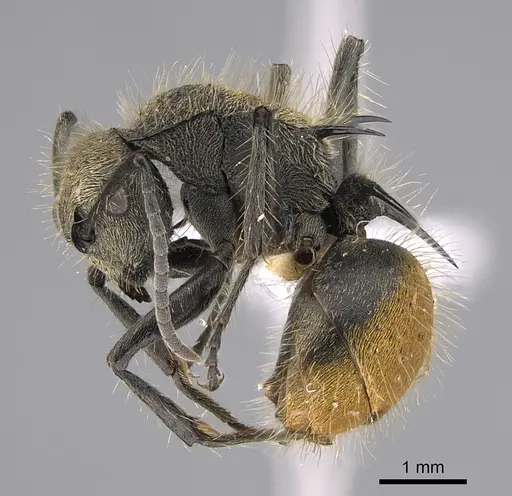
CASENT0905582
View on AntWeb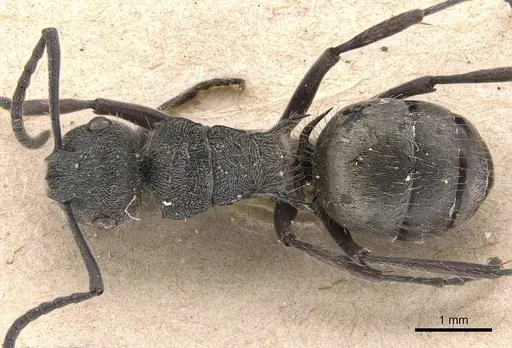
CASENT0906752
View on AntWeb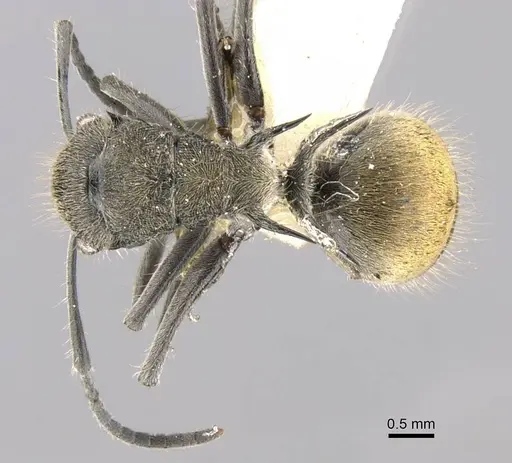
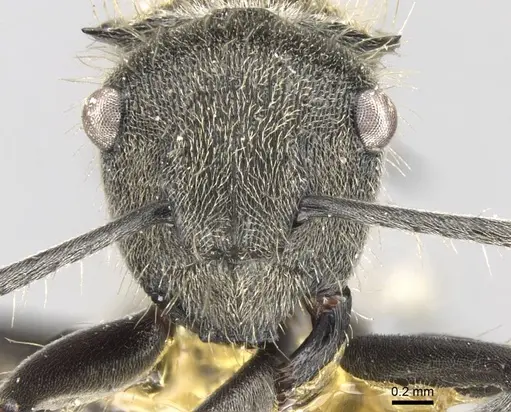
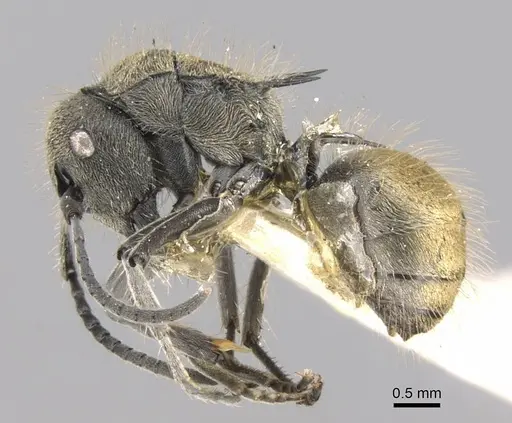
CASENT0910818
View on AntWeb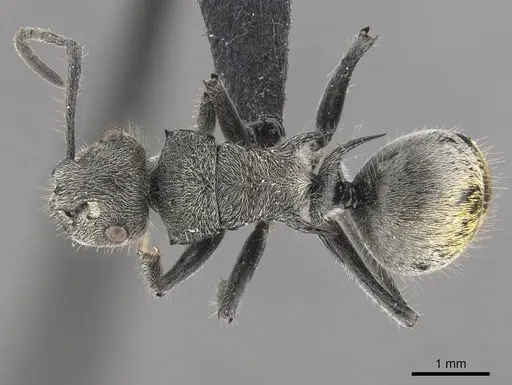
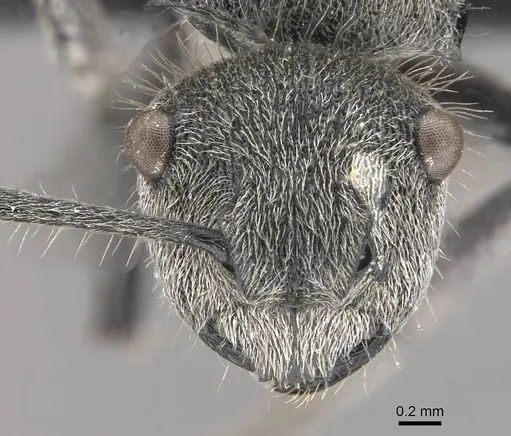
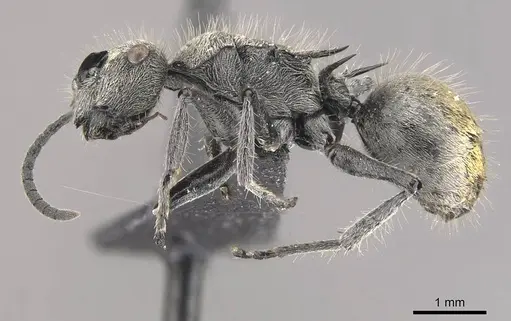
CASENT0915609
View on AntWeb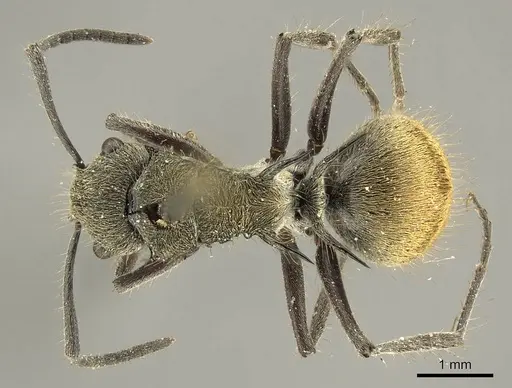
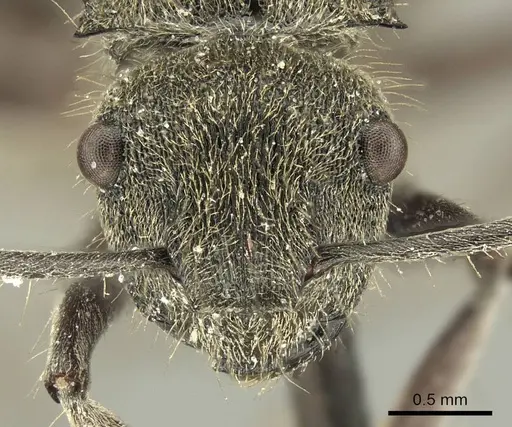
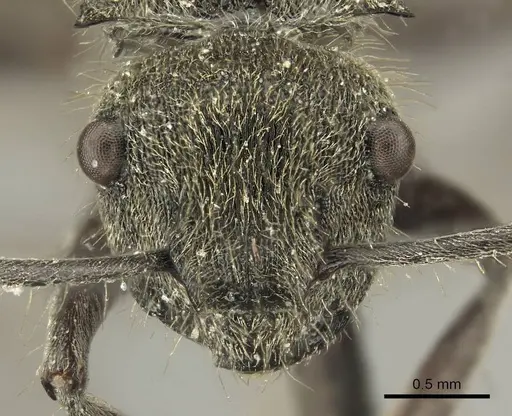
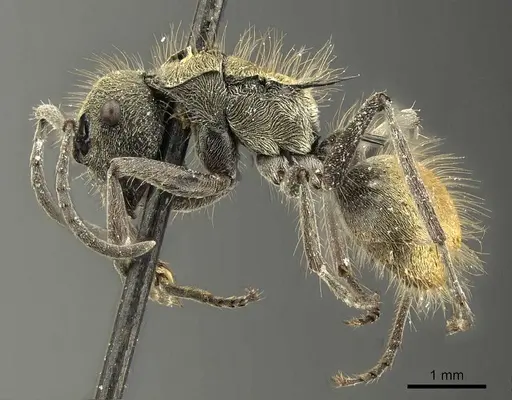
CASENT0915815
View on AntWeb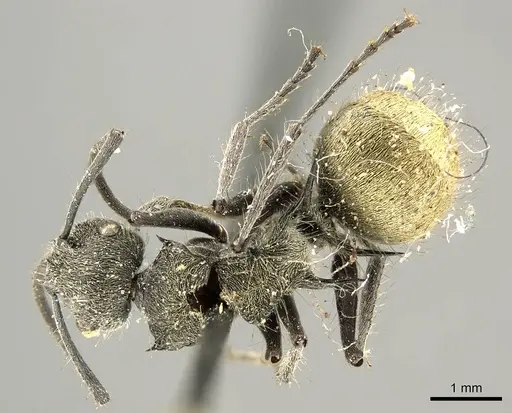
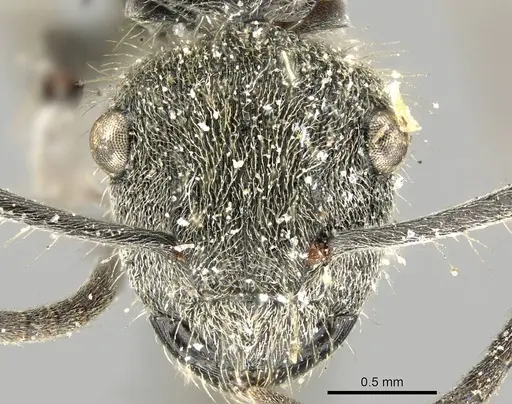
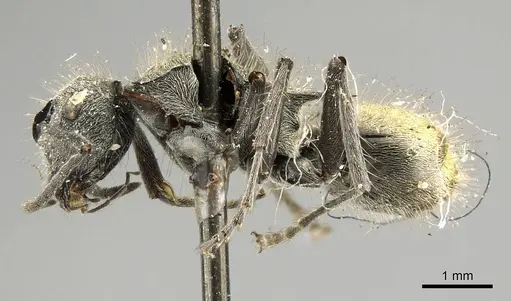
JDM32-002131
View on AntWeb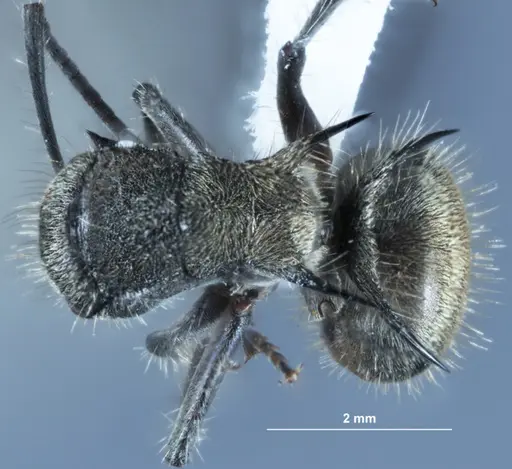
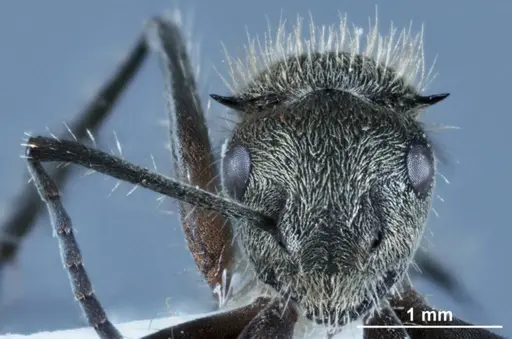
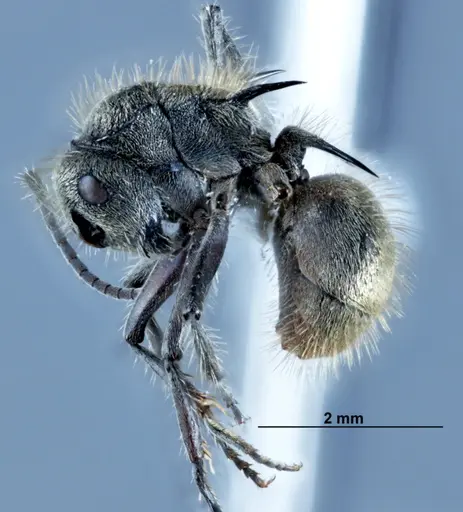
JDM32-002150
View on AntWeb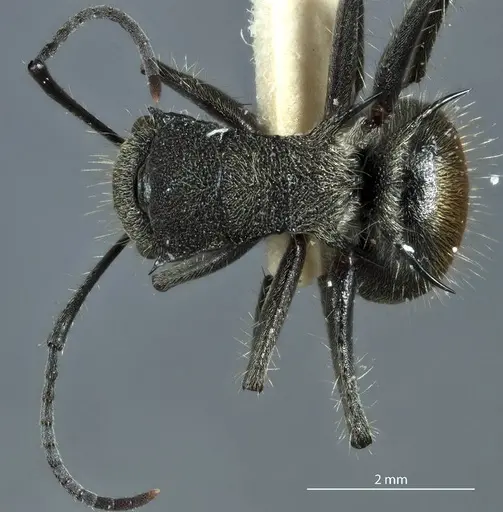
Literature
Loading distribution map...Loading products...