
Polyrhachis arcuata
- Sci. Name
- Polyrhachis arcuata
- Subgenus
- Chariomyrma
- Tribe
- Camponotini
- Subfamily
- Formicinae
- Author
- Le Guillou, 1842
- Distribution
- Found in 2 countries
Introduction
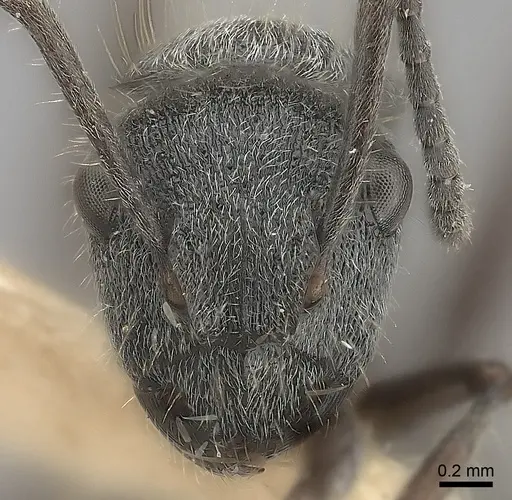
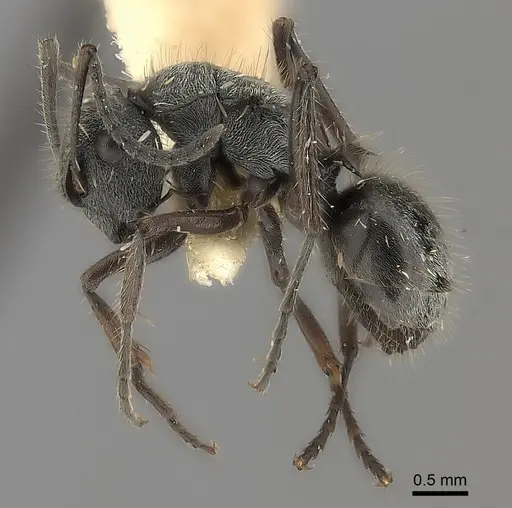
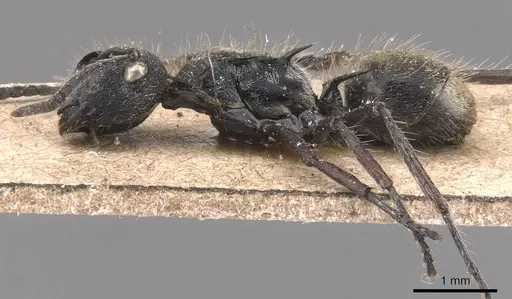
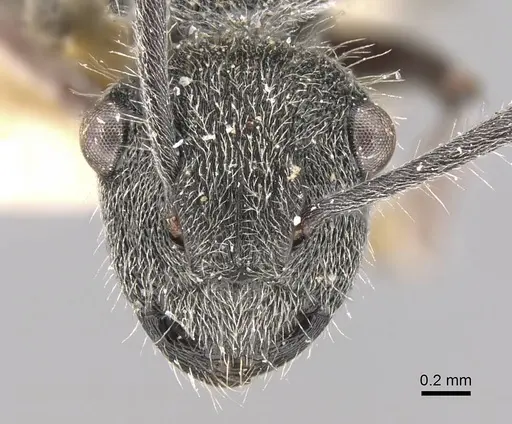
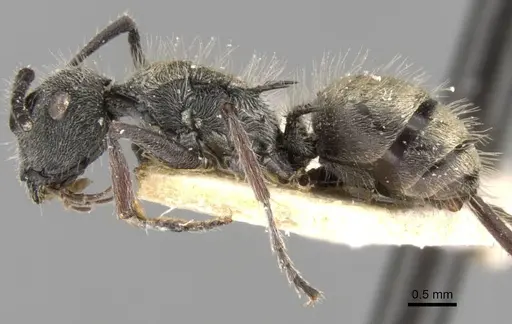
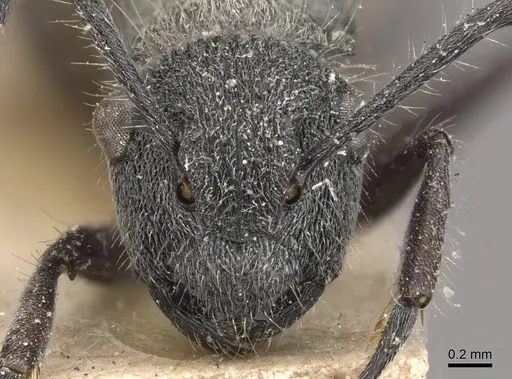
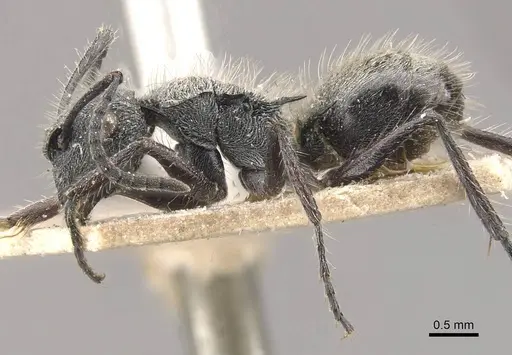
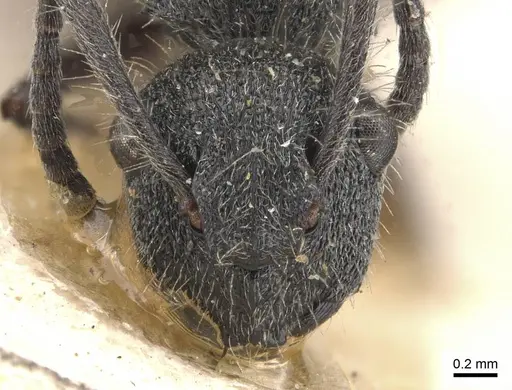
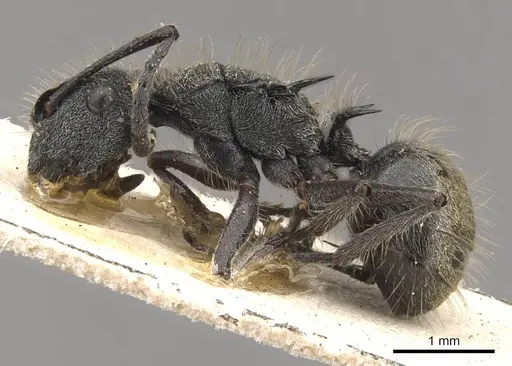
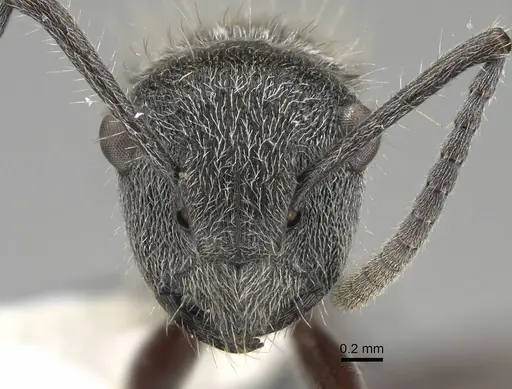
Polyrhachis arcuata is a medium-sized ant in the subgenus Chariomyrma, identified by toothed pronotal humeri and short, straight, diverging propodeal spines . Workers are dark brown to black, with size inferred from Polyrhachis genus around 6-8mm. This species is found across the Indo-Australian region, including Australia , the Philippines , Thailand , Solomon Islands , and Ambon Island . The species has several junior synonyms, such as Polyrhachis latifrons, reflecting historical taxonomic confusion .
Quick Summary
- Difficulty: Medium
- Origin & Habitat: Tropical Indo-Australian region, including forests in Australia, Philippines, Thailand, Solomon Islands, and Ambon Island [3][4][5][2].
- Colony Type: Unconfirmed, no specific data on queen number.
- Size & Growth:
- Queen: Size data unavailable, inferred from Polyrhachis genus around 9-11mm
- Worker: Size data unavailable, inferred from Polyrhachis genus around 6-8mm
- Colony: Up to several hundred workers, estimated from related species
- Growth: Moderate
- Development: Estimated 6-8 weeks at optimal temperature, inferred from related Polyrhachis species (Development time may vary with temperature.)
- Antkeeping:
- Temperature: Keep warm, around 24-30°C, with a gradient for self-regulation. No specific data, so condition-based.
- Humidity: Keep substrate moderately moist, but not waterlogged. No specific data, so condition-based.
- Diapause: No, tropical species do not require diapause.
- Nesting: Inferred from genus patterns: nests in soil, under stones, or in rotting wood. In captivity, use Y-tong, plaster, or soil nests.
- Behavior: Based on genus patterns, typically calm and not aggressive. Active foragers, both ground and low vegetation. Escape risk is moderate due to size.
- Common Issues: tropical species are sensitive to cold, temperatures below 20°C for extended periods can weaken or kill colonies., overheating is a risk, direct sunlight or heating cables set too hot can desiccate and kill ants., colonies may be slow to establish, patience is needed during the founding stage., wild-caught colonies may carry parasites that can cause problems in captivity., too-dry conditions will cause colony decline, monitor humidity regularly.
Housing and Nest Setup
You can house Polyrhachis arcuata in Y-tong or plaster nests to maintain humidity. For founding colonies, a test tube setup works initially, but move them to a formicarium once the colony grows. The outworld can be a simple plastic container with high walls, as these ants are not strong climbers. Use a water tube or cotton ball for hydration. Add substrate like sand or soil if you want a naturalistic setup, as they may burrow. Escape prevention is straightforward with fluon on rim edges.
Feeding and Diet
These ants are omnivorous. Offer sugar water or diluted honey constantly for energy, and provide protein like fruit flies or crickets 2-3 times per week. Remove uneaten food after 24-48 hours to prevent mold.
Temperature and Seasonal Care
As a tropical species, keep temperatures between 24-30°C year-round. Use a heating cable on one side of the nest for a gradient. Avoid temperatures below 20°C. No diapause is needed.
Colony Founding and Growth
Founding behavior is unconfirmed, but based on genus patterns, queens may be claustral. The first workers typically appear after 6-8 weeks under optimal conditions. Colony growth is moderate, reaching up to several hundred workers over time.
Behavior and Observation
Workers are active foragers, patrolling ground and low vegetation. They are generally calm and not aggressive. Communication is through chemical trails for food recruitment.
Frequently Asked Questions
How long does it take for Polyrhachis arcuata to raise first workers?
Expect first workers in about 6-8 weeks under optimal warm conditions, inferred from related Polyrhachis species.
What do Polyrhachis arcuata ants eat?
They are omnivorous, accepting sugar water, honey, and protein like insects.
Do Polyrhachis arcuata ants need hibernation?
No, as a tropical species, they do not require diapause.
Are Polyrhachis arcuata good for beginners?
They are rated medium difficulty due to warmth and humidity needs.
What size colony do Polyrhachis arcuata colonies reach?
Up to several hundred workers, estimated from related species.
What temperature is best for Polyrhachis arcuata?
Keep between 24-30°C with a gradient for self-regulation.
Can I keep multiple Polyrhachis arcuata queens together?
Colony type is unconfirmed, but based on genus patterns, likely single-queen. Combining queens is not recommended.
When should I move Polyrhachis arcuata to a formicarium?
Move when the colony has around 20-30 workers or the test tube is cramped.
Where is Polyrhachis arcuata found in the wild?
Across the Indo-Australian region, including Australia [2], Philippines [3], Thailand [3], Solomon Islands [4], and Ambon Island [5] [1].
Report an Issue
The current care sheet is based fully on literature. See inconsistencies, or something that's incorrect? Please , it will be resolved after review from an admin. Contributing to the blogs tab also helps providing information, to make us be able to further improve the caresheets. Thank you for your support!
References

This caresheet is licensed under CC BY-SA 4.0 .
Community Blogs
CASENT0217745
View on AntWeb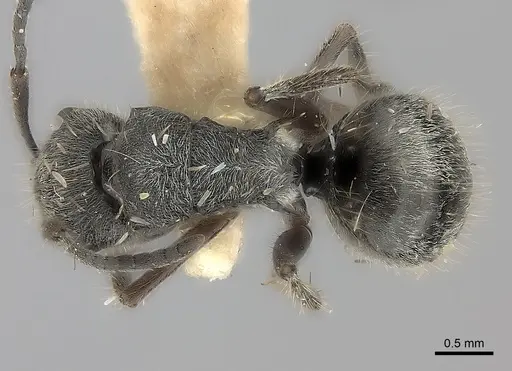
CASENT0740791
View on AntWeb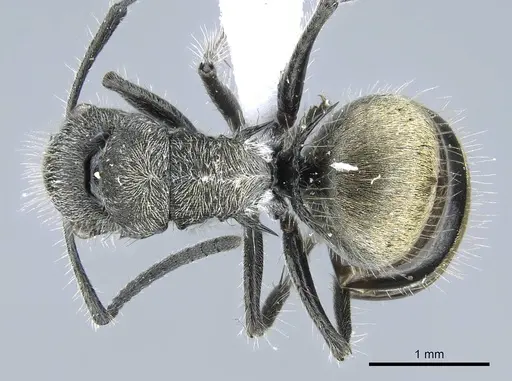
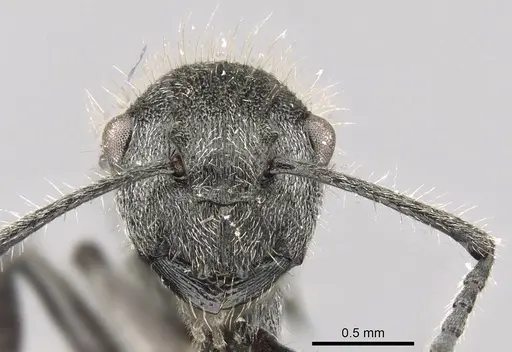
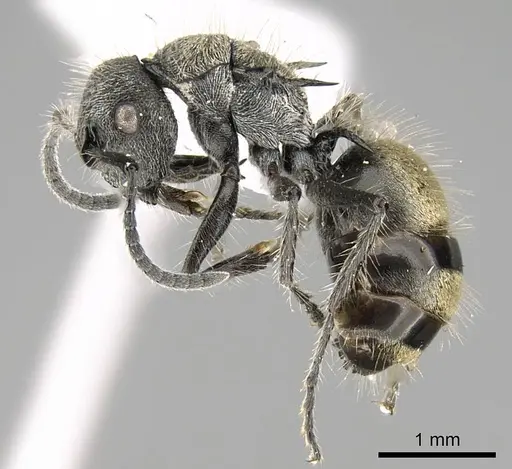
CASENT0905826
View on AntWeb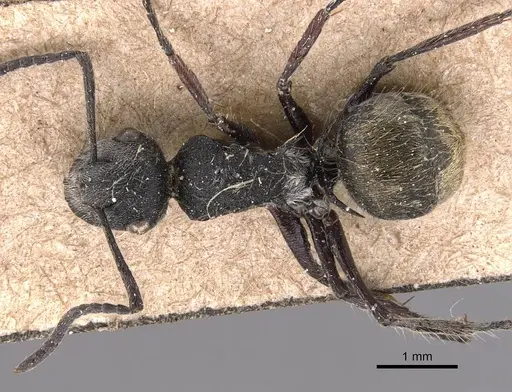
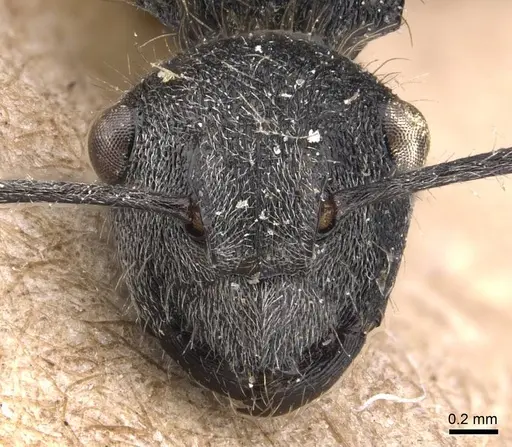
CASENT0906744
View on AntWeb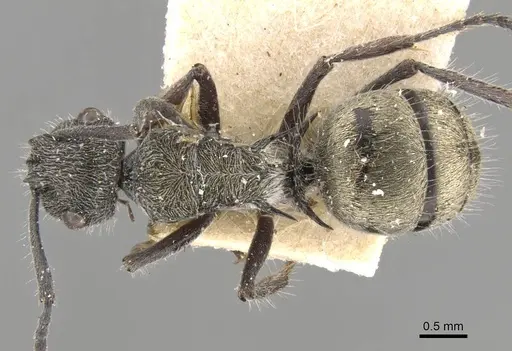
CASENT0910816
View on AntWeb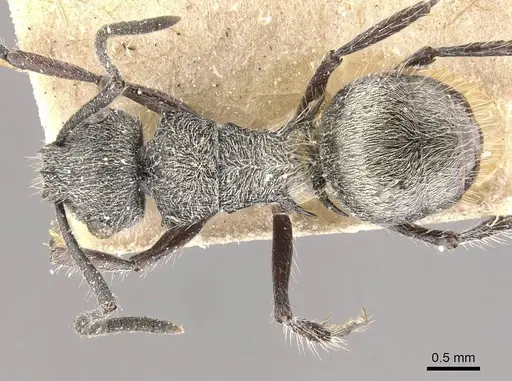
CASENT0910817
View on AntWeb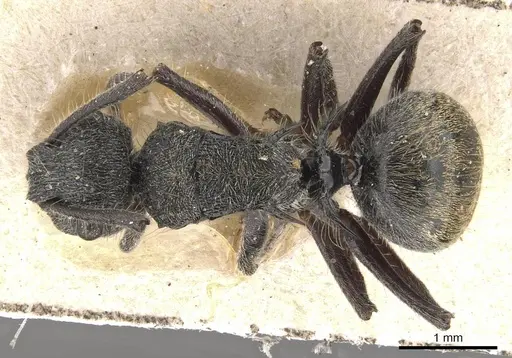
CASENT0919883
View on AntWeb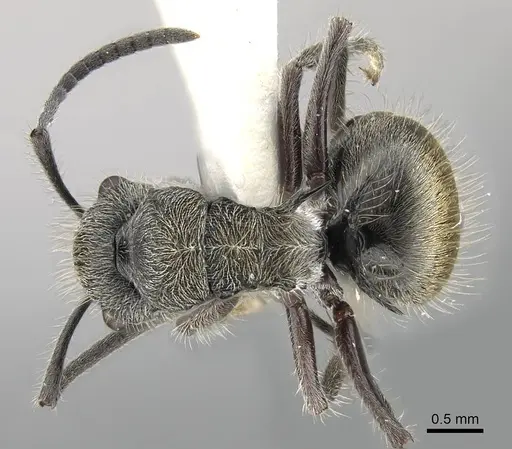
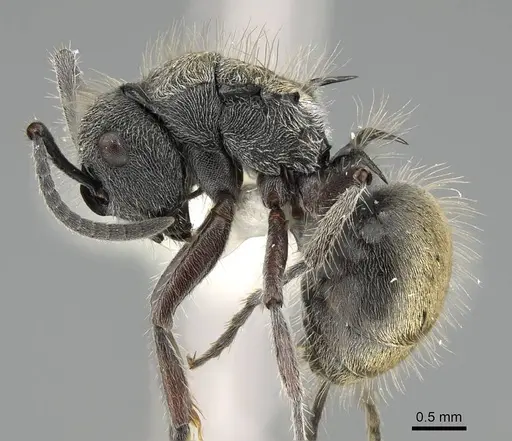
FOCOL2612
View on AntWeb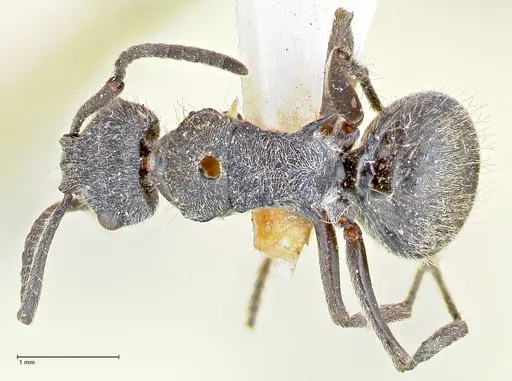
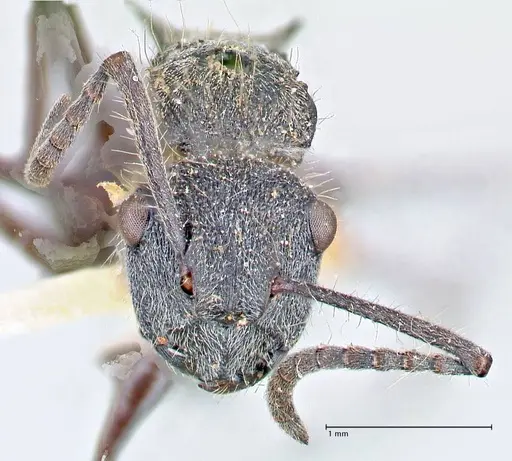
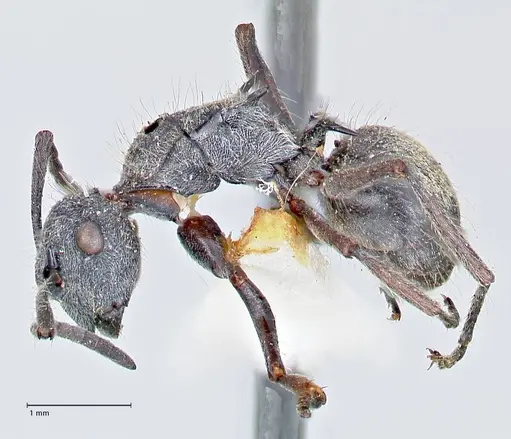
Literature
Loading distribution map...Loading products...