
Polyrhachis appendiculata
- Sci. Name
- Polyrhachis appendiculata
- Subgenus
- Chariomyrma
- Tribe
- Camponotini
- Subfamily
- Formicinae
- Author
- Emery, 1893
- Distribution
- Found in 1 countries
Introduction
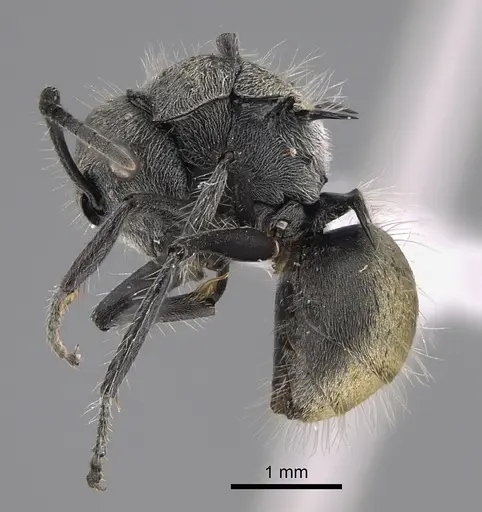
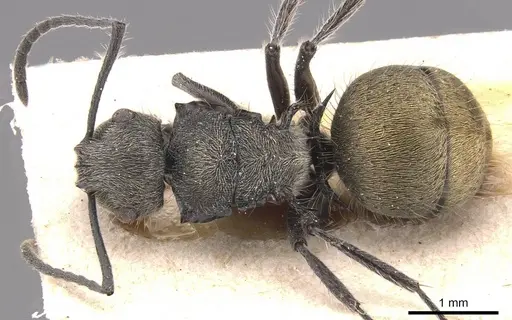
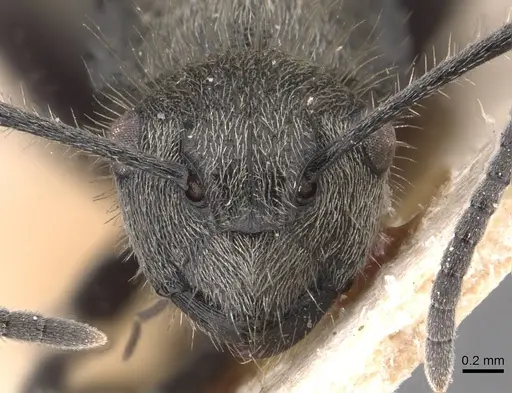
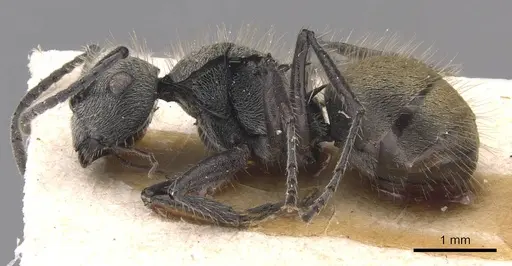
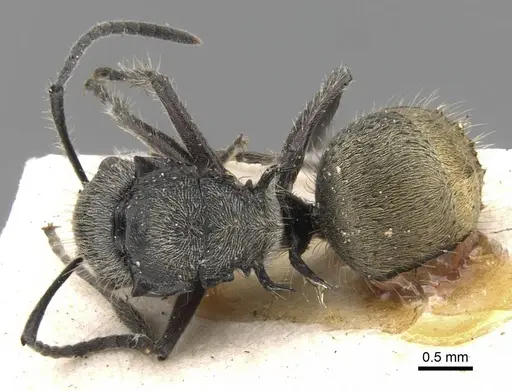
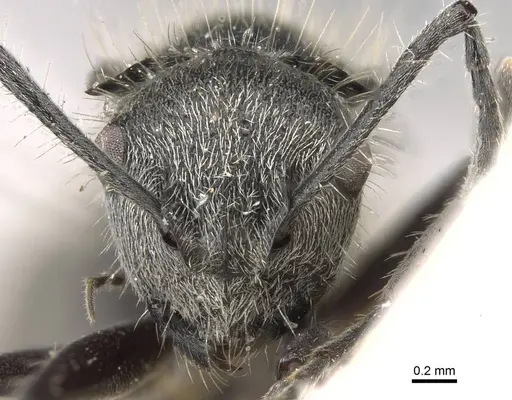
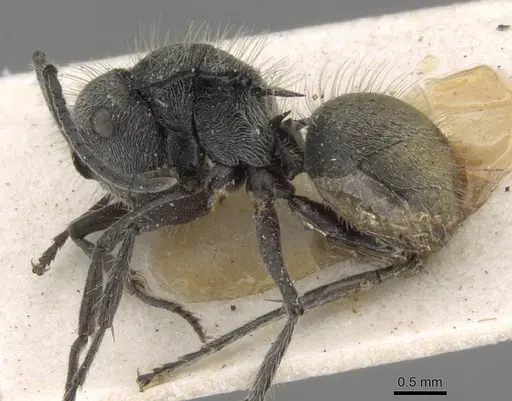
Polyrhachis appendiculata is a species of spiny ant described by Carlo Emery in 1896,found exclusively in Queensland, Australia . The genus Polyrhachis is known for distinctive spines on the petiole. Size data for this species is unavailable, but Polyrhachis ants are typically moderate-sized. This species is endemic to Queensland, inhabiting tropical to subtropical forests.
Quick Summary
- Difficulty: Medium
- Origin & Habitat: Queensland, Australia, found in tropical to subtropical regions [1]. Natural habitat includes forested areas with soil, under rocks, or rotting wood, based on genus patterns.
- Colony Type: Unconfirmed, colony structure has not been documented for this species.
- Size & Growth:
- Queen: Size data unavailable. Inferred from Polyrhachis genus: typically 8-12 mm total length.
- Worker: Typically 5-10 mm total length, inferred from Polyrhachis genus.
- Colony: Colony size data unavailable for this species.
- Growth: Moderate, inferred from genus patterns.
- Development: Unknown for this species. Based on related Polyrhachis, may take 6-10 weeks at optimal temperature. (Development time is inferred from genus patterns.)
- Antkeeping:
- Temperature: Keep warm, roughly 24-28°C, based on Queensland climate and genus preferences.
- Humidity: Keep nest substrate consistently moist but not waterlogged, based on genus nesting preferences.
- Diapause: No true diapause required, as Queensland has mild winters. A period of reduced activity at lower temperatures may be beneficial.
- Nesting: Use Y-tong, plaster, or soil nests with moist substrate, providing hiding spots and foraging area, based on genus nesting preferences.
- Behavior: Workers are generally calm and not aggressive. They lack a sting and spray formic acid for defense, as typical for Formicinae.
- Common Issues: maintaining warm temperatures to prevent colony decline, ensuring proper escape prevention due to moderate size, avoiding overfeeding to prevent mold issues, providing stable humidity to support colony health
Housing and Nest Setup
For Polyrhachis appendiculata, use test tubes for founding colonies or Y-tong/plaster nests for larger colonies. Provide moist substrate and hiding spots like small rocks or bark, as typical for Polyrhachis species [2]. Ensure secure connections between nest and outworld to prevent escapes.
Feeding and Diet
Offer sugar water or honey constantly for energy, and protein sources like small insects 2-3 times per week, based on Polyrhachis feeding habits [2]. Remove uneaten prey after 24 hours to avoid mold.
Temperature and Seasonal Care
Keep the nest area at 24-28°C during the active season, with a temperature gradient using a heating cable on one side. No true diapause is required, but a cooler period at 18-22°C for 2-3 months may be beneficial [2]. Avoid temperatures below 15°C.
Behavior and Handling
Workers are calm and active foragers, spraying formic acid for defense as typical for Formicinae. Use standard barriers like Fluon on rim edges to prevent escapes, as they can squeeze through small gaps [2].
Frequently Asked Questions
How long does it take for Polyrhachis appendiculata to raise first workers?
Specific data is unavailable, but based on typical Polyrhachis development, expect 6-10 weeks from egg to worker at optimal temperature [2].
Can I keep Polyrhachis appendiculata in a test tube?
Yes, test tubes work well for founding colonies. Once the colony grows, consider moving to a larger setup like Y-tong or naturalistic formicarium [2].
What temperature do Polyrhachis appendiculata need?
Keep them warm at 24-28°C, based on Queensland climate and genus preferences [2].
Are Polyrhachis appendiculata good for beginners?
They are considered medium difficulty due to temperature and humidity requirements, but their calm temperament makes them enjoyable to watch [2].
How big do Polyrhachis appendiculata colonies get?
Colony size data is unavailable for this species.
Do Polyrhachis appendiculata need hibernation?
No true hibernation is required, but a period of reduced activity at lower temperatures may be beneficial [2].
What do Polyrhachis appendiculata eat?
They are omnivorous. Offer sugar water or honey constantly, and protein sources like small insects 2-3 times per week [2].
Can I keep multiple queens together?
The colony structure is unconfirmed, so keeping a single queen is the safer approach for founding colonies.
When should I move my colony to a formicarium?
Move from test tube once the colony shows signs of outgrowing it, typically with a few dozen workers, to a Y-tong or soil-based setup [2].
Report an Issue
The current care sheet is based fully on literature. See inconsistencies, or something that's incorrect? Please , it will be resolved after review from an admin. Contributing to the blogs tab also helps providing information, to make us be able to further improve the caresheets. Thank you for your support!
References

This caresheet is licensed under CC BY-SA 4.0 .
Community Blogs
Literature
Loading distribution map...Loading products...