
Polyrhachis ammonoeides
- Sci. Name
- Polyrhachis ammonoeides
- Subgenus
- Hagiomyrma
- Tribe
- Camponotini
- Subfamily
- Formicinae
- Author
- Roger, 1863
- Distribution
- Found in 1 countries
Introduction
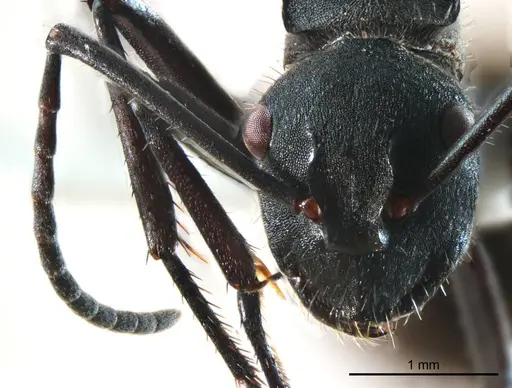
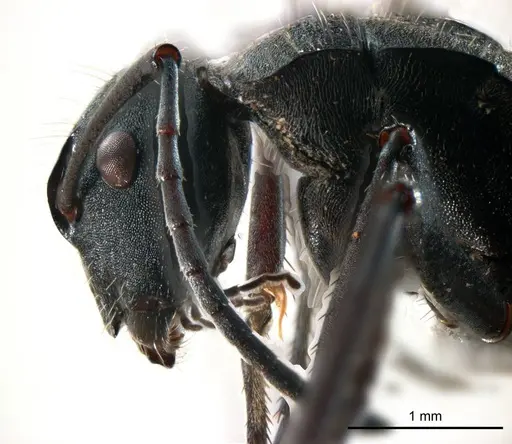
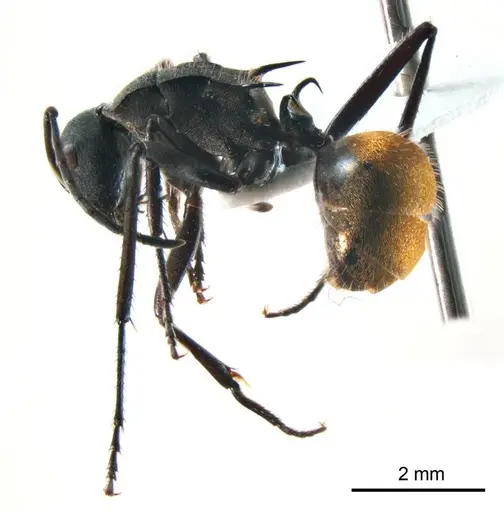
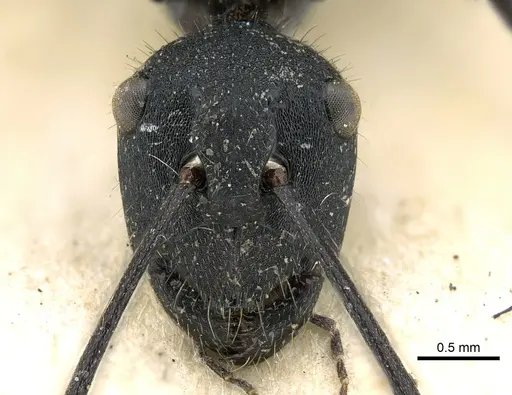
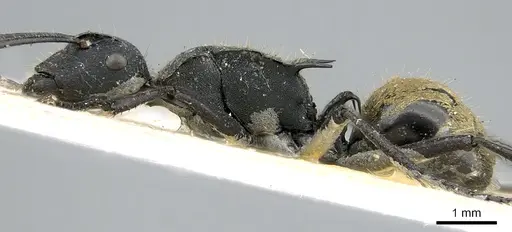
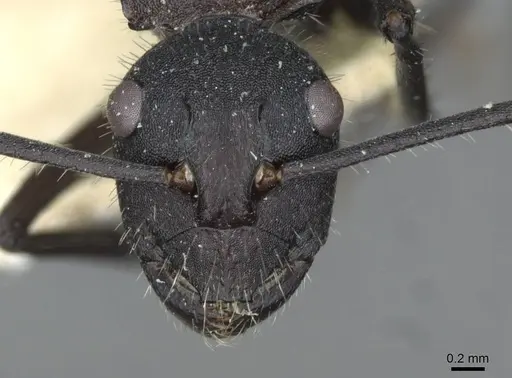
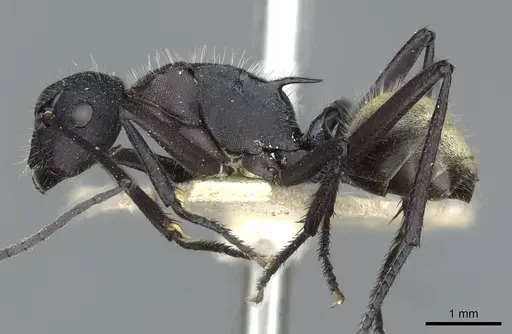
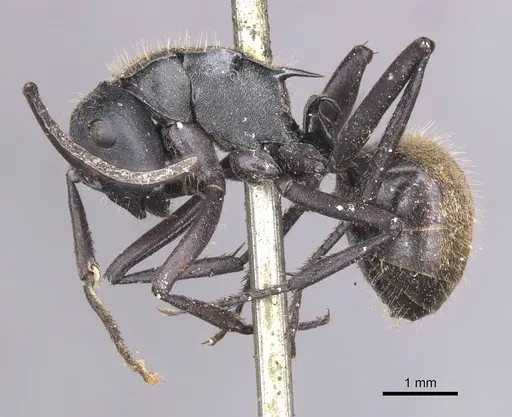
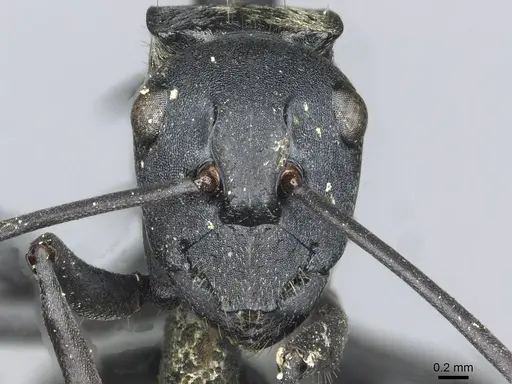
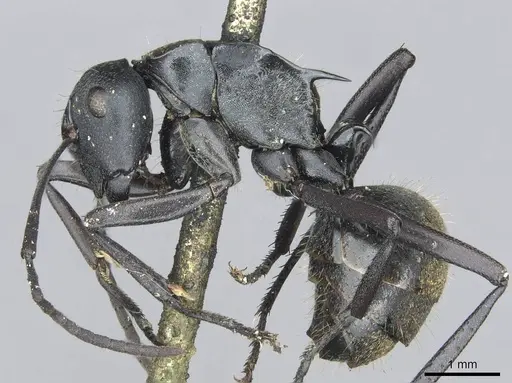
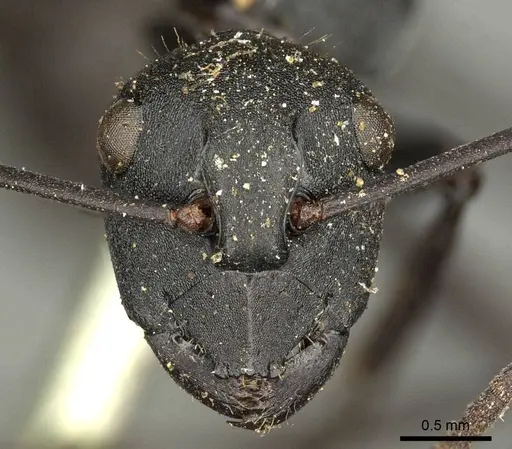
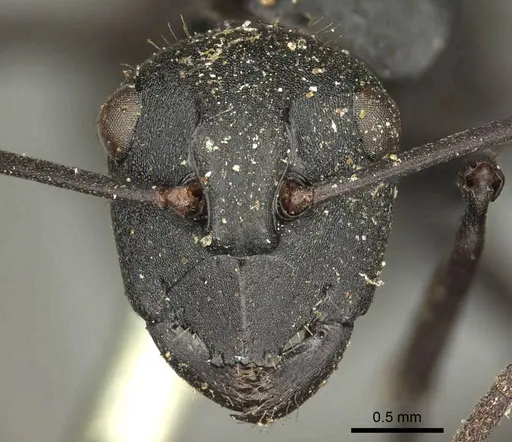
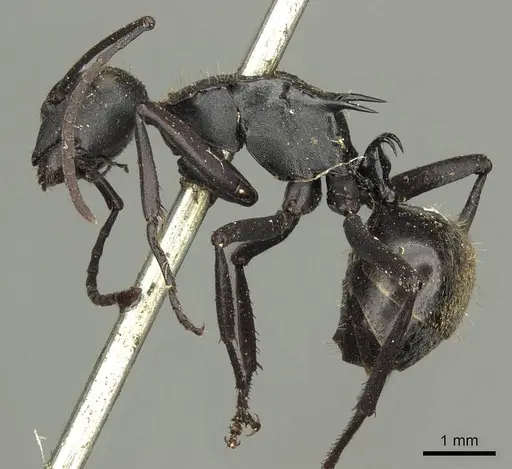
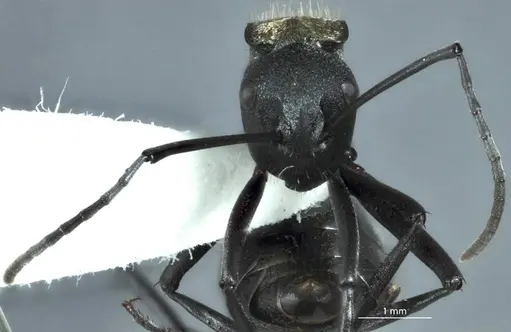
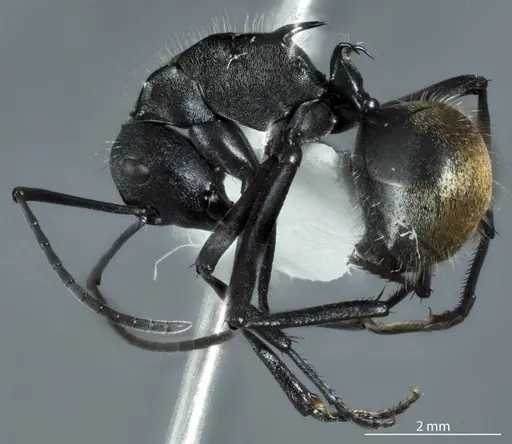
Polyrhachis ammonoeides is a striking medium-sized ant native to the coastal regions of northwestern Australia. Workers measure 6.65–8.52 mm with a black body and dark reddish-brown legs and mandibles. Queens are larger at 9.68–10.43 mm and look similar to workers. This species belongs to the ammon species-group in the subgenus Hagiomyrma . You can recognize it by the hooked petiolar spines and the golden hairs covering its body, giving it a beautiful black-and-gold look . It nests underground and builds extra nest material from carton, a papier-mâché-like substance made from chewed plant fibers . What makes this ant interesting is its limited distribution – it only lives in a narrow coastal strip of northwestern Australia, from Dampier to nearly Perth. This makes it one of the more geographically restricted Polyrhachis species in Australia . The species was originally described by Roger in 1863 from Port Jackson (Sydney), but that location was later found to be wrong – the true range is Western Australia. For a while it was mistaken for a separate species called Polyrhachis chalchas before being properly synonymised in 1994 . Its biology in captivity is still poorly documented – the immature stages have never been described, and no one has confirmed its colony structure or founding method.
Quick Summary
- Difficulty: Medium
- Origin & Habitat: Coastal northwestern Australia, from Dampier to near Perth. This species lives in warm, semi-arid to subtropical coastal areas, nesting in the ground where summers are hot and winters mild [1][2].
- Colony Type: Colony structure is unconfirmed. The species nests underground and uses carton, but whether colonies have one queen (monogyne) or multiple queens (polygyne) has not been recorded in scientific literature.
- Size & Growth:
- Queen: 9.68–10.43 mm [1]
- Worker: 6.65–8.52 mm [1]
- Colony: Unknown – estimated several hundred workers based on related Polyrhachis species
- Growth: Unknown – likely moderate based on genus patterns
- Development: Unknown – roughly 6–10 weeks at 24–28°C based on related Formicinae species (Direct studies on this species are missing, the estimate comes from other Polyrhachis in Hagiomyrma.)
- Antkeeping:
- Temperature: Keep at 24–28°C, reflecting their warm coastal Australian habitat. A slight temperature gradient helps workers regulate. Room temperature within this range works, or use a heating cable on top of the nest if needed.
- Humidity: Keep the nest substrate lightly moist but not waterlogged. Coastal northwestern Australia is relatively dry, so avoid overly damp conditions. Let the substrate dry a bit between waterings.
- Diapause: Unknown – the species lives where winters are mild and temperatures rarely drop much. Watch your colony for seasonal slowdowns and adjust care accordingly.
- Nesting: Ground-nesting species that uses carton to build nest chambers [3]. Provide deep soil substrate (at least 5–10 cm) for burrowing. Y-tong nests with soil chambers or plaster nests work well. Avoid acrylic nests – naturalistic setups are best.
- Behavior: Polyrhachis ammonoeides is calm and not very aggressive. Workers forage actively on the ground and low plants. They are moderate escape artists for their size – use standard barriers (fluon, tight lids) but they are not as likely to squeeze through tiny gaps as tiny ants. The genus often builds carton galleries, so they may create visible nest structures if given suitable materials. They probably use chemical trails and tandem running to recruit nestmates, as is typical for Polyrhachis.
- Common Issues: Limited availability – rarely found in the hobby due to its restricted range and poor documentation, Colony founding is slow – like many Polyrhachis, founding colonies may take time to establish, Escape risk exists despite moderate size – secure enclosures with tight-fitting lids, Carton nesting needs – must provide soil or other fibrous materials for nest building, plain artificial nests may not suit them, Temperature sensitivity – needs warmth, struggles below 20°C
Natural History and Distribution
Polyrhachis ammonoeides lives only in a narrow coastal band of northwestern Australia, from Dampier in the north to near Perth in the south [1]. This region has hot, dry summers and mild winters. The species was first described by Roger in 1863 from Port Jackson (Sydney), but that was a mistake – the real type locality is Western Australia. It was later misidentified as a separate species, Polyrhachis ammonoeides, by Forel in 1907,but Kohout synonymised them in 1994 [1]. P. ammonoeides belongs to the ammon species-group in the subgenus Hagiomyrma, which is known for having hooked petiolar spines and golden body hairs. It's an attractive ant with a black body, golden hairs, and dark reddish-brown legs and mandibles [2].
Nesting Behavior
This ant nests underground in soil [1][3]. Like other Hagiomyrma species, it builds carton – a kind of papery material made from chewed plant fibres and gland secretions – to strengthen its nest chambers [3]. Pupae are enclosed in cocoons [3]. In captivity, you need to give them deep soil substrate (at least 5–10 cm) so they can burrow. Naturalistic setups with soil or plaster nests work well. The carton-building behaviour means they may make visible structures if you provide suitable organic materials (e.g. small twigs, leaves) in the outworld.
Feeding and Diet
No specific diet studies exist for this species, but Polyrhachis ants are generally omnivorous. In the wild they eat honeydew, nectar, and small insects. In captivity, offer them a variety: sugar water or honey as a steady energy source, and protein from small insects like mealworms, crickets, or fruit flies. Feed protein 2–3 times a week and keep sugar water available. Remove any uneaten prey after 24–48 hours to prevent mould. Their moderate size (workers up to 8.5 mm) means they can tackle prey larger than what tiny ants would accept.
Temperature and Seasonal Care
Because they come from coastal northwestern Australia, P. ammonoeides needs warmth. Keep the nest at 24–28°C for best colony activity. They do well with a temperature gradient so workers can choose. If your room is cooler, use a heating cable on top of the nest (never underneath, as that dries the soil). Diapause is not confirmed – the species lives where winters are mild and temperatures rarely drop much. Watch your colony: if they slow down in winter, you can reduce feeding and let the temperature drop slightly (but not below 15°C). If they stay active all year, just keep consistent warmth.
Housing and Setup
For this ground-nesting species, a naturalistic setup works best. Use a formicarium with a deep soil chamber (at least 5–10 cm of substrate) or a Y-tong nest with soil chambers. Avoid acrylic nests. Provide an outworld for foraging and feeding. Use a water test tube as a humidity source – place it in the outworld or nest area with the cotton properly sealed to prevent flooding. For escape prevention, use standard barrier methods (fluon on rims, tight lids). These are medium-sized ants, so they won't squeeze through tiny gaps like minuscule species, but still secure the enclosure.
Frequently Asked Questions
How long does it take for Polyrhachis ammonoeides to produce first workers?
The exact timeline is unknown. Based on related Polyrhachis species in Hagiomyrma and typical Formicinae development, expect roughly 6–10 weeks from egg to first worker at 24–28°C. Founding colonies may take several months to really get going, so be patient.
What do Polyrhachis ammonoeides eat?
Like most Polyrhachis, they are omnivorous. Give them sugar water or honey as a constant energy source, plus protein from small insects (mealworms, crickets) 2–3 times a week. They are moderate-sized ants that can handle larger prey than tiny species.
Are Polyrhachis ammonoeides good for beginners?
Rated Medium difficulty. They are rarely available and have limited documented care information. Beginners might find the slow colony growth and specific temperature needs challenging. If you have some experience with medium ants and can provide warmth, this can be a rewarding species.
What type of nest is best for Polyrhachis ammonoeides?
Naturalistic setups with deep soil substrate (at least 5–10 cm) work best, since this is a ground-nesting species that builds carton structures. Y-tong nests with soil chambers or plaster nests are suitable. Avoid acrylic nests. The key is enough depth for burrowing and materials for carton construction.
Can I keep multiple queens together?
The colony structure (monogyne vs polygyne) is not documented. Without any evidence of multi-queen colonies, it's not recommended to house unrelated queens together. If you get a queen, house her alone for founding until the first workers emerge.
Do Polyrhachis ammonoeides need hibernation?
Hibernation needs are unknown. They come from a region with mild winters. Watch your colony for seasonal slowdowns – if they stay active all year, keep warm conditions. If they slow down, you can reduce temperatures slightly (not below 15°C) and reduce feeding. There's no guarantee they need a diapause.
How big do Polyrhachis ammonoeides colonies get?
Exact colony size is unknown. Based on related Polyrhachis species, colonies likely grow to several hundred workers over time. They do not form supercolonies. Growth rate is estimated as moderate.
Why are my Polyrhachis ammonoeides dying?
Common causes include: temperatures below 20°C (they need warmth), overly dry or wet substrate, lack of protein leading to starvation, mould from uneaten food, or stress from too much disturbance. Check your temperature, humidity, and feeding. Founding colonies are particularly sensitive and may fail without a clear reason – this is common for understudied species.
Where can I get Polyrhachis ammonoeides?
This species is rarely available in the hobby because of its restricted range in coastal northwestern Australia and limited documentation. You may need to contact Australian antkeepers or specialised dealers. Wild collection is not recommended due to its narrow distribution.
Report an Issue
The current care sheet is based fully on literature. See inconsistencies, or something that's incorrect? Please , it will be resolved after review from an admin. Contributing to the blogs tab also helps providing information, to make us be able to further improve the caresheets. Thank you for your support!
References

This caresheet is licensed under CC BY-SA 4.0 .
Community Blogs
ANTWEB1008701
View on AntWeb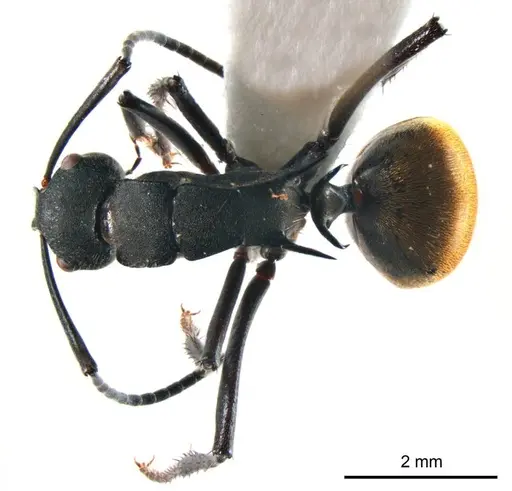
CASENT0887780
View on AntWeb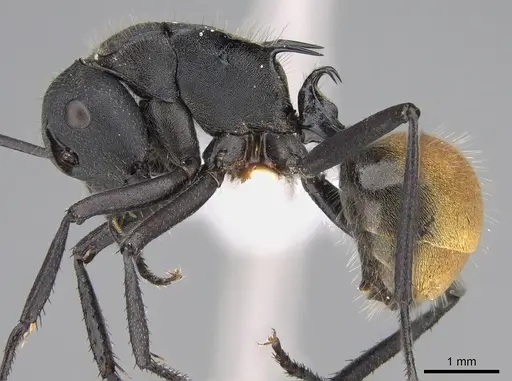
CASENT0906587
View on AntWeb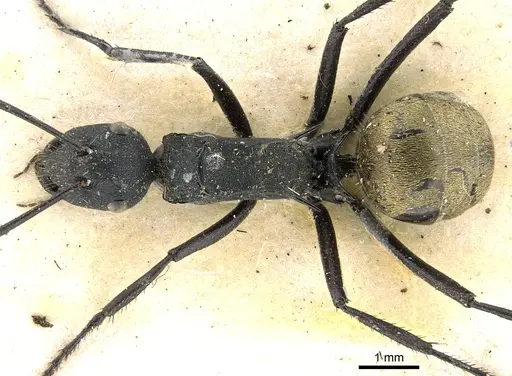
CASENT0910804
View on AntWeb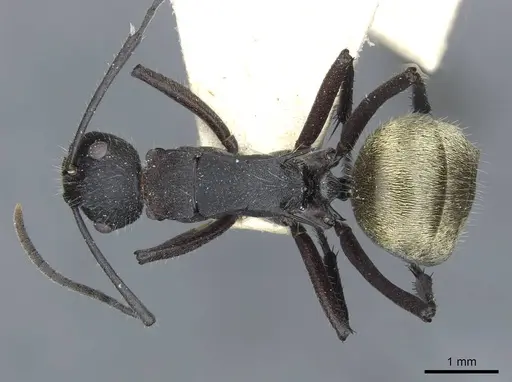
CASENT0913682
View on AntWeb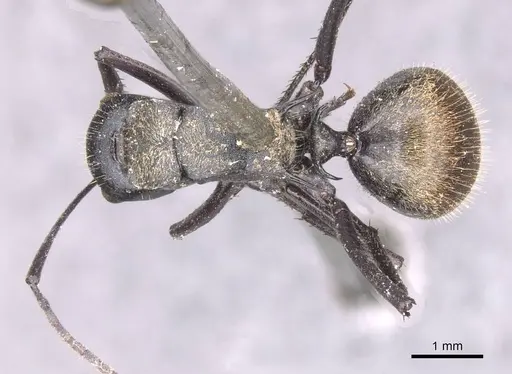
CASENT0913715
View on AntWeb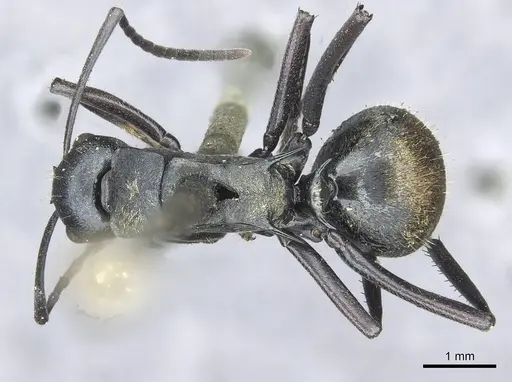
CASENT0915607
View on AntWeb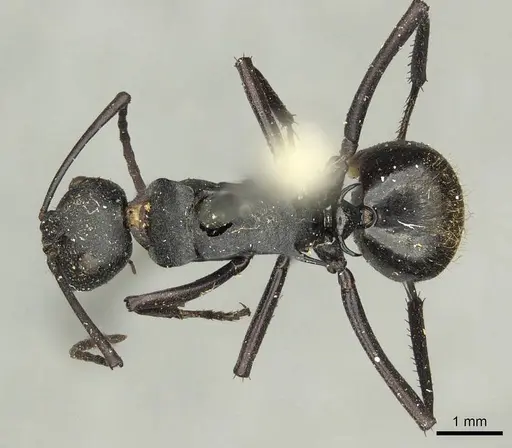
JDM32-004514
View on AntWeb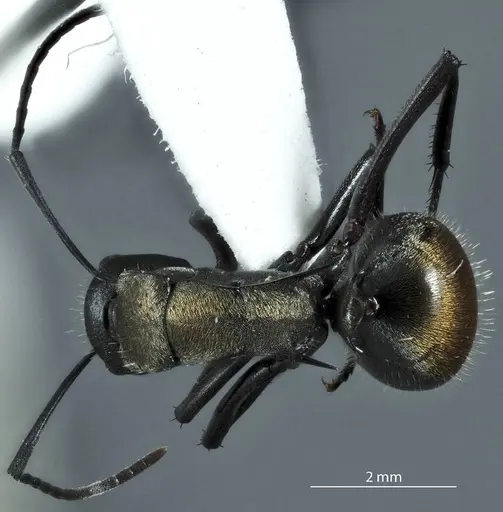
Literature
Loading distribution map...Loading products...