Polyrhachis ammon shows a January to December flight window. Peak activity occurs in January, with nuptial flights distributed across 3 months.
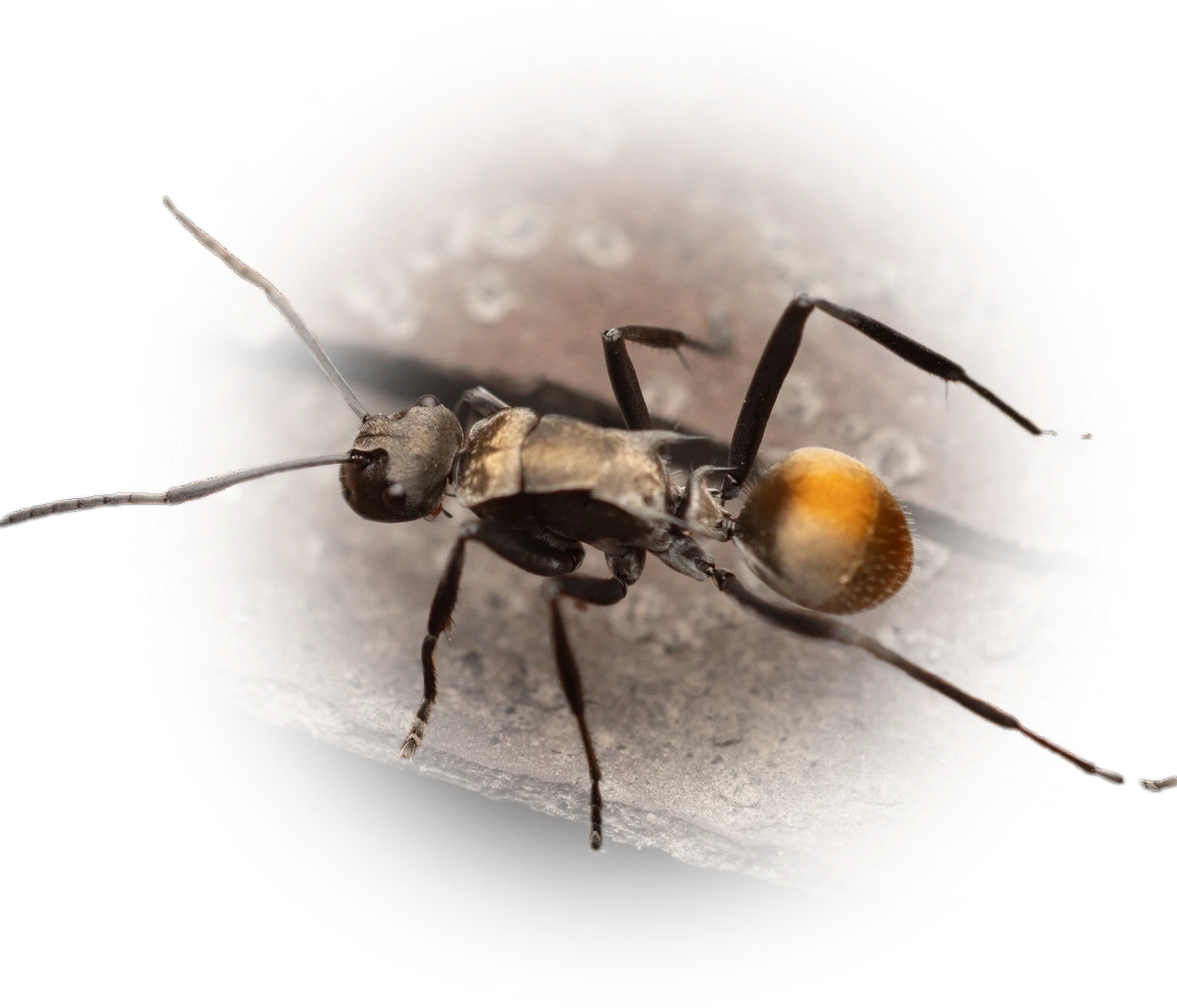
Golden-tailed Spiny Ant
Polyrhachis ammon
- Sci. Name
- Polyrhachis ammon
- Subgenus
- Hagiomyrma
- Tribe
- Camponotini
- Subfamily
- Formicinae
- Author
- Fabricius, 1775
- Common Name
- Golden-tailed Spiny Ant
- Distribution
- Found in 1 countries
- Nuptial Flight
- From January to December
- Peak flight Time
- 16:00
AI Identifiable
try →
Introduction
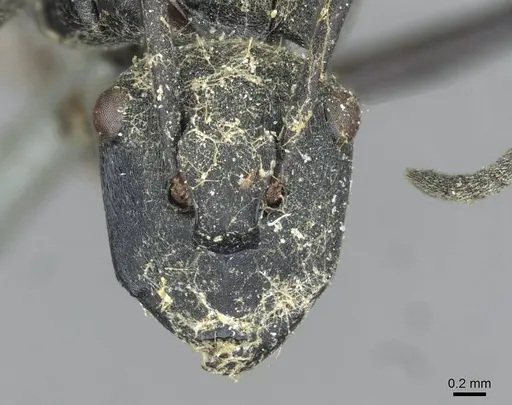
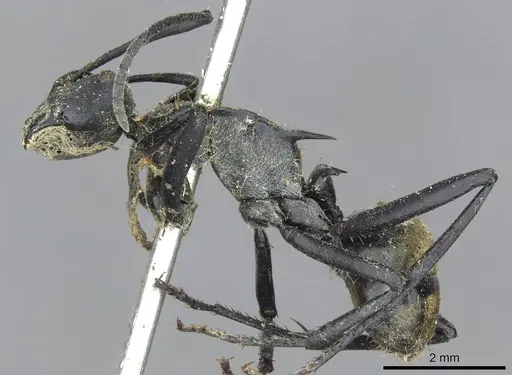
Polyrhachis ammon is a ground-nesting ant species native to eastern Australia, with a black body and golden-bronze pubescence. Workers measure 7.91-9.83 mm and queens 9.78-11.14 mm . It inhabits open eucalypt forests from Queensland to Victoria and inland to the Australian Capital Territory , and is also found in Western Australia from Dongara to Barrow Island . This species is known for its frequent nest relocation, with studies showing about 50% of nests abandoned during summer months .
Quick Summary
- Difficulty: Medium
- Origin & Habitat: Eastern Australia, open eucalypt forests along the seaboard from Queensland south to Victoria, inland to ACT, and in WA from Dongara to Barrow Island [1][2]
- Colony Type: Colony structure ranges from small monogynous colonies to large polydomous, often polygynous colonies [4].
- Size & Growth:
- Antkeeping:
- Temperature: Based on genus patterns, keep at 22-26°C with a gentle gradient [4]
- Humidity: Keep nest substrate consistently moist but not waterlogged, based on subterranean nesting habits [5]
- Diapause: Diapause requirements are unknown, based on Australian temperate species, a winter rest might be beneficial [4]
- Nesting: Subterranean nests with carton material [5]. In captivity, use Y-tong nests with soil or naturalistic setups.
- Behavior: Diurnal foragers that primarily feed on nectar from flowers and extrafloral nectaries [4][3]. They are not particularly aggressive but will defend the nest. Workers are moderate in size, so escape prevention is needed [1].
- Common Issues: frequent nest relocation, they may abandon nests if conditions aren't optimal [3], small foraging parties, only 3-4 workers typically arrive at bait [3], seasonal abandonment, colonies may relocate in summer [3], overheating risk, avoid temperatures above 30°C based on genus patterns [4], humidity sensitivity, keep substrate moderately dry based on nesting habits [5]
Nuptial Flight Activity Analysis 73 observations
Flight Activity by Hour 73 observations
Polyrhachis ammon nuptial flight activity peaks around 16:00 during the afternoon. Activity is spread across a 21-hour window (01:00–21:00). A secondary activity peak occurs around 09:00. Times may be influenced by human observation patterns.
Housing and Nest Setup
Polyrhachis ammon is a subterranean nester that digs chambers in soil and lines them with carton material [5]. In captivity, use Y-tong nests with soil or naturalistic setups with deep soil layers. Provide a dark nest chamber and an outworld connected via tubing. Since they frequently relocate nests [3], ensure the setup allows for movement. Escape prevention is moderate due to their size [1].
Feeding and Diet
In the wild, they feed on flower nectar, extrafloral nectaries, bird feces, and hemipteran exudates [3][4]. In captivity, offer sugar water or honey water constantly, and protein like small live insects 2-3 times per week. They forage in small groups, so don't expect large recruitment [3].
Temperature and Seasonal Care
Based on genus patterns, keep at 22-26°C with a gentle gradient [4]. During winter, a rest period at 15-18°C for 2-3 months might be beneficial, but diapause requirements are unknown. Avoid temperatures above 30°C.
Understanding Their Behavior
Polyrhachis ammon is diurnal and forages on vegetation [4]. They frequently relocate nests, with ~50% abandonment in summer [3]. Foraging is in small groups of 3-4 workers [3].
Colony Development
Colonies can grow to several thousand workers [4]. Development from egg to worker is estimated 6-10 weeks based on related species, but no specific data for P. ammon. Queens are 9.78-11.14 mm and workers 7.91-9.83 mm [1].
Frequently Asked Questions
How long does it take for Polyrhachis ammon to produce first workers?
Estimated 6-10 weeks based on related Formicinae species, but no specific study for P. ammon [4].
Can I keep multiple Polyrhachis ammon queens together?
Yes, this species can be polygynous in the wild [4].
Why are only a few workers coming to the food?
This is normal, they forage in small groups of 3-4 workers [3].
Do they need hibernation or winter rest?
Diapause requirements are unknown, but a winter rest might be beneficial based on genus patterns [4].
Why did my colony abandon their nest?
This is natural behavior, they frequently relocate nests [3].
What do Polyrhachis ammon eat in captivity?
Sugar sources and protein, in wild, they consume nectar, extrafloral nectaries, and bird feces [3][4].
Are Polyrhachis ammon good for beginners?
Rated medium difficulty due to specific care needs like temperature management and winter rest.
When should I move them to a formicarium?
Once the colony has 20-30 workers and the test tube space becomes cramped.
How big do Polyrhachis ammon colonies get?
Up to several thousand workers [4].
When is the nuptial flight of Polyrhachis ammon?
The nuptial flight of Polyrhachis ammon typically occurs From January to December.
What time of day does Polyrhachis ammon fly?
The nuptial flight of Polyrhachis ammon peaks around 16:00 during the afternoon, with most activity between 01:00 and 21:00. Times may be influenced by human observation patterns.
Report an Issue
The current care sheet is based fully on literature. See inconsistencies, or something that's incorrect? Please , it will be resolved after review from an admin. Contributing to the blogs tab also helps providing information, to make us be able to further improve the caresheets. Thank you for your support!
References

This caresheet is licensed under CC BY-SA 4.0 .
Community Blogs
CASENT0217741
View on AntWeb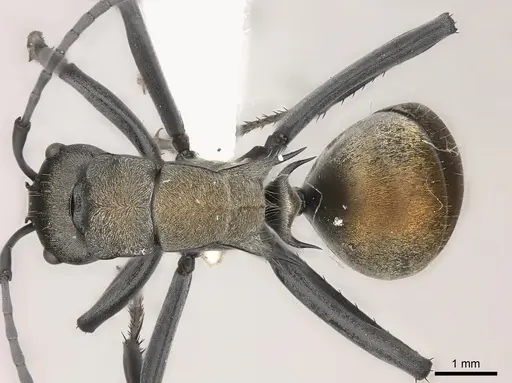
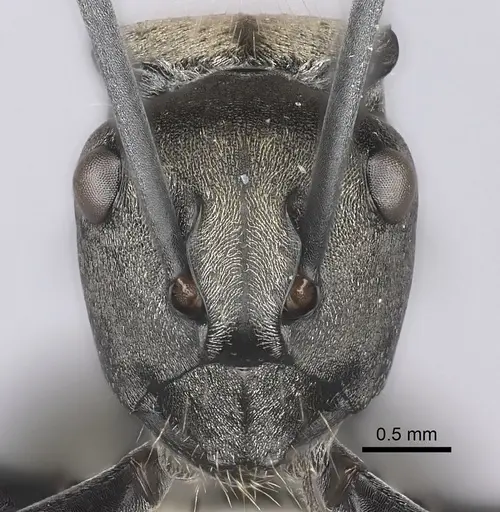
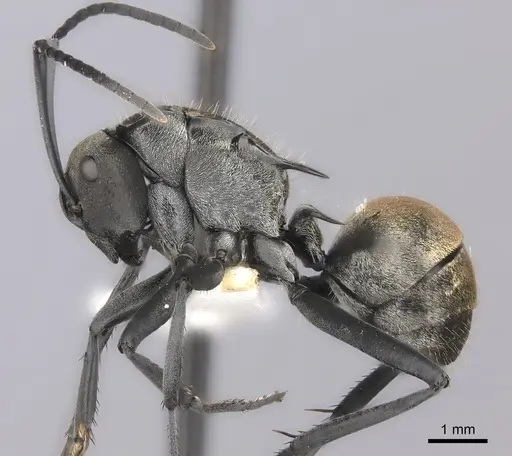
CASENT0887779
View on AntWeb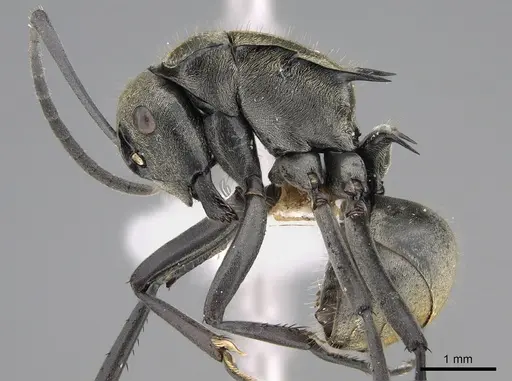
CASENT0910800
View on AntWeb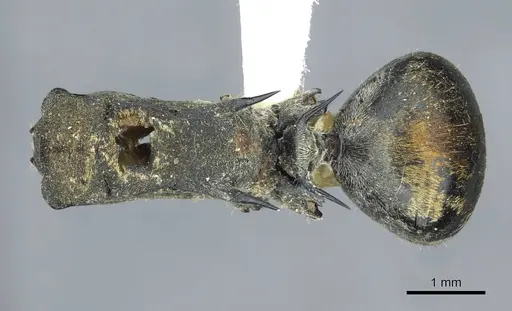
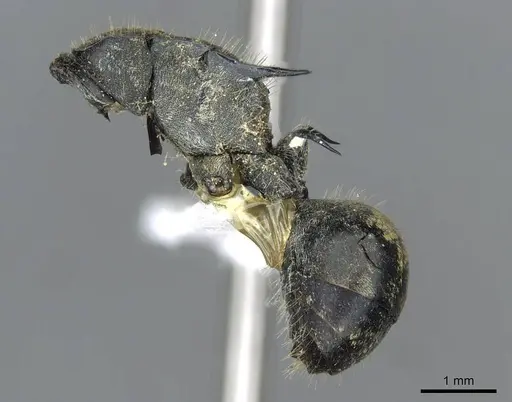
CASENT0910801
View on AntWeb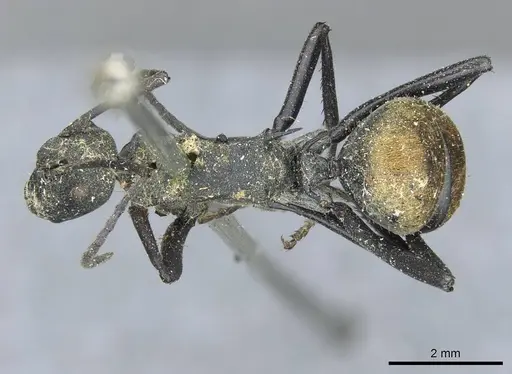
Literature
Loading distribution map...Loading products...